Category
page 1Street culture

Carnival
thumb|260px|Carnival in Rome,
thumb|260px|Rio Carnival|Rio's Carnival is the largest in the world according to [[Guinness World Records.]]

graffiti
Graffiti (singular graffiti, or graffito only in graffiti archeology) is writing or drawings made on a wall or other surface, usually without permission and within public view. Graffiti ranges from simple written "monikers" to elaborate wall paintings, and has existed since ancient times, with examples dating back to ancient Egypt, ancient Greece, and the Roman Empire.

marketplace
thumb|The Moorish Bazaar by Edwin Lord Weeks, 1873.
thumb|Group in the Marketplace, Jamaica, from ''Harper's Monthly Magazine, Vol. XXII, 1861, p. 176.
thumb|Spruce Beer Sellers in Jamaica, from Harper's Monthly Magazine, Vol. XXII, 1861, p. 176.
alt=A picture of a traditional market place in Africa.|thumb|Traditional market place in Africa
A marketplace, market place, or just market, is a location where people regularly gather for the purchase and sale of provisions, livestock, and other goods. In different parts of the world, a marketplace may be described as a souk (from Arabic), bazaar (fr

street art
art that is public and temporary in public spaces
.jpg)
parade
thumb|The Macy's Thanksgiving Day Parade in [[Manhattan is the world's largest parade.]]

street child
homeless child living on the street
street vendor
informal vendor of merchandise
street photography
photography genre

Peddler
thumb|A Peking fruit seller, c. 1869
thumb|Peddler in Ho Chi Minh City, [[Vietnam]]
street prostitution
prostitution set in a public place
street sweeper
machine that cleans streets in urban areas
Wrocław's dwarfs
small figurines resembling krasnale in the streets of Wrocław
street artist
artist performing in public places, for gratuities
ice cream van
commercial vehicle that serves as a mobile retail outlet for ice cream
market stall
merchandise structure

Complex
American media and entertainment company
food cart
mobile kitchen that is set up on the street to prepare and sell street food
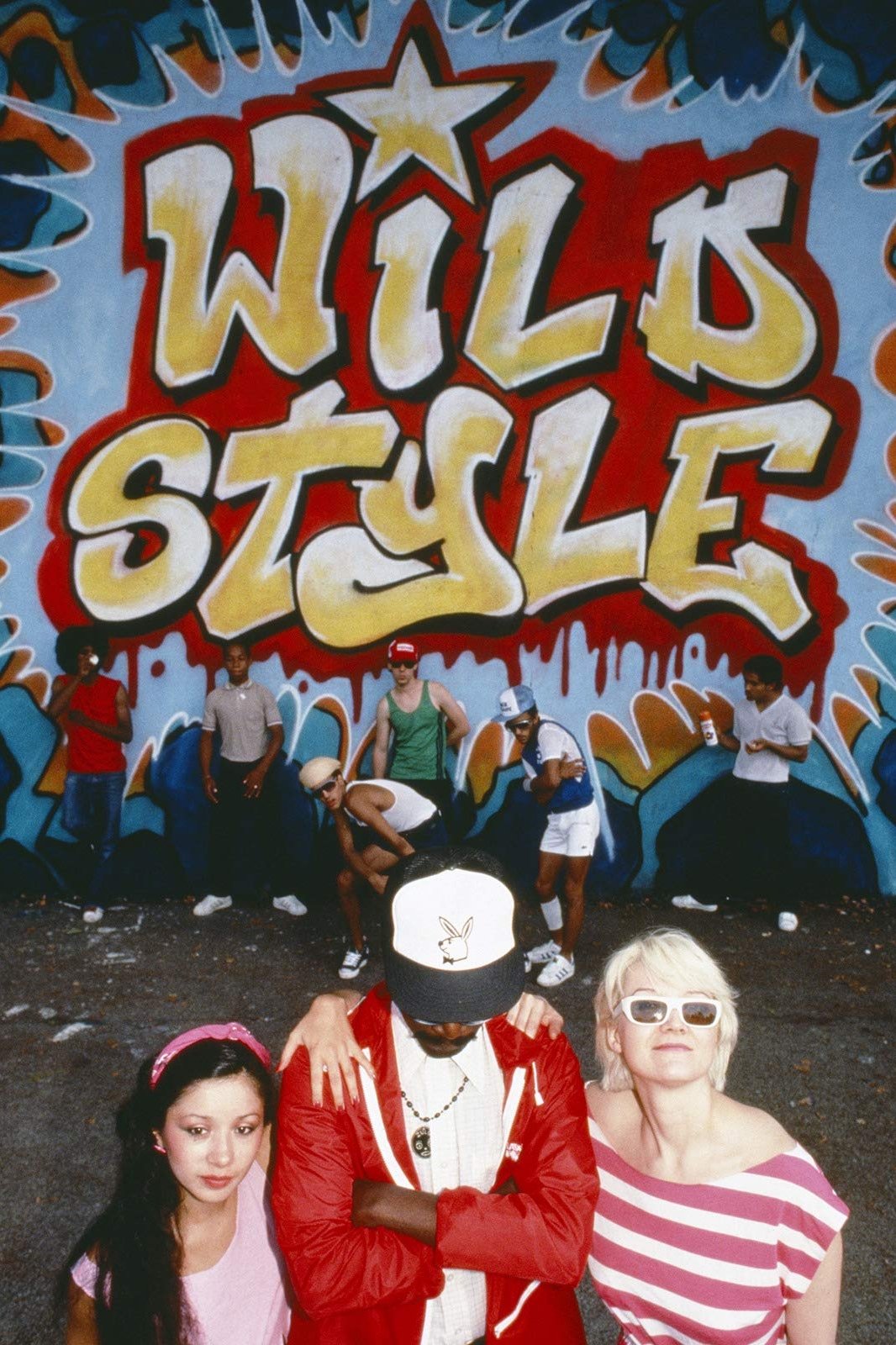
Wild Style
1983 film by Charlie Ahearn
urban culture
culture of cities
street fighting
A type of hand-to-hand combat

block party
community gathering in celebration

street magic
genre of magic performance

Špancirfest
thumb|right|320px|"Špancirfest" inscription in giant letters
thumb|right|320px|People in costumes walking at Špancirfest in 2008.
thumb|right|250px|People in costumes walking at Špancirfest in 2008.
thumb|right|250px|People in costumes walking at Špancirfest in 2008.
Špancirfest () is a street festival which has been held every year since 1999 in Varaždin, Croatia, and lasts for 10 days.
Road skating
sport discipline
Braderie de Lille
annual flea market in France
street cry
song, rhyme, or patter used by vendors to advertise their wares
improvised weapon
object used as weapon, but not designed as weapon
Al Rasheed Street
street in Baghdad, Iraq
Tawuran
Tawuran (or tubir) is a form of customary mass street fighting between gangs of particular school related students in urban Indonesia, especially in the capital city Jakarta. It is practised largely by males in their junior or senior year of high school. This is also popular around Greater Jakarta, where schools often form factions or groups to oppose each other. It's not uncommon for multiple schools to be involved in a single campaign.
Zelný trh
marketplace in Brno
flower seller
trade or occupation, selling flowers
costermonger
thumb|"Mush-fakers" and ginger-beer makers at Clapham Common, 1877 by John Thomson
A costermonger, coster, or costard is a street seller of fruit and vegetables in British towns. The term is derived from the words costard (a medieval variety of apple) and monger (seller), and later came to be used to describe hawkers in general. Some historians have noted a class hierarchy in which the costermonger sold from a handcart or animal-drawn cart, while the lower-level hawker carried wares in a basket.
Street marketing
Kind of unconventional marketing or promoting