Category
page 1Suicides by self-immolation

Jan Palach
Czech student who killed himself by self-immolation in protest (1948–1969)

Sati
first consort of the Hindu god Shiva

Thích Quảng Đức
Vietnamese monk who self-immolated in 1963

Mohamed Bouazizi
Tunisian street vendor
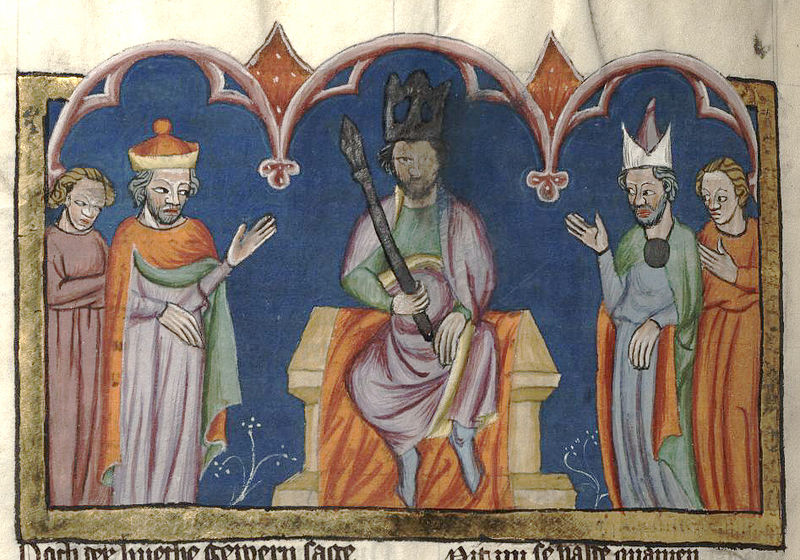
Zimri
king of Israel, with a reign of seven days; chariot commander who murdered king Elah, and succeeded him, but was overthrown by the army

Albert Razin
Russian ethnographer and Udmurt language activist

Shamash-shum-ukin
Šamaš-šuma-ukin ( or , meaning "Shamash has established the name"), was king of Babylon as a vassal of the Neo-Assyrian Empire from 668 BC to his death in 648. Born into the Assyrian royal family, Šamaš-šuma-ukin was the son of the Neo-Assyrian king Esarhaddon and the elder brother of Esarhaddon's successor Ashurbanipal.
Ryszard Siwiec
Polish patriot (1909–1968)
Romas Kalanta
Soviet dissident (1953–1972)
Homa Darabi
Iranian activist

Sardanapalus
thumb|right|300px|Eugène Delacroix. [[The Death of Sardanapalus. Oil on canvas. 12 ft 1 in x 16 ft 3 in. Louvre.]]
thumbnail|Lantern slide given the title "Sardanapalus" by [[William Henry Goodyear. Brooklyn Museum Archives, Goodyear Archival Collection]]
According to the Greek writer Ctesias, Sardanapalus ( ; ), sometimes spelled Sardanapallus (), was the last king of Assyria, although in fact Aššur-uballiṭ II (612–605 BC) holds that distinction.
Jan Zajíc
Czechoslovak protester (1950–1969)
Mariia Fedosiivna Vetrova
Ukrainian teacher and revolutionary (1870-1897)
Calanus
Kalanos, also spelled Calanus () ( – 323 BCE), was an ancient Indian gymnosophist, a Brahmin sage , and philosopher from Taxila who accompanied Alexander the Great and was his teacher. He accompanied Alexander the Great to Persis and, after falling ill, immolated himself by entering a pyre in front of Alexander's army. Diodorus Siculus called him Caranus ().
Sahar Khodayari
Iranian football fan
Peregrinus Proteus
2nd century Greek Cynic philosopher
Irina Slavina
Russian journalist
Vasyl Makukh
Ukrainian nationalist activist (1927-1968)

Revatī
Revati () is a goddess featured in Hindu scriptures. She is King Kakudmi's daughter and Krishna's elder brother Balarama's consort, and one of the Dashavatara. Her account is given within a number of Hindu texts such as the Mahabharata and the Bhagavata Purana.
Kentaro Kawatsu
swimmer (1914-1970)
Musa Mamut
Crimean Tatar who committed self-immolation

Alfredo Ormando
Italian writer and gay rights activist (1958–1998)
Artin Penik
Turkish-Armenian who burned himself in protest of ASALA terrorist attacks on Turks
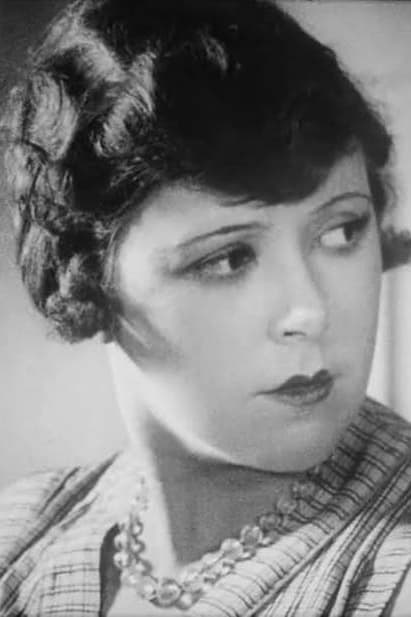
Simone Mareuil
actress (1903-1954)

Oskar Brüsewitz
german protestant Priest (1929–1976) in the former GDR
Piotr Szczęsny
Polish chemist
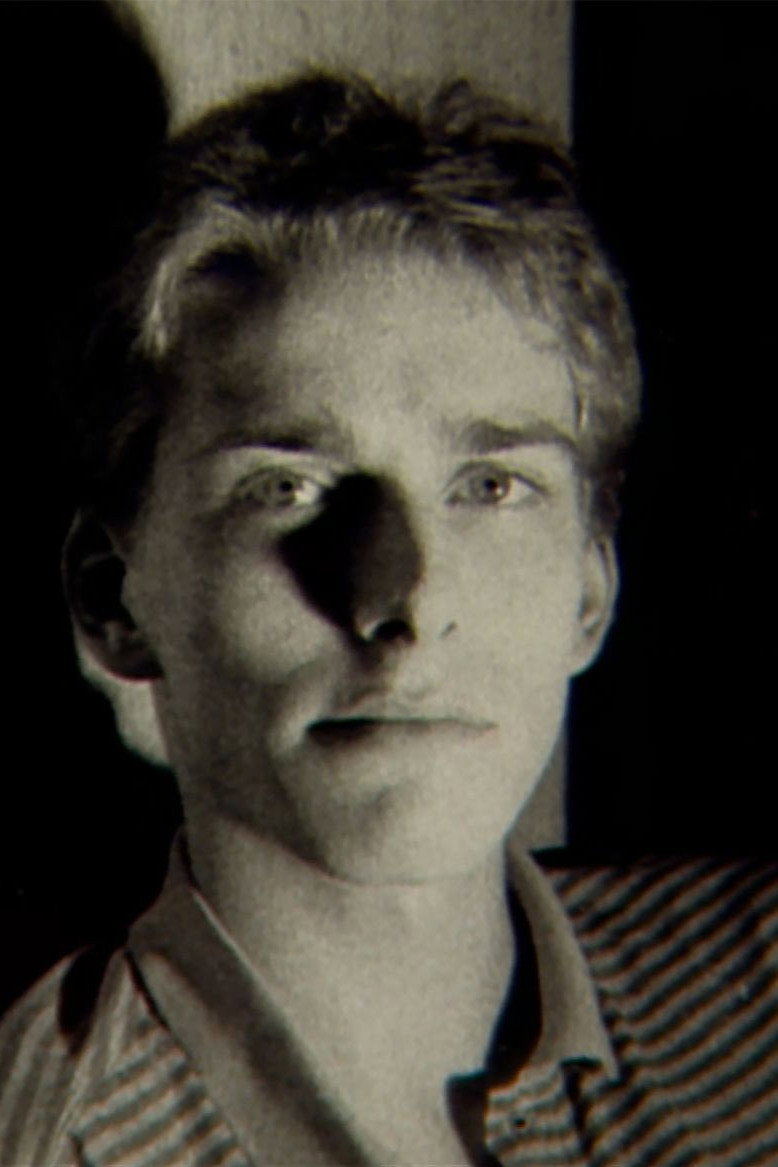
Karl Koch
German hacker (1965-1989)
Jorge Selarón
Brazilian painter
Plamen Goranov
Bulgarian rights activist
Oleksa Hirnyk
Ukrainian dissident (1912–1978)
Semra Ertan
Turkish poet and writer (1956–1982)
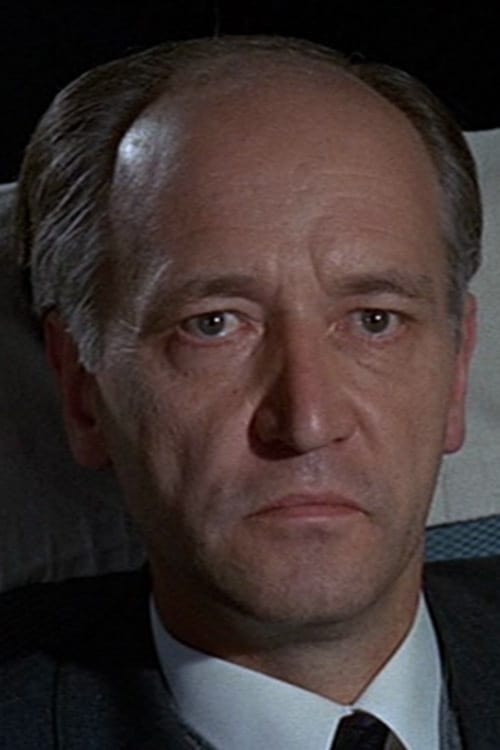
Per-Axel Arosenius
Swedish actor (1920–1981)
Evžen Plocek
Czech activist
Nhat Chi Mai
Vietnamese nun (1934-1967)
Nizar Issaoui
Tunisian association football player (1987–2023)
Lê Duy Mật
Vietnamese rebel leader
Neda Hassani
Iranian suicide victim

Mata Rani Bhatiyani
hindu goddess
Kostas Georgakis
Greek activist and anti-dictatorship martyr (1948-1970)
Boges
thumb|upright=1.35|The ancient Persian fort at Eion (left) and the mouth of the Strymon (right), seen from Ennea Hodoi ([[Amphipolis).]]
Edgar Mittelholzer
Guyanese writer
Vytautas Vičiulis
Lithuanian artist (1951–1989)
Karol Levittoux
Polish independence activist
Zarmanochegas
Zarmanochegas (; according to Strabo) or Zarmarus (according to Dio Cassius) was a gymnosophist (naked philosopher), a monk of the Sramana tradition (possibly, but not necessarily a Buddhist) who, according to ancient historians such as Strabo and Dio Cassius, met Nicholas of Damascus in Antioch in the first years of Augustus' rule over the Roman Empire, and shortly thereafter proceeded to Athens where he burnt himself to death. He is estimated to have died in 19 BC.