Category
page 1Superclasses (biology)

Osteichthyes
Osteichthyes ( ; ), also known as osteichthyans or commonly referred to as the bony fish, is a diverse clade of vertebrate animals that have endoskeletons primarily composed of bone tissue, encompassing both the conventional bony fishes and, in a cladistic sense, all tetrapods. They can be contrasted with the Chondrichthyes (cartilaginous fish) and the extinct placoderms and acanthodians, which have endoskeletons primarily composed of cartilage. The vast majority of extant fish are members of Osteichthyes, being an extremely diverse and abundant group consisting of 45 orders, over 435 families

Cyclostomi
Cyclostomi, often referred to as Cyclostomata (, from Ancient Greek κύκλος (kúklos), meaning "circle", and στόμα (stóma), meaning "mouth", and thus, "circular mouth")
Eurotatoria
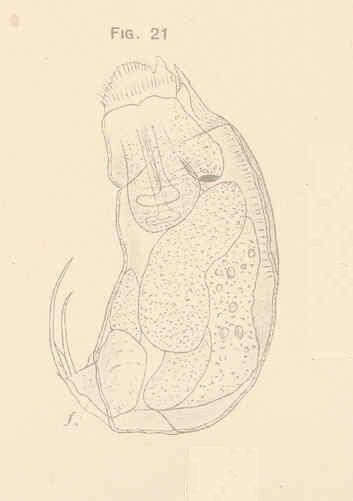
Eurotatoria is a superclass of rotifers.
Oligostraca
Oligostraca is a superclass of crustaceans. It consists of the following classes:
Allotriocarida
Allotriocarida (from classical Greek ''/allotrios'' 'different, foreign' and ''/karis'' 'shrimp, crustacean') is a clade of Pancrustacea, containing Hexapoda (all insects, springtails & their close relatives). It also contains three non-hexapod classes: Remipedia (blind, venomous crustaceans), Cephalocarida (translucent aquatic detrivores), and Branchiopoda (freshwater, non-decapod 'shrimp'). One study also found the Copepoda to be part of Allotriocarida.
Reticulofilosa
Reticulofilosa is a grouping of Rhizaria.
Monadofilosa
Monadofilosa is a grouping of Cercozoa. (It is sometimes considered one of three, the other two being Endomyxa and Reticulofilosa.) These organisms are single-celled amoeboid protists.
Dinokaryota
Dinokaryota is a main grouping of dinoflagellates. They include all species where the nucleus remains a dinokaryon throughout the entire cell cycle, which is typically dominated by the haploid stage. All the "typical" dinoflagellates, such as Peridinium and Gymnodinium, belong here. Others are more unusual, including some that are colonial, amoeboid, or parasitic. Symbiodinium contains the symbiotic zooxanthellae.