Category
page 1Superstitions

magic
rituals or actions employed to manipulate natural or supernatural beings and forces

superstition
thumb|Witch-hunting is commonly motivated by religious superstition; pictured is an imaginative depiction of the [[Salem Witch Trials|240x240px]]
A superstition is any belief or practice considered by non-practitioners to be irrational or supernatural. It is commonly applied to beliefs and practices surrounding luck, fate, magic, amulets, astrology, fortune telling, spirits, and certain paranormal entities, particularly the belief that future events can be foretold by specific unrelated prior events.

witchcraft
thumb|Depiction of witchcraft in John William Waterhouse's painting The Magic Circle (1886)

curse
thumb|right|220px|A woman performs a cursing ritual (Hokusai)
A curse (also called an imprecation, malediction, execration, malison, anathema, or commination) is any expressed wish that some form of adversity or misfortune will befall or attach to one or more persons, a place, or an object. In particular, "curse" may refer to such a wish or pronouncement made effective by a supernatural or spiritual power, such as a god or gods, a spirit, or a natural force, or else as a kind of spell by magic (usually black magic or dark magic) or witchcraft; in the latter sense, a curse can also be called a

horoscope
A horoscope (or other commonly used names for the horoscope in English include natal chart, astrological chart, astro-chart, celestial map, sky-map, star-chart, cosmogram, vitasphere, radical chart, radix, chart wheel or simply chart) is an astrological chart or diagram representing the positions of the Sun, Moon, planets, astrological aspects and angles at the time of an event, such as the moment of a person's birth. The word horoscope is derived from the Greek words ōra and scopos meaning "time" and "observer" (horoskopos, pl. horoskopoi, or "marker(s) of the hour"). It is claimed by propone

feng shui
Chinese system of harmonizing everyone with the surrounding environment

evil eye
curse believed to be cast by a malevolent glare, causing many cultures to create measures against it

wish
thumb|A fairy offering wishes, illustration by John Bauer to Alfred Smedberg's The seven wishes

Flying Dutchman
legendary ghost ship

gargoyle
thumb|Gargoyles of Notre-Dame de Paris
thumb|Dragon-headed gargoyle of the Tallinn Town Hall, [[Estonia]]
thumb|Gargoyle of the Vasa Chapel at Wawel in [[Kraków, Poland]]

Ides of March
The Ides of March is the day on the Roman calendar marked as the Idus, roughly the midpoint of a month, of Martius, corresponding to 15 March on the Gregorian calendar. It was marked by several major religious observances. In 44 BC, it became notorious as the date of the assassination of Julius Caesar, which made the Ides of March a turning point in Roman history.
.jpg)
omen
thumb|Examples of omens from the Nuremberg Chronicle (1493): natural phenomena and unnatural births.
thumb|Manuscript of the mid-nineteenth century, possibly of S'gaw Karen people|Sgaw Karen origin, shows various appearances in the sun, the moon, clouds, etc., and indicates the primarily bad omens these appearances foretell. Explanations in English were added to this manuscript by a nineteenth-century American missionary.

Groundhog Day
Groundhog Day is a tradition observed regionally in the United States and Canada on February 2 of every year. It derives from the Pennsylvania Dutch superstition that if a groundhog emerges from its burrow on this day and sees its shadow, it will retreat to its den and winter will go on for six more weeks; if it does not see its shadow, spring will arrive early. In 2026, the shadow was seen by Punxsutawney Phil, auguring six more weeks of winter.
Hindu astrology
astrology originating from Ancient India
threshold
sill of a door
Vastu shastra
Architecture and design-related texts of India
miasma theory
obsolete medical theory about the transmission of disease through bad air

Mărțișor
thumb|200px|A sample generic Mărțișor
Mărțișor () is a tradition celebrated at the beginning of Spring in March, involving an object made from two intertwined red and white strings with hanging tassel. It is practiced in Romania and Moldova, and very similar to Martenitsa tradition in Bulgaria, Martinka in North Macedonia and traditions of other populations from Southeastern Europe.
Davy Jones' Locker
legend
Western astrology
system of astrology used in the Western world

Klabautermann
thumb|240px|right|upright|A Klabautermann on a ship
wishing well
well where wishes are thought to be granted
dead man's hand
poker hand said to have been held by Wild Bill Hickok when he was murdered
fear of frogs
phobia known as frog phobia or ranidaphobia
hail cannon
shock wave generator meant to prevent hail

Need-fire
thumb|300px|A drawing of a need-fire being kindled with a large Fire drill (tool)|fire drill.
thumb|300px|A modern Rodnovery need-fire drill in Russia
In European folklore, a need-fire (; , , , ) is a fire kindled by friction, which is lit in a ritual and used as protective magic against murrain (infectious diseases affecting cattle), plague and witchcraft. It was a tradition in parts of Europe, practiced by Germanic, Gaelic and Slavic peoples until the 19th century, and by Albanians until the 20th century.
Knocking on wood
apotropaic tradition believed to ward off evil
Powder of sympathy
protoscientific medical treatment and navigational aid
Old wives' tale
supposed truth which is actually spurious or a superstition

Pseudodoxia Epidemica
non-fiction work by Thomas Browne
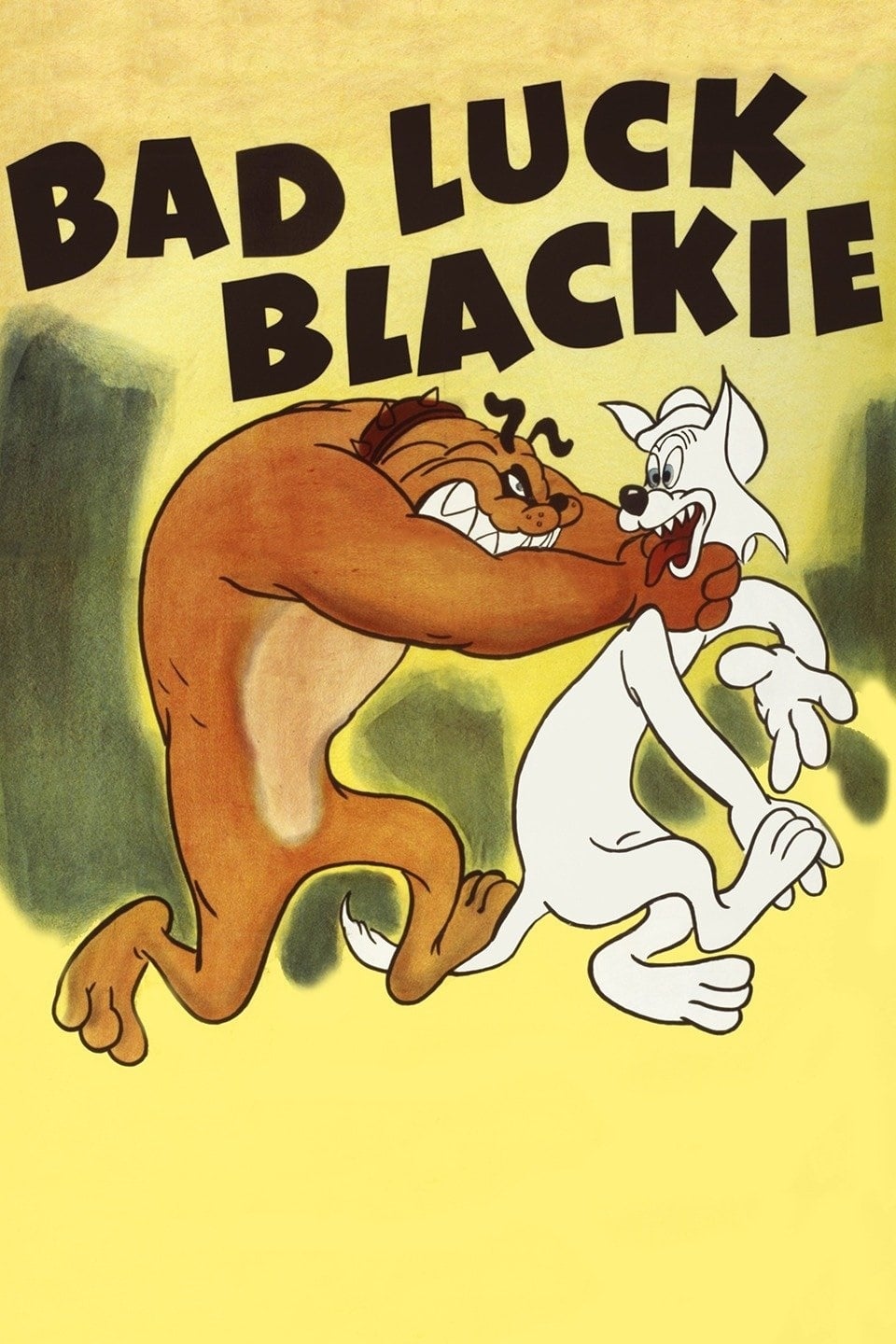
Bad Luck Blackie
1949 film by Tex Avery
witching hour
time of day when the devil, demons or ghosts are supposed to come out
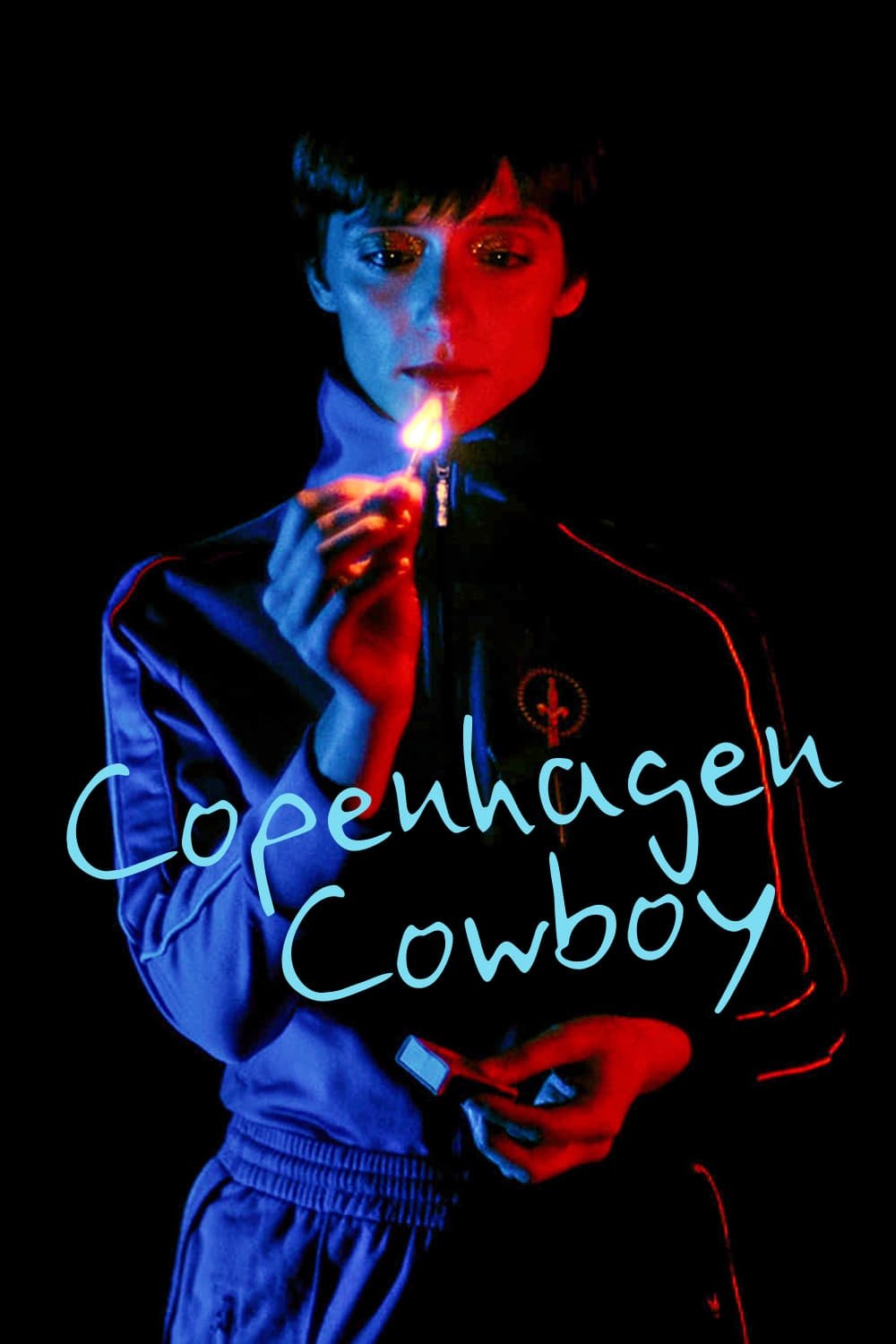
Copenhagen Cowboy
television series
superstition in India
widespread social issue in India
fear of ghosts
Phasmophobia
cooties
thumb|Cootie Game, a board game from 1918

The Three Sisters
Italian literary fairytale
lovelock
long lock of hair, ofter braided, resting over the left shoulder
mooncalf
A mooncalf (or moon-calf) is a monstrous birth, the abortive fetus of a cow or other farm animal. The term was occasionally applied to an abortive human fetus.
break a leg
English idiom used in theatre to wish a performer "good luck"
Sailors' superstitions
list of superstitions particular to sailors and boating
Toi toi toi
phrase
Spilling salt
European superstition holds that spilling salt is an evil omen