Category
page 1Surrealism

surrealism
Surrealism is an art and cultural movement that developed in Europe in the aftermath of World War I in which artists aimed to allow the unconscious mind to express itself, often resulting in the depiction of illogical or dreamlike scenes and ideas. Its intention was, according to leader André Breton, to "resolve the previously contradictory conditions of dream and reality into an absolute reality, a super-reality", or surreality. It produced works of painting, writing, photography, theatre, filmmaking, music, comedy and other media as well.

collaging
thumb|right|300px|Kurt Schwitters, Das Undbild, 1919, [[Staatsgalerie Stuttgart]]
Collage (, from the , "to glue" or "to stick together") is a technique of art creation, primarily used in the visual arts, by which art results from an assembly of different forms, thus creating a new whole. Collage may refer to the technique as a whole, or more specifically to a two-dimensional work, assembled from flat pieces on a flat substrate, whereas assemblage typically refers to a three-dimensional equivalent.

theatre of the absurd
theatrical genre
Edward James
British poet and arts patron (1907–1984)
Hélène Smith
French occultist (1861-1929)
Rotimi Fani-Kayode
Nigerian photographer (1955–1989)

Biomorphism
thumb|Biomorphic branching columns in Antoni Gaudí|Gaudí's monumental but still incomplete [[Sagrada Família church are modelled on trees.]]

surrealist film
film genre
Arturo Schwarz
Italian art historian (1924–2021)
Modern Two
Scottish National Gallery of Modern Art Two
cursed image
images perceived as mysterious or disturbing
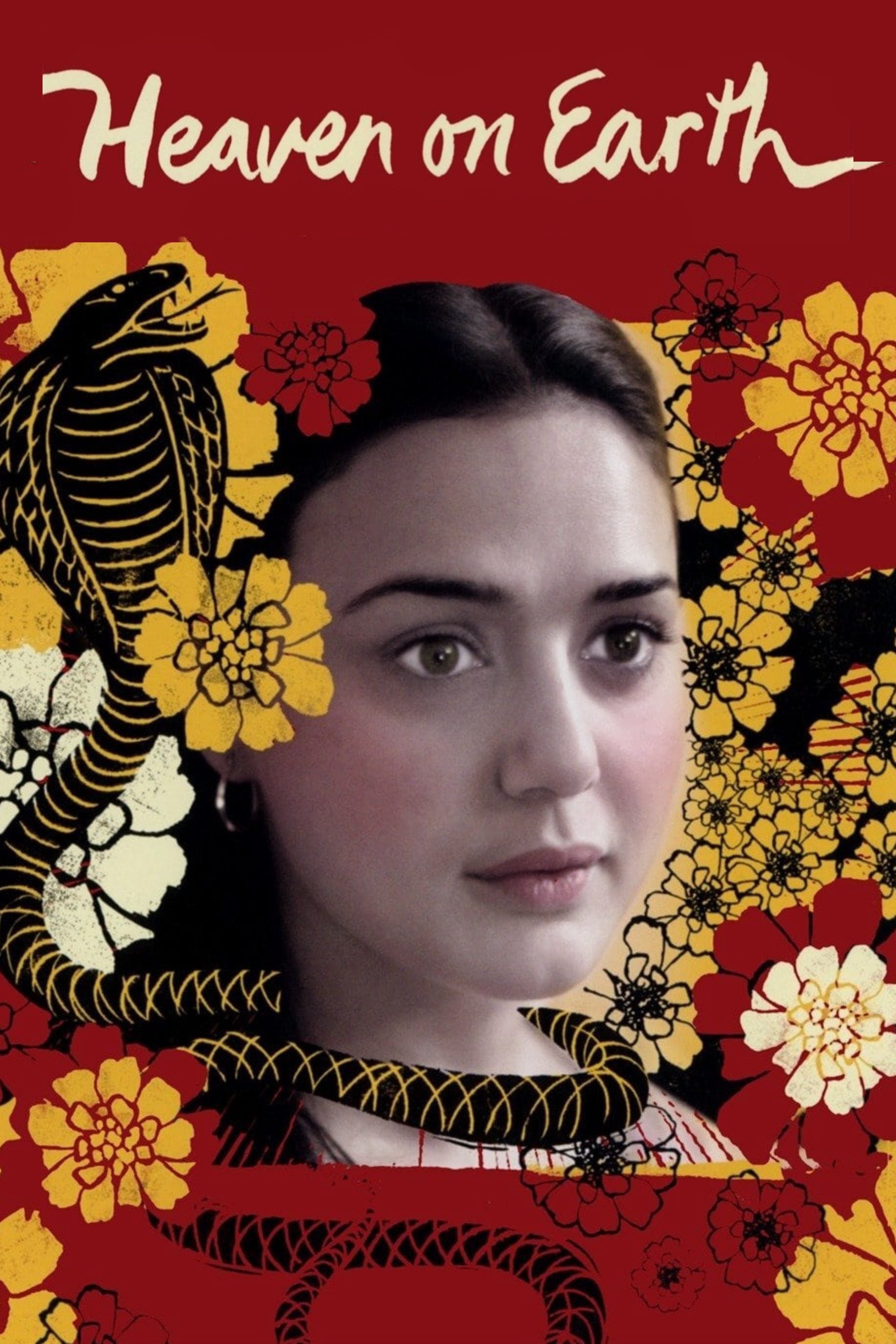
Heaven on Earth
2008 film by Deepa Mehta
Exposition Internationale du Surréalisme
1938 art exhibition in Paris
Juan Eduardo Cirlot
Spanish writer (1916–1973)
surrealist music
music genre
Saturday-morning cartoon
cartoons airing over TV on Saturday morning
College of Sociology
French social scientists
Postism
Postism (in Spanish Postismo) was a marginal literary and artistic movement whose name is a contraction of postsurrealismo ("post-surrealism"). As stated in the Second Manifesto, published in La Estafeta Literaria (special issue, 1946) and signed by Eduardo Chicharro Briones, Carlos Edmundo de Ory, and Silvano Sernesi.
London International Surrealist Exhibition
1936 exhibition
post-surrealism
Post-surrealism is a movement that arose in Southern California in 1934 when Helen Lundeberg and Lorser Feitelson wrote a manifesto explaining their desire to use art to convey the relationship between the perceptual and the conceptual.