Category
page 1Syndromes affecting the nervous system

Down syndrome
chromosomal condition

Guillain–Barré syndrome
autoimmune disease that causes the immune system to attack part of the peripheral nervous system

carpal tunnel syndrome
medical condition due to compression of the median nerve as it travels through the wrist at the carpal tunnel

Williams-Beuren syndrome
neurodevelopmental disorder caused by a deletion of around 27 genes in chromosome 7, characterized by a broad forehead, underdeveloped chin, short nose, full cheeks, challenges with visual tasks, increased empathy and decreased aggression
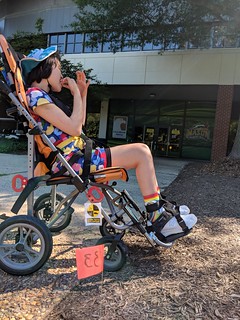
Rett syndrome
genetic brain disorder

Angelman syndrome
genetic condition in humans
Korsakoff's syndrome
mental illness caused by a lack of thiamine in the brain
cri-du-chat syndrome
human medical condition

Patau syndrome
human disease
fragile X syndrome
congenital disorder of nervous system
stiff-person syndrome
rare neurologic disorder characterized by progressive rigidity and stiffness in truncal muscles, spasms, postural deformities, chronic pain, impaired mobility, and lumbar hyperlordosis
Charcot–Marie–Tooth disease
neuromuscular disease that is characterized by a slowly progressive degeneration of the muscles of the foot, lower leg, hand and forearm
Horner's syndrome
disease characterized by miosis (a constricted pupil), partial ptosis (a weak, droopy eyelid), apparent anhydrosis (decreased sweating), with apparent enophthalmos (inset eyeball)
cauda equina syndrome
nerve damage at the end of the spinal cord
antiphospholipid syndrome
human disease
Mobius syndrome
rare disease
Dandy-Walker syndrome
congenital disorder of nervous system
exploding head syndrome
syndrome where people perceive loud imagined noises when falling asleep or waking up
hereditary hemorrhagic telangiectasia
genetic disorder involving capillaries
Dravet syndrome
epilepsy characterized by frequent febrile seizures and with onset before 1 year
Gerstmann-Straussler-Scheinker syndrome
prion disease characterized by adult onset of memory loss, dementia, ataxia, and pathologic deposition of amyloid-like plaques in the brain
Lesch-Nyhan syndrome
rare genetic syndrome
Menkes disease
Human disease
Wernicke–Korsakoff syndrome
combined presence of Wernicke's encephalopathy (WE) and Korsakoff's syndrome
Werner syndrome
Lethal autosomal recessive disorder
Lennox-Gastaut sindrome
rare but severe childhood-onset epilepsy
Sturge–Weber syndrome
neurological and skin disorder associated with port-wine stains of the face, glaucoma, seizures, intellectual disability, and cerebral malformations
Zellweger syndrome
congenital disorder of nervous system

neurosyphilis
Neurosyphilis is the infection of the central nervous system by Treponema pallidum, the bacterium that causes the sexually transmitted infection syphilis. In the era of modern antibiotics, the majority of neurosyphilis cases have been reported in HIV-infected patients.
geniculate herpes zoster
disorder that is caused by the reactivation of varicella zoster virus in the geniculate ganglion, a nerve cell bundle of the facial nerve

ataxia telangiectasia
Ataxia–telangiectasia (AT or A–T), also referred to as ataxia–telangiectasia syndrome or Louis–Bar syndrome, is a rare, neurodegenerative disease causing severe disability. Ataxia refers to poor coordination and telangiectasia to small dilated blood vessels, both of which are hallmarks of the disease. A–T affects many parts of the body:
It impairs certain areas of the brain including the cerebellum, causing difficulty with movement and coordination.
It weakens the immune system, causing a predisposition to infection.
It prevents the repair of broken DNA, increasing the risk of cancer.
Klüver–Bucy syndrome
syndrome resulting from bilateral lesions of the medial temporal lobe
Bálint's syndrome
uncommon and incompletely understood triad of severe neuropsychological impairments
Bardet-Biedl syndrome
ciliopathic human genetic disorder that produces many effects and affects many body systems
Gerstmann syndrome
nervous system disease that results from damage located in left parietal lobe, has symptom agraphia, has symptom acalculia, has symptom finger agnosia
Cockayne syndrome
rare and fatal autosomal recessive neurodegenerative disorder
pantothenate kinase-associated neurodegeneration
neurodegeneration with brain iron accumulation that has_material_basis_in autosomal recessive inheritance of mutation in the PANK2 gene on chromosome 20p13
Smith-Lemli-Opitz syndrome
an inborn error of cholesterol synthesis, caused by a mutation in the enzyme 7-Dehydrocholesterol reductase
Sotos syndrome
autosomal recessive disease that occurs rarely and is characterized by excessive physical growth during the first 2 to 3 years of life
Ramsay Hunt syndrome
unrelated neurological syndromes described by James Ramsay Hunt
basal ganglia calcification
a rare, genetic neurological disorder characterized by abnormal deposits of calcium in areas of the brain that control movement
Adie syndrome
neurological disorder characterized by a tonically dilated pupil
Brown-Séquard syndrome
human disease
lateral medullary syndrome
neurological disorder causing a range of symptoms due to ischemia in the lateral part of the medulla oblongata in the brainstem
post-polio syndrome
group of potentially disabling signs and symptoms that appear decades after the initial poliomyelitis illness
Joubert syndrome
genetic disorder affecting the cerebellum
Aicardi syndrome
syndrome that is characterized by absence or underdeveloped tissue connecting the left and right halves of the brain, infantile spasms and chorioretinal lacunae, which are defects in the light-sensitive tissue at the back of the eye

abetalipoproteinemia
Abetalipoproteinemia (also known as: Bassen–Kornzweig syndrome, microsomal triglyceride transfer protein deficiency disease, MTP deficiency, and betalipoprotein deficiency syndrome) is a disorder characterized by abnormal absorption of fat and fat-soluble vitamins from food. It is caused by a mutation in microsomal triglyceride transfer protein resulting in deficiencies in the apolipoproteins B-48 and B-100, which are used in the synthesis and exportation of chylomicrons and VLDL respectively. It is not to be confused with familial dysbetalipoproteinemia.
Parinaud's syndrome
inability to move eyes up and down
posterior reversible encephalopathy syndrome
medical condition
Susac's syndrome
medical condition
Anton syndrome
Sjogren-Larsson syndrome
autosomal recessive form of ichthyosis apparent at birth
Melkersson-Rosenthal syndrome
rare neurological disorder characterized by recurring facial paralysis, swelling of the face and lips (usually the upper lip - cheilitis granulomatosis) and the development of folds and furrows in the tongue (fissured tongue)
Parry–Romberg syndrome
a rare disease characterized by progressive shrinkage and degeneration of the tissues beneath the skin, usually on only one side of the face (hemifacial atrophy) but occasionally extending to other parts of the body
Bloch-Sulzberger syndrome
genetic disorder that affects the skin, hair, teeth, nails, and central nervous system
caudal regression syndrome
congenital disorder in humans caused by abnormal fetal development of the lower spine
Frey syndrome
human disease
Aicardi-Goutieres syndrome
a rare genetic neurodevelopmental disorder
benign fasciculation syndrome
medical condition