Category
page 1Tatar culture

tubeteika
thumb|A Kazakhs|Kazakh tubeteika|right
A tubeteika (, in Northern Tajikistan, / , , , ; ) is a Russian word for many varieties of traditional Turkic caps. Tubeteikas are today worn in Tajikistan, Kazakhstan, Kyrgyzstan, and Uzbekistan, as well as in Muslim-populated regions of Russia (mainly Tatars) and Azerbaijan. The skullcap worn by Uzbeks and Uyghurs is called a doppa and has a square base. It was a popular headgear among children throughout the USSR during the 1940s and 1950s.

Sabantuy
Sabantuy is a Tatar, Idel-Uralian, Bashkir and Kazakh ('Sabantoy') summer festival, that dates back to the Volga Bulgarian epoch. At first Sabantuy was a festival of farmers in rural areas, but it later became a national holiday and now is widely celebrated in the cities. In 2012, Kazan Sabantuy was celebrated on June 23.
Moscow Cathedral Mosque
mosque in Moscow
Kurash
thumb|upright=0.8|Kurash on a Sabantuy
Näcip Cihanof
Soviet Tatar composer (1911-1988)
Al-Salam Mosque
mosque in Odesa, Ukraine
Zamoskvorechye District
human settlement in Central Administrative Okrug, Moscow, Russia
Old Mosque, Moscow
mosque in Moscow, Russia
Galiaskar Kamal Tatar Academic Theatre
leading Tatar theater in Kazan, Russia
Zayatulyak and Hïwhïlïw
Tstar and Bashkir folk epic
Tatar literature
literary works written in Tatar language
Tatnet
TatNet (short for "Tatar Internet") is the name Tatar-speaking Internet users commonly use for the segment of the Web about the Tatar people or Tatarstan. It includes webpages and websites in many languages.
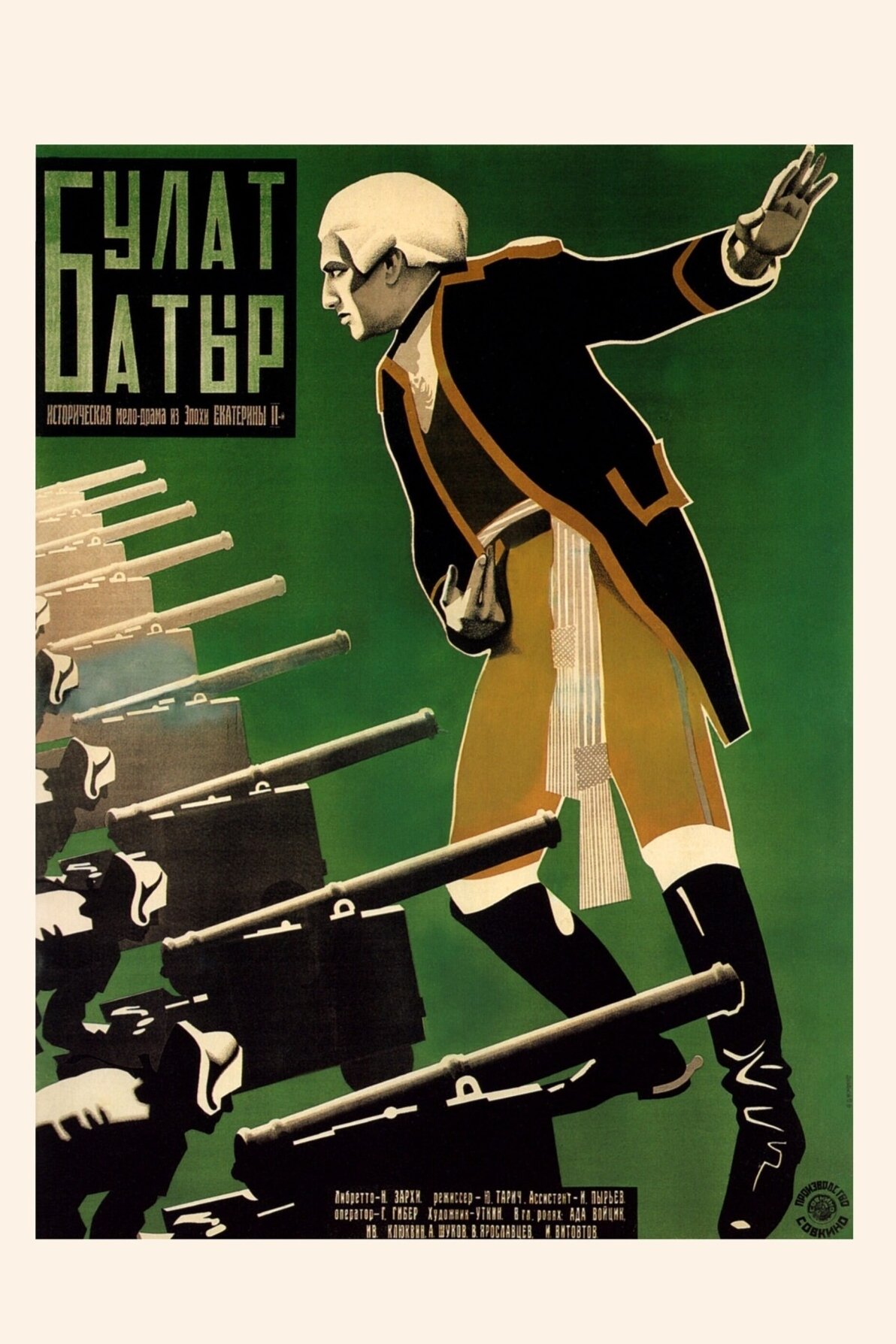
Bulat-Batır
Bulat-Batır or Bulat-batyr (Russian: Була́т-Баты́р, Tatar: بولات باتر) is a 1928 silent historical drama film, believed to be the first Tatar film and probably the only Tatar full-length feature silent film. The film was shot mostly in Kazan, and the Kazan Kremlin was one of its stills. The film is devoted to the Pugachev rebellion and its alternative names include Pugachyovshchina (), Flames on the Volga and Revolt in Kazan.
Tatar mosque
mosque with a minaret on the roof
Yeruslan Lazarevich
Russian folk-literature hero
Chepken
thumb|Cossack chekmen

Baki Urmanche
Tatar painter, sculptor and graphic artist (1897-1990)
Baltai
Baltai (Mordvin: Балта́й) is a traditional festival celebrated by the Mordvin people, predominantly in Tatarstan. The festival's name translates to Feast of Honey in the Tatar language, derived from the words bal meaning honey and tuy signifying a feast. Baltai is observed on the first Sunday following Whitsunday, marking the commencement of the mowing season. The festival is characterized by distinctive traditions, including the decoration of a bear with birch leaves and the performance of a round dance.
Hasan Hamidulla
writer (1895-1988)
Atalıq
Atalıq were tutors of a khan's children in the Golden Horde and later other Tatar khanates. In some cases they could rule regions or command units if the khan was a minor.