Category
page 1Taxa described in 1805
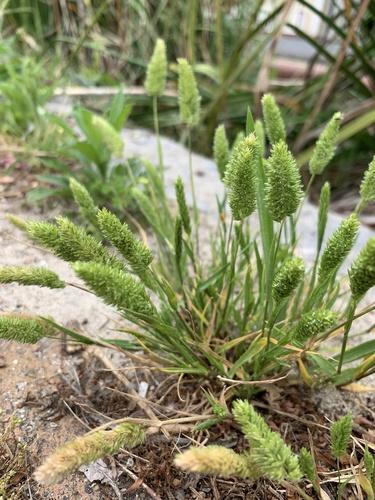
Trisetum
Trisetum is a genus of plants in the grass family, widespread in temperate, subarctic, and alpine habitats in much of the world. Oatgrass is a common name for plants in this genus.

Kalanchoe sect. Bryophyllum
Bryophyllum (from the Greek bryon/bryein = sprout, phyllon = leaf) is a group of plant species of the family Crassulaceae native to Madagascar. It is a section or subgenus within the genus Kalanchoe, and was formerly placed at the level of genus. This section is notable for vegetatively growing small plantlets on the fringes of the leaves; these eventually drop off and root. These plantlets arise from mitosis of meristematic-type tissue in notches in the leaves.

Fimbristylis
Fimbristylis is a genus of sedges. A plant in this genus may be known commonly as a fimbry or fimbristyle. There are over 300 species distributed worldwide. Several continents have native species but many species have been introduced to regions where they are not native. Some are considered weeds. These are typical sedges in appearance, with stiff, ridged stems and cone-shaped terminal panicles of spikelets. They are found in wet environments, and are most diverse in tropical and subtropical regions.
Erysiphe
Erysiphe is a genus of plant pathogenic fungi in the family Erysiphaceae. The species in this genus are known for causing powdery mildew.
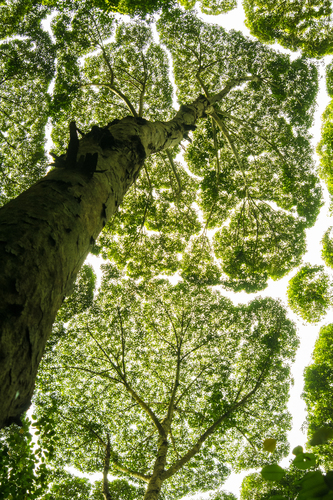
Dryobalanops
Dryobalanops is a genus of flowering plants and the genus of family Dipterocarpaceae. The name Dryobalanops is derived from Greek (dryas = a nymph associated with oaks and balanops = acorn) and describes the acorn-like nut. The genus has seven species, confined to the tropical forests of western Malesia (Sumatra, Peninsular Malaysia and Borneo). It is among the most abundant species of emergent trees in these forests, growing up to 80 m tall.
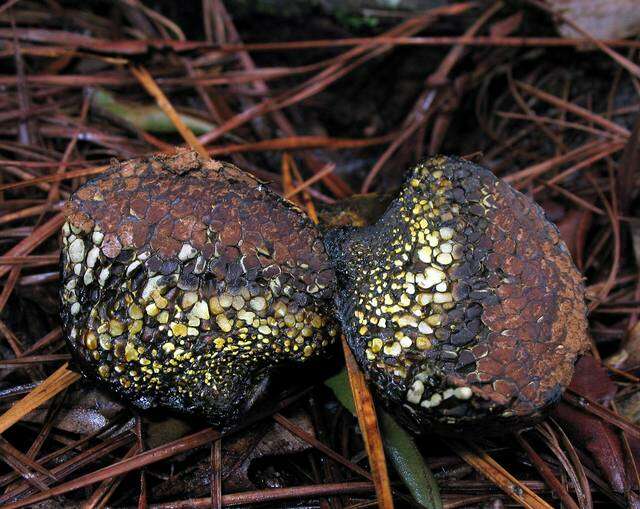
Pisolithus
Pisolithus is a genus of fungi within the family Sclerodermataceae (suborder Sclerodermatineae).

Ramonda
genus of plants
Pertusaria
Pertusaria is a large genus of warty crustose lichens in the Pertusariaceae family. The fruiting bodies are usually modified apothecia that immersed in warts on the main body (thallus) with small holes for the spores to emerge, similar to ostioles, or are fully above and lecanorine (spore bearing discs surrounded by a ring of tissue similar to the tissue of the thallus. Members of the genus are commonly called wart lichens.

Rhizocarpon
Rhizocarpon is a genus of crustose, saxicolous (or sometimes lichenicolous), lichens in the family Rhizocarpaceae. The genus is common in arctic-alpine environments, but also occurs throughout temperate, subtropical, and even tropical regions. They are commonly known as map lichens because of the prothallus forming border-like bands between colonies in some species, like the common map lichen (Rhizocarpon geographicum).
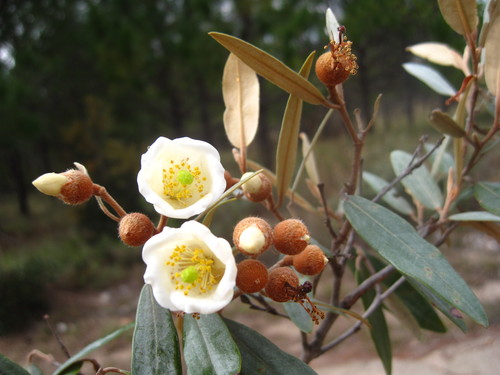
Sarcolaena
Sarcolaena is a genus of flowering plants in the family Sarcolaenaceae. This family is endemic to Madagascar. There are about 8 species in the genus.
Roccella
genus of fungi
Leptolaena
Leptolaena is a genus of flowering plants in the family Sarcolaenaceae. There are 9 species, all native to Madagascar.
Storena
Storena is a genus of ant spiders first described by Charles Athanase Walckenaer in 1805.
Microporus
Microporus is a genus of fungi in the family Polyporaceae. The genus has a widespread distribution and, according to a 2008 estimate, contains 11 species. The genus name combines the Ancient Greek words ("small") and ("pore").
Schizolaena
Schizolaena is a genus of trees and shrubs in the family Sarcolaenaceae. They are endemic to Madagascar.
Rhodolaena
Rhodolaena is a genus of trees and shrubs in the family Sarcolaenaceae. The species are all endemic to Madagascar. The monophyly of the genus is unresolved.
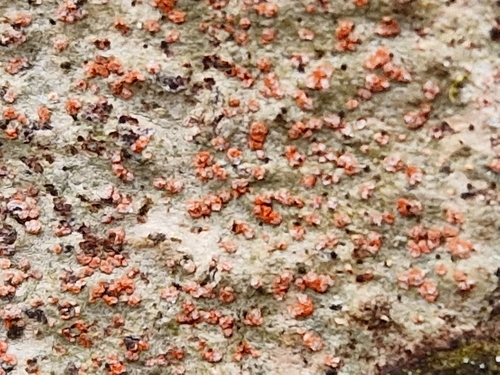
Coniocarpon
Coniocarpon is a genus of lichen-forming fungi in the family Arthoniaceae. It has eight species of corticolous (bark-dwelling) lichens. This genus is distinct for its crystalline orange, red, and purple quinoid pigments in the ascomata that turn purple in potassium hydroxide solution, its colourless, transversely septate ascospores with large apical cells, and its rounded to ascomata (fruiting bodies).