Category
page 1Taxa described in 1822
Amoeba
genus of Protozoa

Semnopithecus
Semnopithecus is a genus of Old World monkeys native to the Indian subcontinent, with all species with the exception of two being commonly known as gray langurs. Traditionally only the species Semnopithecus entellus was recognized, but since about 2001 additional species have been recognized. The taxonomy has been in flux, but currently eight species are recognized.

Archon
genus of swallowtail butterflies
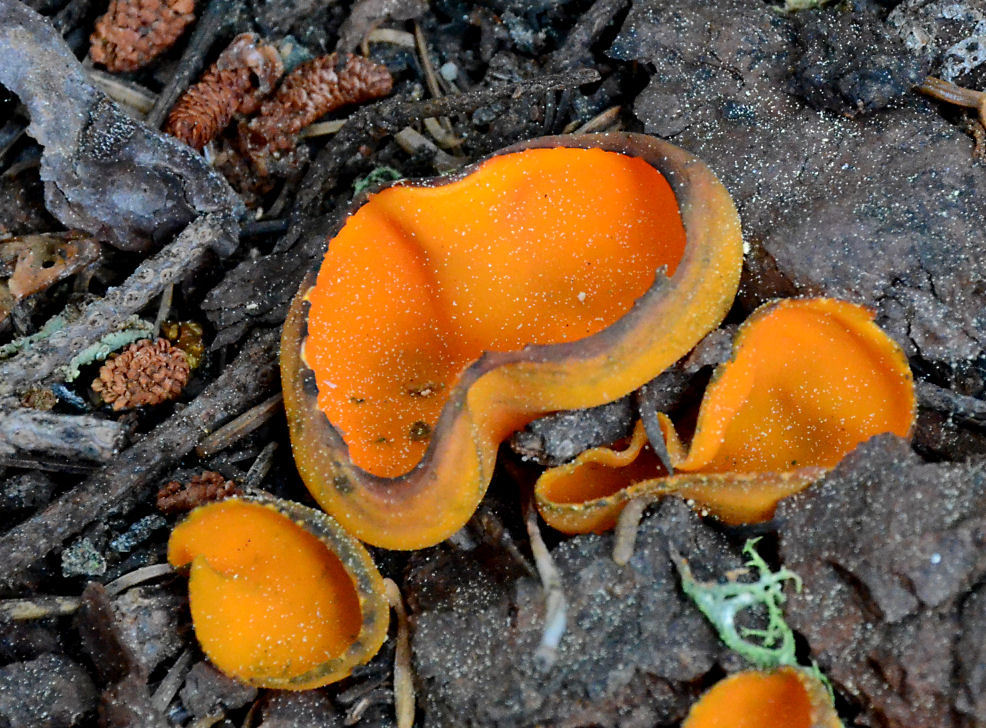
Caloscypha fulgens
Caloscypha is a fungal genus in the family Caloscyphaceae (order Pezizales). A monotypic genus, it contains the single species Caloscypha fulgens, commonly known as the snowbank orange peel fungus, spring orange peel fungus, the golden cup, or the dazzling cup. It is a cup fungus, typically up to in diameter, with a bright to pale orange interior and orange; specimens that are old or bruised often have an olive-green discoloration, especially around the edges.
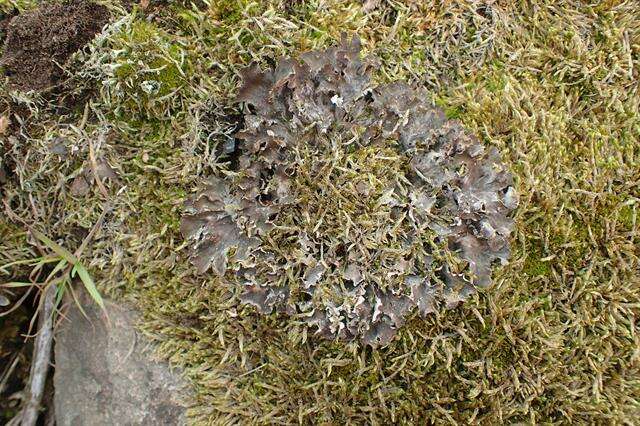
Peltigeraceae
The Peltigeraceae are a family of lichens in the order Peltigerales. The Peltigeraceae, which contains 15 genera and about 600 species, has recently (2018) been emended to include the families Lobariaceae and Nephromataceae. Many Peltigeraceae species have large and conspicuous, leathery thalli. They largely occur in cool-temperate to tropical montane climates. Tripartite thalli involving fungus, green algae and cyanobacteria are common in this family.

Helophilus
Helophilus are a diverse genus of moderate to large hoverflies, that appear somewhat bee-like. This genus comprises two subgenera: Helophilus and Pilinasica. Larvae filter-feed in organic rich water. All Helophilus adults have a distinctive lengthwise striped thorax and a transverse striped abdomen.
Carditidae
Carditidae is a family of marine bivalve clams of the order Carditida, which was long included in the Venerida. They are the type taxon of the superfamily Carditoidea.
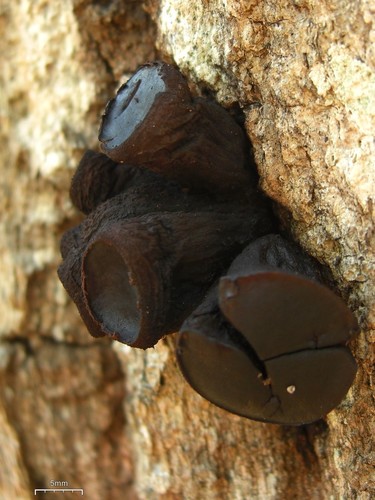
Bulgaria
genus of fungi
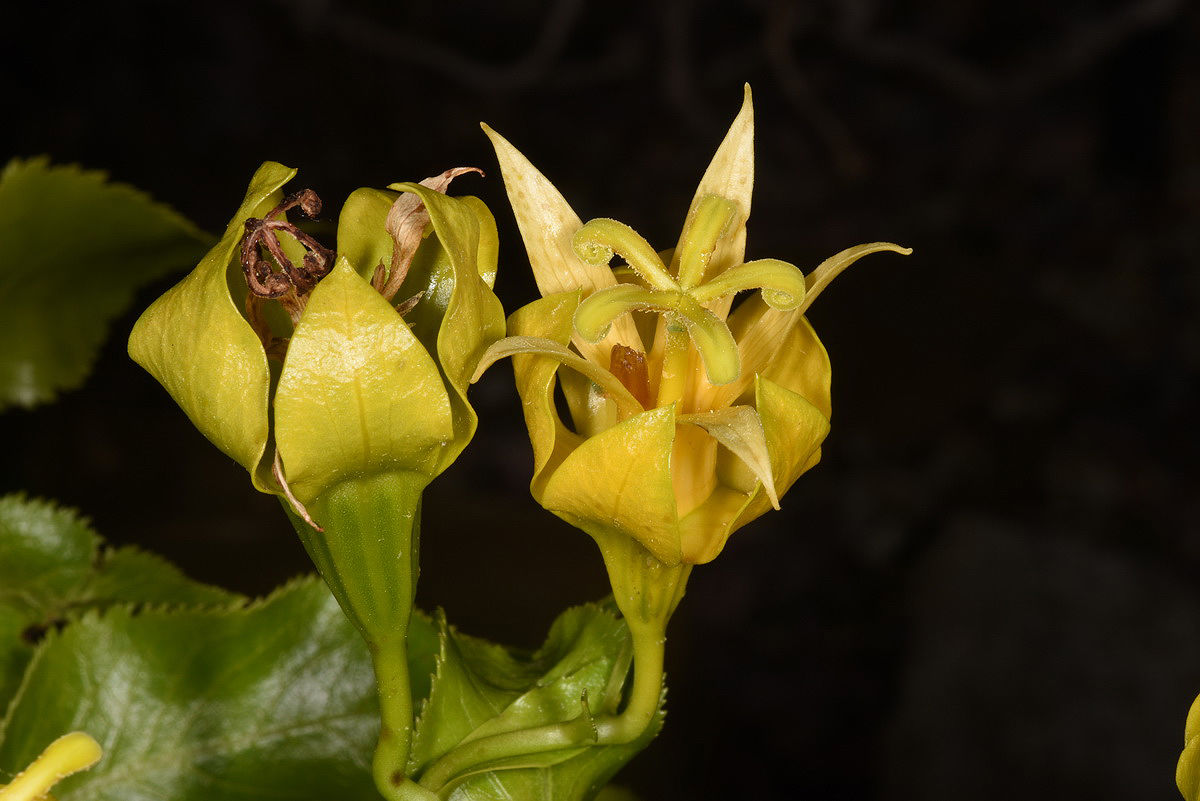
Musschia
Musschia is a genus of plants in the family Campanulaceae. It contains three known species, all endemic to the Madeira Archipelago in the eastern North Atlantic, part of the Republic of Portugal. The genus is named in honour of Jean-Henri Mussche (1765–1834), the head gardener of the botanical garden in Ghent.

Graphidaceae
The Graphidaceae are a family of lichen-forming fungi in the order Graphidales. The family contains nearly a hundred genera and more than 2000 species. Although the family has a cosmopolitan distribution, most Graphidaceae species occur in tropical regions, and typically grow on bark. These lichens are characterized by their crust-like growth form and typically partner with orange-pigmented Trentepohlia algae. Many species produce distinctive elongated, slit-like fruiting bodies, and some have unusually large ascospores that can begin germinating almost immediately upon release. The family ori
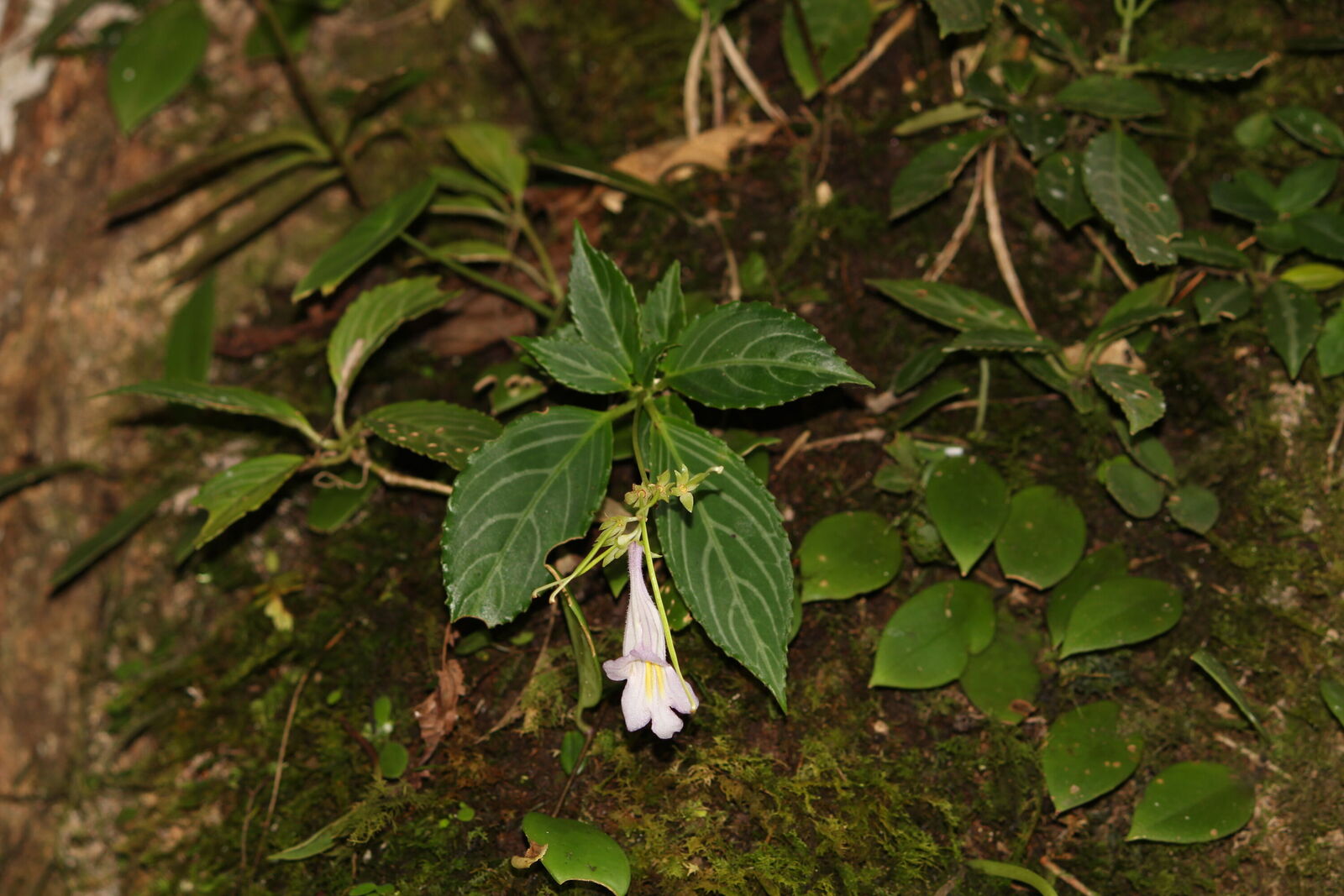
Lysionotus
Lysionotus is a genus of flowering plants in the family Gesneriaceae (subfamily Didymocarpoideae, tribe Trichosporeae). It occurs in the Himalayas, China, Japan, and Southeast Asia. The genus was described by David Don in 1822.
Cyphella
Cyphella is a genus of fungi in the family Cyphellaceae. A 2008 estimate placed about 300 species in the widely distributed genus.
==Selected species==
Cyphella digitalis
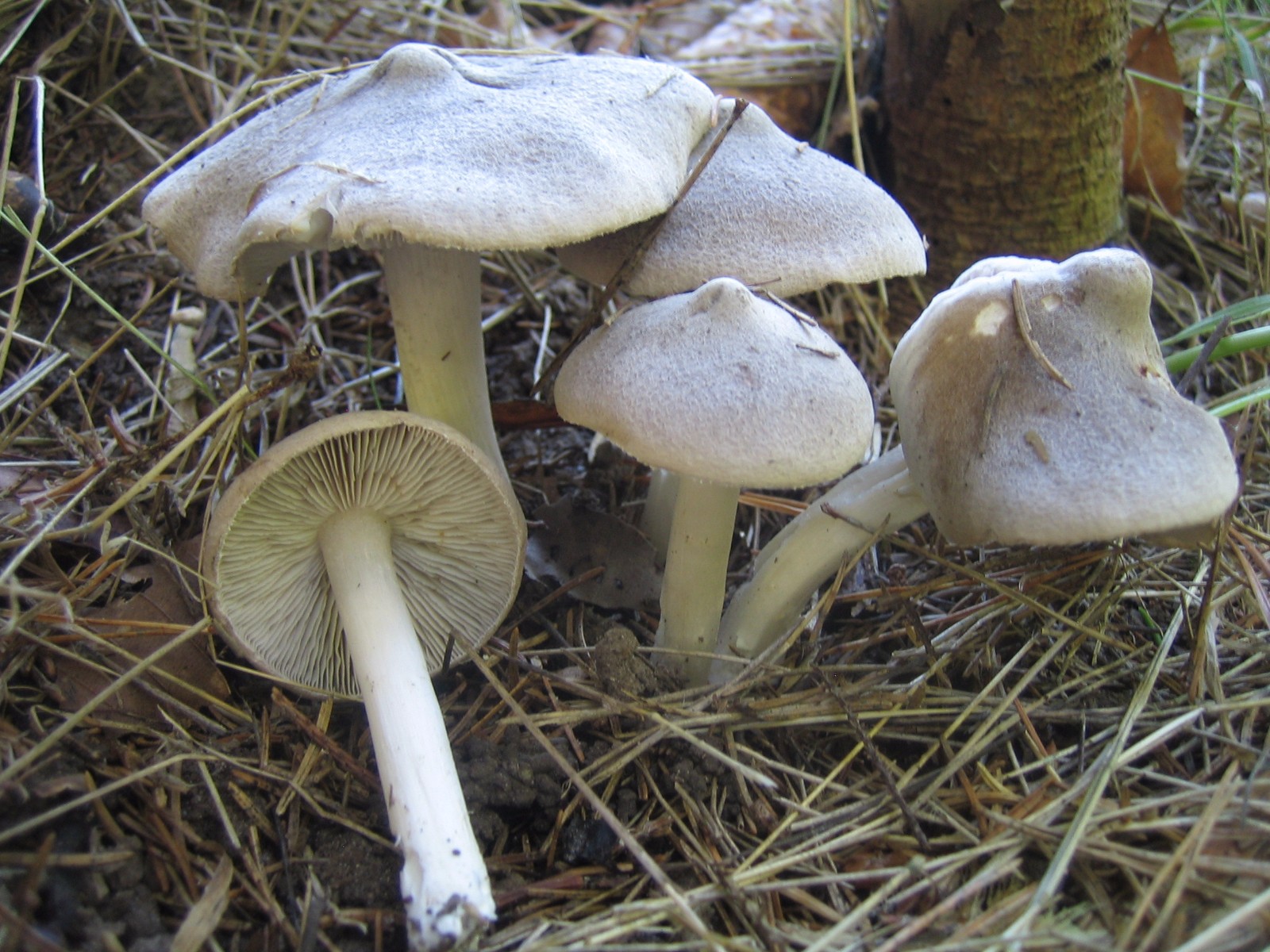
Ditiola
Ditiola is a genus of fungi in the family Dacrymycetaceae. The genus contains about 10 widely distributed species. Ditiola was circumscribed by Elias Fries in 1822.
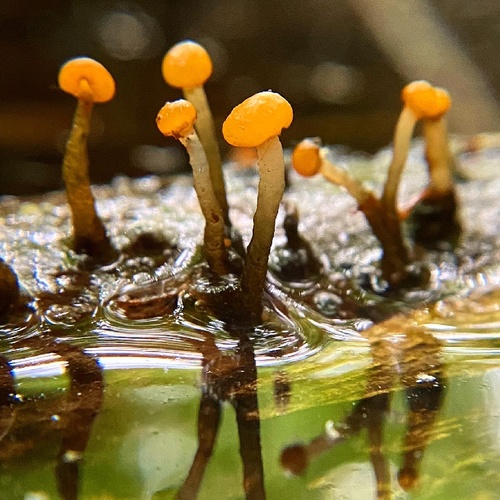
Vibrissea
Vibrissea is a genus of fungi in the family Vibrisseaceae. According to the Dictionary of the Fungi (10th edition, 2008), the widespread genus encompasses about 30 semiaquatic to aquatic species.
Cylindrosporium
Cylindrosporium is a genus of parasitic fungi. The genus includes several plant pathogens that cause leaf spot.
Xylographa
Xylographa is a genus of lichen-forming fungi in the family Xylographaceae. These lichens are commonly found growing on decaying wood, where they form thin, often nearly invisible crusts. The genus is most readily recognized by its distinctive elongated, slit-like fruiting bodies that follow the grain of the wood.
Dictyonema
Dictyonema is a genus of mainly tropical basidiolichens in the family Hygrophoraceae. Unlike most lichens, which contain fungi related to yeasts and molds, Dictyonema species contain fungi more closely related to mushrooms. The genus includes about 40 recognized species found mainly in tropical regions, ranging from lowland forests to high mountain elevations up to 4,300 meters in the Andes. These lichens come in various forms, from crusty patches to leaf-like structures to thread-like mats, and most grow on soil, rocks, moss, or rotting logs. One species from the Amazon rainforest has traditi
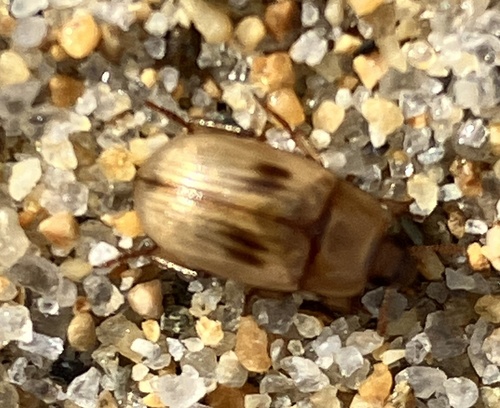
Phaleria
Phaleria is flowering plant genus of about 25 species in the family Thymelaeaceae, which range from Sri Lanka to Malesia, Papuasia, northern and eastern Australia, and the tropical Pacific Islands.
Patellaria
Patellaria is a genus of fungi in the family Patellariaceae. The genus was circumscribed in 1822 by mycologist Elias Magnus Fries with Patellaria atrata assigned as the type species.
Agyrium
Agyrium is a genus of saprophytic fungi in the family Agyriaceae. It probably evolved from a lichen ancestor, as it is closely related to many lichenized species of fungi.
Amphictene
Amphictene is a genus of polychaete worms in the family Pectinariidae, first described by Marie Jules César Savigny in 1822. The type species is Amphitrite auricoma Müller, 1776, currently accepted as Amphictene auricoma (O.F. Müller, 1776).
Myrtea
Myrtea is a genus of bivalves, marine gastropod molluscs in the family Lucinidae.