Category
page 1Taxa described in 1827
%20(33509386894).jpg)
Cladoniaceae
The Cladoniaceae are a family of lichen-forming fungi in the order Lecanorales, comprising about 560 species distributed amongst 18 genera. This family is one of the largest among lichen-forming fungi and is globally distributed, from Arctic tundra to tropical rainforests, favouring humid environments while being intolerant of arid conditions. Molecular phylogenetics has substantially advanced the understanding of their complex taxonomic history, revealing intricate evolutionary relationships and leading to a refined classification. Notable members include reindeer moss and cup lichens of the

Parmeliaceae
The Parmeliaceae is a large and diverse family of Lecanoromycetes. With over 2700 species in 71 genera, it is the largest family of lichen-forming fungi. The most speciose genera in the family are the well-known groups: Xanthoparmelia (822 species), Usnea (355 species), Parmotrema (255 species), and Hypotrachyna (262 species).
Rhodothamnus
Rhodothamnus is a genus of flowering plants in the family Ericaceae, disjunctly found in the Alps and Anatolia.

Verrucariaceae
The Verrucariaceae are a family of lichens and a few non-lichenised fungi in the order Verrucariales. The lichens have a wide variety of thallus forms, from crustose (crust-like) to foliose (bushy) and squamulose (scaly). Most of them grow on land, some in freshwater and a few in the sea. Many are free-living but there are some species that are parasites on other lichens, while one marine species always lives together with a leafy green alga.

Pentacalia
Pentacalia is a genus of flowering plants in the family Asteraceae. About 34 members of this genus appear to be located in the South American country Ecuador, where they are threatened by habitat loss. The genus contains approximately two hundred species, which are distributed from Mexico to northern South America.
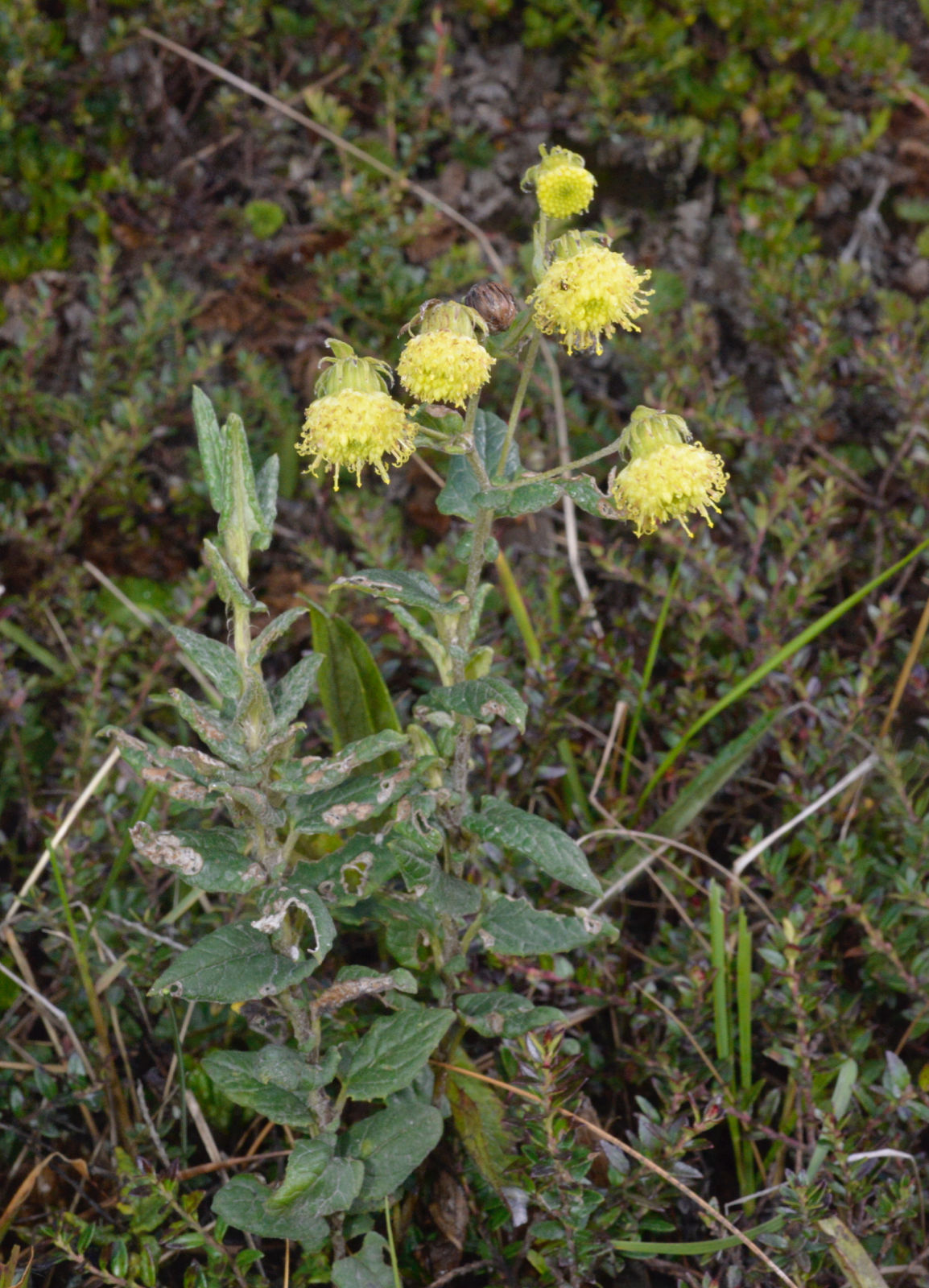
Aetheolaena
Aetheolaena is a genus of flowering plants in family Asteraceae. It includes 27 species native to high-elevation montane forest in the northern and central Andes, ranging from Venezuela through Colombia, Ecuador, and Peru to Bolivia.
Collemataceae
The Collemataceae are a family of mostly lichen-forming fungi in the order Peltigerales. The family contains twelve genera and about 325 species. The family has a widespread distribution.
Bobea
Bobea is a genus of flowering plants in the family Rubiaceae. It includes five species, four of which are endemic to Hawaii and one to eastern Queensland in Australia. Bobea was named for Jean-Baptiste Bobe-Moreau by Charles Gaudichaud-Beaupré in 1830 in his book ''Voyage de l'Uranie''.
Nyctelius
Nyctelius is a genus of skippers in the family Hesperiidae.
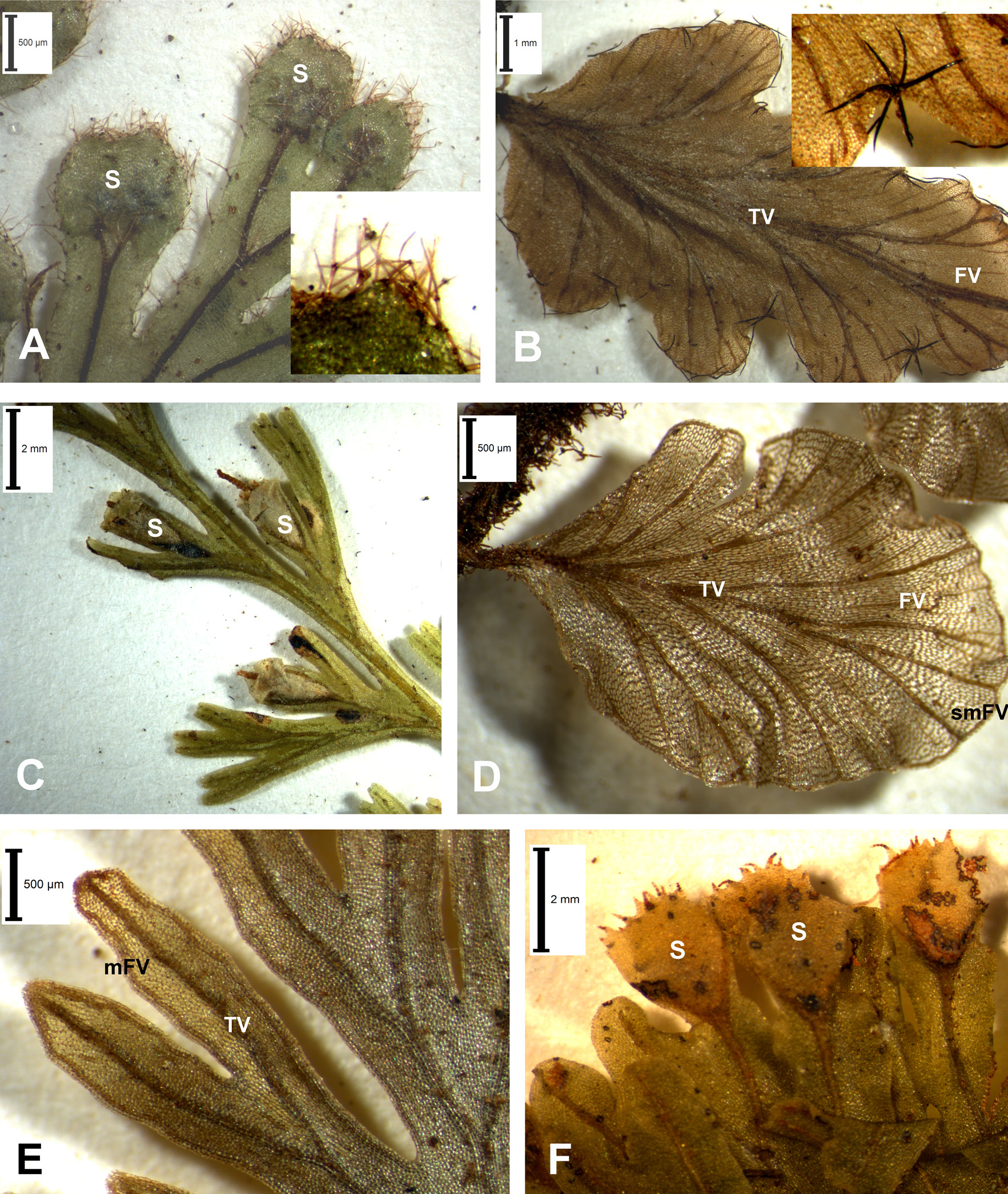
Didymoglossum
Didymoglossum is a tropical genus of ferns in the family Hymenophyllaceae. It comprises more than 30 epilithic or low-epiphytic species under two subgenera. The genus is accepted in the Pteridophyte Phylogeny Group classification of 2016 (PPG I), but not by some other sources which sink it into a broadly defined Trichomanes.
Sacoglottis
Sacoglottis is a genus of plant in family Humiriaceae. It includes several species of trees, native to tropical Central and South America and western and central Africa.
Coccocarpia
Coccocarpia is a genus of lichen-forming fungi in the family Coccocarpiaceae. Recent genetic studies suggest the genus originated in the Australasia–Oceania region during the Late Cretaceous period, roughly 76–100 million years ago, and later spread to Asia and the Americas. Some South American lineages are thought to have reached the continent via warm rainforest corridors that crossed Antarctica during the Palaeogene period, around 50–60 million years ago.
Limopsis
Limopsis is a genus of bivalves belonging to the family Limopsidae.