Category
page 1Taxa described in 1833
.jpg)
Coeligena
Coeligena is a genus of South American hummingbirds.
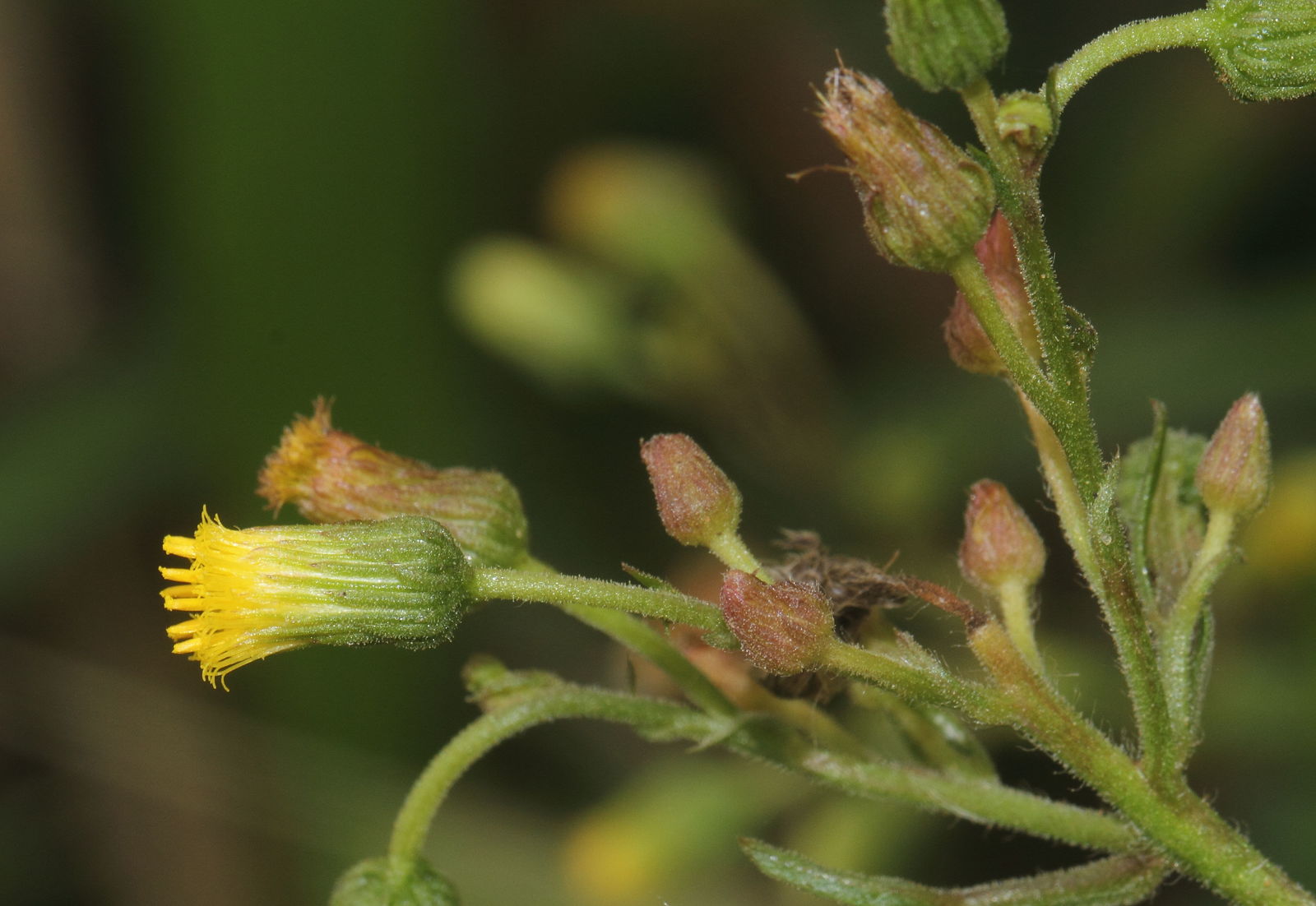
Blumea
Blumea is a genus of flowering plants of the family Asteraceae.

Anthocharis
Anthocharis is a holarctic genus of the butterfly tribe Anthocharini, in the family Pieridae. These are typically small, white-hued butterflies that have colorful marks just inside the tips of the forewings. The tip colors are usually a red-orange hue, hence the name "orange tip". The larvae of these butterfly often consume cruciferous plants containing chemicals called glucosinolates. This genus is characterized by two of the five subcostal veins branching off before the apex of the cell, by the upper radial being only little united with the subcostal, and by the central discocellular being r
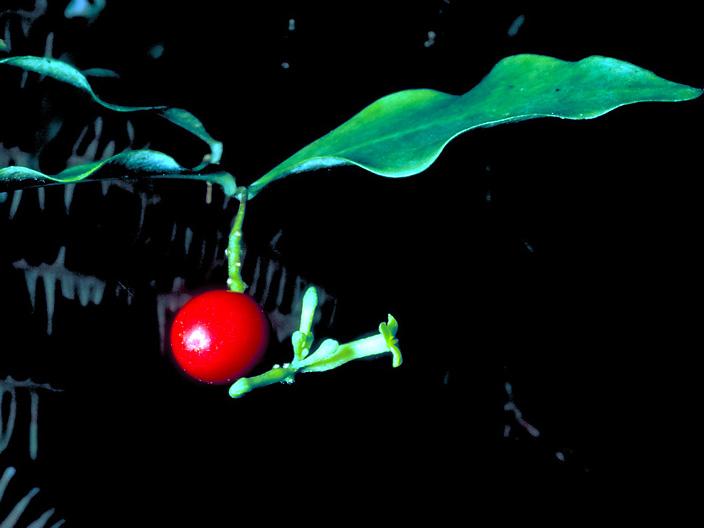
Wikstroemia
Wikstroemia is a genus of 93 species of flowering shrubs and small trees in the mezereon family, Thymelaeaceae. Hawaiian species are known by the common name ‘ākia.

Biblidinae
thumb|right|Red rim (Biblis hyperia: Biblidini)
thumb|right|Little banner, Nica flavilla
thumb|right|Panacea procilla: Ageroniini specimen underside
thumb|Dynamine athemon: Eubagini
thumb|Diaethria clymena, one of the eighty-eights formerly in "[[Catagramma" (now Callicorini)]]
Galagoides
genus of primate

Tristagma
Tristagma is a genus of South American plants in the onion subfamily with the Amaryllis family. It includes 17 species native to Peru, Argentina, and Chile in South America.
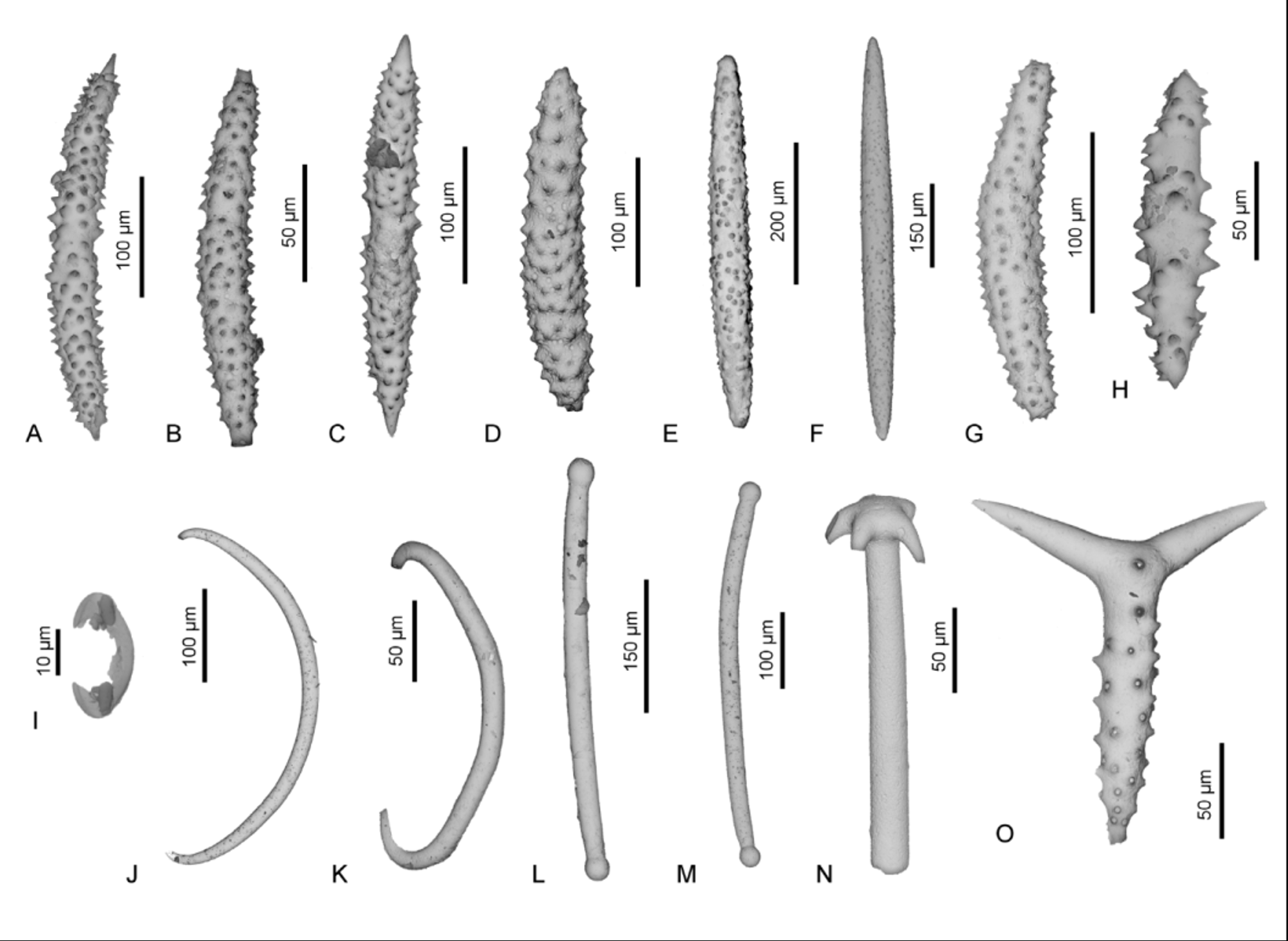
Raspailiidae
Raspailiidae is a family of sponges belonging to the order Axinellida.
Leuconia
Leuconia is a genus of calcareous sponges in the family Baeriidae. It was described by English anatomist and zoologist Robert Edmond Grant in 1833.
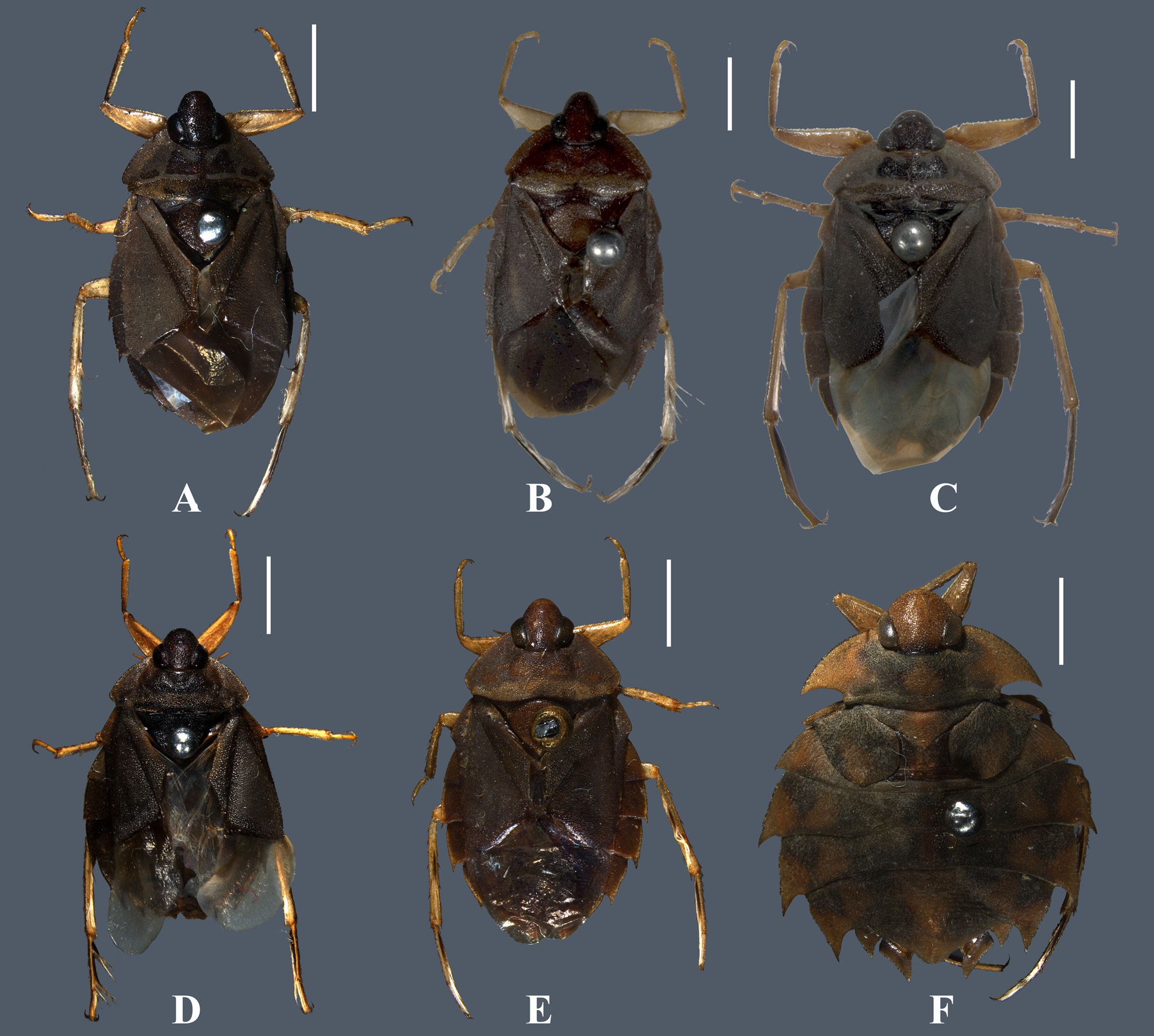
Aphelocheirus
Aphelocheirus is a genus of true bugs, the only genus belonging to the family Aphelocheiridae.

Lamproptera
Lamproptera is a genus of butterflies in the family Papilionidae and the tribe Leptocircini.
Stemphylium
Stemphylium is a genus of fungal plant pathogen.
Apollonias
Apollonias is a genus of flowering plants belonging to the laurel family, Lauraceae. The genus includes from zero to 10 species of evergreen trees and shrubs, depending on circumscription. Recent studies transferred the majority of species to Beilschmiedia. A recent phylogenetic study found that Apollonias barbjuana, native to the Canary Islands and Madeira, is nested in genus Persea, and has been renamed Persea barbujana. Apollonias arnottii, which is endemic to the Western Ghats of India, is considered an unplaced taxon by Plants of the World Online.
Hyphoderma
Hyphoderma is a genus of crust fungi in the family Hyphodermataceae. It was circumscribed by German botanist Karl Friedrich Wilhelm Wallroth in 1833.
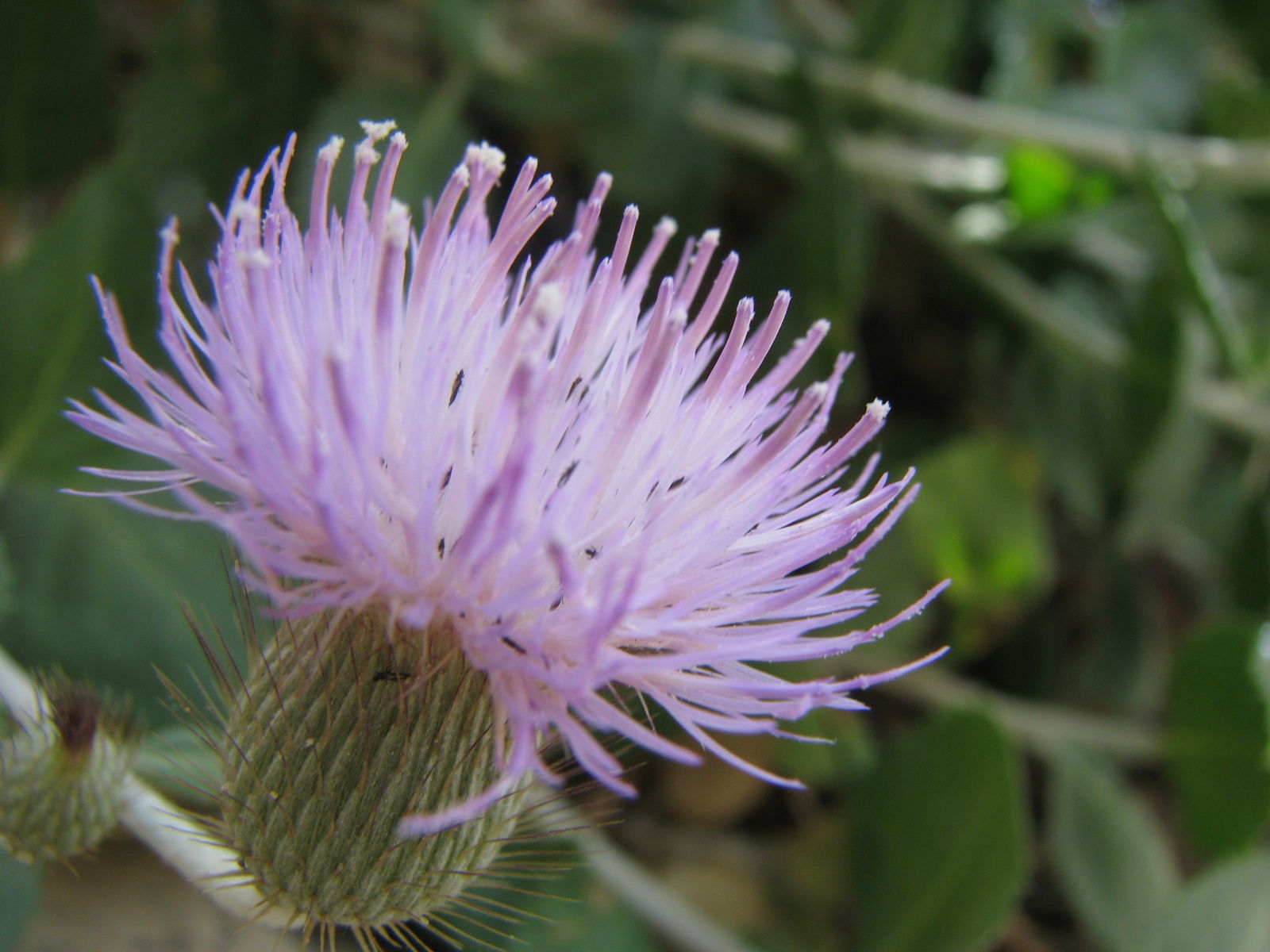
Tricholepis
Tricholepis is a genus of Asian flowering plants in the tribe Cardueae within the family Asteraceae.
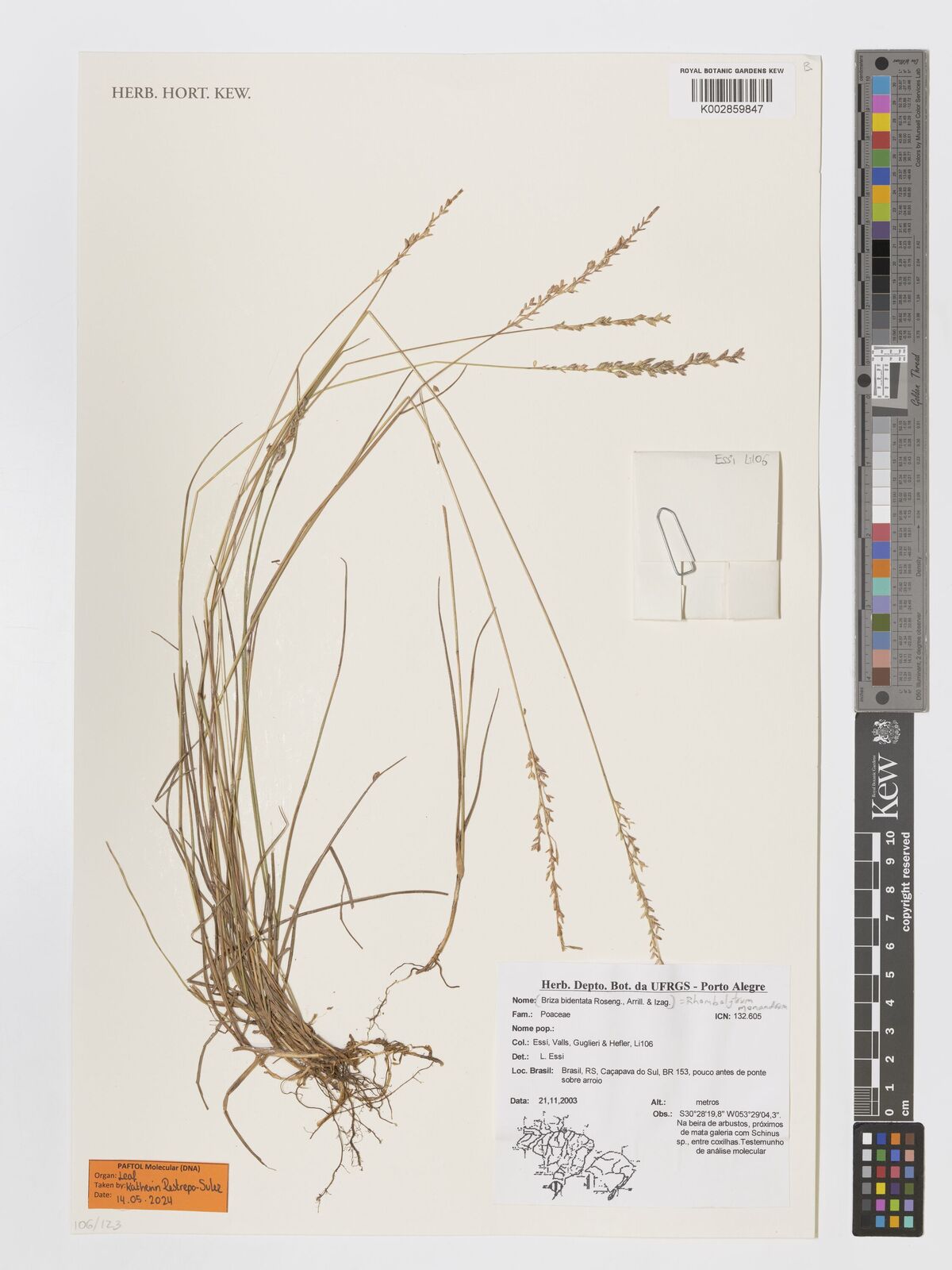
Rhombolytrum
Rhombolytrum is a genus of grasses. It includes three species native to southern Brazil and Uruguay and central and southern Chile.
Rhombolytrum koelerioides
Rhombolytrum monandrum
Rhombolytrum rhomboideum
Telenomus
Telenomus is a genus of parasitoid wasps belonging to the subfamily Telenominae. The genus was first described by Alexander Henry Haliday in 1833. Species in this genus parasitise the eggs or immature stages of other insects.
Raspailia
Raspailia is a genus of sponges in the class Demospongiae.
Ctenomorpha
Ctenomorpha is a genus of phasmids belonging to the family Phasmatidae.
Robinsonia
genus of plants
Mathewsia
Mathewsia is a genus of flowering plants in the family Brassicaceae. It includes six species native to Peru and northern and central Chile.
Endlicheria
Endlicheria is a neotropical plant genus consisting of approximately 60 species, occurring mostly in northern South America and the Amazon region. Most species are medium-sized trees, sometime up to 40 metres in height, but a few species are shrubs. DNA molecular data shows that it is closely related to Rhodostemonodaphne and Ocotea.
Spirostomum
Spirostomum is a genus of ciliated protists in the class Heterotrichea. It is known for being very contractile. Having been first identified by Christian Gottfried Ehrenberg in 1834, further research has identified eight additional true morphospecies. This bacterivore genus mainly lives in the sediment deposits at the bottom of various aquatic habitats, and members possess rquA genes that could be responsible for their ability to survive in these hypoxic and anoxic environments. They are identifiable by their relatively (to other ciliates) large tubular/flat vermiform bodies. Their life cycle
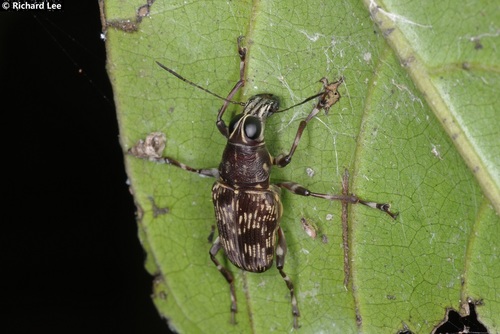
Acorynus
Acorynus is a large genus of weevils, described by Carl Johan Schönherr in 1833.
Chrysosporium
thumb | right | Chrysosporium spores
Chrysosporium is a genus of hyaline hyphomycetes fungi in the family Onygenaceae.
Adelius
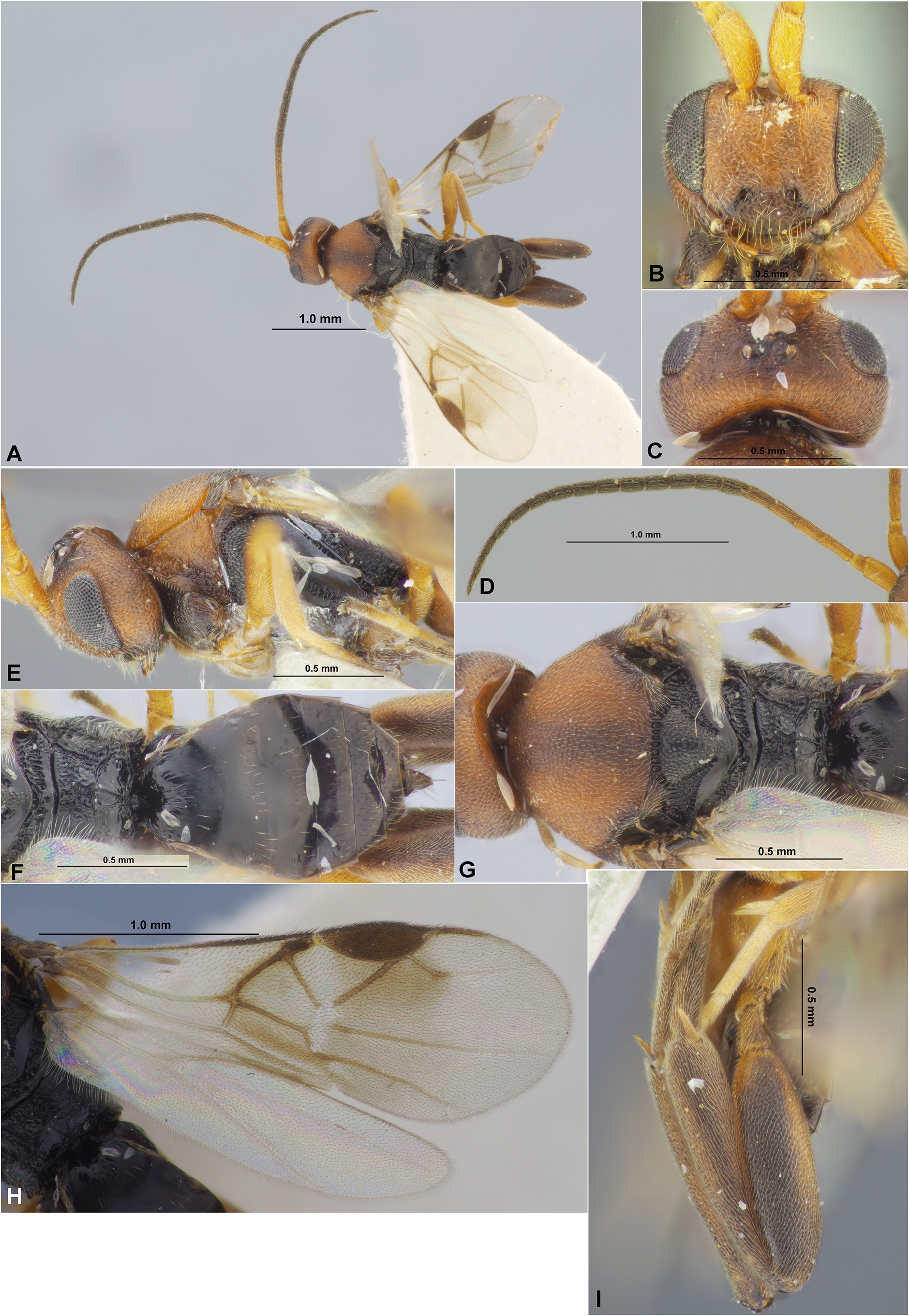
Adelius is a genus of parasitoid wasps in the family Braconidae, first described in 1833 by Alexander Henry Haliday.
Seimatosporium
Seimatosporium is a fungus genus within the family Sporocadaceae.
Typhlocyba
Typhlocyba is a genus of leafhoppers typical of the subfamily Typhlocybinae and tribe Typhlocybini, found worldwide: especially in the Palaearctic, Nearctic and Oriental realms.
Conoderinae
Conoderinae is a subfamily of true weevils in the beetle family Curculionidae. There are more than 210 genera in 15 tribes, and about 2,400 described species in Conoderinae, with a world-wide distribution.
Chorebus
Chorebus is a genus of parasitoid wasps in the family Braconidae. There are around 430 accepted species in the genus.
Diplognatha
Diplognatha is a genus of beetle belonging to the family Scarabaeidae, subfamily Cetoniinae.
Selenocephalus
genus of insects
Coptosoma
Coptosoma is a genus of true bugs belonging to the family Plataspidae, subfamily Plataspinae.
Alloea
genus of insects
Megophthalmus
Megophthalmus is the type genus of leafhoppers for the subfamily Megophthalminae and tribe Megophthalmini; it was erected by John Curtis in 1833.
Diapriinae
Diapriinae is a subfamily of parasitoid wasps.