Category
page 1Taxa described in 1836
%20(Ifremer%2000689-80077).jpg)
Noctiluca scintillans
Noctiluca is a genus of dinoflagellates in the family Noctilucaceae. Its only species is Noctiluca scintillans, a marine species that can exist in a green or red form, depending on the pigmentation in its vacuoles. It can be found worldwide, but its geographical distribution varies depending on whether it is green or red. This unicellular microorganism is known for its ability to bioluminesce, giving the water a bright blue glow seen at night. However, blooms of this species can be responsible for environmental hazards, such as toxic red tides. They may also be an indicator of anthropogenic eu
Teleostomi
Teleostomi (from Greek τελεος, complete + Greek στόμα, mouth) is an obsolete taxon of jawed vertebrates that supposedly includes the tetrapods, bony fish, and the wholly extinct acanthodian fish. Key characters of this group include an operculum and a single pair of respiratory openings, features which were lost or modified in some later representatives. The teleostomes include all jawed vertebrates except the chondrichthyans and the extinct class Placodermi.

Descurainia
Descurainia is a genus of plants in the family Brassicaceae which are known commonly as the tansymustards. The genus name commemorates French botanist and herbalist François Descurain (1658–1749). The plants are similar in appearance to other mustards, sending up long erect stems and bearing small yellow or whitish flowers. Many species are noxious weeds. Some species are toxic to livestock and become a nuisance when they grow in grazing fields. Plants of this genus are found worldwide in temperate regions. Descurainia sophia, (flixweed or herb sophia), is the type species of Descurainia.

Trametes
Trametes is a genus of fungi that is distinguished by a pileate basidiocarp, di- to trimitic hyphal systems, smooth non-dextrinoid spores, and a hymenium usually without true hymenial cystidia. The genus has a widespread distribution and contains about 195 species. The genus was circumscribed by Elias Magnus Fries in 1836.
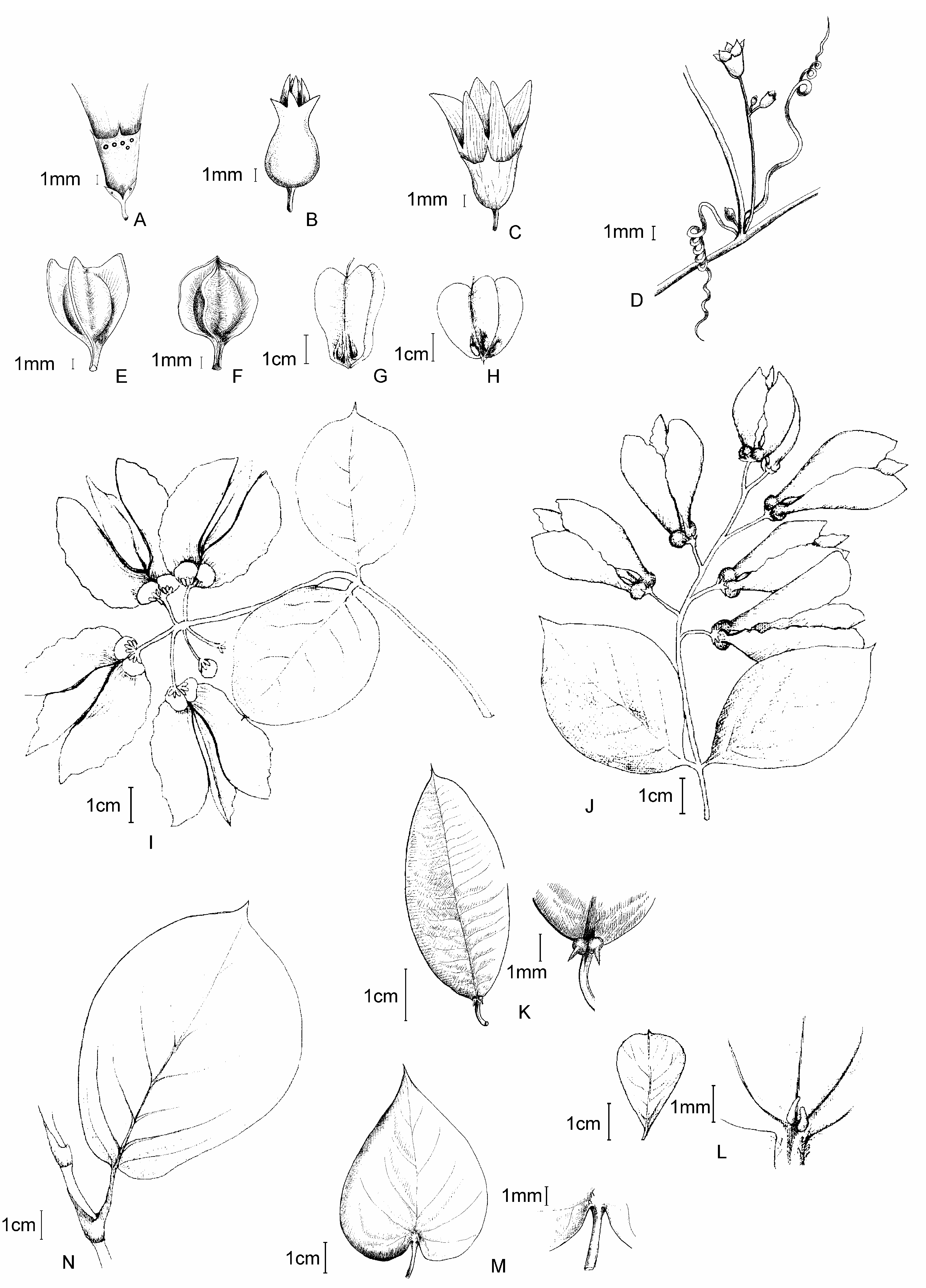
Cryptanthus
Cryptanthus is a genus of flowering plants in the family Bromeliaceae, subfamily Bromelioideae. The genus name is from the Greek cryptos (hidden) and anthos (flower). The genus formerly had two recognized subgenera: the type subgenus and subgenus Hoplocryptanthus Mez which has been raised to the separate genus Hoplocryptanthus. All species of this genus are endemic to Brazil. The common name for any Cryptanthus is "Earth star".

Fomes
Fomes is a genus of perennial woody fungi in the family Polyporaceae. Species are typically hoof-shaped (ungulate). New growth each season is added to the margin, resulting in a downward extension of the hymenium. This often results in a zonate appearance of the upper surface, that is, marked by concentric bands of color.
%20Fr%20281102.jpg)
Gomphidius
Gomphidius is a genus of mushrooms, commonly known as spike-caps, that are members of the Boletales (suborder Suillineae), or pored fungi. They appear to have gill-like structures which resemble those of agarics, however the similarity is superficial only. The best-known member is the slimy spike-cap (Gomphidius glutinosus). The genus has a widespread distribution, especially in north temperate areas, and contains 10 species.
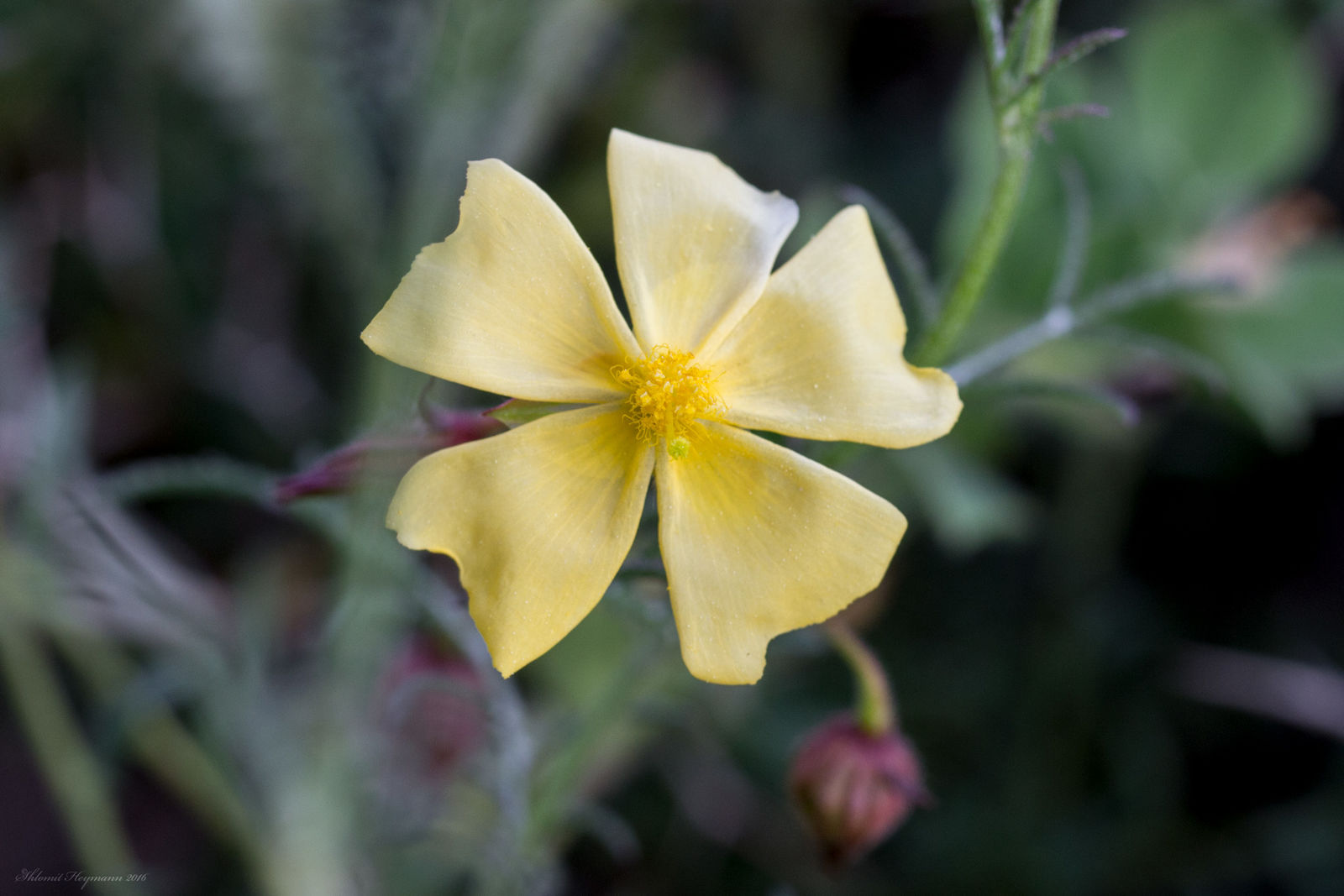
Fumana
Fumana (needle sunrose) is a small genus of flowering plants in the family Cistaceae. They are small perennial shrubs with five-lobed yellow flowers, native to rocky and sandy soils of Europe and wider Mediterranean region. Fumana shrubs can be procumbent or erect. Leaves tend to be very narrow and are almost always alternate.
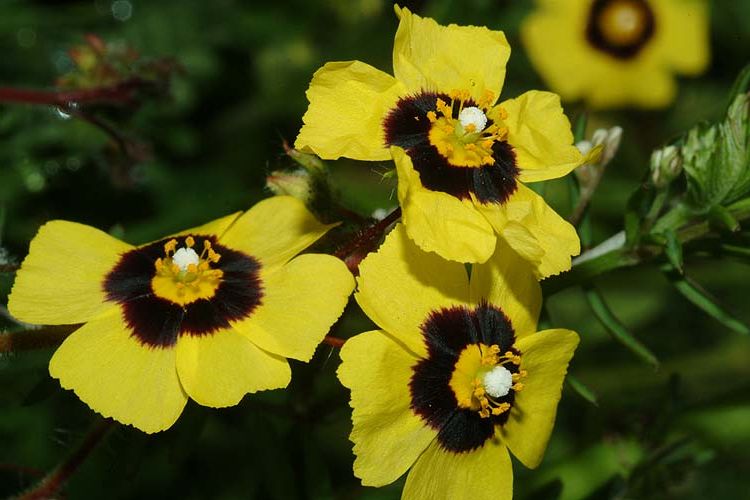
Tuberaria
Tuberaria is a genus of about 12 species of annual or perennial plants in the rockrose family Cistaceae, native to western and southern Europe. They occur on dry, stony sites, often close to the sea.
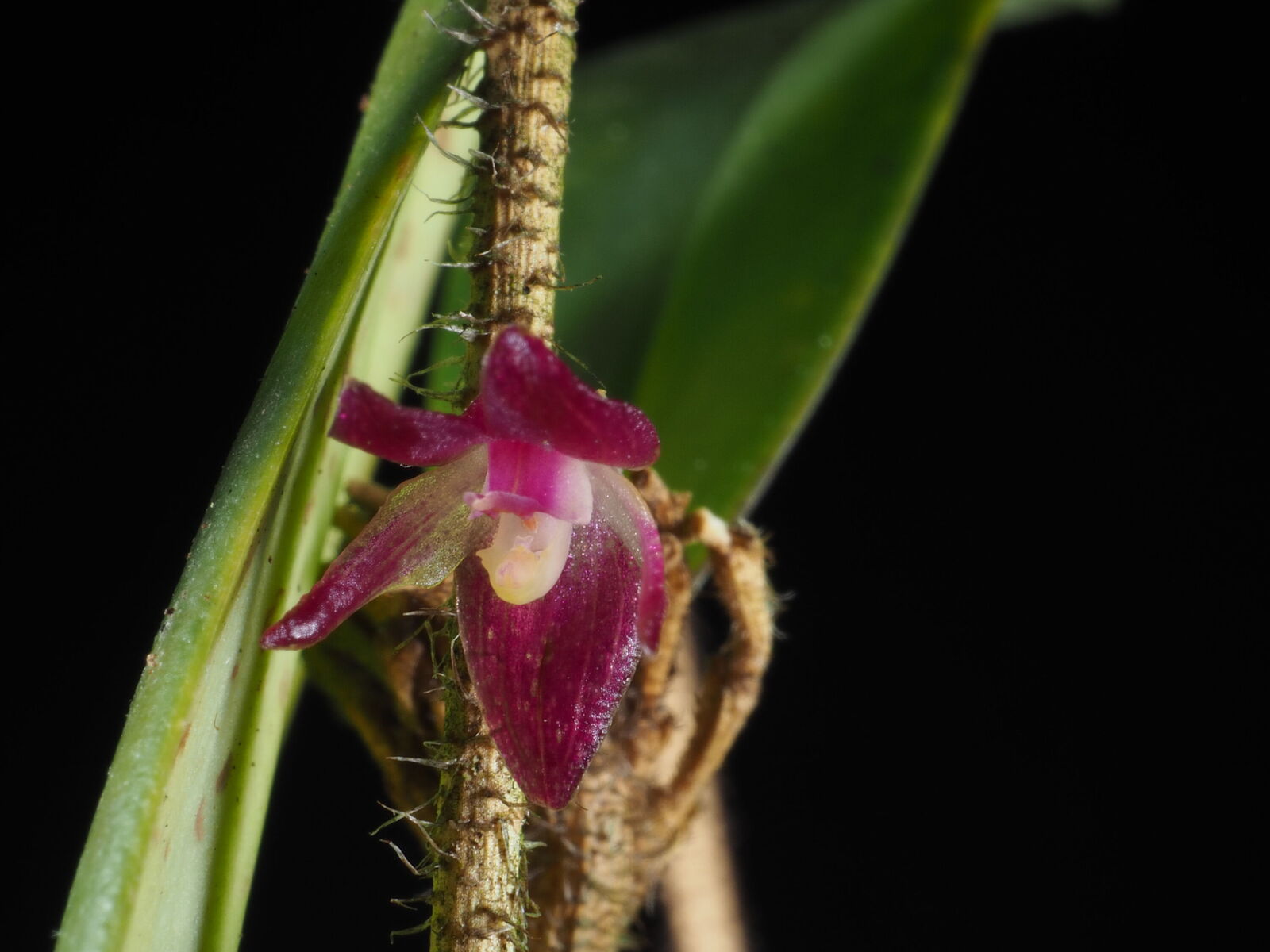
Myoxanthus
Myoxanthus (from Greek for "dormouse" and "flower") is a genus of orchids with over 50 species, widely distributed in southern Mexico, Central America, and tropical South America. This genus is a close ally of Pleurothallis.
Zegris
genus of insects

Flourensia
Flourensia is a genus of flowering plants in the family Asteraceae. It contains subshrubs and shrubs, which are commonly known as tarworts. They are found in the southwestern United States, Mexico, and central South America (Bolivia and northern Argentina). The genus name honours French physiologist Jean Pierre Flourens (1794–1867).
Nathalis
Nathalis is a genus of butterflies in the family Pieridae. They are found in North America, Central America, and northern South America.
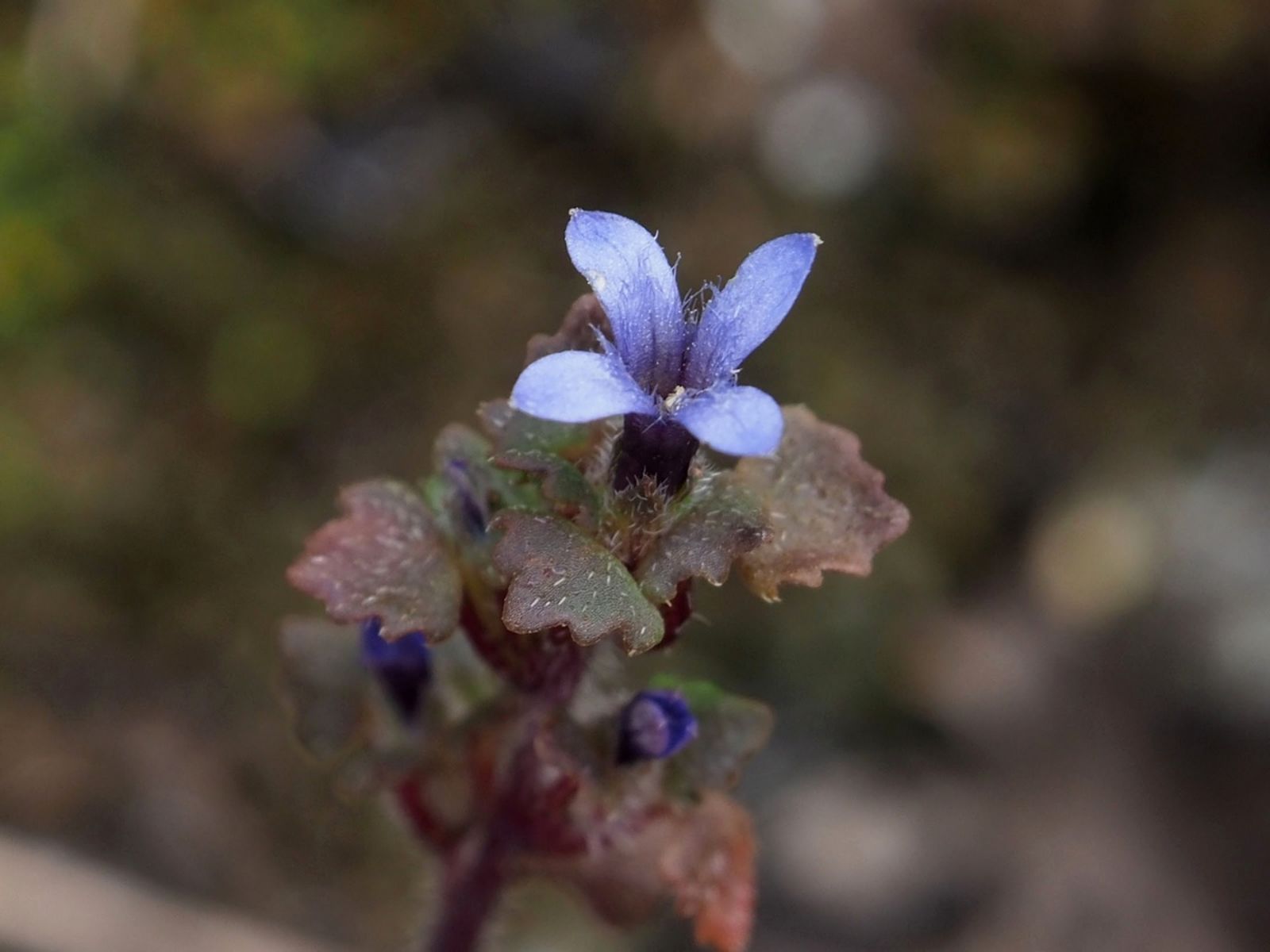
Cyananthus
Cyananthus is a genus of flowering plants that includes 21 species of annual or mostly perennial herbs from high mountains of Central and East Asia. They are little Himalayan plants no higher than 4 in. The name comes from the Greek word for blue flowers. Leaves are usually small and simple, sometimes narrowing to base, tooth-lobed at summit. In August to September, the plants bear showy of bright purplish-blue, yellow or white, funnel to bell-shaped, 5-lobed flowers 1 in in diameter with stamens free from the corolla and hairy throat. The flowers are borne singly on stalks. They always lose t
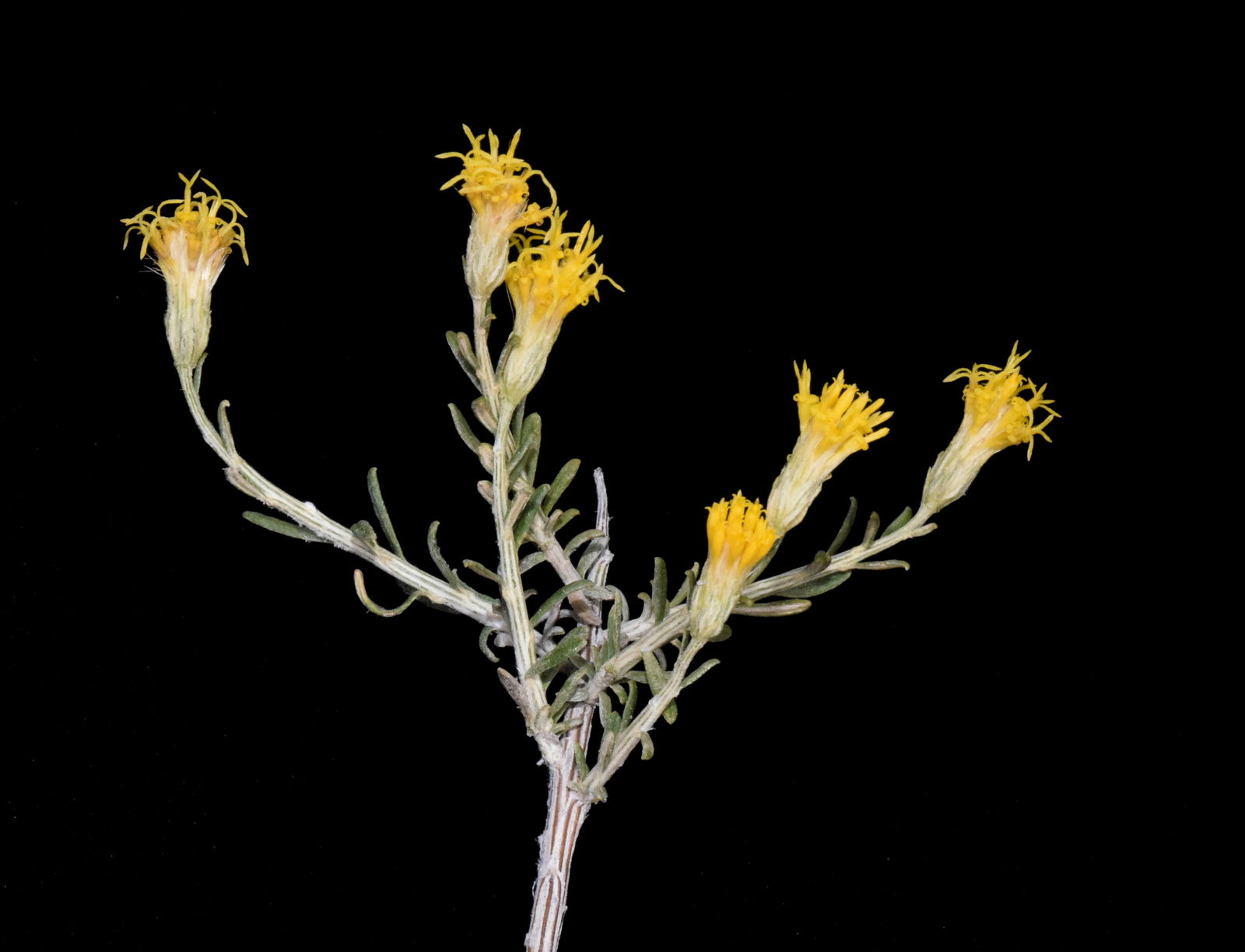
Nardophyllum
Nardophyllum is a genus of South American flowering plants in the tribe Astereae within the family Asteraceae.
Zemeros
Zemeros is a genus of butterflies that belongs to the family Riodinidae.
%20in%20Sunshine%20(12631501684).jpg)
Chelymorpha
Chelymorpha is a genus of tortoise beetles and hispines in the family Chrysomelidae, found mostly in the Americas, but also with records from southern Europe. There are more than 70 described species in Chelymorpha.
thumb|Chelymorpha cribraria
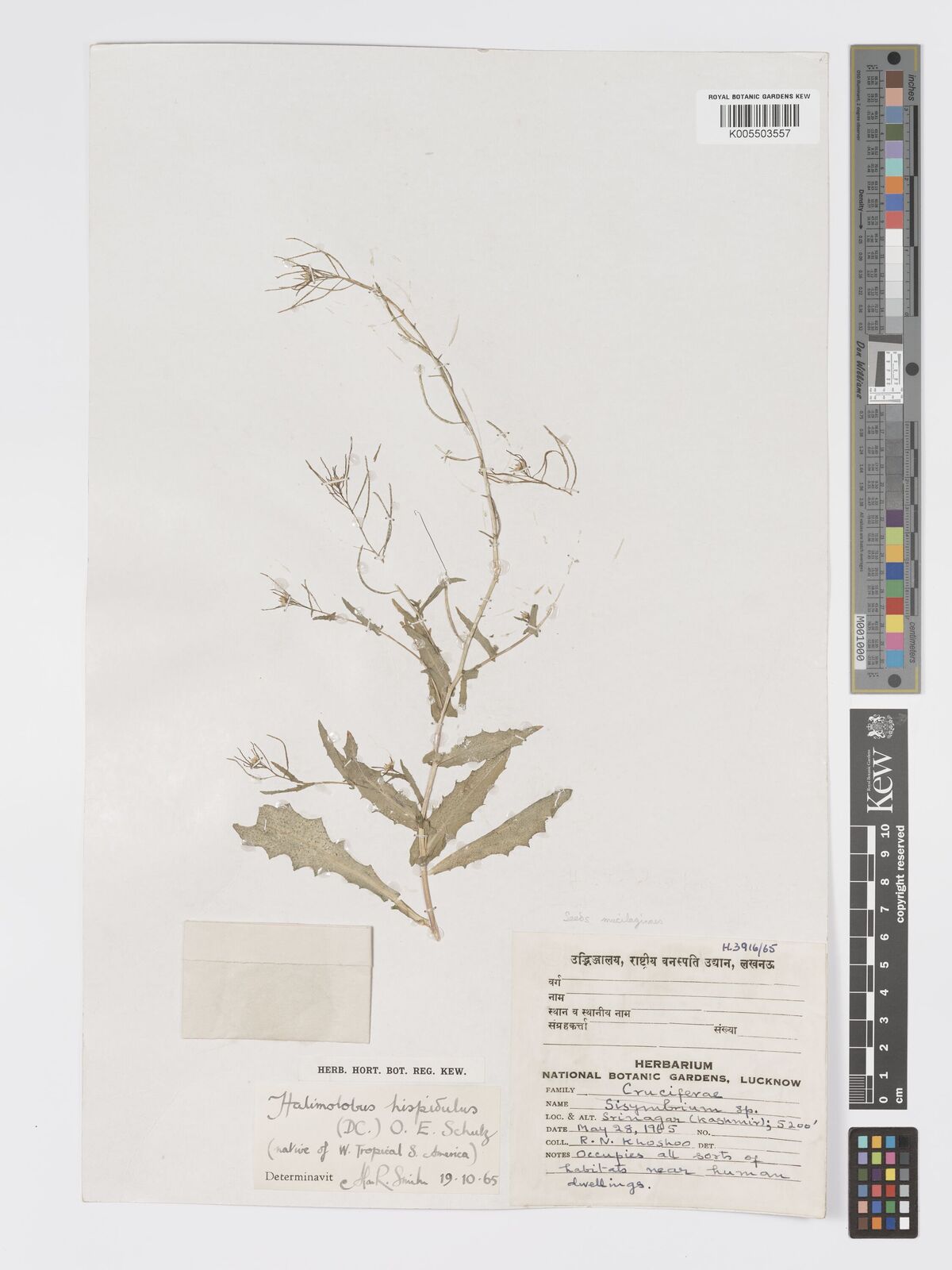
Halimolobos
Halimolobos is a genus of flowering plants in the family Brassicaceae known generally as fissureworts. It includes eight species of biennial and perennial herbs which native to North America, from the southwestern and south-central United States to northeastern Mexico.
Orbilia
Orbilia is a genus of fungi in the family Orbiliaceae. Anamorphs of this genus include the Arthrobotrys, Dactylella, Dicranidion, Dwayaangam, Helicoön, Monacrosporium, and Trinacrium.
The genus was established in 1836 by Elias Magnus Fries to accommodate the species Peziza leucostigma. The mycologist Josef Velenovský wrote articles describing species found in Bohemia and Moravia (Czechoslovakia). In 1951, Fred Jay Seaver recorded 20 species in North America, and R.W.G. Dennis later described 9 species from Venezuela. According to the Dictionary of the Fungi (10th edition, 2008), there are abou
Callistola
Callistola is a genus of leaf beetles in the tribe Cryptonychini. Species in this genus are found in the Pacific region, with a large number of species known from New Guinea.
Crocanthemum
Crocanthemum is a genus of flowering plants in the family Cistaceae. They are native to both North and South America where they are widespread. The common name frostweed relates to the ice crystals which form from sap exuding from cracks near the base of the stem in the late fall.
Trichaster
Trichaster is a genus of echinoderms belonging to the family Euryalidae.
Syncesia
Syncesia is a genus of lichen-forming fungi in the family Roccellaceae. These lichens typically grow as thin crusts on tree bark in humid environments, forming small raised patches that contain multiple tiny disc-shaped fruiting bodies. The genus includes about nine species found primarily in tropical and subtropical regions around the world, from the Caribbean and South America to Africa and Asia. Many species produce powdery patches on their surface that help them spread to new locations without sexual reproduction.
Plenasium
Plenasium is a genus of ferns in the family Osmundaceae. It is recognized in the Pteridophyte Phylogeny Group classification of 2016 (PPG I), but kept within a more broadly circumscribed genus Osmunda by other sources. The genus is known from Early Cretaceous to present.
Leptosyne
Leptosyne is a genus of flowering plants in the family Asteraceae. It includes eight species native to California, Arizona, and northwestern Mexico.

Ectropa
Ectropa is a genus of slug moths described by Hans Daniel Johan Wallengren in 1836.
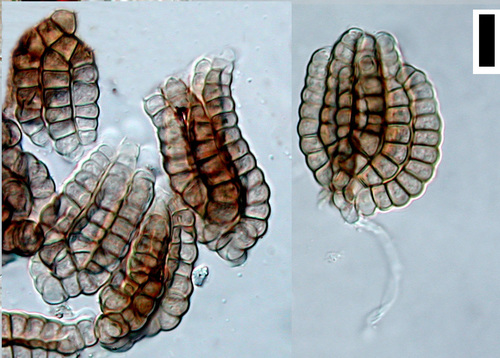
Dictyosporium
Dictyosporium is the type genus of fungi belonging to the family Dictyosporiaceae. By an estimate in 2018 it is formed by 45 species.
Tetracme
genus of plants
Eantis
Eantis is a genus of skippers in the family Hesperiidae.
Poidium
Poidium is a genus of grasses. It includes eight species native to South America, including Colombia, Bolivia, southern and southeastern Brazil, Paraguay, Uruguay, and Argentina.
Phaenomerus
Phaenomerus is a genus of weevils in the subfamily subfamily Conoderinae and tribe Campyloscelini, erected by Carl Schönherr in 1836. Species have been recorded from Africa and S.E Asia (Indochina, Malesia) through to New Guinea and Australia.