Category
page 1Taxa described in 1840
Apaturinae
The Apaturinae are a subfamily of butterflies that includes many species commonly called emperors.
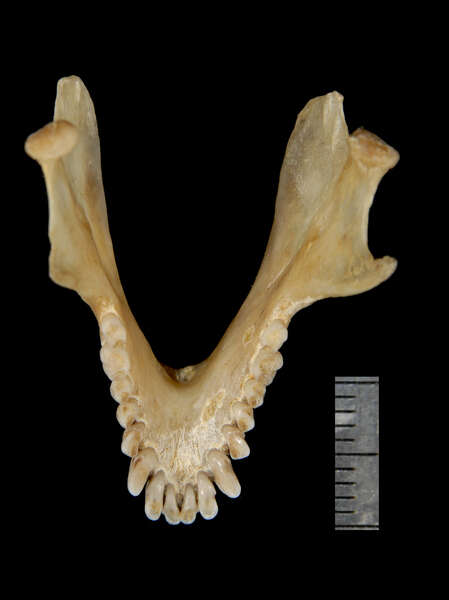
Mico
genus of mammals
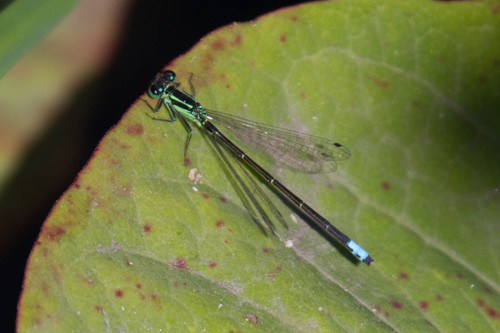
Ischnura
Ischnura is a genus of damselflies known as forktails or bluetails in the family Coenagrionidae.
The genus is distributed worldwide, including various oceanic islands. The males have a forked projection and blue segments at the tip of the abdomen which give the group their common names.
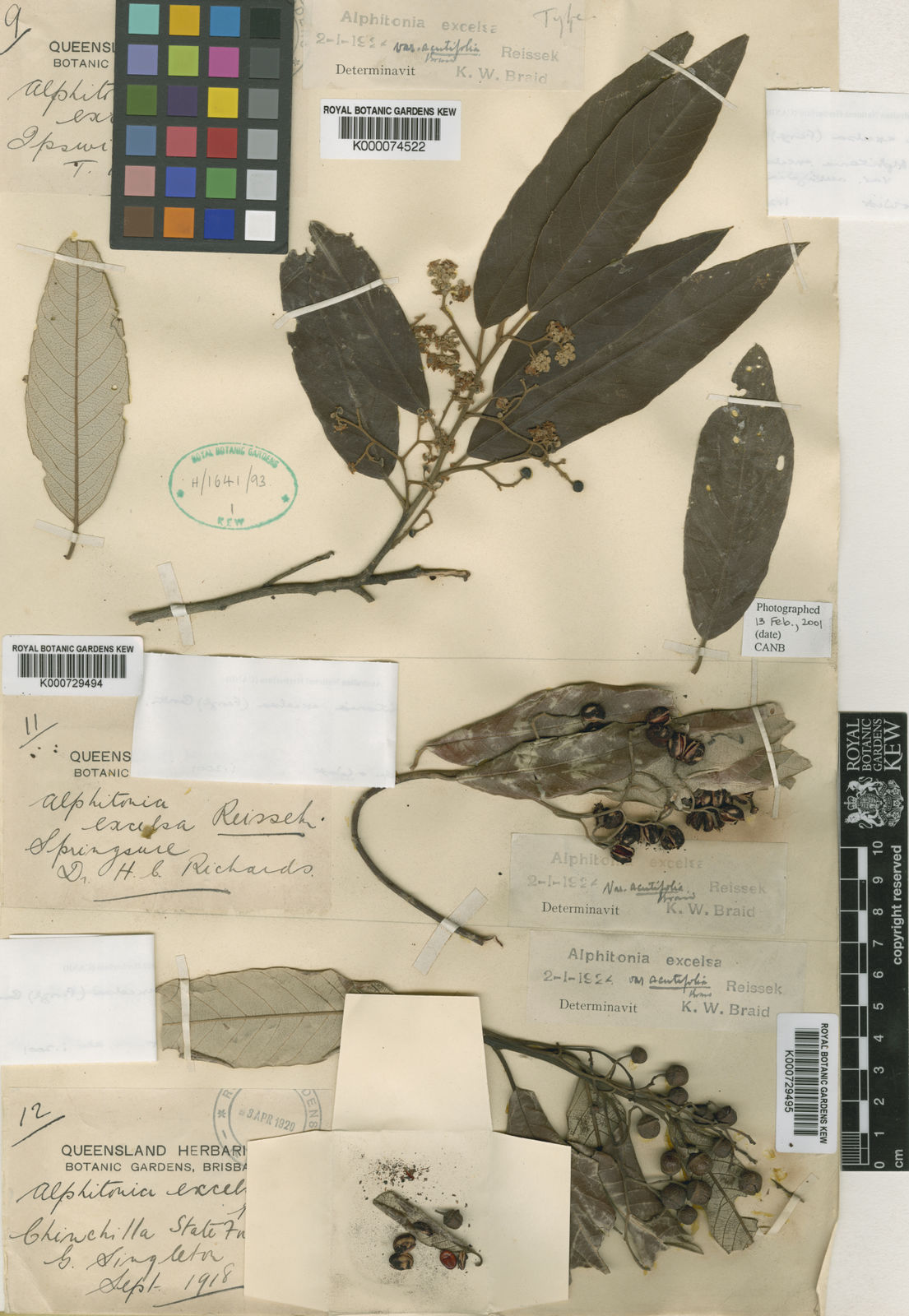
Alphitonia
Alphitonia is a genus of arborescent flowering plants comprising about 15 species, constituting part of the buckthorn family (Rhamnaceae). They occur in tropical regions of Southeast Asia, Oceania and Polynesia. These are large trees or shrubs. In Australia, they are often called "ash trees" or "sarsaparilla trees". This is rather misleading however; among the flowering plants, Alphitonia is not closely related to the true ash trees (Fraxinus of the asterids), and barely at all to the monocot sarsaparilla vines (Smilax).

Tomares
genus of insects
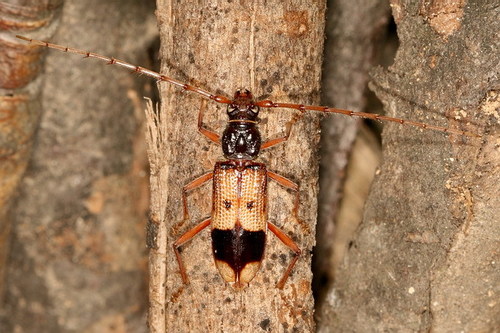
Phoracantha
Phoracantha is a genus of longhorn beetles native to Australia and New Guinea. Species in this genus are primarily associated with Eucalyptus trees, with some species considered economically significant pests.
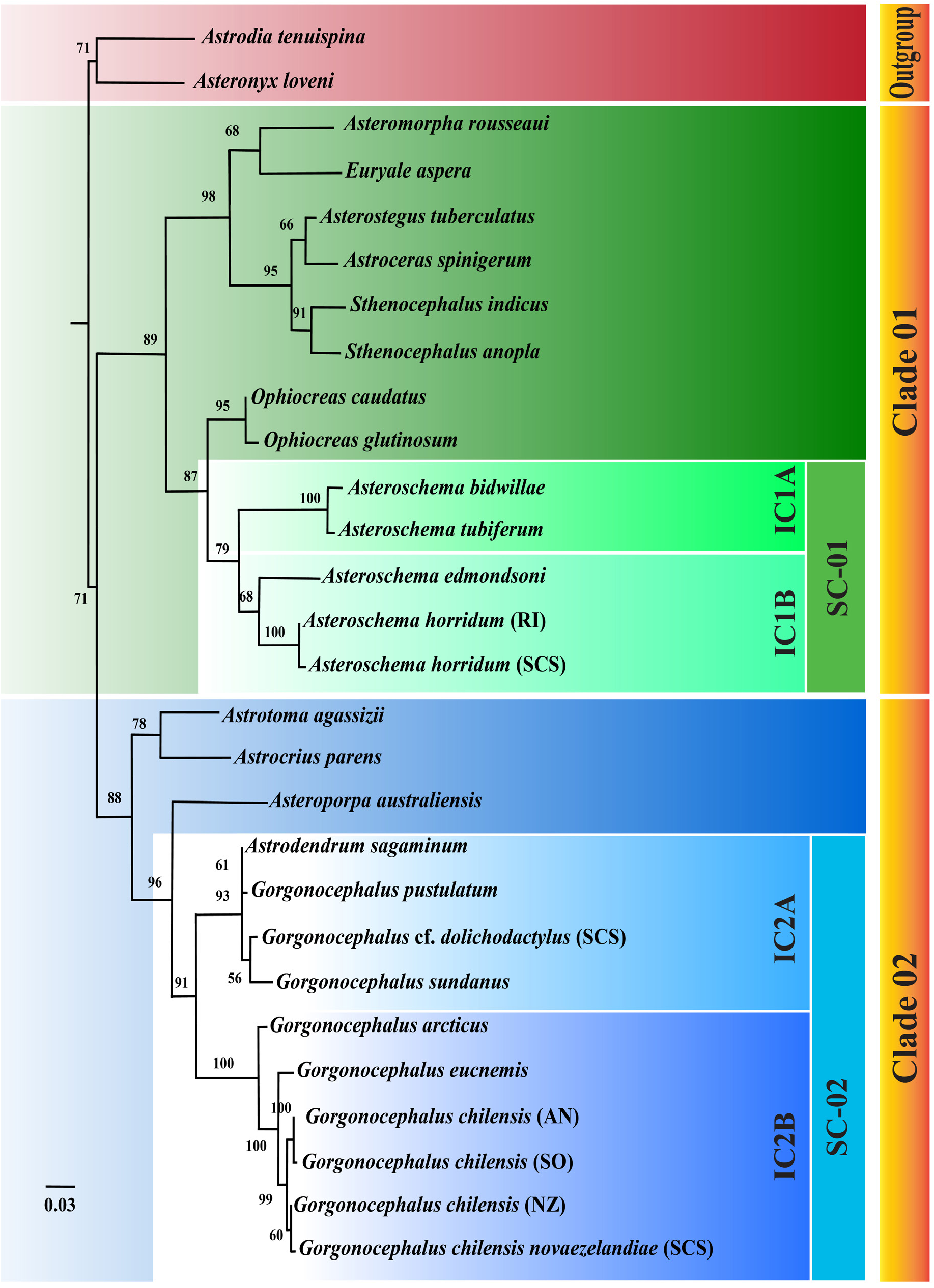
Euryalidae
Euryalidae is a family of echinoderms belonging to the order Euryalida.
Secotium
Secotium is a genus of fungi in the family Agaricaceae. The members of this genus are closely related to ordinary Agaricus mushrooms, but do not open out in the usual way; this has given rise to the term "secotioid" for such mushrooms in general. They are thought to form an evolutionary link between agarics and gasteroid fungi (whose spores are enclosed in a pouch-like structure). Secotium is a widespread genus, with species that are predominantly found in warm and arid regions.
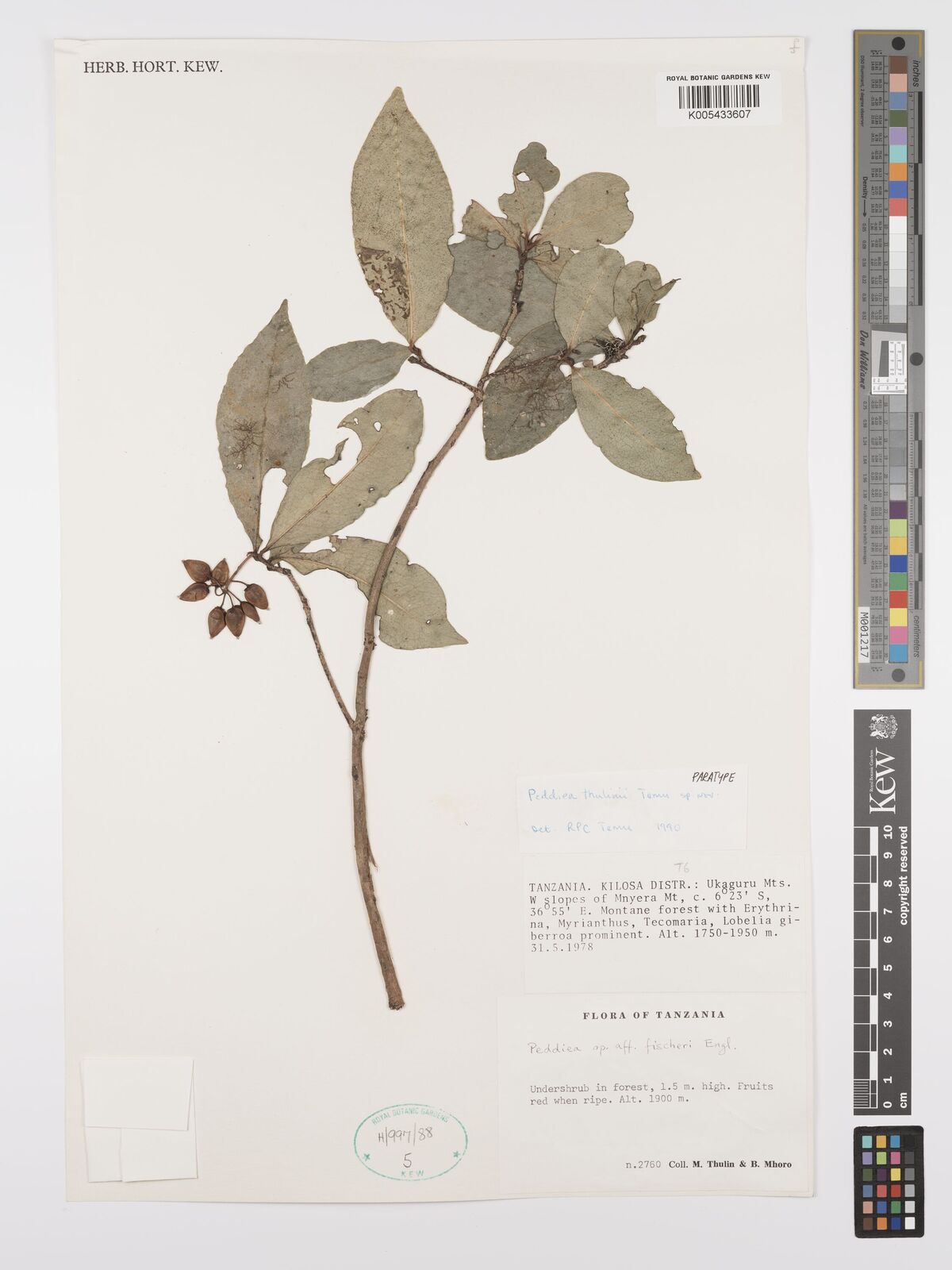
Peddiea
Peddiea is a genus of plant in the family Thymelaeaceae. It includes 16 species native to tropical and southern Africa and Madagascar.
Chrysomyxa
Chrysomyxa is a genus of rust fungi in the family Coleosporiaceae. The genus, widespread in the Northern Hemisphere, contains about 23 species. Rust fungi in the genus Chrysomyxa occur in boreal forests of the northern hemisphere on Pinaceae, (mostly Picea), and most species alternate to angiosperm hosts in the Ericaceae.
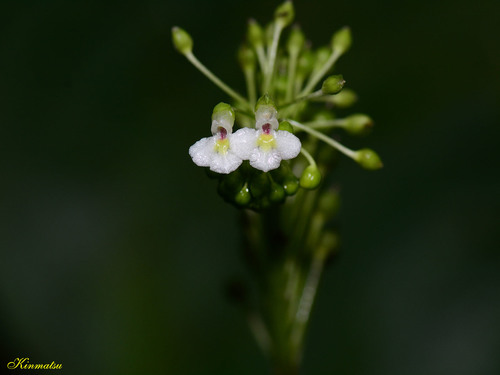
Monophyllaea
Monophyllaea is a genus of plants in the family Gesneriaceae. All the species only have one leaf.
Gliocladium
Gliocladium is an asexual fungal genus in the Hypocreaceae. Certain other species including Gliocladium virens were recently transferred to the genus Trichoderma and G. roseum became Clonostachys rosea f. rosea in the Bionectriaceae. Gliocladium is a mitosporic, filamentous fungus. Species of Gliocladium rarely produce a sexual state. Most pathogenic, disease-causing fungi in humans are mitosporic like Gliocladium. Gliocladium is filamentous; it grows tubular, elongated, and thread-like. It can be considered a contaminant.
Coniothyrium
Coniothyrium is a genus of fungi in the family Coniothyriaceae. The genus was circumscribed by Czech mycologist August Carl Joseph Corda in 1840. It was formerly placed in the Phaeosphaeriaceae family until 1983 when the family was established.
Loxocarpus
Loxocarpus is a genus of flowering plants in the family Gesneriaceae. It includes 26 species native to Malesia, ranging from southern Thailand to Peninsular Malaysia, Sumatra, and Borneo. Many of its species were formerly placed in the genus Henckelia.
Neuroterus
right|thumb|The galls of Neuroterus numismalis parthenogenetic generation on Quercus robur leaf
Mesomphaliini
The Mesomphaliini are a tribe of tortoise beetles erected by Frederick William Hope in 1840; however, some authorities place the genera in the tribe name Stolaini .
Tryphoninae
The Tryphoninae comprise a worldwide subfamily of the parasitic wasp family Ichneumonidae.
Cymatoderma
Cymatoderma is a widely distributed genus of poroid fungi in the family Meruliaceae.
Cordierites
Cordierites is a genus of fungi in the family Cordieritidaceae.
Dinemandra
Dinemandra is a genus of flowering plants belonging to the family Malpighiaceae. It includes two species of subshrubs endemic to northern and central Chile.
Dinemandra ericoides
Dinemandra gayana
Planorbula
Planorbula is a genus of gastropods belonging to the family Planorbidae.
Lydda
genus of insects
Polyneura
Polyneura is a cicada genus from Southeast Asia. The type species is Polyneura ducalis with type material from India.
Heladena
Heladena is a genus of flowering plants in the family Malpighiaceae. It includes two species native to the tropical Americas.
Heladena echinata (synonym Henleophytum echinatum ) – Cuba
Heladena multiflora – Central Brazil, northeastern Argentina, Paraguay, and Uruguay.
Emericellopsis
Emericellopsis is a genus of fungi in the order Hypocreales. The relationship of this taxon to other taxa within the order is unknown (incertae sedis), and it has not yet been placed with certainty into any family.
Cyrenoidea
Cyrenoidea is a superfamily of freshwater bivalves in the order Venerida.
Zeugma
genus of insects
Janusia
genus of plants