Category
page 1Taxa described in 1847
Tachornis
Tachornis is a genus of swift in the family Apodidae. It contains the following species:
Pygmy palm swift (Tachornis furcata)
Fork-tailed palm swift (Tachornis squamata)
Antillean palm swift (Tachornis phoenicobia)
Tachornis uranoceles (fossil; Late Pleistocene of Puerto Rico)

Kohleria
Kohleria is a New World genus of the flowering plant family Gesneriaceae. The plants are generally tropical herbs or subshrubs with velvety stems and foliage and brightly colored flowers with spots or markings in contrasting colors. They are rhizomatous and commonly include a period of dormancy in their growth cycle. The genus was revised in 1992 and was then recognized as having 19 species distributed in Central America and South America. phylogenetic in 2005 indicated that the epiphytic genus Capanea is derived from within Kohleria, and the two species of Capanea were subsequently transferre
Ustilaginaceae
The Ustilaginaceae are a family of smut fungi in the order Ustilaginomycetes. Collectively, the family contains 17 genera and 607 species.
Dercas
Dercas is a genus of butterflies in the family Pieridae found in southeast Asia.
Leucidia
Leucidia is a genus of butterflies in the family Pieridae. They are native to the South America.
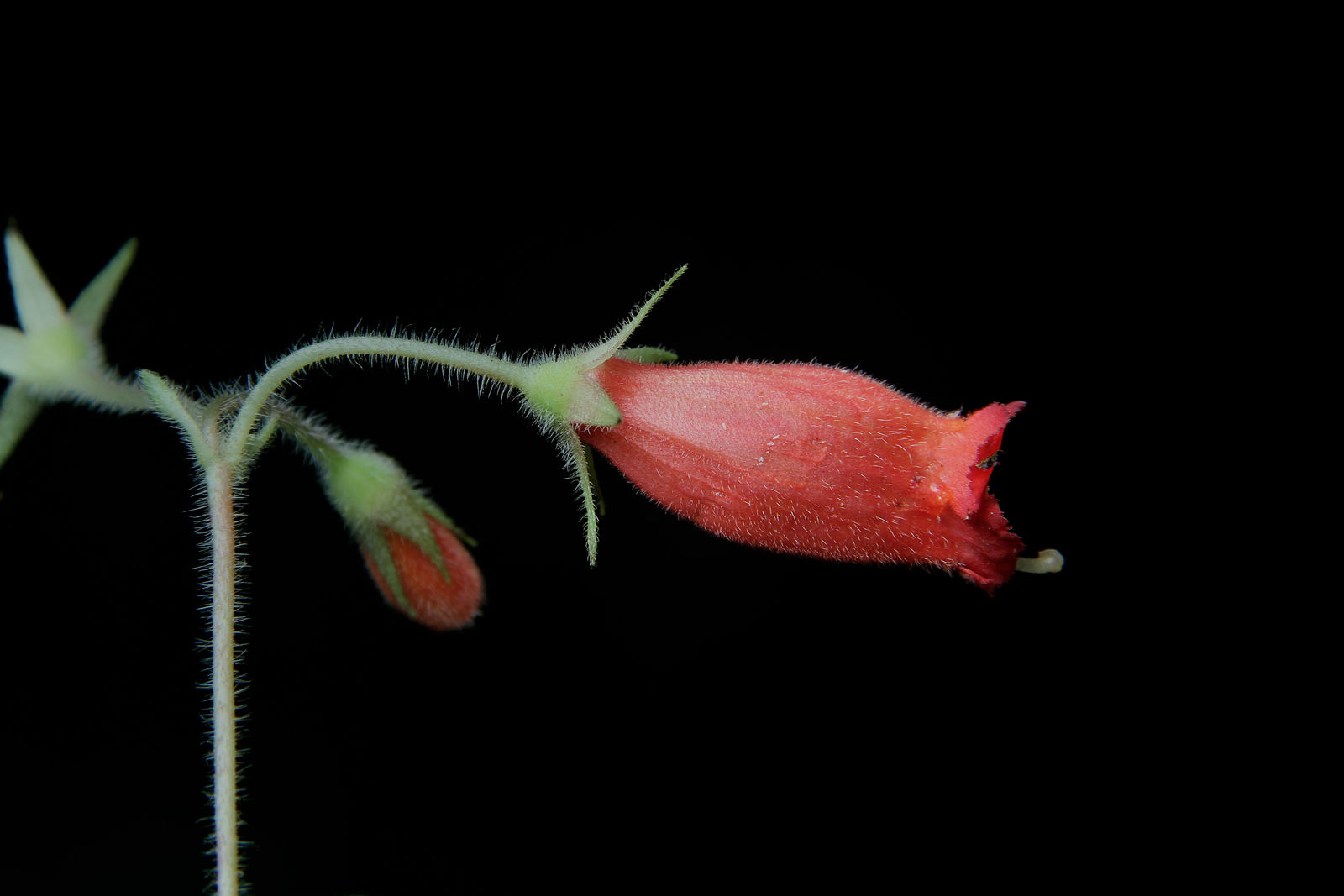
Moussonia
genus of plants
Coleosporium
Coleosporium is a genus of rust fungi in the family Coleosporiaceae. The genus contains about 100 species. The aecial stages are parasitic on Pinus spp., and the telial stages on a wide range of angiosperms.

Cochlespira
Cochlespira is a genus of sea snails, marine gastropod mollusks in the family Cochlespiridae.
Mesene
genus of insects
Alesa
Alesa is a New World (Neotropical realm) genus of metalmark butterflies found in northern South America.
Hypoderma
genus of fungi
Microbotryum
Microbotryum is a genus of smut fungi found in the family Microbotryaceae. It contains about 89 species, which are parasites of plants.
Dircenna
Dircenna is a genus of clearwing (ithomiine) butterflies, named by Edward Doubleday in 1847. They are in the brush-footed butterfly family, Nymphalidae. The genus comprises fairly large ithomiines with elongated forewings which are characterized by quite straight costae and distinctively shaped discal cells. They occur from Mexico to Southern Brazil. Larvae feed on plants from the family Solanaceae, such as Solanum and Brunfelsia.
Panara
genus of insects
Methone
genus of insects
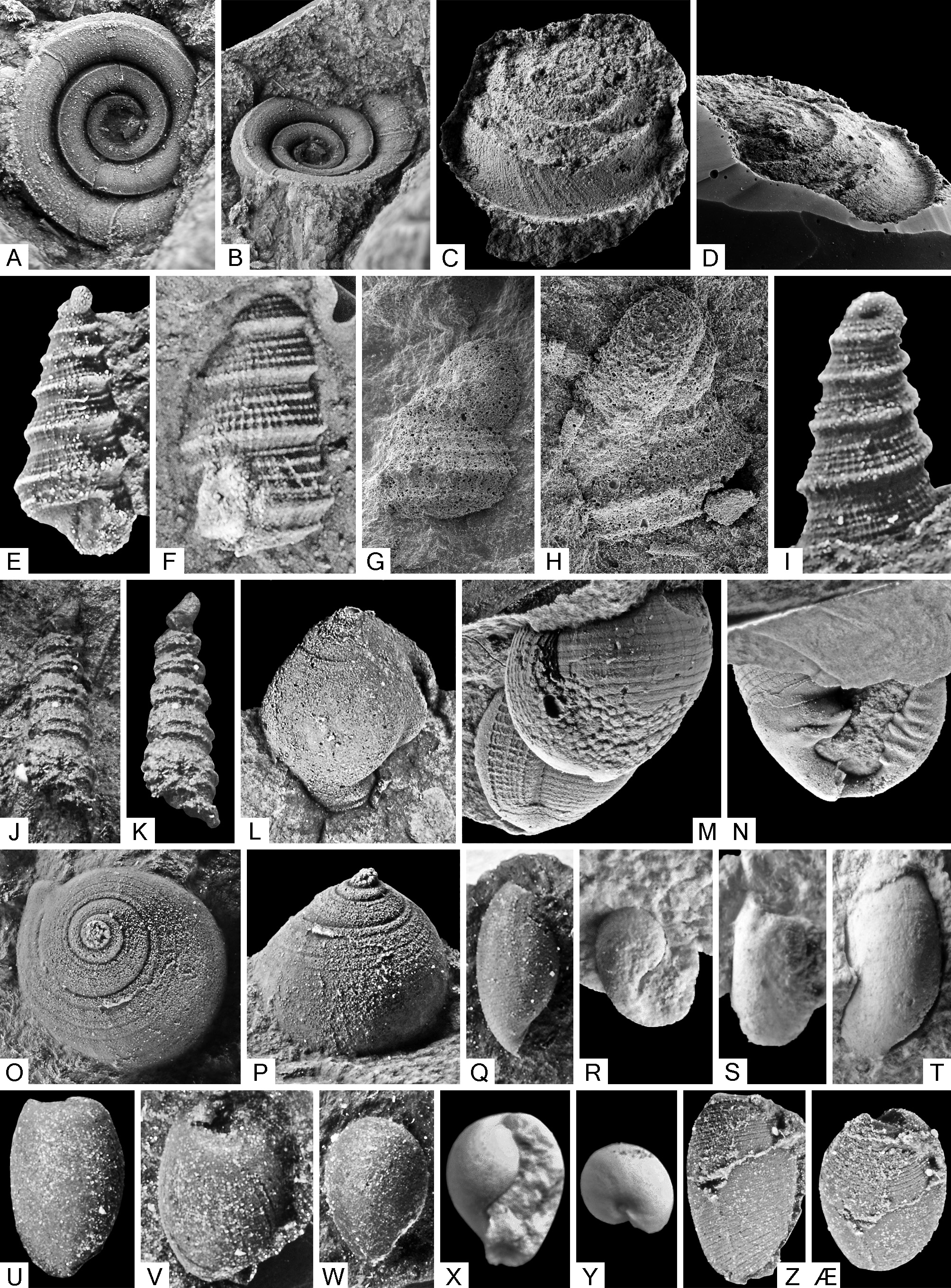
Roxania
Roxania is a genus of gastropods belonging to the family Alacuppidae.
Taxila
genus of insects
Dicranodontium
Dicranodontium is a genus of mosses belonging to the family Dicranaceae.
Robergea
Robergea is a genus of fungi within the family Stictidaceae.
Xenocarcinus
Xenocarcinus is a genus of spider crabs in the family Epialtidae. They inhabit soft corals at subtidal zones up to 70 meters in depth in the Indo-West Pacific region, being found in Réunion, Aldabra, the Red Sea, the Persian Gulf, Sri Lanka, the Indo-Malayan Archipelago and Japan. Xenocarcinus conicus and Xenocarcinus tuberculatus crabs were found in Mu Koh Tao, western Gulf of Thailand, associated with gorgonians and wire coral, respectively.
Rabdophaga
Rabdophaga is genus of flies in the family of gall midges Cecidomyiidae. There are 105 species distributed through Africa, Asia, Europe and North America. Most species of Rabdophaga gall willows (Salix sp.); one exception is R. giraudiana which galls the stems of poplars (Populus sp.).
Plaxiphora
Plaxiphora is a genus of chitons in the family Mopaliidae. It is distributed in the Atlantic, Indian, and Pacific Oceans, primarily in the south-temperate and subantarctic regions.
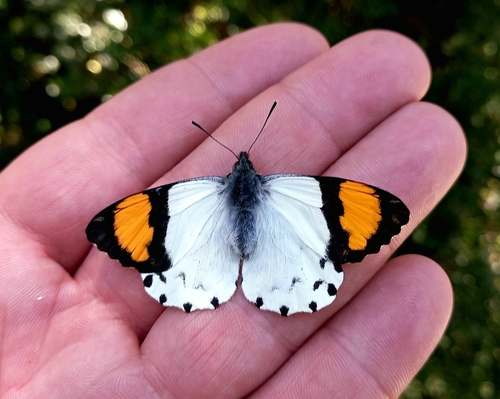
Eroessa
Eroessa is a Neotropical genus of butterflies in the family Pieridae. The genus is monotypic containing the species Eroessa chiliensis which is endemic to Chile.
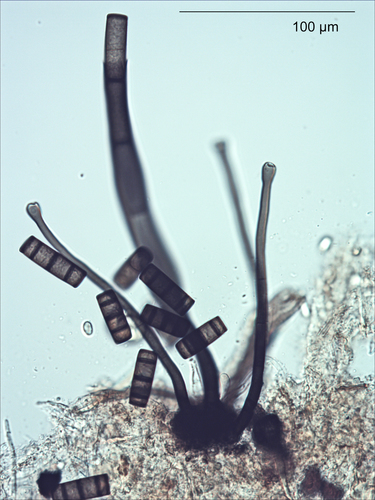
Sporoschisma
Sporoschisma is a genus of fungi within the Chaetosphaeriaceae family.
Mastodia
Mastodia is a genus of lichen-forming fungi in the family Verrucariaceae. It has six species.