Category
page 1Taxa described in 1862

Trachypithecus
Trachypithecus is a genus of Old World monkeys containing species known as lutungs, langurs, or leaf monkeys. Their range is much of Southeast Asia (northeast India, Vietnam, southern China, Borneo, Thailand, Java, and Bali).

Rhizocephala
Rhizocephala are derived barnacles that are parasitic castrators. Their hosts are mostly decapod crustaceans, but include Peracarida, mantis shrimps and thoracican barnacles. Their habitats range from the deep ocean to freshwater. Together with their sister groups Thoracica and Acrothoracica, they make up the subclass Cirripedia. Their body plan is uniquely reduced in an extreme adaptation to their parasitic lifestyle, and makes their relationship to other barnacles unrecognisable in the adult form. They also exhibit the most extreme sexual dimorphism of all known animals. The females are para

Axinella
thumb|224px|
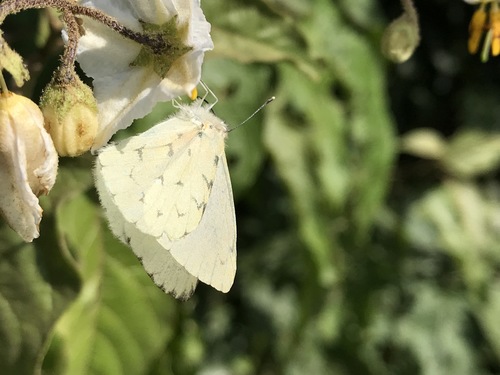
Hesperocharis
Hesperocharis is a genus of butterflies in the family Pieridae. They are native to the Americas.
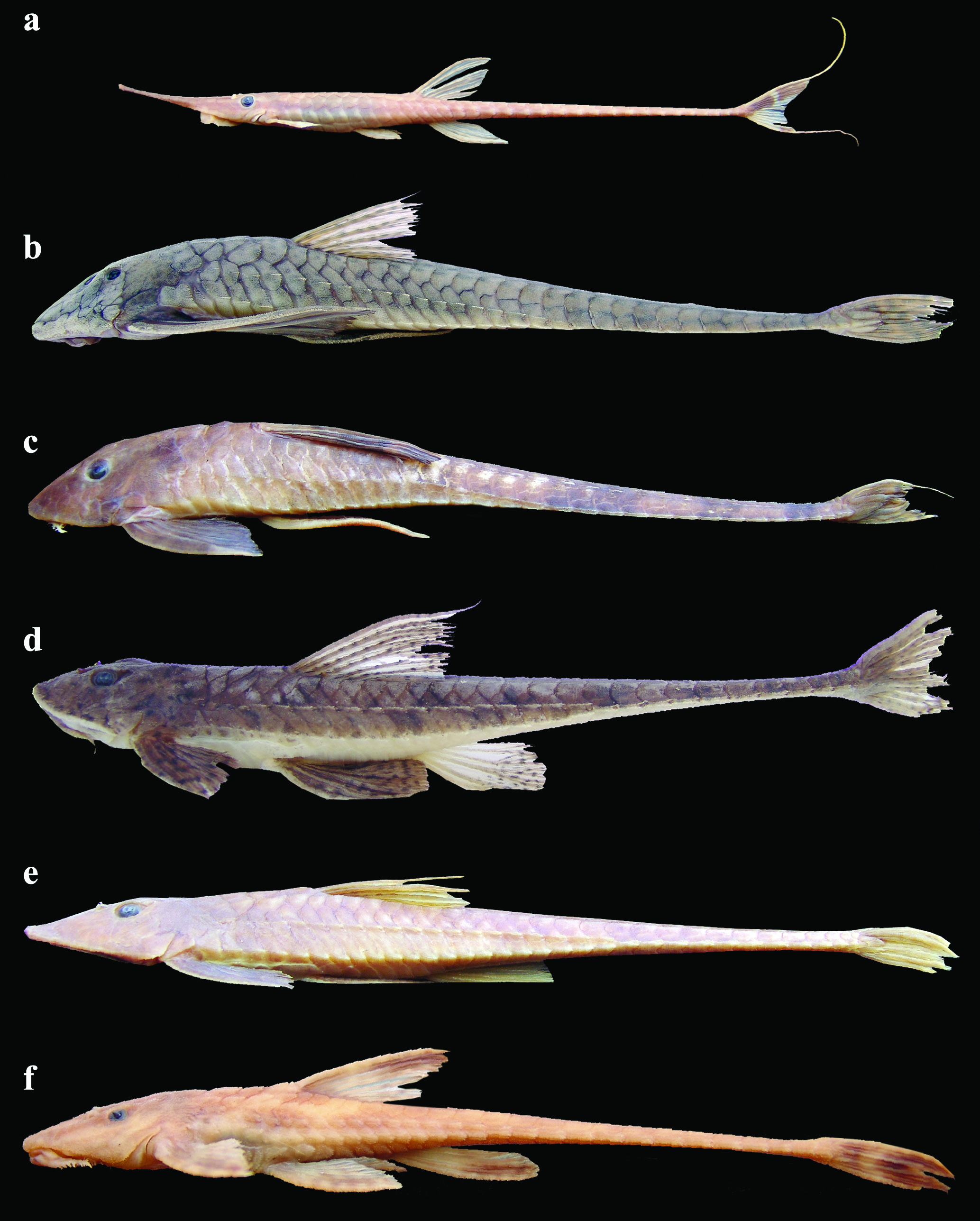
Loricariichthys
Loricariichthys is a genus of freshwater ray-finned fishes belonging to the family Loricariidae, the suckermouth armored catfishes, and the subfamily Loricariinae, the mailed catfishes. The catfishes in this genus are found in South America.

Ute
genus of sponges
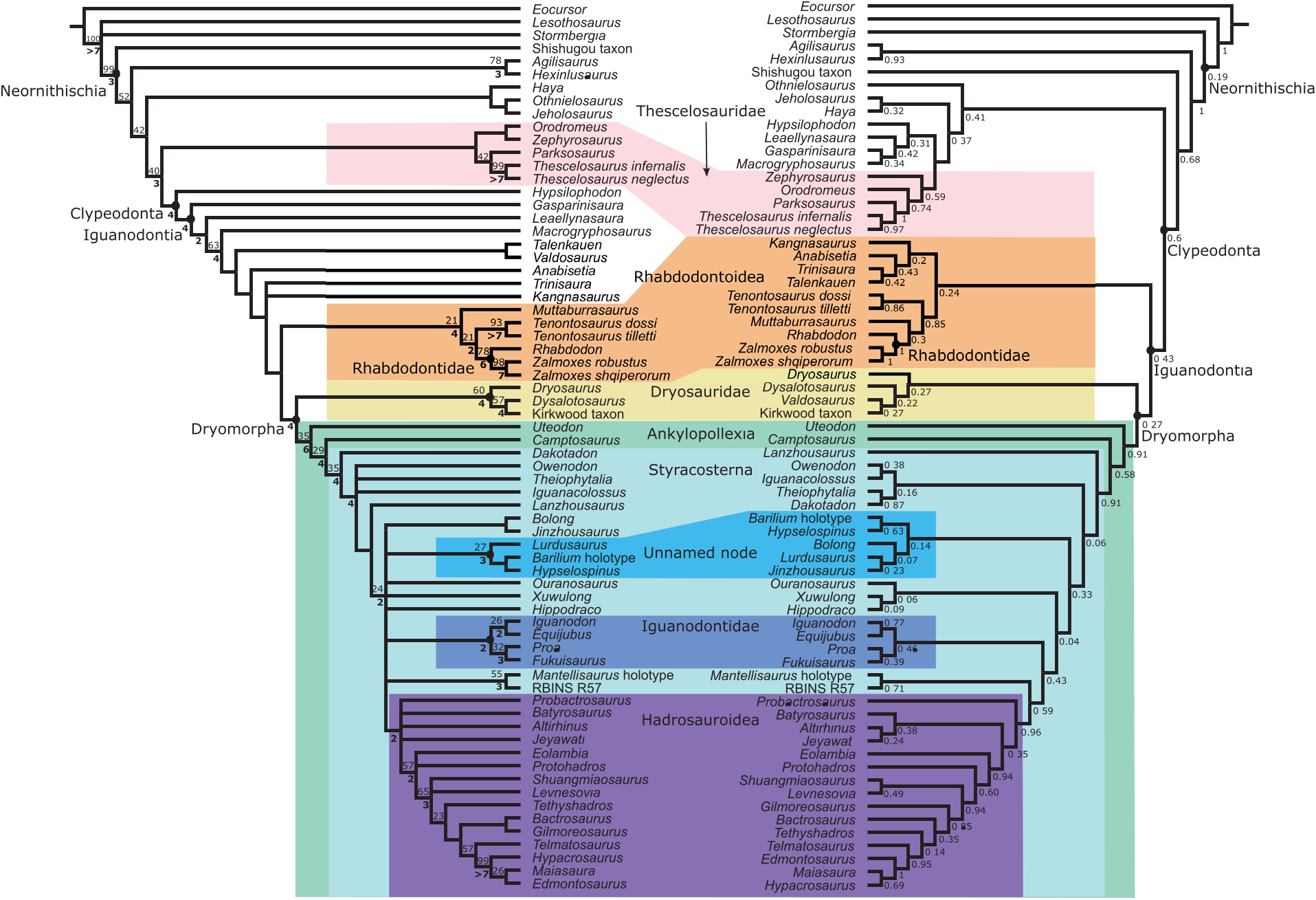
Cepheidae
family of cnidarians
Gyalectaceae
The Gyalectaceae are a family of fungi in the order Gyalectales.

Dolichandrone
Dolichandrone is a genus of flowering plants Palaeotropical clade in the family Bignoniaceae; species have been recorded from tropical and subtropical Asia to Australia and the W. Pacific, with D. alba found in Mozambique.
Phakellia
Phakellia is a genus of sponges belonging to the family Bubaridae. The genus has a cosmopolitan distribution.
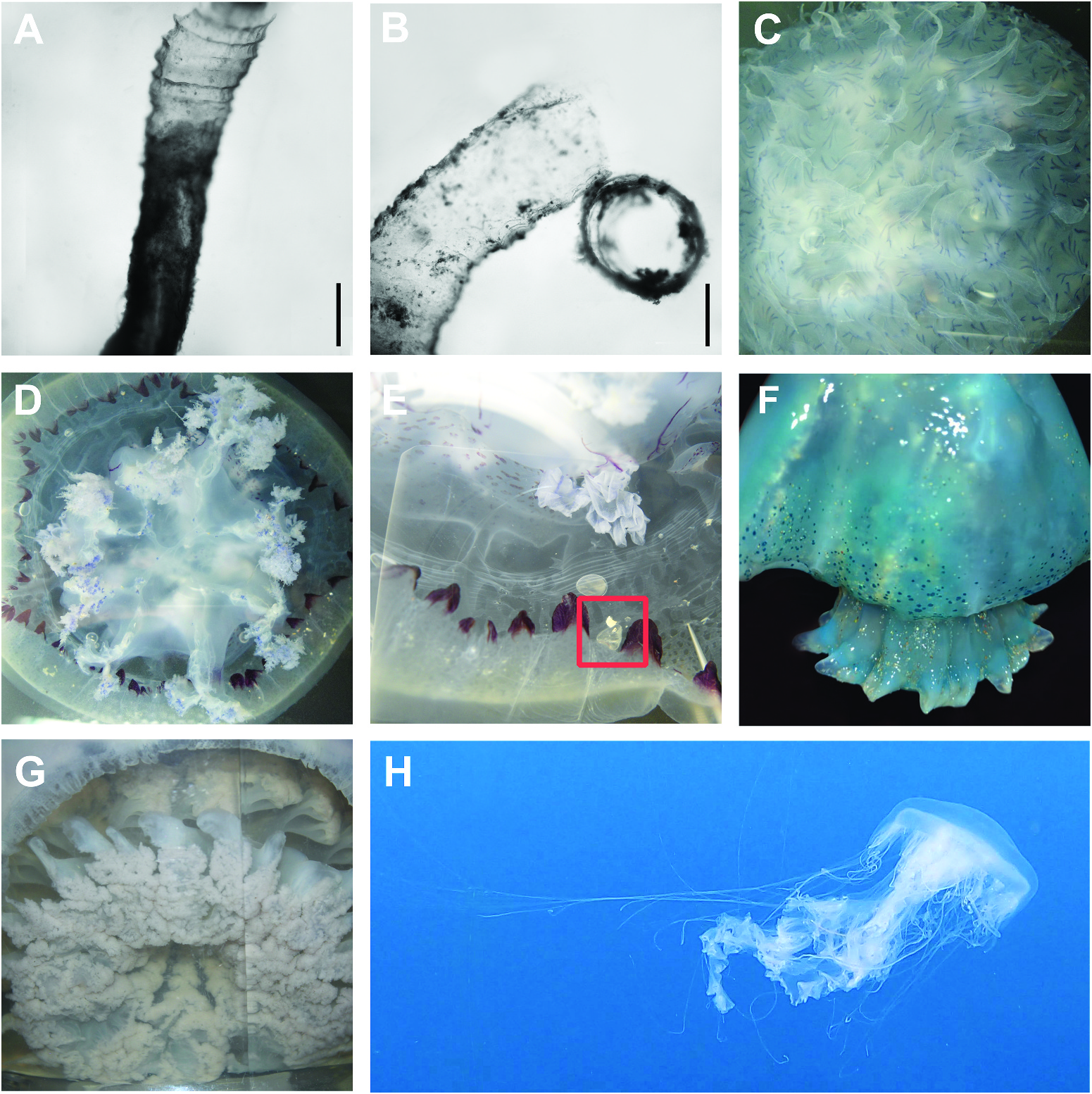
Stomolophus
Stomolophus is a genus of true jellyfish from the West Atlantic and Pacific. It is the only genus in the monotypic family Stomolophidae. Formerly, Nomura's jellyfish (Nemopilema nomurai) was also included in this genus, but has now been reclassified to the family Rhizostomatidae.
Coenogoniaceae
REDIRECT Coenogonium
Acanthella
genus of sponges
Ammosperma
Ammosperma is a genus of flowering plants belonging to the family Brassicaceae.
Drimycarpus
Drimycarpus is a small genus of trees in the cashew and sumac family Anacardiaceae. The generic name is from the Greek meaning "pungent fruit".
Ithomeis
Ithomeis is a genus in the butterfly family Riodinidae present only in the Neotropical realm.
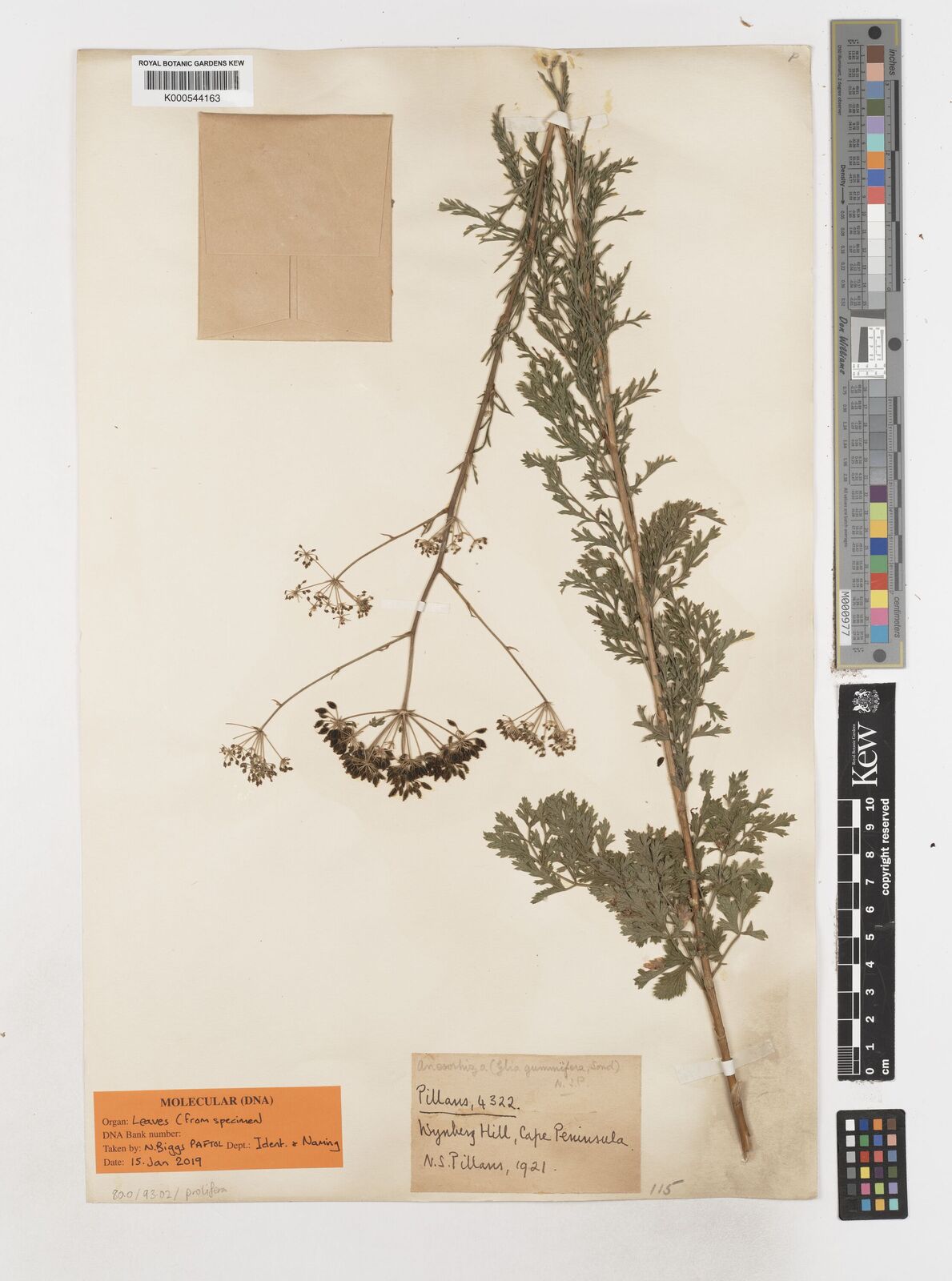
Glia
genus of plants
Brachyglenis
Brachyglenis is a genus in the butterfly family Riodinidae, which is found only in the Neotropical realm.
Conognathus
Conognathus is a genus of skippers in the family Hesperiidae. It is monotypic, being represented by the single species Conognathus platon.
Isoteinon
Isoteinon is a genus of skipper butterflies in the family Hesperiidae. The type species is Isoteinon lamprospilus from eastern Asia. However, recent studies based largely on genomic data have supported inclusion of several African species.
Plumulariidae
Plumulariidae is a family of hydrozoans.
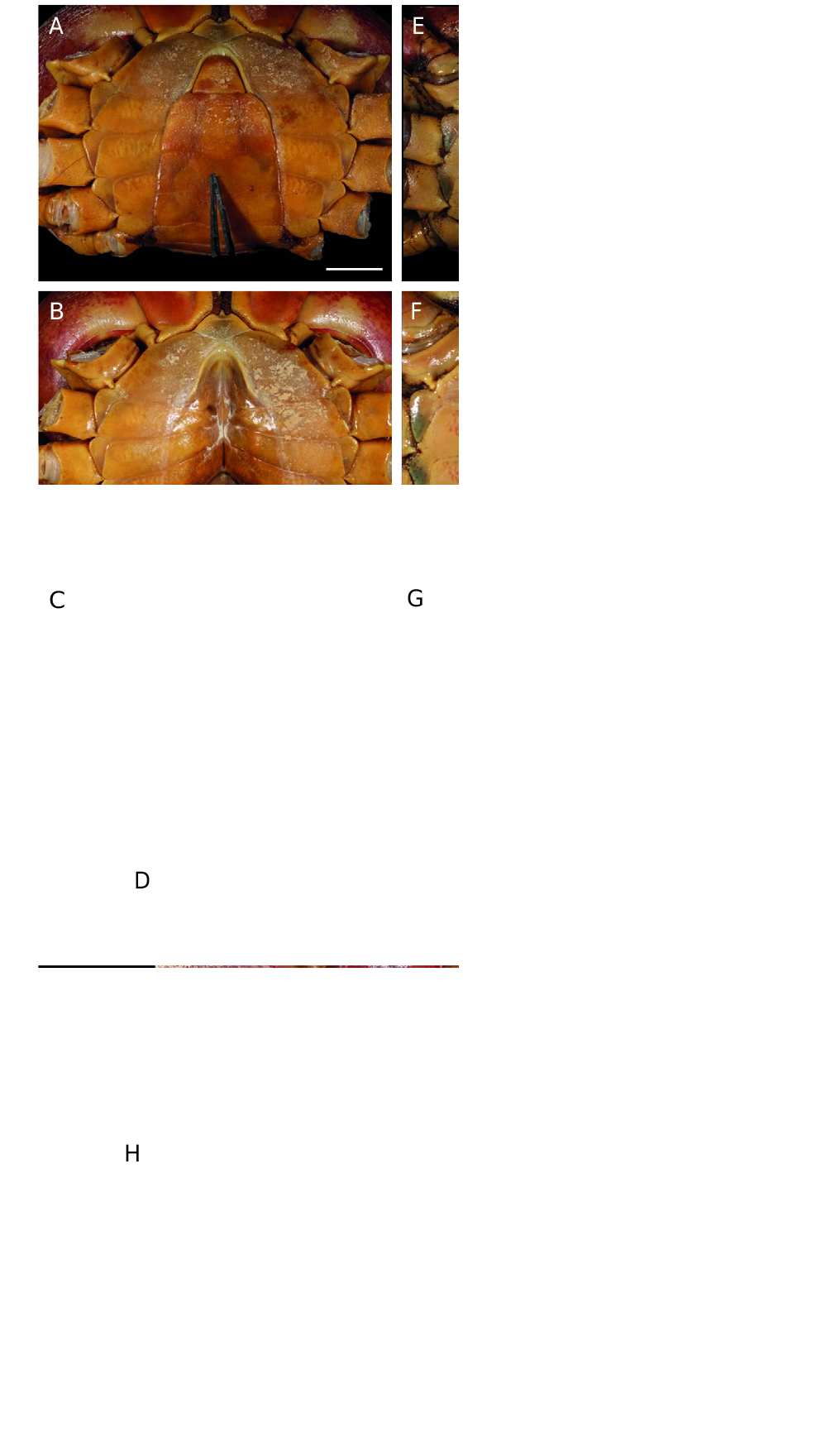
Epigrapsus
Epigrapsus is genus of terrestrial crabs. The two species are omnivores.
Epigrapsus notatus (Heller, 1865)
Epigrapsus politus Heller, 1862
Ramonia
Ramonia is a genus of lichen-forming fungi in the family Gyalectaceae. Species form thin crusts on bark or rock and partner with the green alga Trentepohlia as their photosynthetic partner. They are recognized by their distinctive urn-shaped apothecia (fruiting bodies), whose inrolled rims nearly close over the spore-producing surface, leaving only a small central pore. About 22 species are accepted, found mainly in tropical and temperate regions.
Scopalina
Scopalina is a genus of sponges belonging to the family Scopalinidae.
Tylophoron
Tylophoron is a genus of lichen-forming fungi in the family Arthoniaceae. It comprises seven species of crustose lichens, most of which occur in tropical regions.
Parmeliella
Parmeliella is a genus of lichen-forming fungi in the family Pannariaceae. It occurs mainly in the tropics and subtropics, with species found in Africa, Asia, Australasia and South America. These lichens form small, leaf-like or crusty patches that are often anchored by blue-black fibres, and they partner with nitrogen-fixing cyanobacteria. The genus was established in 1862 by the Swiss lichenologist Johannes Müller Argoviensis, who distinguished it from related genera by the structure of its fruiting bodies.
Endodesmia
Endodesmia calophylloides is a flowering plant species of the family Calophyllaceae and the sole species comprised in the genus Endodesmia. It is a shrub or tree native to southern Nigeria and west-central tropical Africa, including Cameroon, Gabon, Central African Republic, Republic of the Congo, and Democratic Republic of the Congo.
Desmonema
genus of cnidarians
Muellerella
Muellerella is a genus of lichenicolous lichens in the family Verrucariaceae. The genus has a widespread distribution, especially in northern temperate areas, and contains species that live on other lichens, or on liverworts.
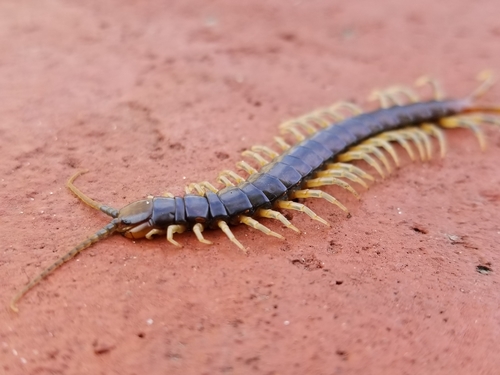
Rhysida
Rhysida is a large genus of Scolopendromorph centipedes in the subfamily Otostigminae. It is the second largest genus in the subfamily Otostigminae, with species found in the Neotropics, Indo-Malaya, and Africa. It shares some morphological characteristics with the genus Alluropus, and its phylogeny in the subfamily Otostigminae is somewhat uncertain.
Oeconesus
thumb|Type specimen of Oeconesus lobatus from the collections of [[Auckland War Memorial Museum]]
Opegraphaceae
Opegraphaceae is a family of lichen-forming and lichenicolous fungi in the order Arthoniales. It was originally proposed by German lichenologist Ernst Stizenberger in 1862. It fell into disuse, but was resurrected in a molecular phylogenetic study of the order Arthoniales published in 2010. It now includes taxa that were previously referred to the family Roccellaceae, its sister group.
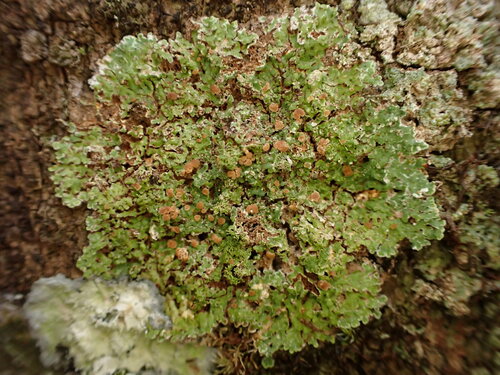
Physcidia
Physcidia is a genus of lichen-forming fungi in the family Ramalinaceae. The genus was circumscribed in 1862 by American lichenologist Edward Tuckerman.
Pseudosagedia
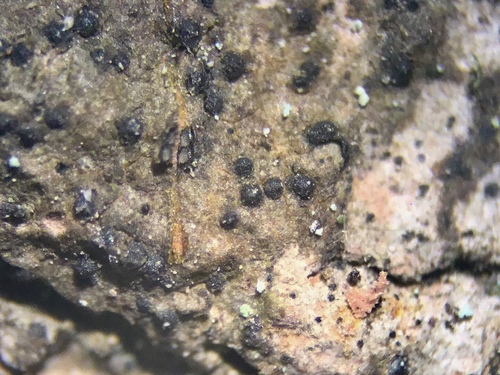
Pseudosagedia is a genus of corticolous (bark-dwelling) lichens in the family Porinaceae. It was first circumscribed as a section of genus Arthopyrenia by Swiss botanist Johannes Müller Argoviensis in 1862. Maurice Choisy elevated it to distinct generic status in 1949. Pseudosagedia was little used until, in 1995, Josef Hafellner and Klaus Kalb resurrected the genus to contain members of the Porina nitidula species group with the perithecial pigment called Pseudosagedia-violet and lacking setae.