Category
page 1Taxa described in 1889
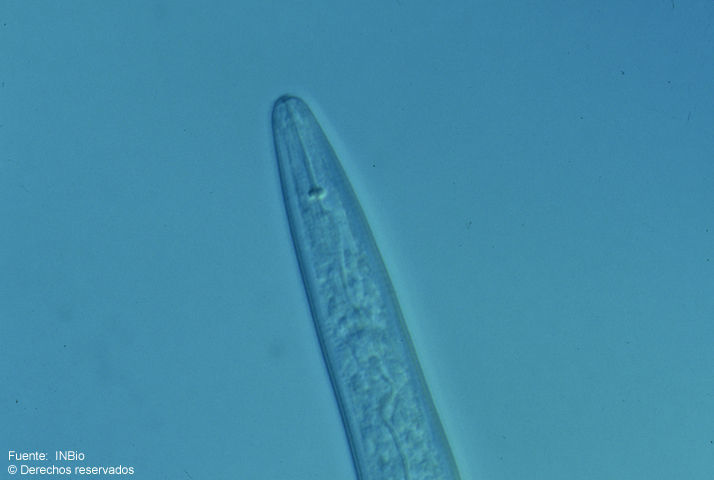
Meloidogyne
genus of worms

Agrocybe
Agrocybe is a genus of mushrooms in the family Strophariaceae (previously placed in the Bolbitiaceae). The genus has a widespread distribution, and contains about 100 species.
Auriculariales
The Auriculariales are an order of fungi in the class Agaricomycetes. Species within the order were formerly referred to the "heterobasidiomycetes" or "jelly fungi", since many have gelatinous basidiocarps (fruit bodies) that produce spores on septate basidia. Around 200 species are known worldwide, placed in six or more families, though the status of these families is currently uncertain. All species in the Auriculariales are believed to be saprotrophic, most growing on dead wood. Fruit bodies of several Auricularia species are cultivated for food on a commercial scale, especially in China.
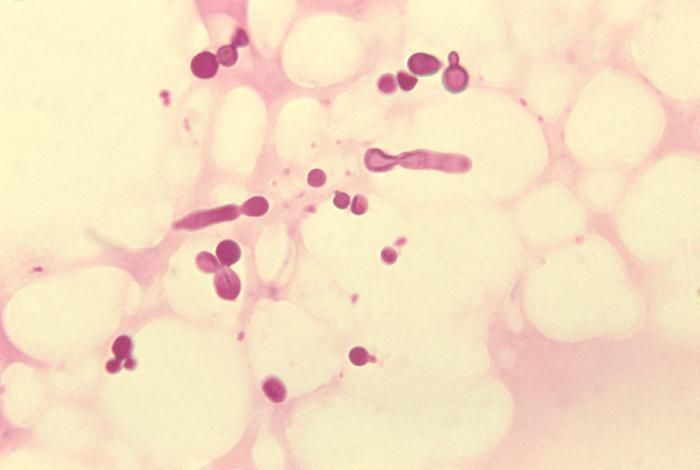
Malassezia
Malassezia is a genus of fungi (specifically, a yeast belonging to the division Basidiomycota).
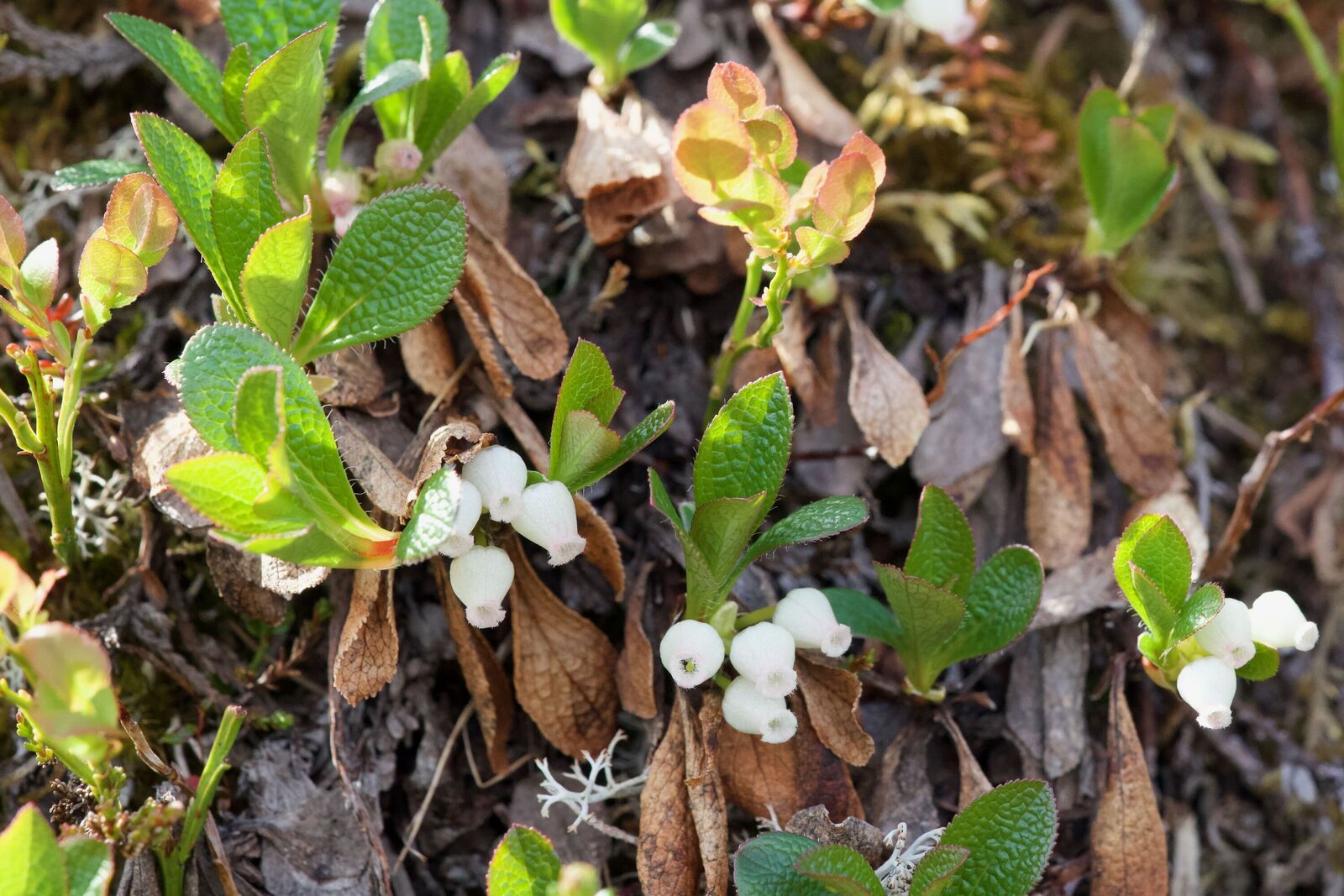
Arctous
Arctous is a genus of flowering plants referred to by the common name "bearberry", a name sometimes shared with certain species of the related genus Arctostaphylos, in particular, A. uva-ursi. Although the two genera are related, certain characters, such as deciduous, marcescent leaves, rugose-reticulate venation, and finely-toothed leaves are more typical of Arctous than Arctostaphylos.
Crinipellis
Crinipellis is a genus of fungus in the family Marasmiaceae. The genus has a widespread distribution and contains about 65 species.
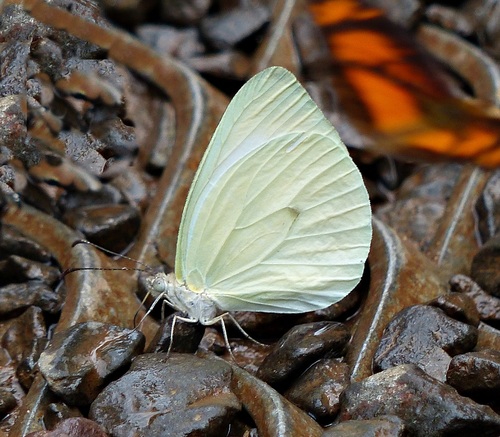
Pseudopieris
Pseudopieris is a genus of butterflies in the subfamily Dismorphiinae. They are native to the Americas.
Elaphomycetaceae
The Elaphomycetaceae are a family of fungi in the order Eurotiales. According to a 2008 estimate, the family contains two genera and 27 species.
Physisporinus
Physisporinus is a genus of fungi in the family Meripilaceae. The genus was circumscribed by Finish mycologist Petter Karsten in 1889.
Psalistops
Psalistops is a genus of brushed trapdoor spiders first described by Eugène Simon in 1889.
Pholiotina
Pholiotina is a genus of small agaric fungi. It was circumscribed by Swiss mycologist Victor Fayod in 1889 for Conocybe-like species with partial veils. The genus has since been expanded to include species lacking partial veils.
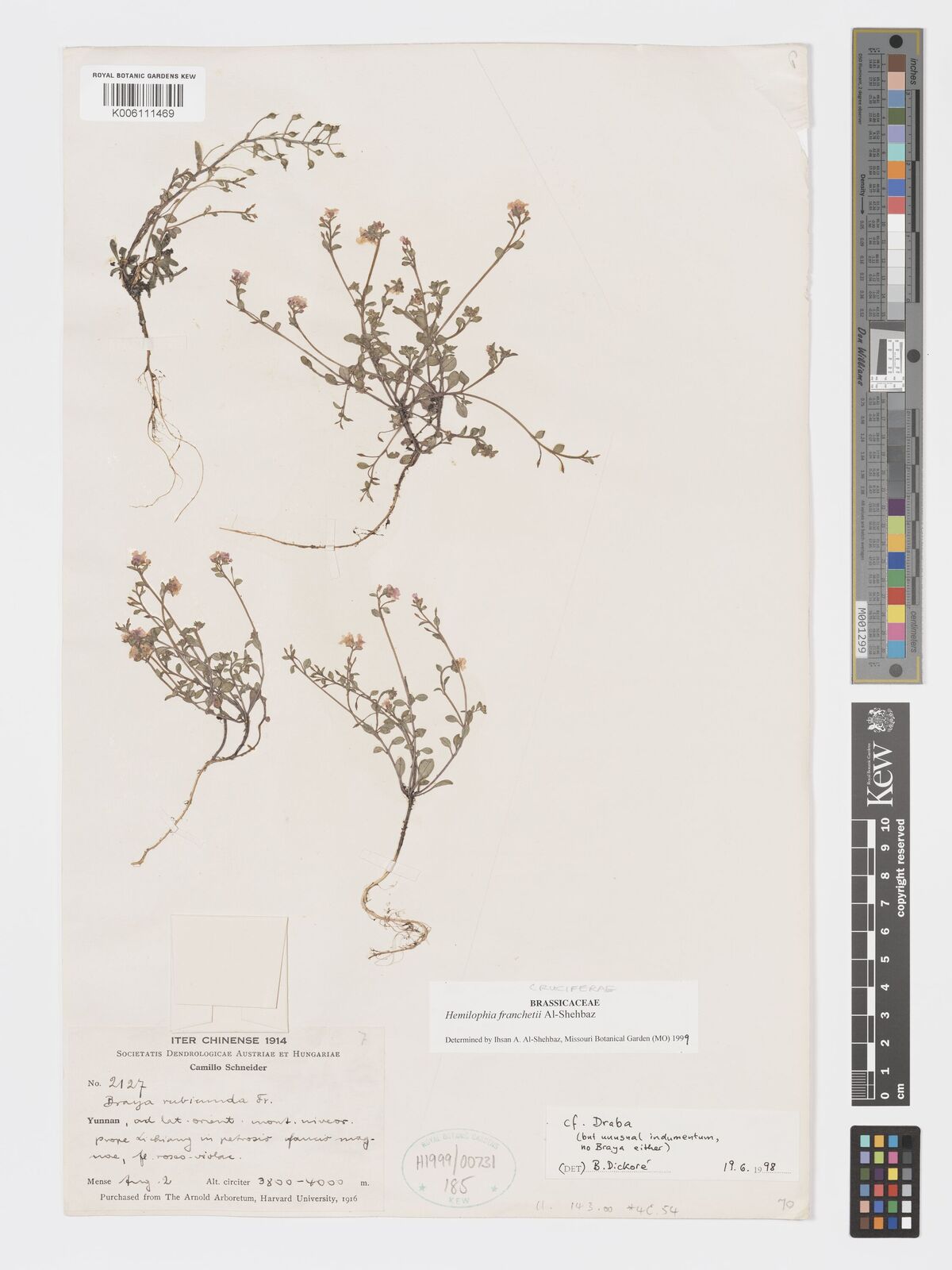
Hemilophia
Hemilophia is a genus of flowering plants belonging to the family Brassicaceae. It includes six species native to south-central China.
.jpg)
Phanerochaete
Phanerochaete is a genus of crust fungi in the family Phanerochaetaceae.
Holectypoida
The Holectypoida are an order of sea urchins related to the sand dollars. The order consists of just two living genera, but was once more diverse.
Rhabdodryas
Rhabdodryas is a genus of butterflies in the family Pieridae. The only species is the straight-line sulphur (Rhabdodryas trite).
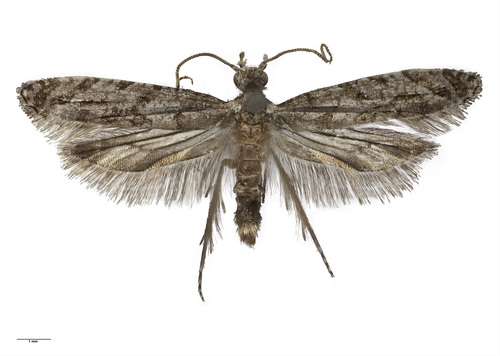
Archyala
Archyala is a genus of moths belonging to the family Tineidae. This genus is endemic to New Zealand. Archyala was first described by Edward Meyrick in 1889.
Scelidotheriinae
Scelidotheriidae is a family of extinct ground sloths within the order Pilosa, suborder Folivora and superfamily Mylodontoidea, related to the other extinct mylodontoid family, Mylodontidae, as well as to the living two-toed sloth family Choloepodidae. The only other extant family of the suborder Folivora is the distantly related Bradypodidae. Erected as the family Scelidotheriidae by Ameghino in 1889, the taxon was demoted to a subfamily of Mylodontidae by Gaudin in 1995. However, recent collagen sequence data indicates the group is less closely related to Mylodon and Lestodon than Choloepus
Lysiloma candidum
species of plant
Coccotrema
Coccotrema is a genus of lichen-forming fungi. It is the type genus of the family Coccotremataceae, in the order Pertusariales. The genus contains 16 species.
Pannoparmelia
Pannoparmelia is a genus of lichenised ascomycetes in the large family Parmeliaceae. It is a genus of five currently accepted species. Pannoparmelia species have a foliose growth habit. All members of the family have a symbiotic association with green alga and the majority of Parmeliaceae species have foloiose. The morphological diversity is enormous within this group and the specimen are difficult to identify in its species level. There are a range of habitats and climatic regions within this family and it includes tropical rainforest trees to subshrubs in Arctic tundra.[3]
Pectiniunguis
Pectiniunguis is a genus of centipedes in the family Schendylidae. This genus was described by American naturalist Charles Harvey Bollman in 1889. Centipedes in this genus feature second maxillae with claws fringed by two rows of filaments, transversally elliptical sternal pore-fields on almost all trunk segments, two pores on each coxopleuron, and ultimate legs without claws.
Cordieritidaceae
Cordieritidaceae is a family of fungi in the order Cyttariales. Species in this family are saprobes or lichenicolous.
Phaneromyces
Phaneromyces is a genus of lichen-forming fungi in the monotypic family Phaneromycetaceae (order Ostropales). Phaneromyces consists of two species known from temperate South America.
Siphulastrum
Siphulastrum is a genus of lichen-forming fungi in the family Pannariaceae. It has five species. The genus was circumscribed by Johannes Müller Argoviensis in 1889, with S. triste assigned as the type species.
Serangium
thumb|upright=0.5|Serangium maculigerum larva, New Zealand
Serangium is a genus in the lady beetle family (Coccinellidae).