Category
page 1Taxa described in 1890

Trogonoptera
Trogonoptera is a genus of birdwing butterflies from the rainforests of the Thai-Malay Peninsula, Borneo, Natuna, Sumatra, Palawan, and various small islands west of Sumatra. Their large size and stunning colors makes them highly prized by collectors. There are at least three theories as to why these butterflies have such distinctive markings on their wings: (1) the alternate green/black spear shapes mimic sharp thorns; (2) the green spear shapes mimic the camouflage pattern of a fern leaf when the butterfly is resting; (3) when flying, the black and green markings mimic those of green broadbi
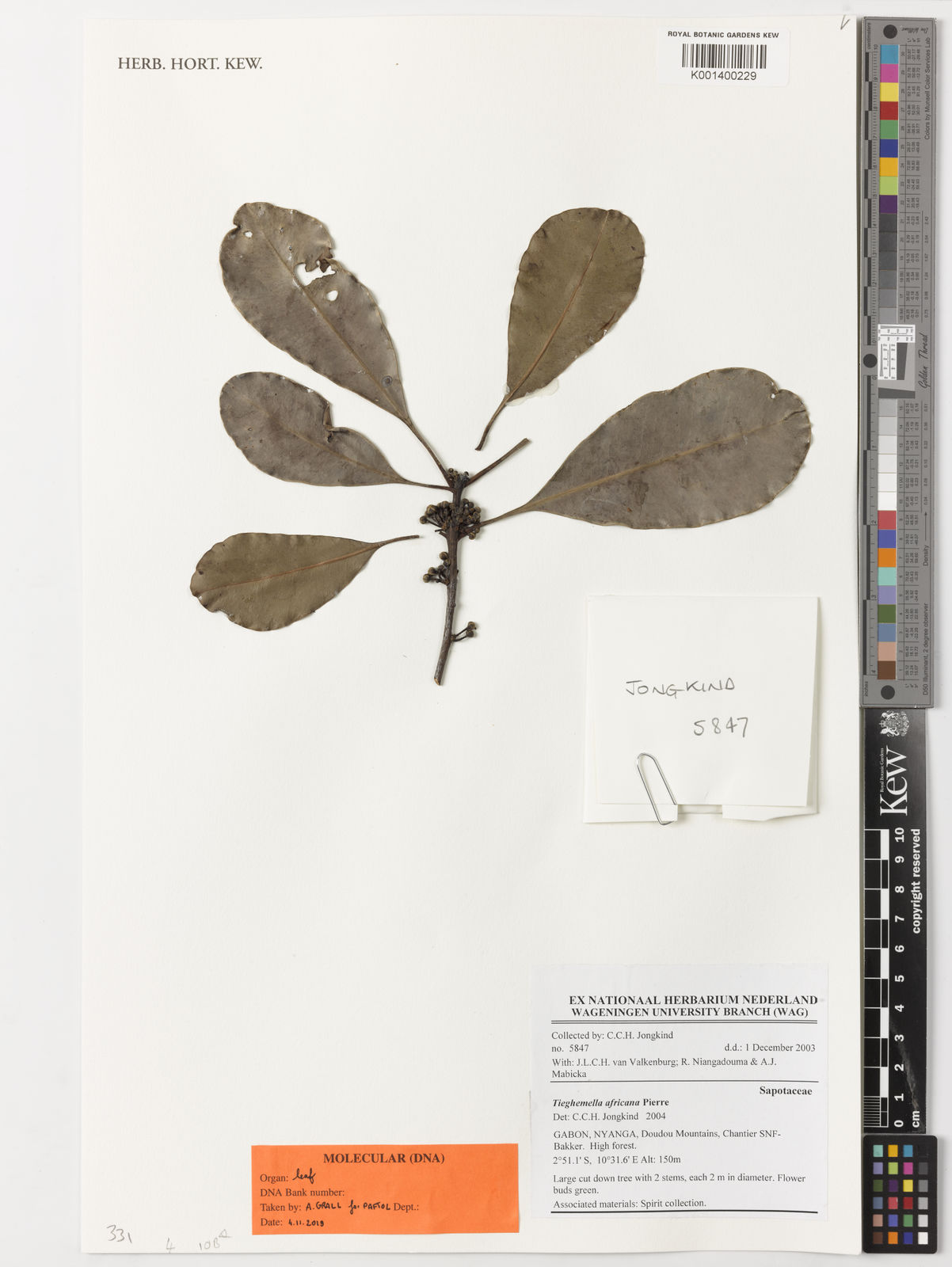
Tieghemella
Tieghemella is a genus of the plant family Sapotaceae described as a genus in 1890. The wood of Tieghemella species is known as makore in the lumber trade. The wood provides high chatoyance, with an average value above 20 PZC.
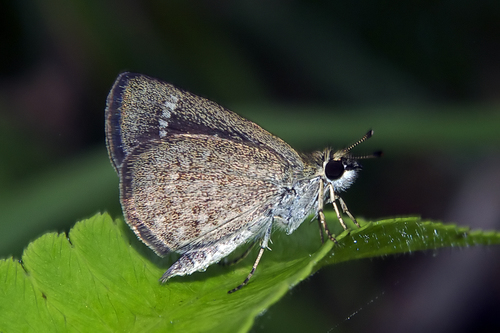
Aeromachus
Aeromachus is a genus of grass skippers in the family Hesperiidae. The species are known by the common name of scrub hoppers. They are found in the eastern Palearctic and the Indomalayan realm.
Micropholis
Micropholis is genus of trees in the family Sapotaceae, described in 1891.
Mathania
genus of insects
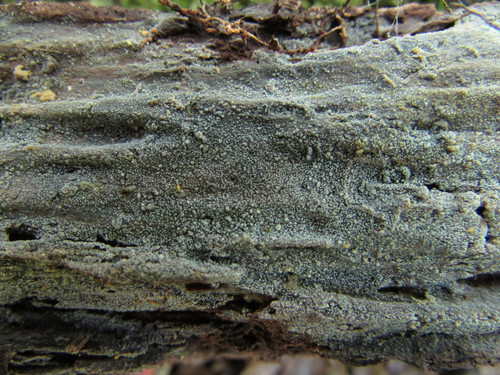
Scopuloides
Scopuloides is a genus of five species of crust fungi in the family Meruliaceae.
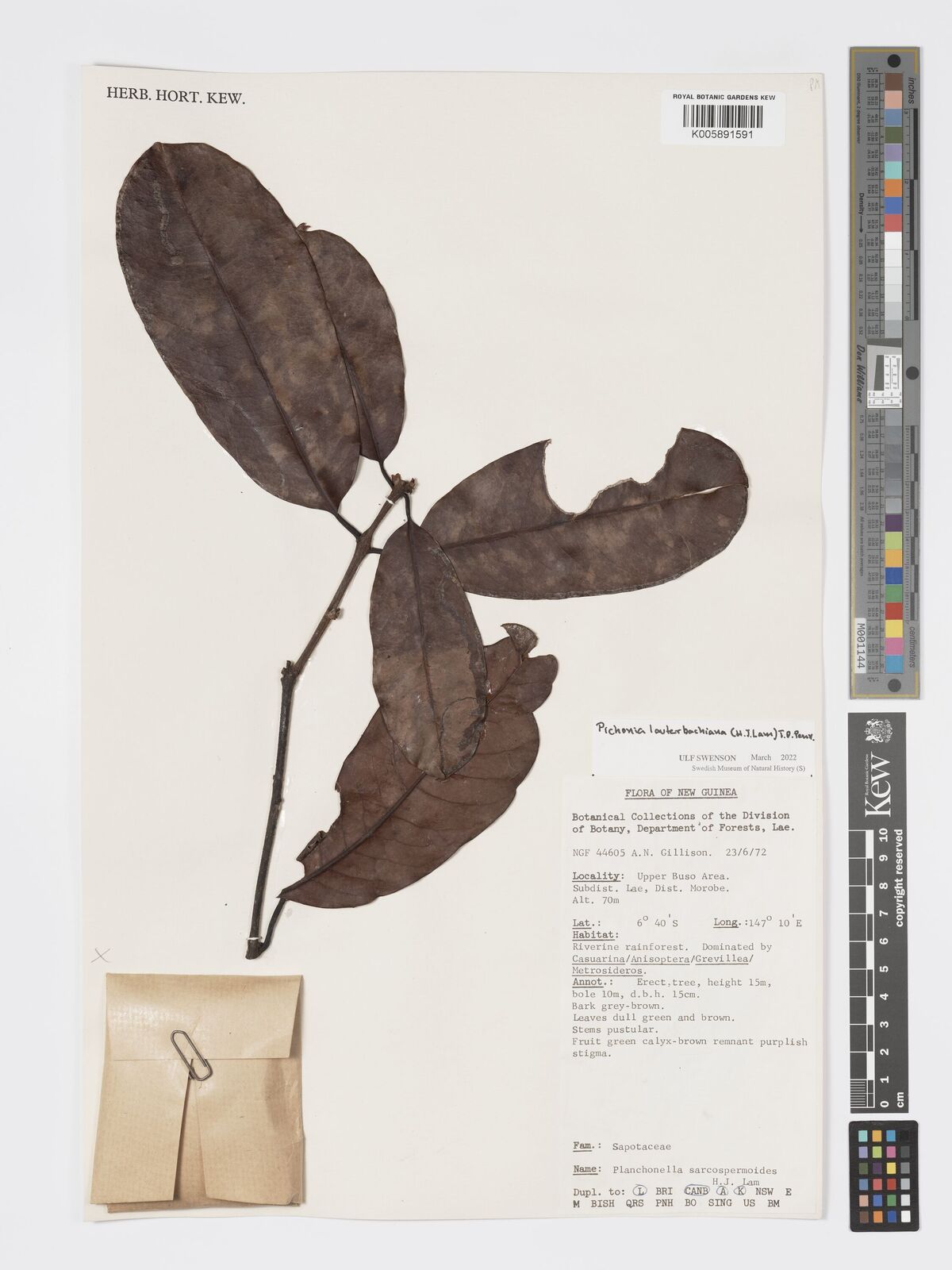
Pichonia
Pichonia is a group of trees in the Sapotaceae described as a genus in 1890.
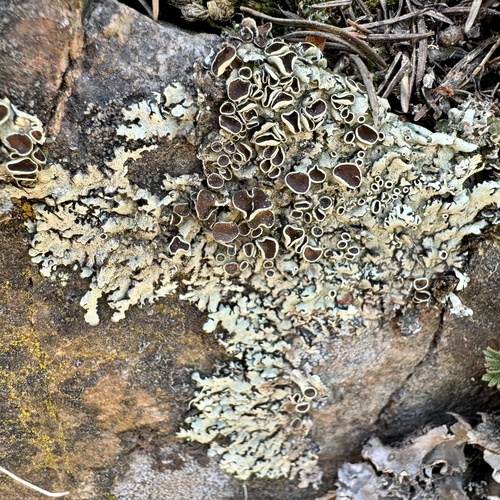
Xanthoparmelia
Xanthoparmelia (commonly known as green rock shields or rock-shield lichens) is a genus of foliose lichens in the family Parmeliaceae. This genus of lichen is commonly found in the United States, South America, southern Africa, Europe, Australia, and New Zealand.
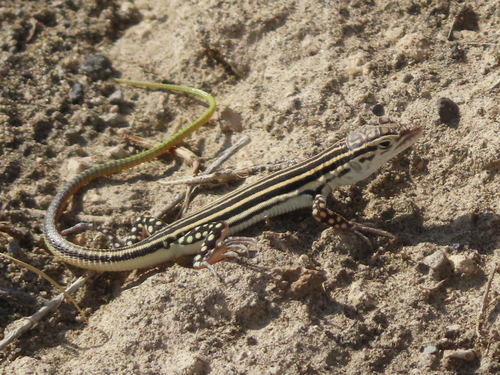
Rhabderemia
Rhabderemia is a genus of sponges belonging to the family Rhabderemiidae.
Hypotrachyna
Hypotrachyna is a genus of lichenized fungi within the family Parmeliaceae. According to the Dictionary of the Fungi (10th edition, 2008), the widespread genus contains about 198 species. Hypotrachyna was circumscribed by American lichenologist Mason Ellsworth Hale Jr in 1974.
Pseudocyphellaria
Pseudocyphellaria is a genus of large, leafy lichens that are sometimes referred to as "specklebelly" lichens. The genus has a widespread distribution, especially in south temperate regions, and contains about 170 species. They resemble Lobaria, except that most species of Pseudocyphellaria have conspicuous pseudocyphellae on their lower surface, a characteristic that was once considered unique to this genus. Some species contain pulvinic acid-related pigments; in these species the soredia and pseudocyphellae can be bright yellow.
Asterothyrium
Asterothyrium is a genus of leaf-dwelling lichens in the family Gomphillaceae. These tiny lichens form small, star-shaped fruiting bodies on the surface of leaves in tropical and subtropical forests. They are most commonly found in humid, shaded environments where leaves remain moist and clean. The genus includes 19 recognised species distributed primarily throughout Central and South America.
Trichosphaerella
Trichosphaerella is a genus of lichenicolous fungi in the family Niessliaceae.
Calenia
Calenia is a genus of lichen-forming fungi within the family Gomphillaceae.
Lemmopsis
Lemmopsis is a genus of fungi in the family Lichinaceae. These lichens form extremely small, black, crust-like growths that often appear as a thin dusting of granules on limestone rock or clay soil and become noticeably gelatinous when moist. Distinguished by their partnership with cyanobacteria that enables nitrogen fixation, they produce minute cup-shaped reproductive structures with reddish-brown and are identified by their combination of gelatinous thallus, robust-rimmed apothecia, and single-celled spores.
Mycobilimbia
Mycobilimbia is a genus of lichen-forming fungi in the family Ramalinaceae. These lichens are characterized by their crust-like growth form that appears as a thin layer on various surfaces, ranging in colour from creamy white to greenish-grey. The genus was proposed by the German lichenologist Heinrich Rehm in 1890. Mycobilimbia species can be identified by their distinctive reproductive structures (apothecia) that start as flat discs and later become convex bumps, typically in beige to reddish-brown colours.
Phlebiella
Phlebiella is a genus of crust fungi in the order Polyporales.
Aspidothelium
Aspidothelium is a genus of lichen-forming fungi in the family Thelenellaceae. All species in the genus have a tropical distribution and are crustose with a photobiont partner. Most Aspidothelium species are foliicolous (leaf-dwelling), although some corticolous (bark-dwelling) species are known, as well as a single saxicolous (rock-dwelling) member.
Cicadettinae
Cicadettinae is a subfamily of cicadas in the family Cicadidae. About 230 genera and 1,200 described species are placed in the Cicadettinae.
thumb|Onoralna falcata
Pterygiopsis
Pterygiopsis is a genus of lichen-forming fungi in the family Lichinaceae. It contains 12 species. These lichens form thin, blackish crusts that cling tightly to rock surfaces, especially in damp seepage zones or along stream margins, and develop pinpoint brown disc-like fruiting bodies on their surface. The genus is typically found in semi-aquatic to fully aquatic habitats, where the lichens lack distinct outer protective layers but have a slightly gelatinous texture when wet.
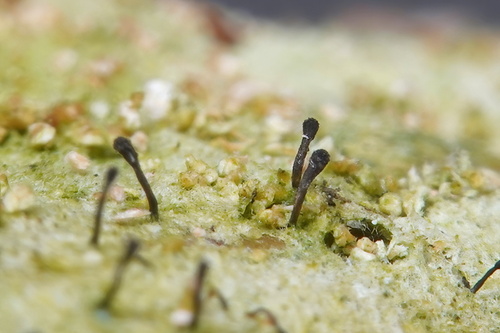
Mycocalicium
Mycocalicium is a genus of fungi in the family Mycocaliciaceae. The genus was circumscribed by Finnish lichenologist Edvard August Vainio in 1890.
Wildemania
Wildemania is a genus of foliose red algae of the family Bangiaceae.
==Species==
Wildemania contains eight species as of 2024.
Wildemania abyssicola (Kjellman) Mols-Mortensen & J.Brodie, 2012
Wildemania amplissima (Kjellman) Foslie, 1891
Wildemania miniata (C.Agardh) Foslie, 1891
Wildemania norrisii (V.Krishnamurthy) S.C.Lindstrom, 2011
Wildemania occidentalis (Setchell & Hus) S.C.Lindstrom, 2011
Wildemania schizophylla (Hollenberg) S.C.Lindstrom
Wildemania tenuissima (Strömfelt) De Toni, 1897
Wildemania variegata (Hollenberg) De Toni, 1890
Calotrichopsis
Calotrichopsis is a small genus of cyanolichens placed in the family Porocyphaceae. The genus was originally circumscribed by the Finnish lichenologist Edvard August Vainio in 1896. A 2024 multilocus study of the class Lichinomycetes emended Porocyphaceae and provisionally included Calotrichopsis in that family; earlier references had kept the genus in Lichinaceae. Species are minute, dark-coloured lichens partnered with cyanobacteria and are typically found on rock or soil in open, intermittently wet microhabitats. The family placement is considered tentative pending additional molecular samp
Microtheliopsis
Microtheliopsis is a genus of lichen-forming fungi in the family Microtheliopsidaceae. It comprises four species of foliicolous (leaf-dwelling) crustose lichens.
Tapellaria
Tapellaria is a genus of mostly leaf-dwelling lichens in the family Ectolechiaceae. These lichens form thin, paint-like crusts on their host surfaces and are found mainly in tropical regions of the Americas, with about twenty known species. The genus was first proposed in 1890 by the lichenologist Johannes Müller Argoviensis. Tapellaria lichens reproduce both sexually through small black disc-shaped structures and asexually through distinctive hood-shaped outgrowths that release thread-like spores.
Aphanoascus
Aphanoascus is a genus of fungi in the family Onygenaceae. It was circumscribed by Hugo Zukal in 1890.
Talainga
Talainga is a genus of Asian cicadas in the tribe Gaeanini, erected by William Lucas Distant in 1890. Species have been recorded from Bangladesh, China and Indochina.
Tethyspira
Tethyspira is a monotypic genus of sponges belonging to the family Dictyonellidae. The only species is Tethyspira spinosa.