Category
page 1Taxa described in 1894
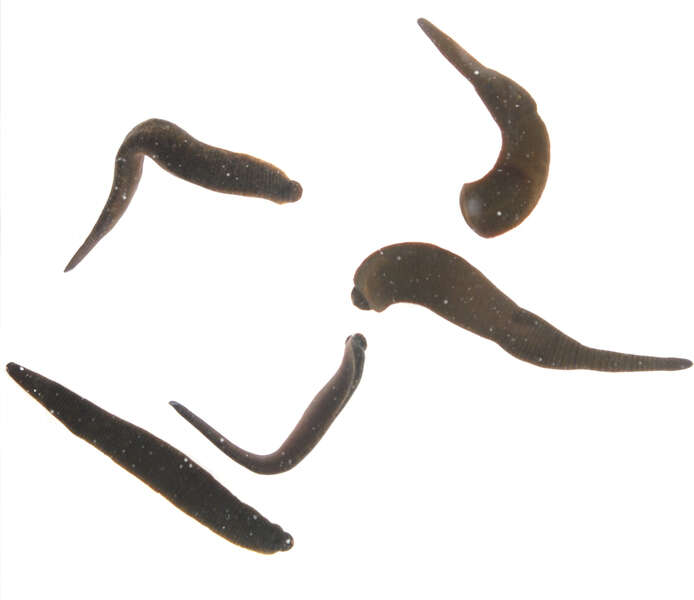
Arhynchobdellida
Arhynchobdellida, the proboscisless leeches, are a monophyletic order of leeches. They are defined by the lack of the protrusible proboscis that defines their sister taxon, the Rhynchobdellida. Arhynchobdellida is a diverse order, compromising both aquatic and terrestrial, besides sanguivorous and predatory, leeches. The order is divided into two suborders, Erpobdelliformes and Hirudiniformes (sometimes also called the Pharyngobdelliformes and Gnathobdelliformes, respectively).
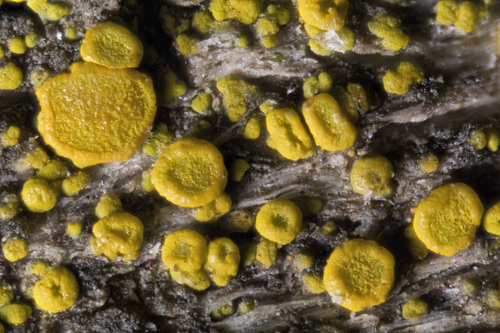
Candelariella
Candelariella is a genus of bright yellow, ocher, or greenish yellow crustose or squamulose lichens in the family Candelariaceae. Members of the genus are commonly called eggyolk lichens, goldspeck lichens, or yolk lichens.
Ocybadistes
Ocybadistes is a genus of skippers in the family Hesperiidae.
Mylon
Mylon is a genus of skippers in the family Hesperiidae.
Gorgopas
genus of insects

Bubaridae
Bubaridae is a family of sponges belonging to the order Bubarida. It has a cosmopolitan distribution.

Dictyochales
The silicoflagellates (order Dictyochales) are a small group of unicellular photosynthetic protists, or algae, belonging to the supergroup of eukaryotes known as Stramenopiles. They behave as phytoplankton and are present in oceanic waters. They are well known from harmful algal blooms that cause high mortality of fish. Additionally, they compose a rich fossil record represented by their silica skeletons.
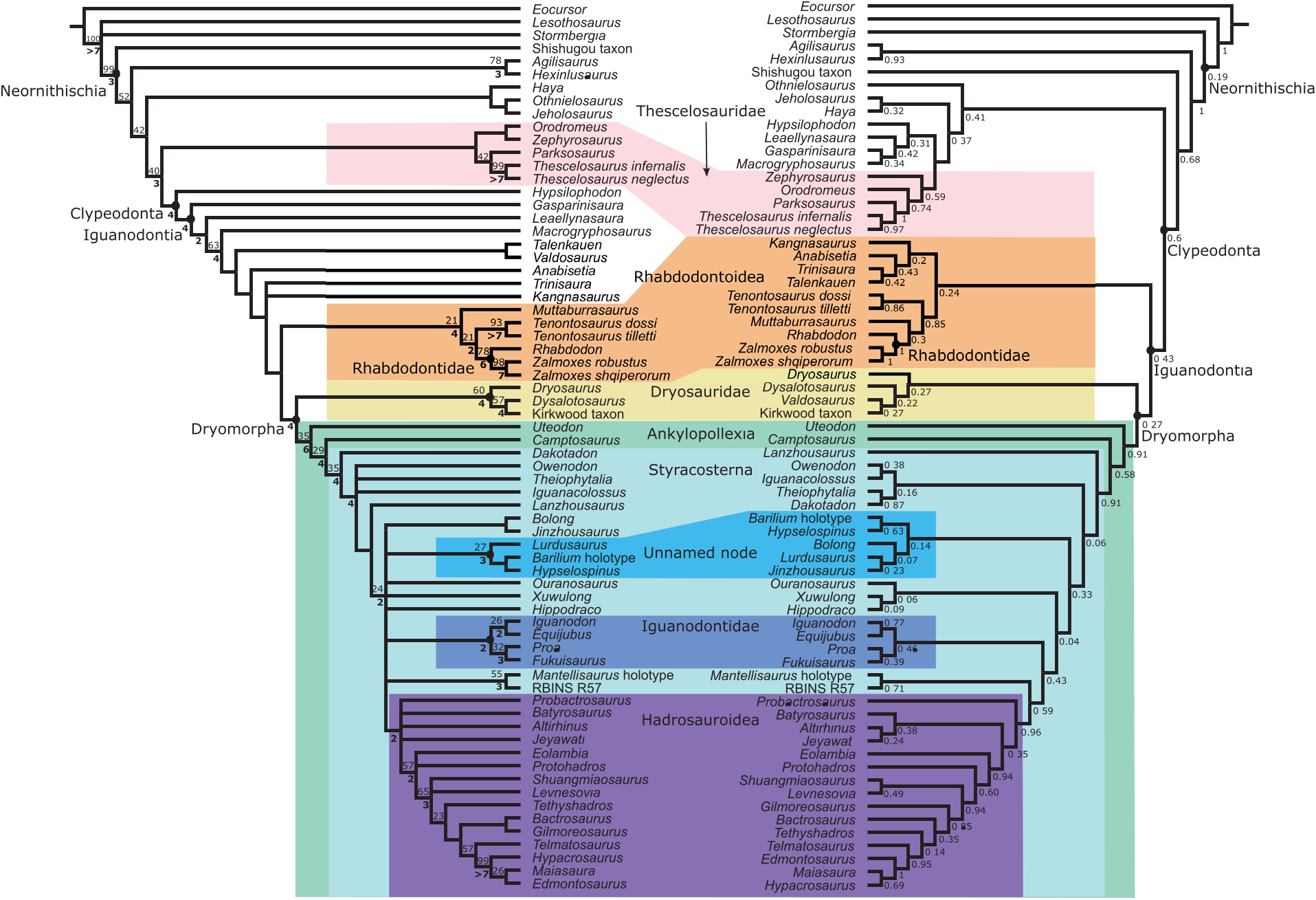
Eximia
Eximia is a genus of round-necked longhorn beetles of the subfamily Cerambycinae.
Amphiute
Amphiute is a genus of calcareous sponges belonging to the family Grantiidae.
Cheiridiidae
Cheiridiidae is a family of pseudoscorpions belonging to the order Pseudoscorpiones. It was described in 1894 by Danish zoologist Hans Jacob Hansen.
Ptychotricos
Ptychotricos is a genus of moths in the subfamily Arctiinae.
Hyperphyscia
Hyperphyscia is a genus of lichen-forming fungi in the family Physciaceae. These lichens form tightly attached, leaf-like crusts that spread outward in rosettes, with individual radiating in shallow, overlapping tiers that are seldom more than a millimetre or two wide and range in colour from pale brownish-grey to dark brown. They reproduce through brown, disc-shaped fruiting bodies that sit directly on the upper surface and contain thick-walled brown ascospores divided by a single cross-wall, typical of many members of their family.
Gibellula
Gibellula is a genus of parasitic fungi which attacks arachnids.
Choanephoraceae
The Choanephoraceae are a family of fungi in the order Mucorales. Members of this family are found mostly in the tropics or subtropics, and only rarely in temperate zones. The family currently includes species formerly classified in the family Gilbertellaceae.
Craterosiphon
Craterosiphon is a genus of flowering plants belonging to the family Thymelaeaceae.
Ascoideaceae
The Ascoideaceae are a family of yeasts in the order Saccharomycetales. It contains the two genera Ascoidea and Alloascoidea. Species in the family have a widespread distribution, and typically grow in beetle galleries in dead wood.
Monascaceae
Monascaceae is a former family of fungi in the subclass Eurotiomycetidae.
Actinonaias
Actinonaias is a genus of freshwater mussels in the family Unionidae.
Eracon
Eracon is a genus of skipper butterflies in the family Hesperiidae.
Deinypena
Deinypena is a genus of moths of the family Erebidae.
Abraxaphantes
Abraxaphantes is a monotypic moth genus in the family Geometridae described by Warren in 1890. Its only species, Abraxaphantes perampla, was first described by Charles Swinhoe in 1890.(Swinhoe, 1890) It is found in Myanmar and Thailand.
Phyllopsora
Phyllopsora is a genus of lichen-forming fungi in the family Ramalinaceae.
Olinga
genus of insects
Sarcoporia
Sarcoporia is a genus of polypore fungi in the family Polyporaceae. The genus was circumscribed by Petter Karsten in 1894, with the widespread fungus Sarcoporia polyspora as the type species. The genus name combines the Ancient Greek words ("flesh") and ("pore").
Mycobonia
Mycobonia is a genus of tooth fungi in the family Polyporaceae. It was once placed in the family Gloeophyllaceae, but Phylogenetic analysis and some microscopic characters place Mycobonia within the Polyporaceae, even making it synonymous with Polyporus. Mycobonia was circumscribed by French mycologist Narcisse Théophile Patouillard in 1894, with M. flava (then classified as a species of Hydnum) as the type species.
Pseudoeconesus
Pseudoeconesus is a genus of caddisflies belonging to the family Oeconesidae. The genus was first recognised by Robert McLachlan in 1894. All known species of Pseudoeconesus are endemic to New Zealand.
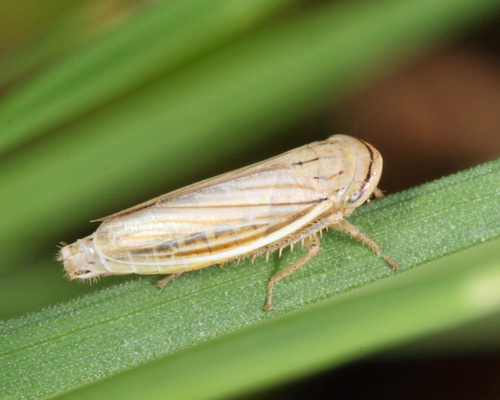
Athysanus
genus of plants
Laxus
Laxus is a genus of nematode worms from the subfamily Stilbonematinae of the family Desmodoridae. Like other members of this subfamily, they are covered by a layer of symbiotic sulfur-oxidizing bacteria, which in Laxus are coccoid in shape. They are distinguished from other stilbonematine genera by the finely-annulated somatic cuticle, thickened cephalic cuticle, small and coiled amphidial fovea, and lack of male structures. There are at least five species in the genus. Some species have a dense bacterial coat.
Thauria
Thauria or the junglekings is a genus of butterflies in the family Nymphalidae. The genus ranges from Burma to Borneo. The butterflies are large and brightly coloured on the dorsal surface. There is a transverse white stripe on the forewing and one or two white apical spots. The hindwing has a broad yellow margin. The ventral wing surfaces are disruptively patterned and look like dead leaves, allowing the butterflies to blend into leaf litter on the forest floor. Cryptic ventral patterns have arisen multiple times in various forest-floor dwelling groups of Nymphalidae.