Category
page 1Taxa described in 1910
Sparassidaceae
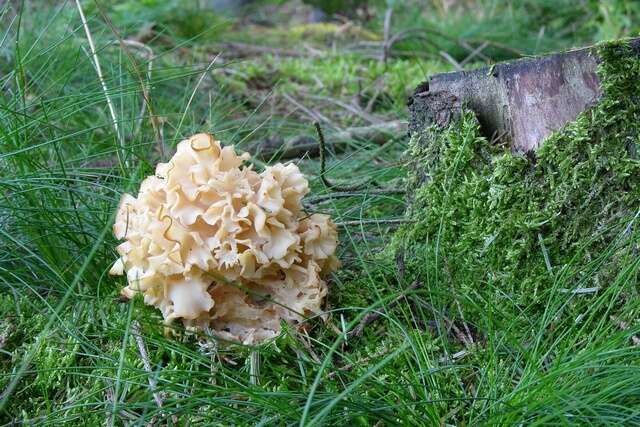
The Sparassidaceae are a family of fungi in the order Polyporales. The family was circumscribed by German botanist Wilhelm Herter in 1910 to contain the genus Sparassis. Sparassiella was added to the family in 1964. , Index Fungorum accepts 10 species in the Sparassidaceae.
Diphyllobothriidae
Diphyllobothriidae is a family of Cestoda (tapeworms). Members of this family are gut parasites of vertebrates. In most species the definitive hosts are marine or aquatic mammals such as cetaceans and pinnipeds, the first intermediate host usually being a crustacean and the second intermediate a fish. The genus Diphyllobothrium is found as an adult in mammals and fish-eating birds, including the domestic cat. The genus Spirometra tends to have a land-dwelling or semi-aquatic vertebrate as its second intermediate host, with the adults usually occurring in felines.
Banisteriopsis
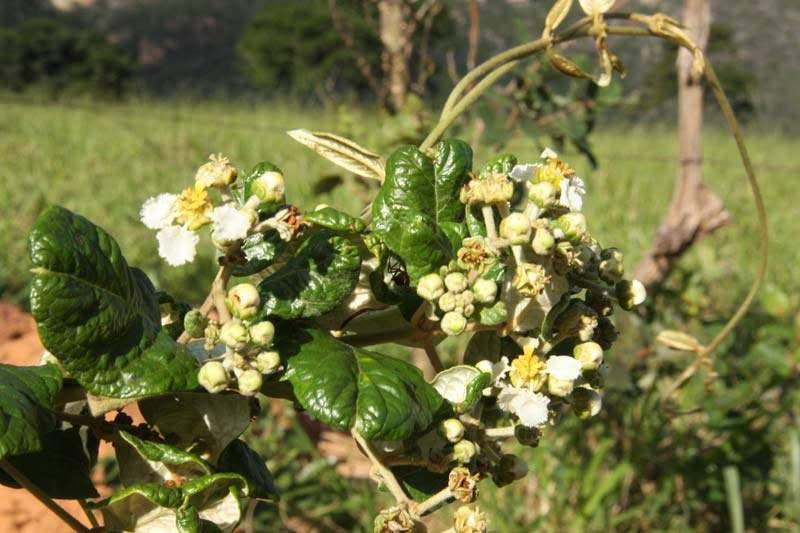
Banisteriopsis is a genus of flowering plants in the family Malpighiaceae. There are about 65 species which range from northeastern Mexico and Cuba through Central and South America to northern Argentina. Most are native to Brazil, Bolivia, Colombia, Ecuador, and Peru.
Corticiaceae
The Corticiaceae are a family of fungi in the order Corticiales. The family formerly included almost all the corticioid (patch- or crust-forming) fungi, whether they were related or not, and as such was highly artificial. In its current sense, however, the name Corticiaceae is restricted to a comparatively small group of corticioid genera within the Corticiales.
Cariomothis
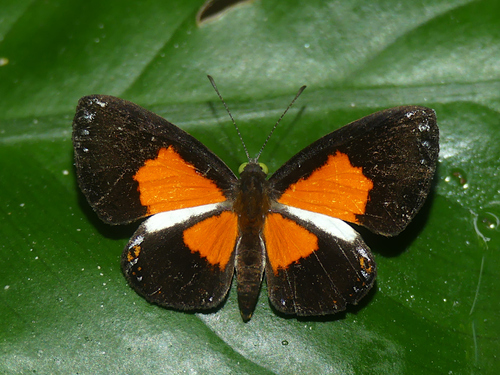
Cariomothis is a butterfly genus in the family Riodinidae. They are resident in the Neotropics.
Pseudocercospora
Pseudocercospora is a genus of ascomycete fungi. An anamorphic version of the genus Mycosphaerella, Pseudocercospora species are plant pathogens, including the causal agent of the so-called South American leaf blight of the rubber tree. The widely distributed genus is concentrated predominantly in tropical regions. Pseudocercospora was circumscribed by Italian-Argentinian botanist Carlos Luigi Spegazzini in 1910.
Colaciticus
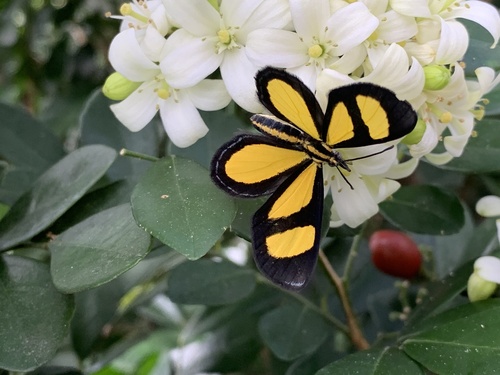
Colaciticus is a butterfly genus in the family Riodinidae. They are resident in the Neotropics.
Chalodeta
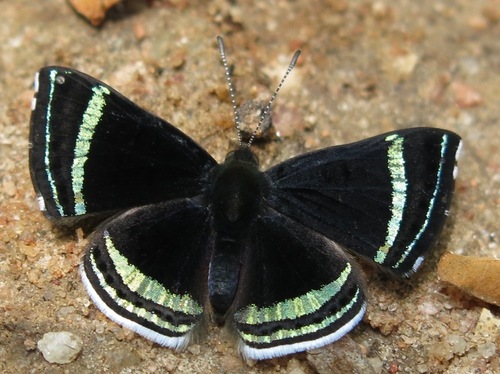
Chalodeta is a butterfly genus in the family Riodinidae. They are resident in the Neotropics.
Paraphthonia
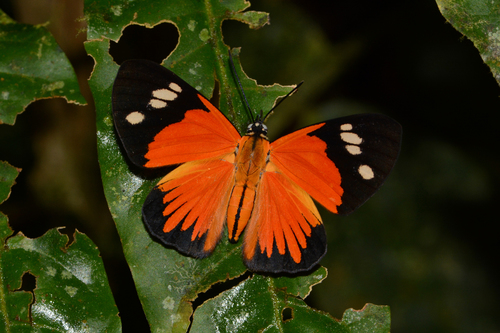
Paraphthonia is a genus in the butterfly family Riodinidae present only in the Neotropical realm.
Dothidasteromella
Dothidasteromella is a genus of fungi in the Asterinaceae family. The relationship of this taxon to other taxa within the class is unknown (incertae sedis), and it has not yet been placed with certainty into any order.
Leptataspis
Leptataspis is a genus of Asian froghoppers belonging to the family Cercopidae and tribe Suracartini.
Ochromonadales
Ochromonadales is an order of single-celled algae belonging to the class Chrysophyceae, also known as golden algae. Initially it contained numerous groups of flagellates that were not closely related. During the late 20th century, advancements in molecular and ultrastructural studies allowed the transfer of many of these groups out of Ochromonadales, and the order was reduced to a single family Ochromonadaceae. They are aquatic single-celled flagellated algae, with two heterokont flagella each, some of which have secondarily lost their chloroplasts and appear colorless.
Hybosispini
Hybosispini is a tribe of mostly tropical American leaf beetles within the subfamily Cassidinae.
Lobonema
Lobonema is a monotypic genus of cnidarians belonging to the family Lobonematidae. The only species is Lobonema smithii.
Disholcaspis
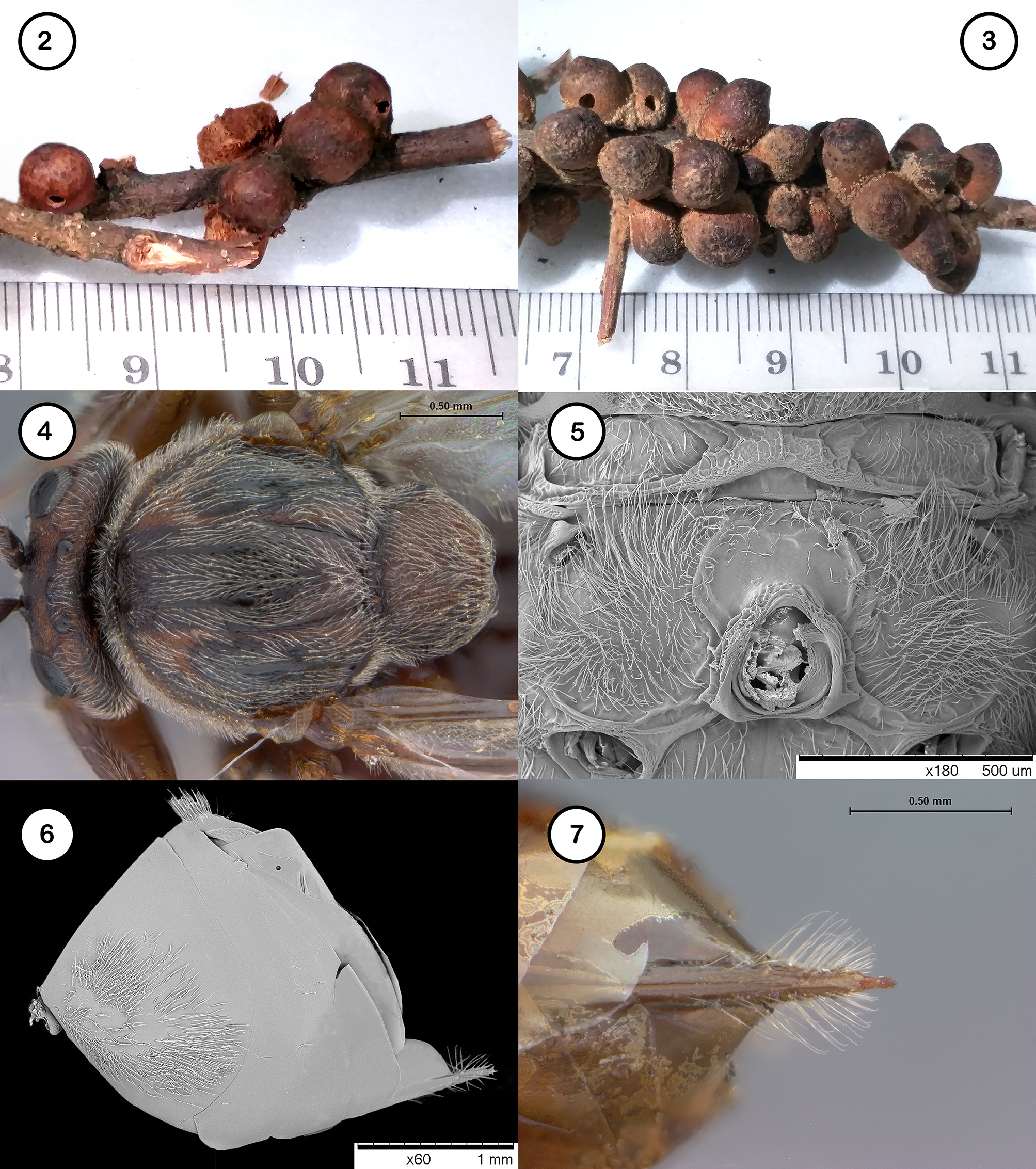
Disholcaspis is a genus of gall wasps in the family Cynipidae. There are more than 40 species described in the genus Disholcaspis. Some Disholcaspis species induce galls that produce honeydew, a sweet liquid that attracts yellow jackets, ants, and bees. These insects then protect the galls from parasitic wasps.