Category
page 1Taxa described in 1931

Acanthamoeba
Acanthamoeba is a genus of amoebae that are commonly recovered from soil, fresh water, and other habitats.
The genus Acanthamoeba has two stages in its life cycle, the metabolically active trophozoite stage and a dormant, stress-resistant cyst stage. In nature, Acanthamoeba species are generally free-living bacterivores. However, they are also opportunistic pathogens able to cause serious and potentially fatal infections in humans and other animals.
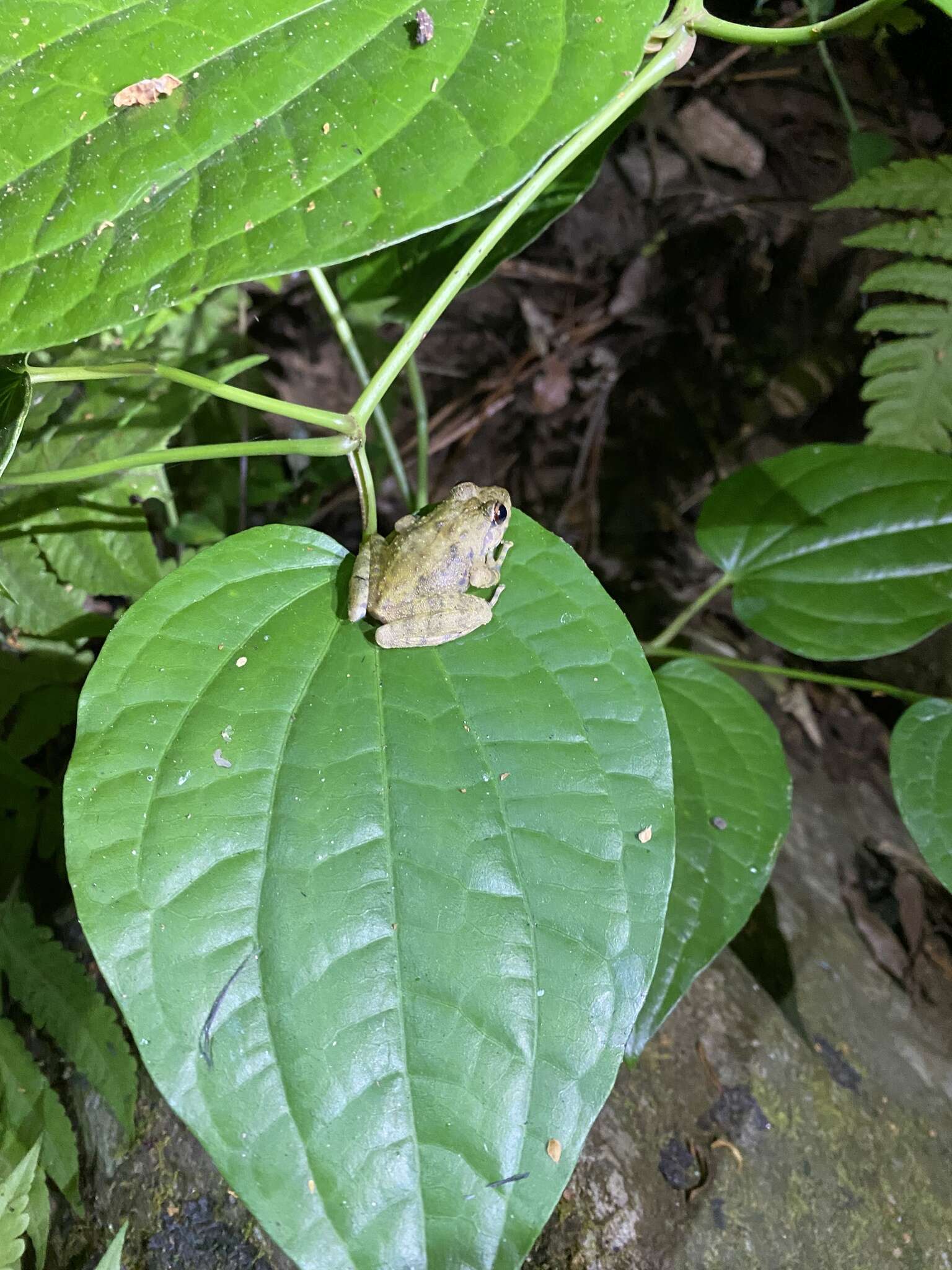
Petropedetidae
The Petropedetidae are a family of frogs containing two genera and 11 species. They are found in sub-Saharan tropical Africa and are sometimes known under common name African torrent frogs.

Ophiocordyceps
Ophiocordyceps is a genus of fungi within the family Ophiocordycipitaceae. The widespread genus, first described scientifically by British mycologist Tom Petch in 1931, contains about 140 species that grow on insects. Anamorphic genera that correspond with Ophiocordyceps species are Hirsutella, Hymenostilbe, Isaria, Paraisaria, and Syngliocladium.
Mycoacia
Mycoacia is a genus of toothed crust fungi in the family Meruliaceae. It was circumscribed by Dutch mycologist Marinus Anton Donk in 1931.
Pseudodistomidae
Pseudodistomidae is a family of tunicates belonging to the order Aplousobranchia.
Allantonematidae
thumb|left|A fly infected with Howardula nematodes
Allantonematidae is a family of insect-parasitic nematodes from the order Tylenchida. Allantonematid nematodes infect a variety of insects including beetles, butterflies, flies, thrips, ants, and more. For instance, the nematode Howardula aoronymphium parasitizes mushroom-feeding fruit flies, Formicitylenchus oregonensis parasitizes carpenter ants, and Metaparasitylenchus hypothenemi parasitizes a pest of coffee beans, the coffee berry borer.
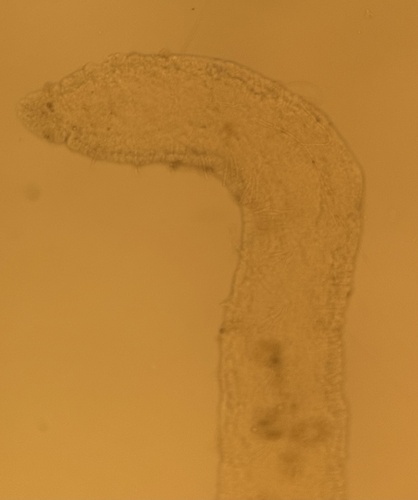
Jenkina
Jenkina is a genus of sponges belonging to the family Jenkinidae.
Pronectria
Pronectria is a genus of fungi in the family Bionectriaceae. It consists of 44 species, all of which are lichenicolous. The genus was circumscribed by American plant ecologist Frederic Clements in 1931.
Psalenoba
Psalenoba, is a monotypic genus of harvestmen in the family Triaenonychidae. The genus contains a single species, Psalenoba nunciaeformis. They are endemic to New Zealand.
Pleurosticta
Pleurosticta is a small genus of foliose lichens belonging to the family Parmeliaceae. It has two species.
Metawithius
Metawithius is a genus of pseudoscorpions in the Withiidae family. It was described in 1931 by American arachnologist Joseph Conrad Chamberlin.
Botryobasidium
Botryobasidium is a genus of corticioid fungi belonging to the order Cantharellales. Basidiocarps (fruit bodies) are ephemeral and typically form thin, web-like, white to cream, effused patches on the underside of fallen branches, logs, and leaf litter. Several species form anamorphs producing chlamydospores. All species are wood- or litter-rotting saprotrophs and the genus has a worldwide distribution.
Parachernes
Parachernes is a genus of pseudoscorpions in the subfamily Chernetinae, first described by Joseph Conrad Chamberlin in 1931.

Cryptocheiridium
Cryptocheiridium is a genus of pseudoscorpions in the Cheiridiidae family. It was described in 1931 by American arachnologist Joseph Conrad Chamberlin.
Hendea
REDIRECT List of Triaenonychidae species
Alpova
Alpova is a genus of fungi in the family Paxillaceae. It contains about 20 species of ectomycorrhizal false-truffles that collectively have a widespread distribution, especially in northern temperate areas. The genus was circumscribed by Carroll William Dodge in 1931.
Mucrospirifer
Mucrospirifer is a genus of extinct brachiopods in the class Rhynchonellata (Articulata) and the order Spiriferida. They are sometimes known as "butterfly shells". Like other brachiopods, they were filter feeders. These fossils occur mainly in Middle Devonian strata and appear to occur around the world, except in Australia and Antarctica.
Pseudogarypinus
Pseudogarypinus is a genus of pseudoscorpions in the Garypinidae family. It was described in 1931 by Austrian arachnologist Max Beier.
Philomaoria
Philomaoria is a genus of pseudoscorpions in the Cheliferidae family. It was described in 1931 by American arachnologist Joseph Conrad Chamberlin.
Anodontodora
Anodontodora is a genus of beetles in the family Buprestidae, containing the following species:
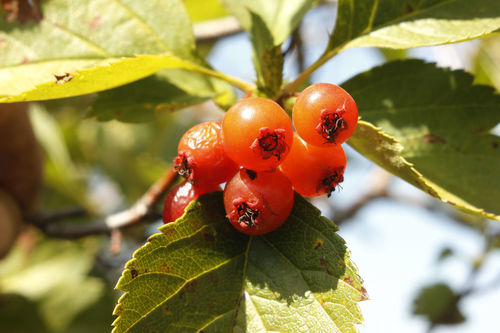
Chlorocarpa
Chlorocarpa is a genus of flowering plants belonging to the family Achariaceae. It contains a single species, Chlorocarpa pentaschista, a tree endemic to Sri Lanka.
Austronuncia
REDIRECT List of Triaenonychidae species
Decapauropus
Decapauropus is a large genus of pauropods in the family Pauropodidae that includes more than 300 species. This genus was originally described by the French zoologist Paul Remy in 1931 to contain the newly discovered type species Decapauropus cuenoti. As the name of this genus suggests, this genus is notable for including females with ten pairs of legs instead of the nine leg pairs usually found in adult pauropods in the order Tetramerocerata. Before the discovery of D. cuenoti, adult pauropods were thought to have invariably nine pairs of legs.
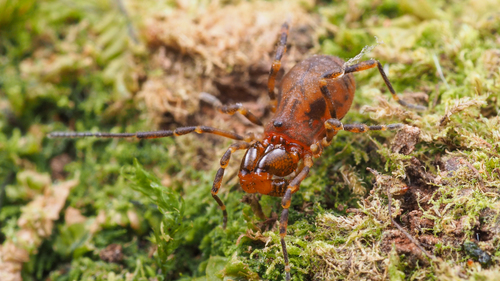
Calliuncus
REDIRECT List of Triaenonychidae species
Montadaeum
REDIRECT List of Triaenonychidae species
Micradaeum
REDIRECT List of Triaenonychidae species