Category
page 1Taxa described in 1935
Zenonia
genus of butterflies
Nannophyopsis
Nannophyopsis is a genus of small-sized dragonflies in the skimmer family Libellulidae. First described by Maurits Lieftinck in 1935, it consists of two species found throughout the Indomalayan biogeographical realm.
Porocephalida
Porocephalida is an order of tongue worms. Some species in this order, such as Armillifer grandis, have been found in vipers, with some found in vipers from bushmeat markets. At least one species within this order, Subtriquetra subtriquetra, has a free-living larval stage.
Dichistiidae
REDIRECT Dichistius
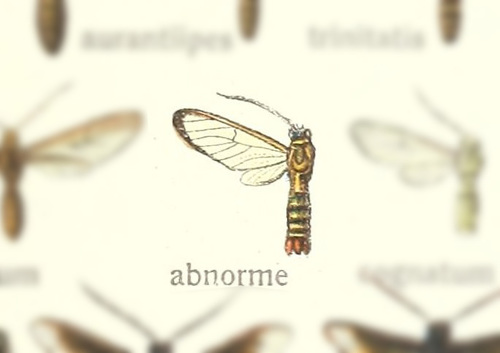
Abnormipterus abnormis
Abnormipterus is a monotypic moth genus in the erebid subfamily Arctiinae described by Orfila in 1935. Its single species, Abnormipterus abnormis, was first described by George Hampson in 1898. It is found in the lower Amazon River basin.
Parorthocladius
Parorthocladius is a genus of European non-biting midges in the subfamily Orthocladiinae of the bloodworm family (Chironomidae).
Buelliella
Buelliella is a genus of lichenicolous (lichen-dwelling) fungi in the family Stictographaceae. It comprises 13 thirteen species. The genus was established in 1935 by the American lichenologist Bruce Fink, who originally included seven species. These fungi are parasites that live on other lichens, producing small disc-shaped fruiting bodies that start buried in their host and later emerge at the surface.
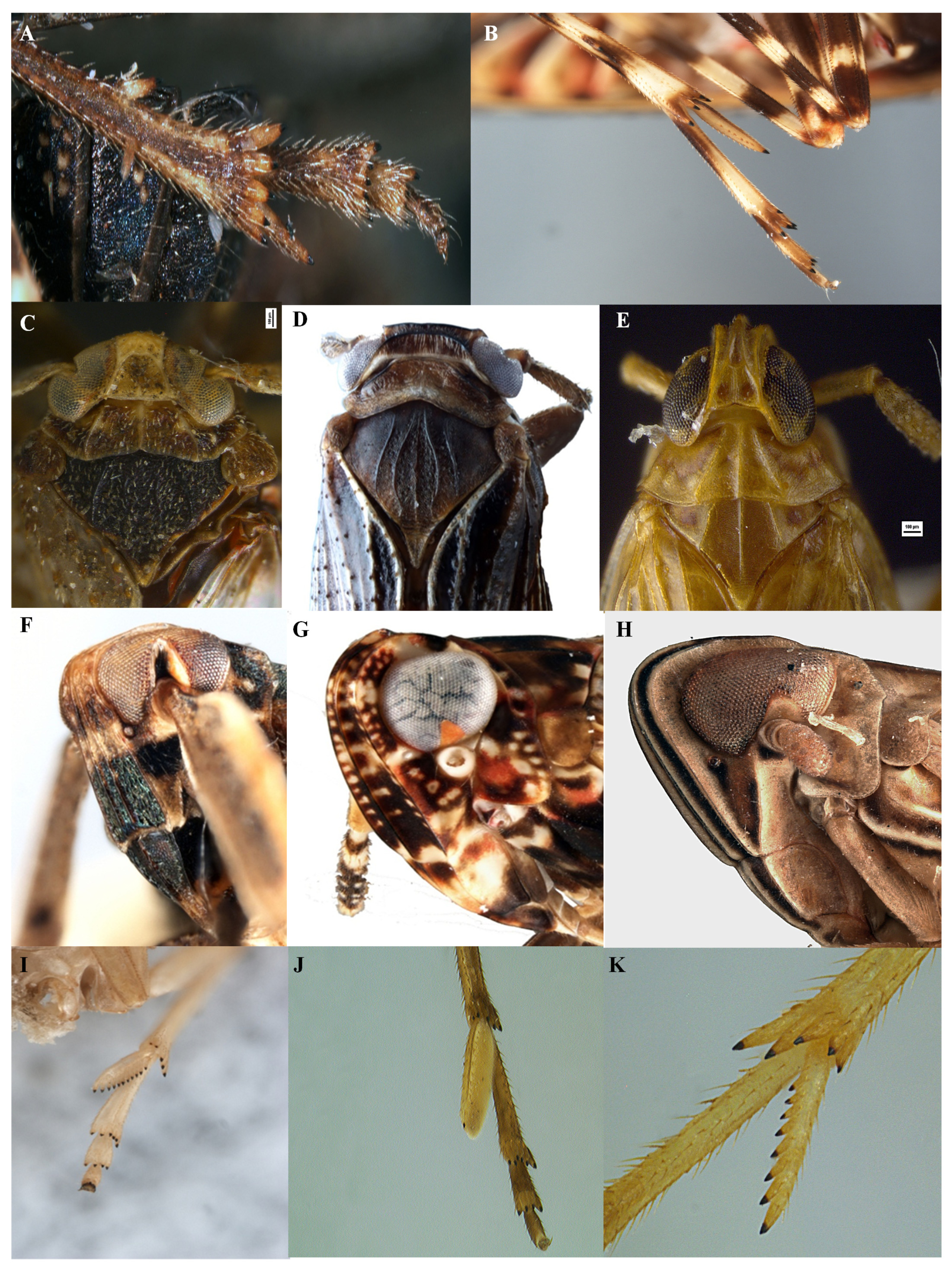
Unkana (Delphacidae)
genus of insects (planthoppers)
Gloeoheppia
Gloeoheppia is a genus of lichen-forming fungi in the family Lichinaceae. It comprises five species. Members of the genus form small, scaly to slightly shield-shaped patches that are usually dark brown, olive, or blackish, and many become more swollen when wet. They mostly live in warm, dry regions on calcareous soil or rock, where they often form part of biological soil crusts that help bind and stabilise bare ground. Gloeoheppia is distinguished from similar-looking lichens like Heppia by its internal structure, the nature of its , and details of its reproductive structures.