Category
page 1Taxa described in 1975

Cladotheria
Cladotheria is a clade (sometimes ranked as a legion) of mammals. It contains modern therian mammals (marsupials and placental mammals) and several extinct groups, such as the "dryolestoids", amphitheriids and peramurids. The clade was named in 1975 by Malcolm McKenna. In 2002, it was defined as a node-based taxon containing "the common ancestor of dryolestids and living therians, plus all its descendants". A different, stem-based definition was given in 2013, in which Cladotheria contains all taxa that are closer to Mus musculus (the house mouse) than to the "symmetrodont" Spalacotherium tric

Trechnotheria
Trechnotheria is a group of mammals that includes the therians and some fossil mammals from the Mesozoic Era. It includes both the extinct symmetrodonts and the living Cladotheria.
Cimolesta
Cimolesta is an extinct order of non-placental eutherian mammals. Cimolestans had a wide variety of body shapes, dentition and lifestyles, though the majority of them were small to medium-sized general mammals that bore superficial resemblances to rodents, lagomorphs, mustelids, and marsupials.
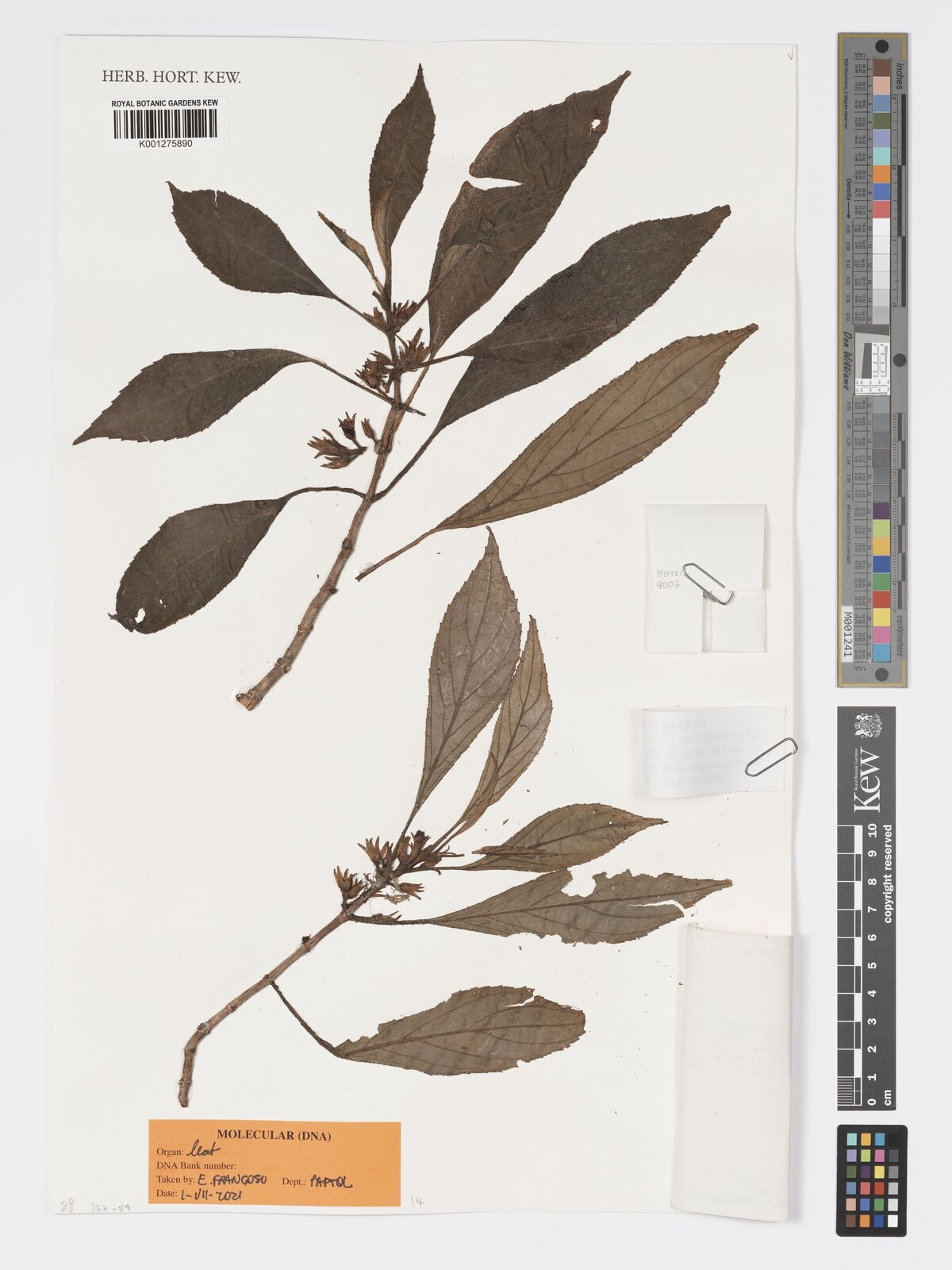
Rufodorsia
Rufodorsia is a genus of epiphytic flowering plants in the family Gesneriaceae. The genus name refers to the reddish back of the upper lobes of the flower. It is native to montane cloud forest in Central America.
Anulidentaliidae
Anulidentaliidae is a family of molluscs belonging to the order Dentaliida.
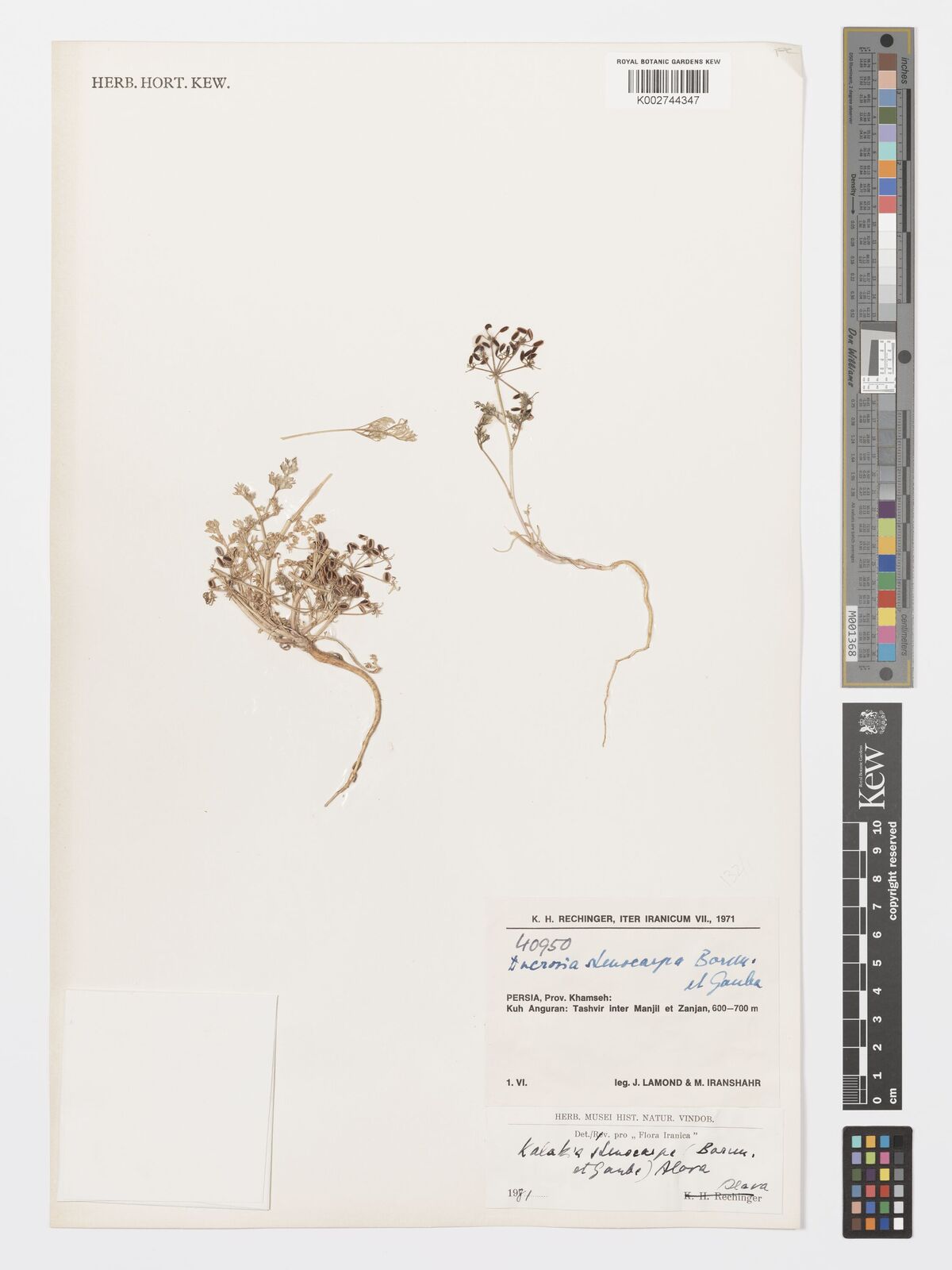
Kalakia
Kalakia is a genus of flowering plants in the family Apiaceae. It includes a single species, Kalakia marginata, an annual endemic to Iran.
Conohypha
Conohypha is a genus of two species of fungi in the family Meruliaceae. The genus was circumscribed by Swiss mycologist Walter Jülich in 1975. The crust-like fruit bodies of Conohypha are white to cream in colour and membrane-like. The hyphal system is monomitic, meaning it contains only generative hyphae. These hyphae are hyaline with thin walls, and have clamp connections.
Triunia
Triunia is a genus of medium to tall shrubs or small trees found as understorey plants in rainforests of eastern Australia. Members of the plant family Proteaceae, they are notable for their poisonous fleshy fruits or drupes. Only one species, T. youngiana, is commonly seen in cultivation.
Rhabdus
The Rhabdidae are scaphopod members of the same molluscan family, belonging to the order Dentaliida. It includes only one genus, Rhabdus, and five species, as follows:
Parvobasidium
Parvobasidium is a genus of two species of crust fungi in the family Cystostereaceae.
Reliquia
Reliquia is a Neotropical genus of butterflies in the family Pieridae.
Planaphrodes
Planaphrodes is a genus of leafhoppers in the family Cicadellidae. The described species in Planaphrodes are found mostly in the Palaearctic realm and eastern Asia.
thumb
Confuga persephone
Confuga is a genus of planthoppers in the family Cixiidae. Its only species is Confuga persephone, a troglobitic (cave-dwelling) planthopper that is endemic to New Zealand. It is the only known species of cave-dwelling planthopper in New Zealand. The species was first described by Ronald Gordon Fennah in 1975, from specimens found in a cave east of Tākaka, in the South Island of New Zealand. Under the New Zealand Threat Classification System, it is listed as "Naturally Uncommon" with the qualifier "Range Restricted".
Stomatocalyceae
Stomatocalyceae is a tribe of plant of the family Euphorbiaceae. It comprises two subtribes and four genera.
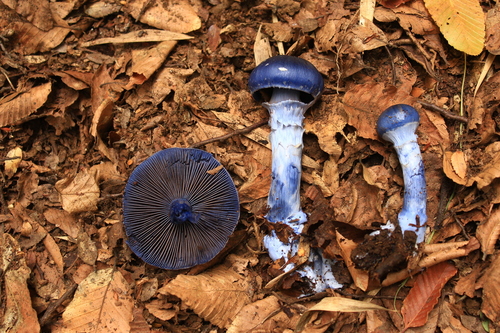
Stephanopus
Stephanopus is a genus of fungi in the family Cortinariaceae. The genus, circumscribed by mycologists Meinhard Moser and Egon Horak in 1975, contains five species found in South America.
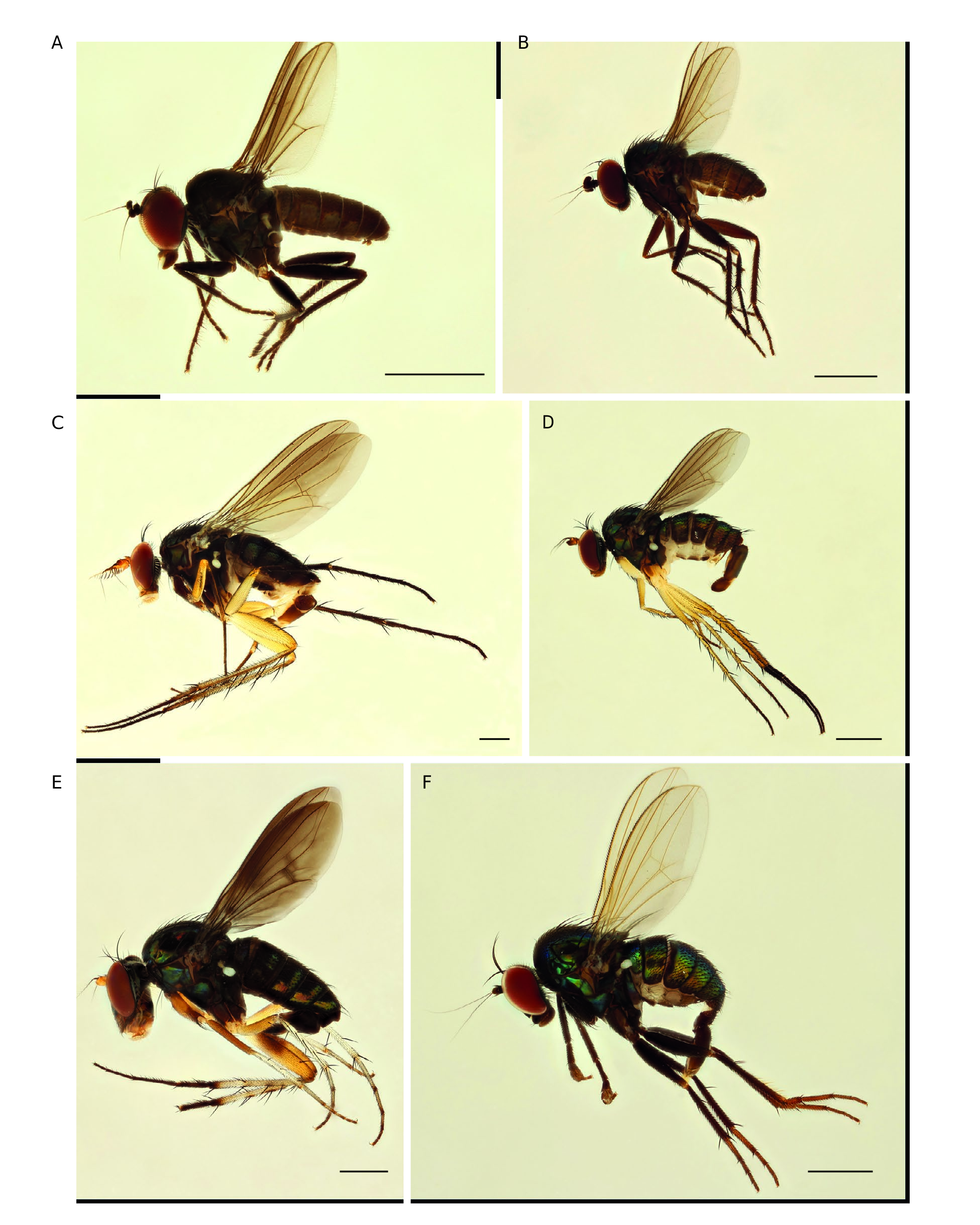
Cheiromyia
Cheiromyia is a genus of flies in the family Dolichopodidae. It is found in the Neotropical realm. It was originally named Cheirocerus by Octave Parent in 1930, but was renamed to Cheiromyia by Peter Dyte in 1980 after it was found to be preoccupied by the catfish genus Cheirocerus (Eigenmann, 1917). The antennae of the males bear one or more elongate projections on an enlarged postpedicel, resembling antlers. Cheiromyia is closely related to some species of Paraclius.