Category
page 1Taxa described in 1978

Aequatorium
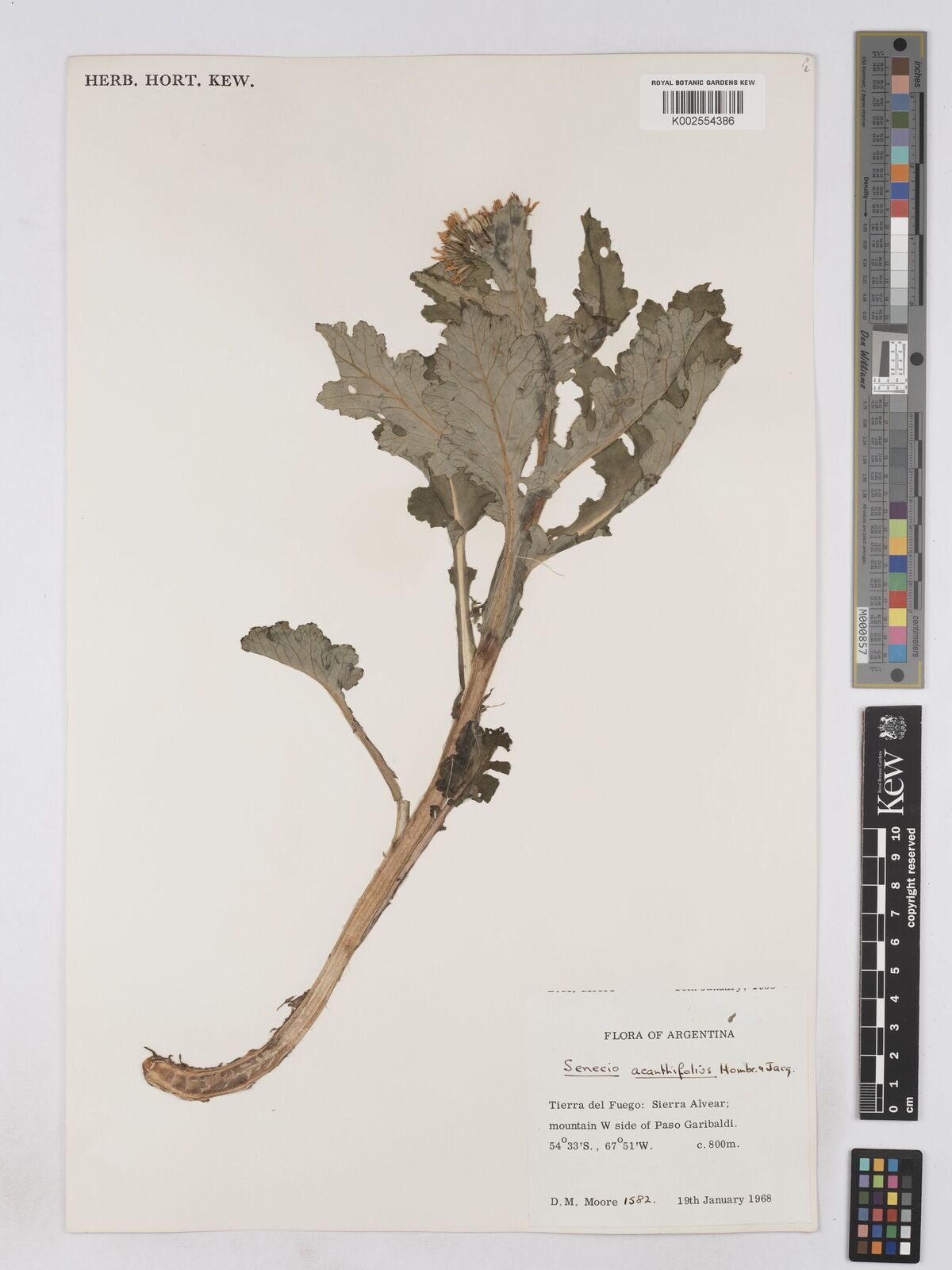
Aequatorium is a genus of flowering plants in the aster family. It was described as a genus in 1978. It is a member of the tribe Senecioneae and native to South America.
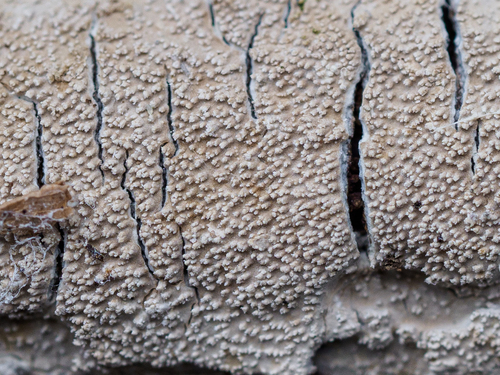
Crustomyces
Crustomyces is a genus of fungi in the family Cystostereaceae. The widespread genus contains three species.
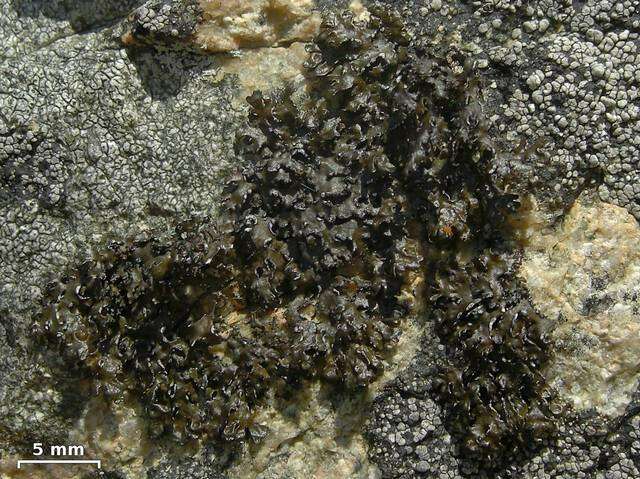
Melanelia
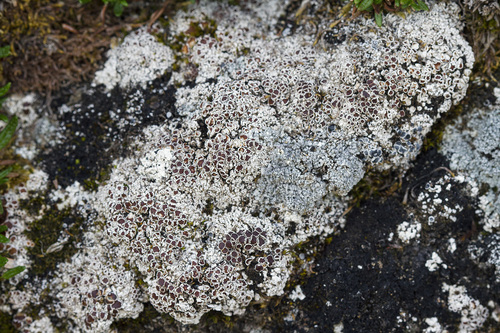
Melanelia is a genus of lichen-forming fungi in the family Parmeliaceae. These lichens typically grow on rocks and form relatively large, leaf-like structures with brown to blackish upper surfaces and pale undersides. The genus originally included many more species, but most have since been moved to related genera like Melanohalea and Melanelixia, leaving only five accepted species today.
Salanoemia
Salanoemia is a genus of grass skipper butterflies in the family Hesperiidae.
Paralaxita
Paralaxita is a genus in the butterfly family Riodinidae present only in Southeast Asia.
Xanthoneura
Xanthoneura is an Indomalayan genus of grass skippers in the family Hesperiidae.
Paracleros
Paracleros is a genus of skippers in the family Hesperiidae. They are generally found in the continent of Africa.
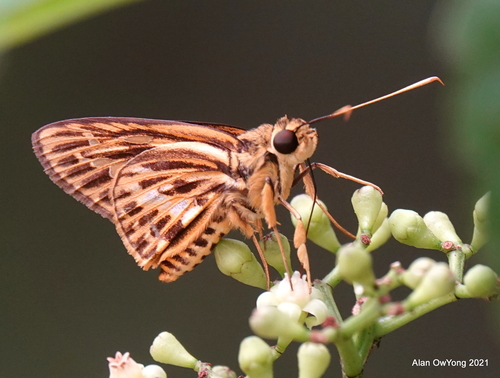
Pyroneura
Pyroneura is an Indomalayan genus of grass skipper butterflies in the family Hesperiidae.
Carabhydrus
Carabhydrus is a genus of beetles in the family Dytiscidae, containing the following species:

Phlebiopsis
Phlebiopsis is a genus of poroid crust fungi in the family Phanerochaetaceae. The genus contains 11 species, which collectively have a widespread distribution. The genome sequence of the type species, Phlebiopsis gigantea, was published in 2014.

Polysporina
Polysporina is a genus of fungi in the family Acarosporaceae. The genus was circumscribed by the Czech lichenologist Antonín Vězda in 1978. Some of the species form lichens, while others are species of lichenicolous (lichen-dwelling) fungi.
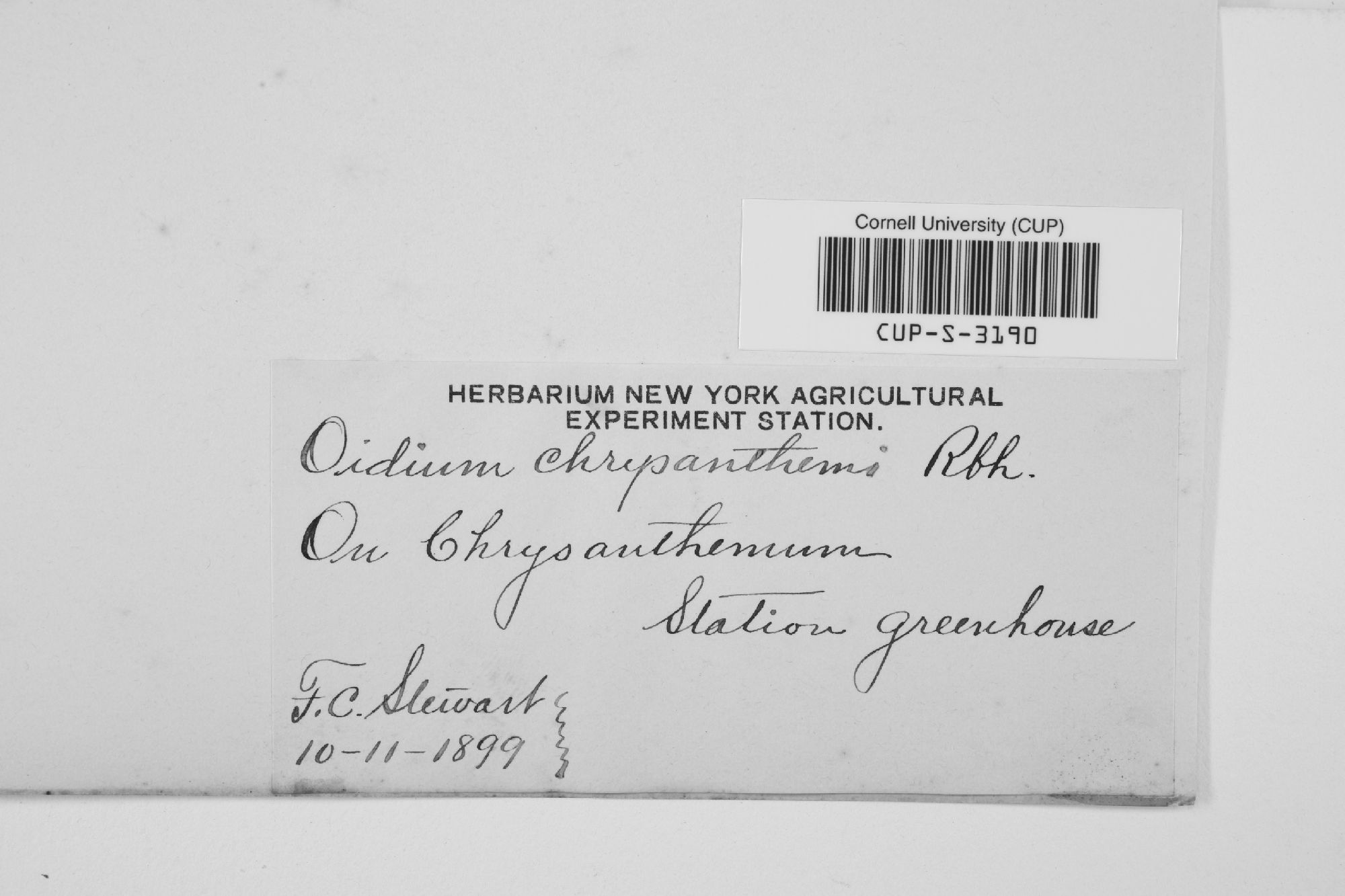
Golovinomyces
Golovinomyces is a genus of fungi in the family Erysiphaceae. It has 66 species. Many of the species cause powdery mildew. Golovinomyces was originally circumscribed in 1978 by Uwe Braun as a section of genus Erysiphe. It was promoted to distinct genus status in 1988.
Castanedia
Castanedia is a monotypic genus of flowering plants in the daisy family, Asteraceae. It contains a single species, Castanedia santamartensis, a shrub endemic to the Sierra Nevada de Santa Marta of northeastern Colombia. It grows in montane moist forests from 2400 to 3250 meters elevation.

Bastardiastrum
Bastardiastrum is a genus of flowering plants in the mallow family Malvaceae and is native to Mexico. They are shrubs or subshrubs with viscid (and usually malodorous) stems.
Australohydnum
Australohydnum is a genus of resupinate fungi in the family Phanerochaetaceae. The genus was circumscribed in 1978 by Swiss mycologist Walter Jülich with the Australian fungus Australohydnum griseofuscescens (formerly Hydnum griseo-fuscescens Reichardt) as the type species. A. dregeanum and A. castaneum were added to the genus in 1990 and 2006, respectively. Australohydnum griseofuscescens is now considered to be synonymous with Irpex vellereus.
Eurodachtha
Eurodachtha is a genus of moths in the family Lecithoceridae.
Karauridae
The Karauridae are a family of stem-group salamanders (Caudata) that are known from the Middle Jurassic to Early Cretaceous in Central Asia (Kazakhstan and Kyrgyzstan), Northern Asia (Siberia, Russia) and Western Europe (United Kingdom). The family includes four members: Karaurus from the Middle-Late Jurassic Karabastau Formation of Kazakhstan, Kokartus from the Middle Jurassic Balabansai Formation of Kyrgyzstan, Marmorerpeton from the Middle Jurassic Forest Marble Formation of England and Kilmaluag Formation of Scotland, and Kuzbassia from the Early Cretaceous (Aptian) Ilek Formation (Kemerov

Rinodinella
Rinodinella is a genus of lichen-forming fungi in the family Physciaceae.
Mycoaciella
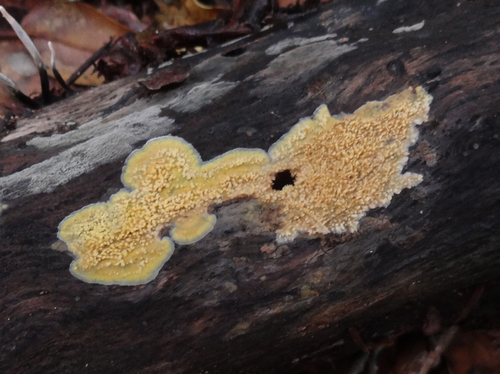
Mycoaciella is a genus of corticioid fungi in the family Meruliaceae. The genus was circumscribed by John Eriksson and Leif Ryvarden in 1978. After microscopic examination of the three species then in the genus, Karen Nakasone proposed to synonymize Mycoaciella with Phlebia.
Iocenes
Iocenes is a genus of flowering plants in the daisy family.
Elasis
Elasis is a genus of flowering plants in the family Commelinaceae. It includes two species of subshrubs native to southern Mexico, Central America, and Ecuador.
Elasis guatemalensis – southern Mexico to Nicaragua
Elasis hirsuta – Ecuador
Gibbidessus
Gibbidessus chipi is a species of beetle in the family Dytiscidae, the only species in the genus Gibbidessus.
Sporopachydermia
Sporopachydermia is a genus of fungi in the family Sporopachydermiaceae.
Uncobasidium
Uncobasidium is a genus of two species of crust fungi in the Meruliaceae family . The genus was circumscribed by mycologists Kurt Hjorstam and Leif Ryvarden in 1978 with the European fungus U. luteolum as the type species. The South American species U. roseocremeum was added to the genus in 2012. The distinguishing feature of Uncobasidium is the basal hook in the basidium.
Niebla
genus of fungi
Epibryon
Epibryon is a genus of fungi, and the sole genus in the monogeneric family Epibryaceae. It has about 40 species. Many of the species grow parasitically on bryophytes. The genus was circumscribed by mycologist Peter Döbbeler in 1978; the family by Soili Stenroos and Cécile Gueidan in 2014.
Macroregonia
Macroregonia is a genus of crabs containing only a single species, Macroregonia macrochiera. It is found from the coast around Pacific Ocean at depths of .

Santessonia
Santessonia is a genus of lichenized fungi in the family Caliciaceae. The genus was circumscribed in 1978 by lichenologists Mason Hale and Gernot Vobis, with Santessonia namibensis assigned as the type species, and at that time, only species. This species, endemic to the Namib Desert, has deep depressions (lacunae) in the thallus, which are interpreted as an adaptation to take advantage of the infrequent moisture provided by fog. The genus name honours Norwegian lichenologist Rolf Santesson.
Camelinopsis
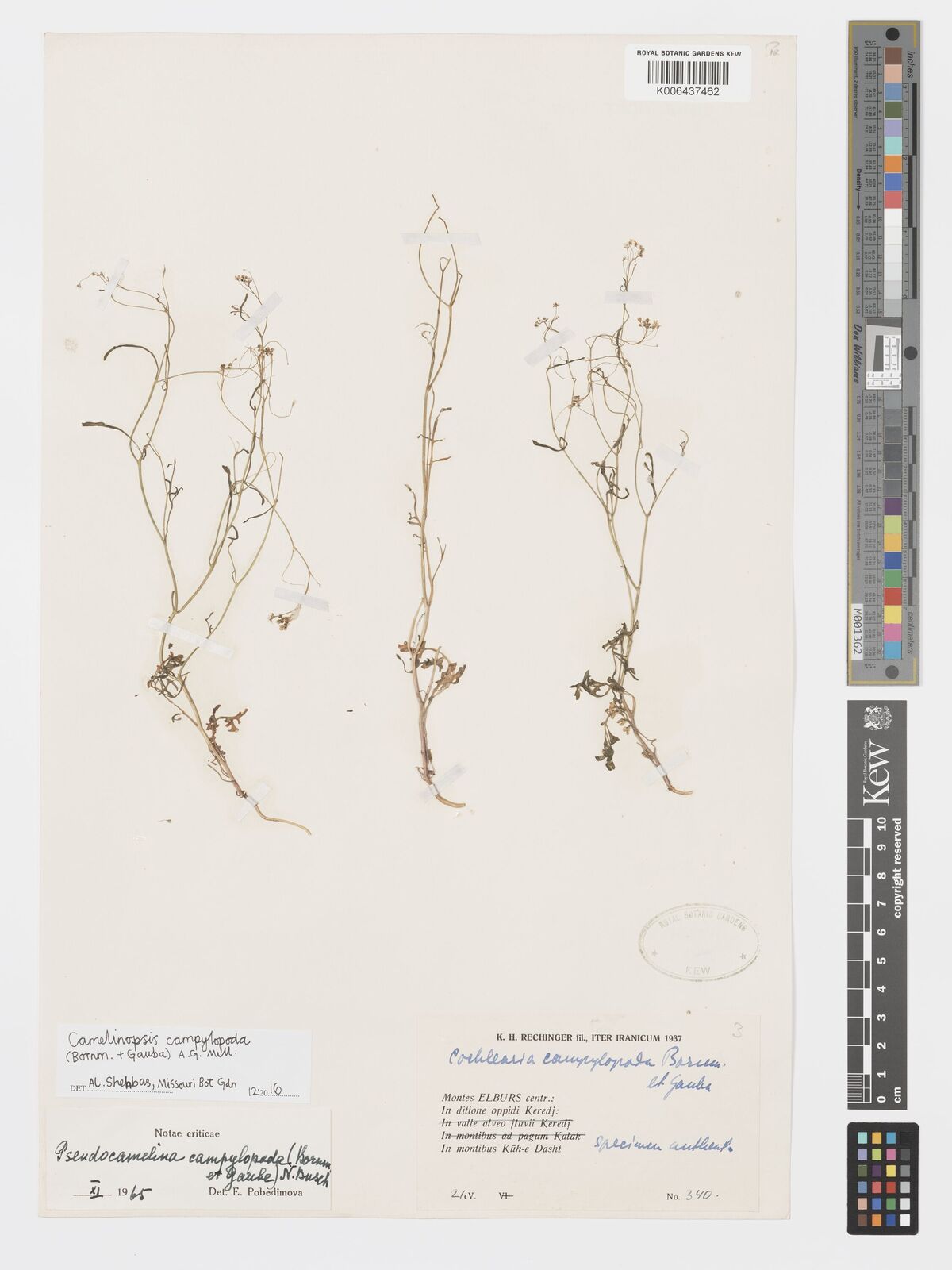
Camelinopsis is a genus of flowering plants in the family Brassicaceae. It includes two species native to northern Iraq and Iran.
Camelinopsis alborzica – northern Iran (western Alborz Mountains)
Camelinopsis campylopoda – west-central Iran and northern Iraq
Sagenomella
Sagenomella is a genus of filamentous Ascomycota fungus that has reported to cause systemic illness in animals. The genus was circumscribed by Walter Gams in 1978.
Perkinsea
Perkinsids are single-celled protists that live as intracellular parasites of a variety of other organisms. They are classified as the class Perkinsea within the monotypic phylum Perkinsozoa. It is part of the eukaryotic supergroup Alveolata, along with dinoflagellates, their closest relatives, and another parasitic group known as Apicomplexa. Perkinsids are found in aquatic environments, as parasites of dinoflagellates and various animals.

Wadeana
Wadeana is a small genus of lichen-forming fungi in the division Ascomycota. Its to other taxa within the division is unknown (incertae sedis), and it has not yet been placed with certainty into any class, order, or family. The genus was established in 1978 by the British lichenologists Brian Coppins and Peter James, who named it after the veteran naturalist Arthur Edward Wade for his decades of work studying British lichens. These bark-dwelling lichens live almost completely hidden within the outer layers of tree bark and produce distinctive crack-like fruiting bodies with bright red-brown in
Hemimeniidae
Hemimeniidae is a family of molluscs belonging to the order Neomeniamorpha.