Category
page 1Taxa described in 1997
Cetartiodactyla
REDIRECT Artiodactyla
Sordariomycetes
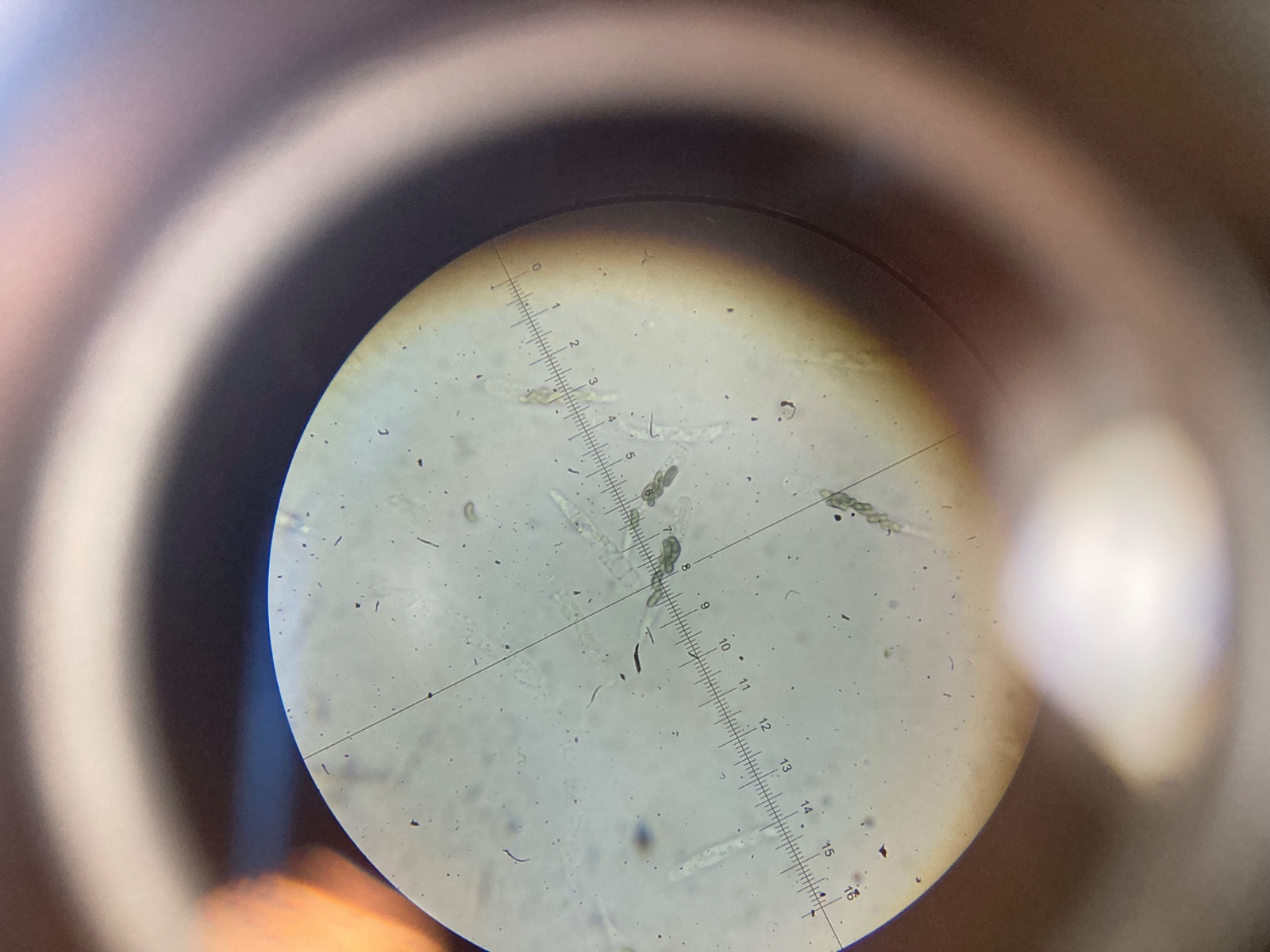
Sordariomycetes is a class of fungi in the subdivision Pezizomycotina (Ascomycota). It is the second-largest class of Ascomycota, with a worldwide distribution that mostly accommodates terrestrial based taxa, although several can also be found in aquatic habitats. Some are phytopathogens that can cause leaf, stem, and root diseases in a wide variety of hosts, while other genera can cause diseases in arthropods and mammals.
Lecanoromycetes
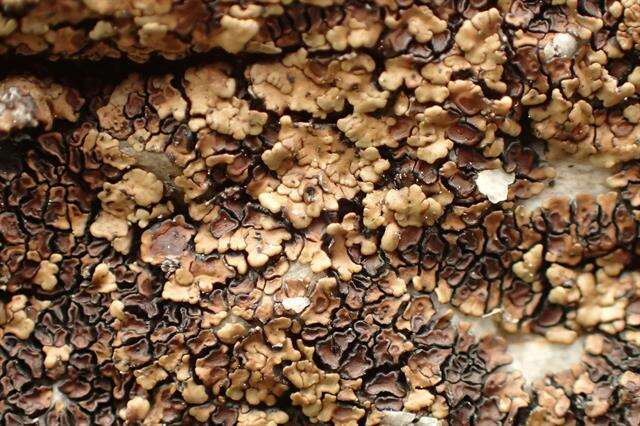
Lecanoromycetes is the largest class of lichenized fungi. It belongs to the subphylum Pezizomycotina in the phylum Ascomycota. The asci (spore-bearing cells) of the Lecanoromycetes most often release spores by rostrate dehiscence.
Eurotiomycetes
Eurotiomycetes is a large class of ascomycetes with cleistothecial ascocarps within the subphylum Pezizomycotina, currently containing around 3810 species according to the Catalogue of Life. It is the third largest lichenized class, with more than 1200 lichen species that are mostly bitunicate in the formation of asci. It contains most of the fungi previously known morphologically as "Plectomycetes".
Dothideomycetes
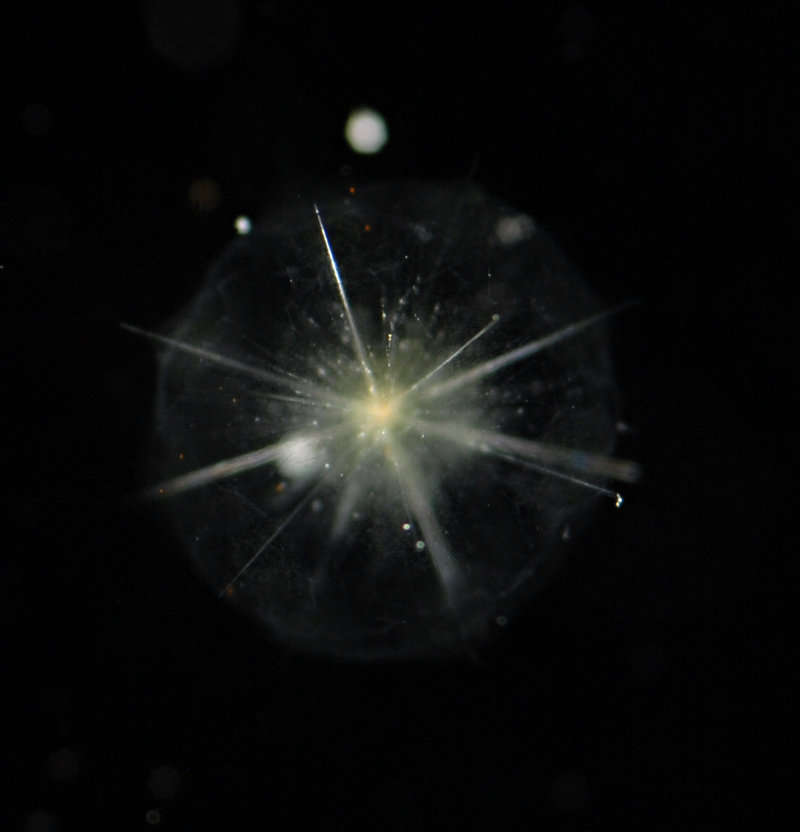
Dothideomycetes is the largest and most diverse class of ascomycete fungi. It comprises 11 orders 90 families, 1,300 genera and over 19,000 known species.
Wijayawardene et al. in 2020 added more orders to the class.
Pezizomycetes
Pezizomycetes are a class of fungi within the division Ascomycota.
Leotiomycetes
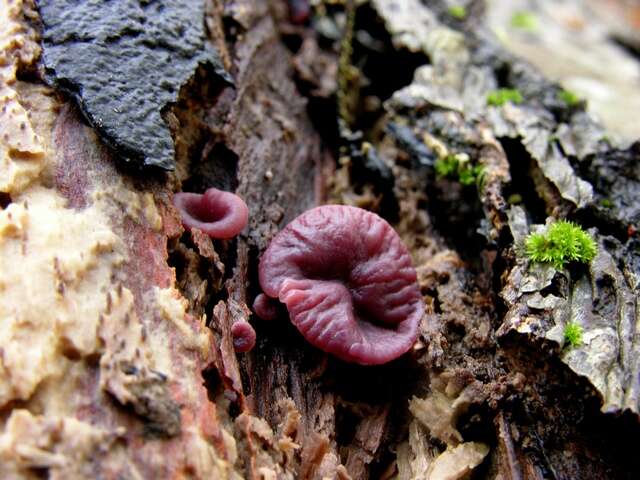
The Leotiomycetes are a class of ascomycete fungi. Some members of the class are known as plant pathogens.
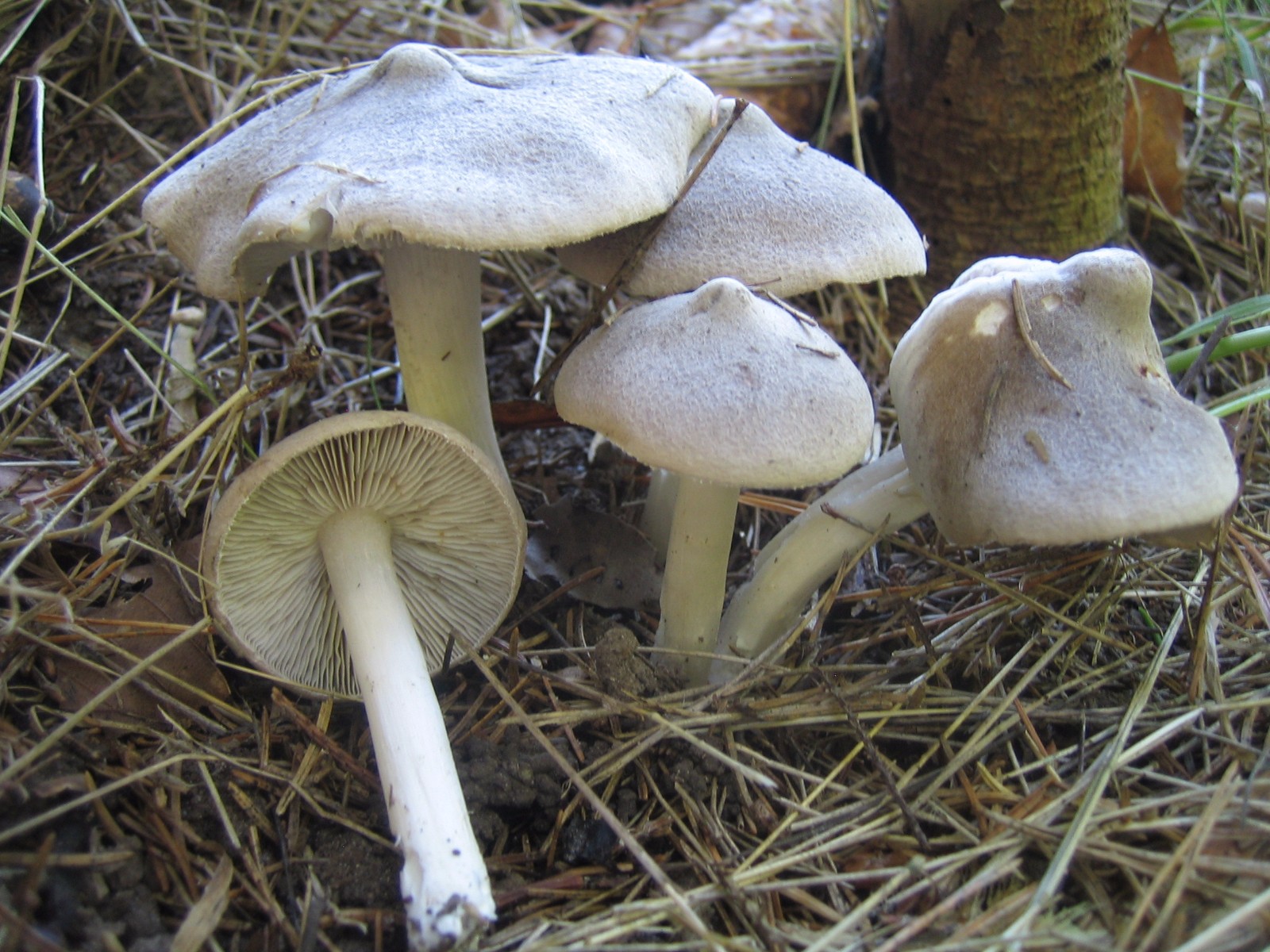
Saccharomycetes
Saccharomycetes belongs to the Ascomycota division of the kingdom Fungi. It is the only class in the subdivision Saccharomycotina, the budding yeasts. Saccharomycetes contains a single order, Saccharomycetales.
Ustilaginomycetes
Ustilaginomycetes is the class of true smut fungi. They are plant parasites with about 1400 recognised species in 70 genera. They have a simple septum with a septal pore cap, this is different from Agaricomycotina which has a dolipore septum with parenthoesome.
The group is monophyletic (has a common ancestor).
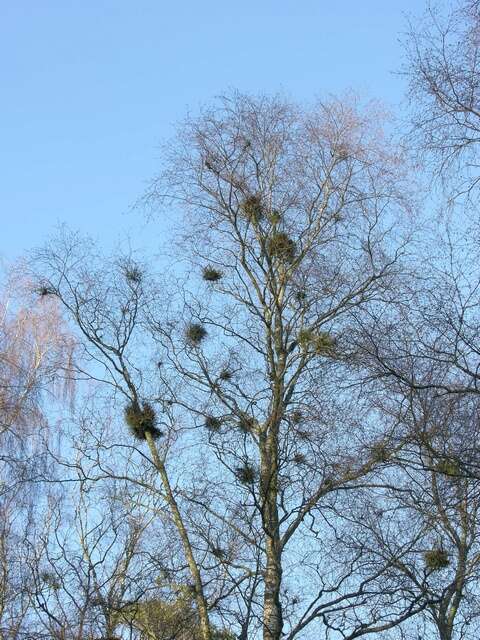
Taphrinomycetes
The Taphrinomycetes are a class of ascomycete fungi belonging to the subdivision Taphrinomycotina. It includes the single order Taphrinales, which includes 2 families, 8 genera and 140 species.
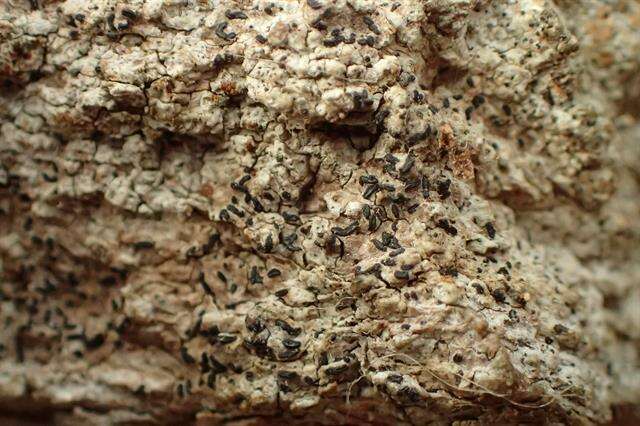
Arthoniomycetes
Arthoniomycetes are a class of ascomycete fungi. It includes two orders: Arthoniales and Lichenostigmatales. Most of the taxa in these orders are tropical and subtropical lichens.
Urocystidales
The Urocystidales are an order of fungi within the class Ustilaginomycetes. The order contains 6 families and about 400 genera. They are a sister order to Ustilaginales.
Schizosaccharomycetes
The Schizosaccharomycetes are a class in the kingdom of fungi. It contains the order Schizosaccharomycetales, the fission yeasts. The genus Schizosaccharomyces is a broad and ancient clade within Ascomycota including five known fission yeast:
Schizosaccharomyces pombe, Schizosaccharomyces japonicius, Schizosaccharomyces octosporus, and Schizosaccharomyces cryophilus, and Schizosaccharomyces osmophilus.
Tilletiales
The Tilletiales are an order of smut fungi in the class Exobasidiomycetes. It is a monotypic order, consisting of a single family, the Tilletiaceae, which contains seven genera. The roughly 150 species in the Tilletiales all infect hosts of the grass family, except for species of Erratomyces, which occur on legumes.

Microbotryales
The Microbotryales are an order of fungi in the Microbotryomycetes class of the Basidiomycota. The order contains 2 families, 9 genera, and 114 species. The order was circumscribed in 1997.
Hypocreomycetidae
Hypocreomycetidae is a subclass of sac fungi.

Xanthomendoza
Xanthomendoza is a genus of small, bright orange foliose lichens with lecanorine apothecia. It is in the family Teloschistaceae. Members of the genus are commonly called sunburst lichens or orange lichens because of their bright orange color.
Georgefischeriales
The Georgefischeriales are an order of smut fungi in the class Exobasidiomycetes. The order consists of four families, the Eballistraceae, the Georgefischeriaceae, the Gjaerumiaceae, and the Tilletiariaceae.
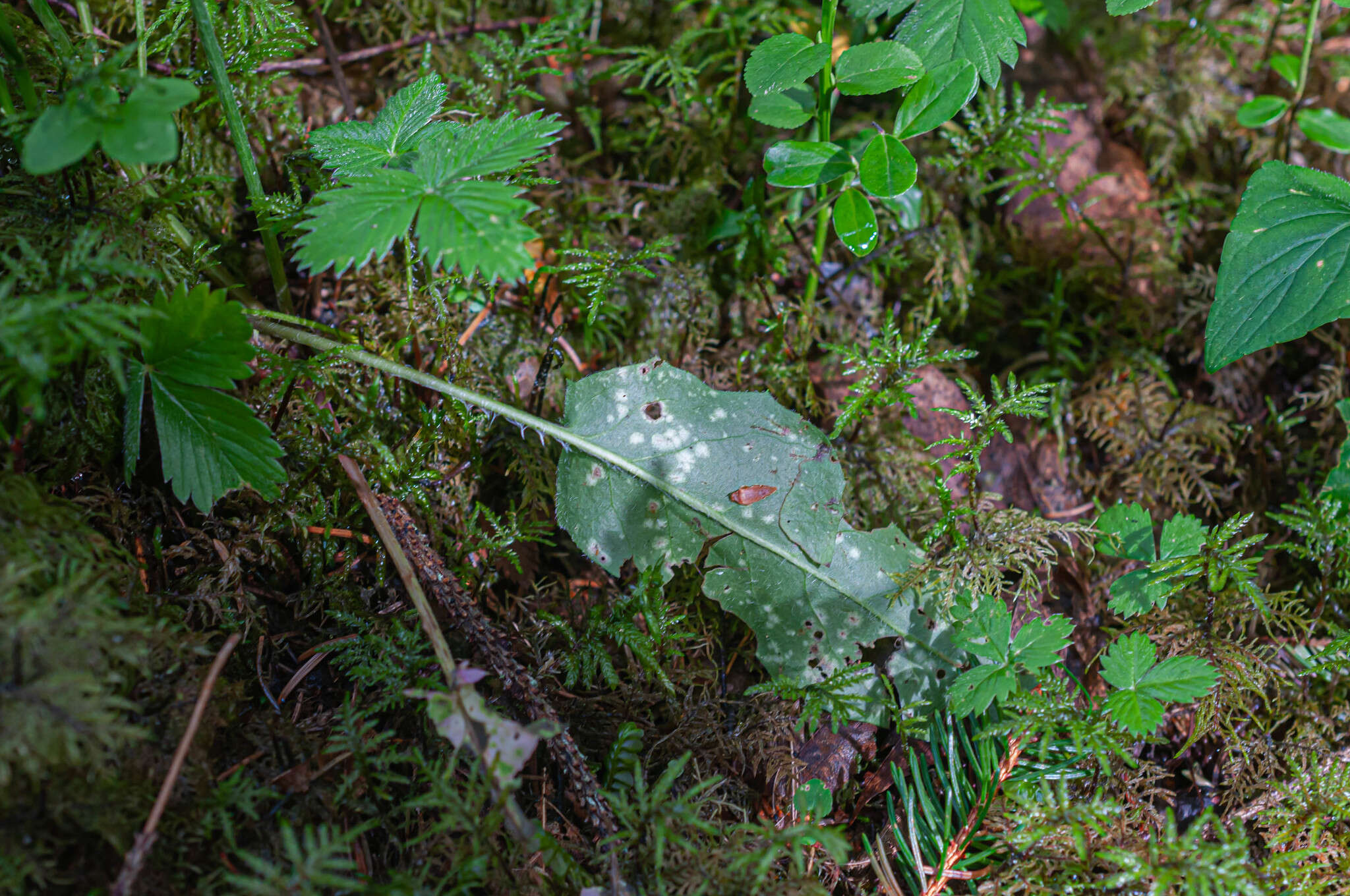
Entylomatales
The Entylomatales are an order of smut fungi in the class Exobasidiomycetes. A monotypic order, it consists of a single family, the Entylomataceae. Both the family and order were circumscribed in 1997.
Microstromatales
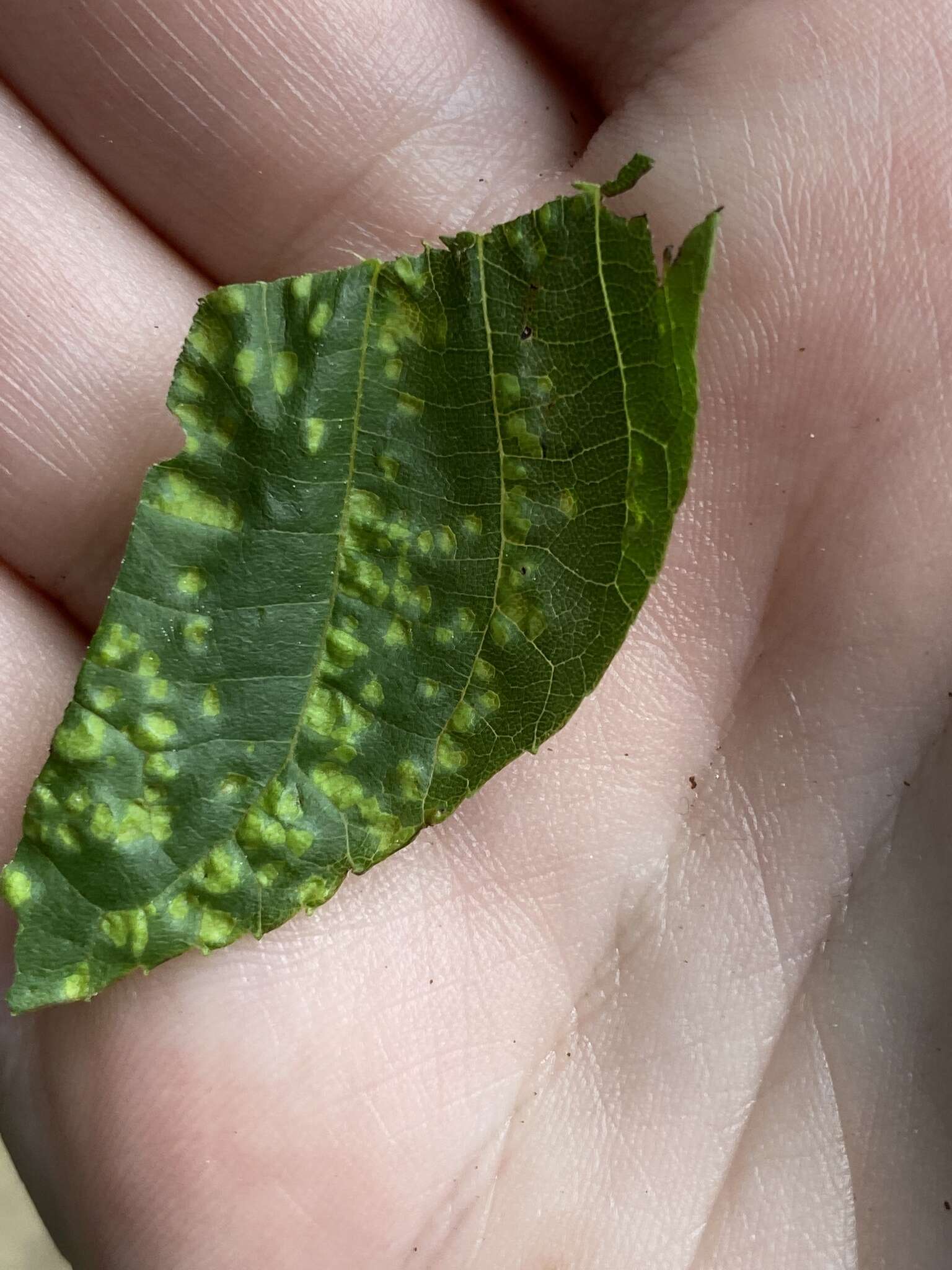
The Microstromatales are order of fungi in the class Exobasidiomycetes. The order consists of three families: the Microstromataceae, the Quambalariaceae, and the Volvocisporiaceae.
Pneumocystidomycetes
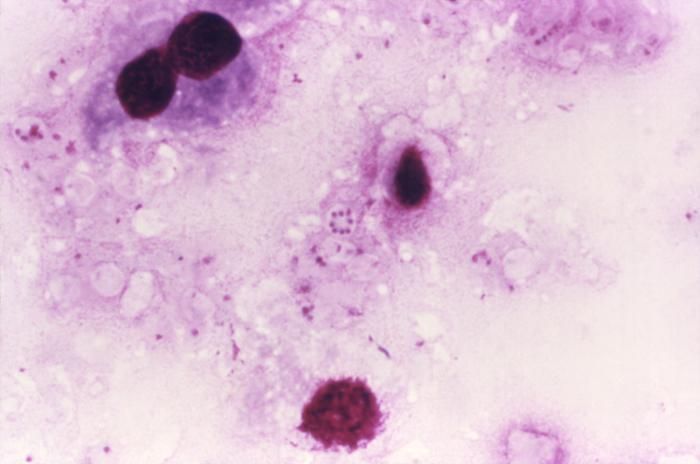
The Pneumocystidomycetes are a class of ascomycete fungi. It includes the single order Pneumocystidales, which contains the single monotypic family Pneumocystidaceae, which in turn contains the genus Pneumocystis, causative agent of Pneumocystis pneumonia.
Sordariomycetidae
Sordariomycetidae is a subclass of sac fungi.
Caucasalia
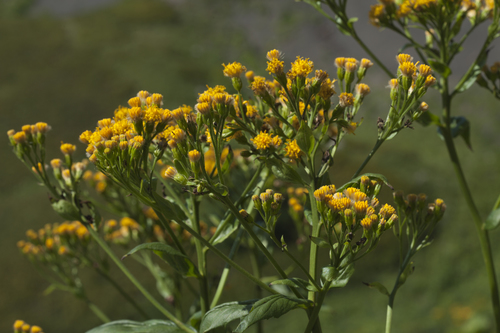
Caucasalia is a genus of flowering plants in the daisy family. It includes three species native to Turkey and the Caucasus.
Oligostraca
Oligostraca is a superclass of crustaceans. It consists of the following classes:
Neolectomycetes
REDIRECT Neolecta
Acanthopolymastia
Acanthopolymastia is a small genus of demosponges belonging to the family Polymastiidae. It has three describe species. These small, bristly, cushion-shaped sponges are only known from deep-sea sites (to a depth of 3400 m) in the southern oceans.
Elixia
genus of fungi

Australiaena streimannii
Australiaena is a fungal genus in the family Caliciaceae. It is a monospecific genus, containing the single species Australiaena streimannii, a crustose lichen. It occurs in northern Australia and Papua New Guinea, where it grows on silica-rich rocks. The genus was proposed in 1997 and named to reflect both its Australasian distribution and its superficial resemblance to the genus Dimelaena. The lichen forms variable-coloured crusts, ranging from whitish to grey, ochre or brown, with margins that often show distinctive radiating folds. It is distinguished from similar genera by its thread-like
Asioryctitheria
Asioryctitheria ("Asian digging beasts") is an extinct order of early eutherians.
Buxetroldia bisaccata
Buxetroldia is a fungal genus in the family Halosphaeriaceae. This is a monotypic genus, containing the single species Buxetroldia bisaccata, a marine fungus that was described as new to science in 1997.
Elixiaceae
The Elixiaceae are a family of lichen-forming fungi in the order Umbilicariales. It contains two genera, Meridianelia, and the type genus, Elixia, which together have a total of three species. The family was circumscribed by lichenologist Helge Thorsten Lumbsch in 1997. The family name honours Australian lichenologist John Alan Elix.
Sporopodiopsis
Sporopodiopsis is a genus of two species of lichenized fungi in the family Ectolechiaceae. The genus was circumscribed by the Belgian lichenologist Emmanuël Sérusiaux in 1997.
Artiopoda
Artiopoda is a clade of extinct arthropods that includes trilobites and their close relatives. It was erected by Hou and Bergström in 1997 to encompass a wide diversity of arthropods that would traditionally have been assigned to the Trilobitomorpha. Trilobites, in part due to abundance of findings owing to their mineralized exoskeletons, are by far the best recorded, diverse, and long lived members of the clade. Other members, which lack mineralised exoskeletons, are known mostly from Cambrian deposits.
Ustilentylomataceae
Ustilentylomataceae is a family of Basidiomycota fungi in the order Microbotryales. It contains 3 genera.
Austrocenangium
Austrocenangium is a genus of fungi in the family Cordieritidaceae. It contains two species.
Phaeochoraceae
Phaeochoraceae is a family of sac fungi in the order Phyllachorales.
Botryolepraria
Botryolepraria is a genus of byssoid (cottony) lichens of uncertain familial placement in the order Verrucariales. It has two species. The thallus is an uncorticated, three-dimensional network of free fungal hyphae that holds clusters of green algal cells suspended within the lattice, so under low magnification it can resemble a pale, granular Lepraria-like crust. Reports are mostly from shady, humid, protected microhabitats on sheltered rock (often limestone) or on tree bark, including cave entrances and damp woodland or swamp habitats.
Natronomonas
Natronomonas (common abbreviation Nmn.) is a genus of archaeans in the family Halobacteriaceae.
Lulworthiomycetidae
Lulworthiomycetidae is a subclass of Sordariomycetes.

Charadranaetes
Charadranaetes is a genus of flowering plants belonging to the family Asteraceae. It contains a single species, Charadranaetes durandii, a subshrub endemic to Costa Rica.