Category
page 1Taxa described in 1999
Bionectriaceae
The Bionectriaceae are a family of fungi in the order Hypocreales. A 2008 estimate places 35 genera and 281 species in the family. Species in the family tend to grow on plant material, including woody debris, while some species associate with algae, bryophytes, or other fungi.

Thiomargarita
Thiomargarita is a genus (family Thiotrichaceae) which includes the vacuolate sulfur bacteria species Thiomargarita namibiensis, Candidatus, Thiomargarita nelsonii, and Ca. Thiomargarita joergensenii. In 2022, scientists working in a Caribbean mangrove discovered an extremely large member of the genus, provisionally named Ca. T. magnifica, whose cells are easily visible to the naked eye at up to long.
Chaetosphaeriaceae
The Chaetosphaeriaceae are a family of fungi in the Ascomycota, class Sordariomycetes. The family was circumscribed by Martina Réblová, Margaret Elizabeth Barr Bigelow, and Gary Samuels in 1999. Species in the family have a cosmopolitan distribution, and are found in both temperate and tropical climates. Fossils of the Chaetosphaeriaceae are known from the Carboniferous, Eocene, Oligocene, Miocene and more recent sediments.
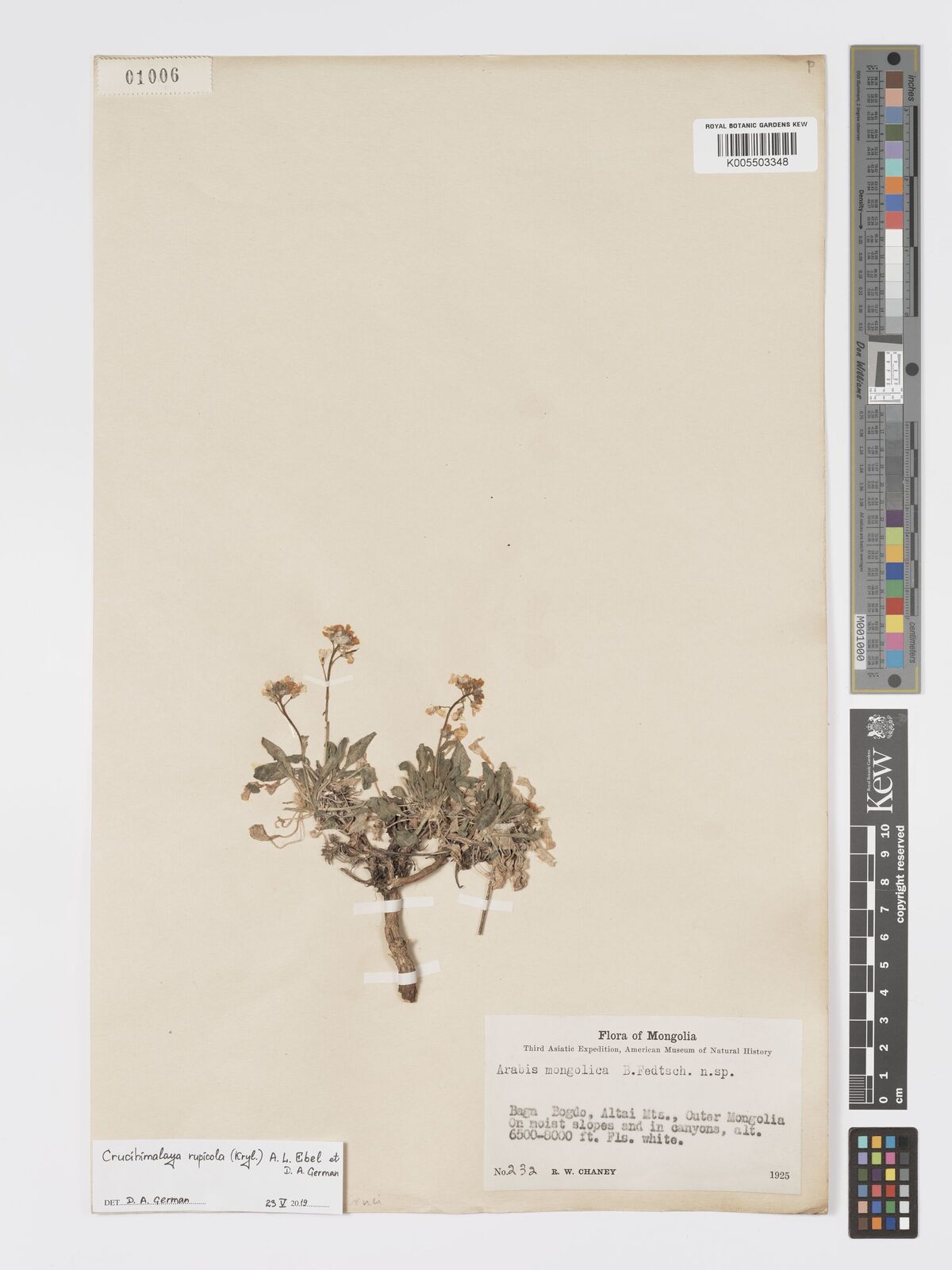
Crucihimalaya
Crucihimalaya is a genus of flowering plants belonging to the family Brassicaceae. Its native range is Sinai to China, and western and subarctic North America.
Caxamarca
Caxamarca is a genus of flowering plants in the daisy family, Asteraceae. It includes two species endemic to Peru.
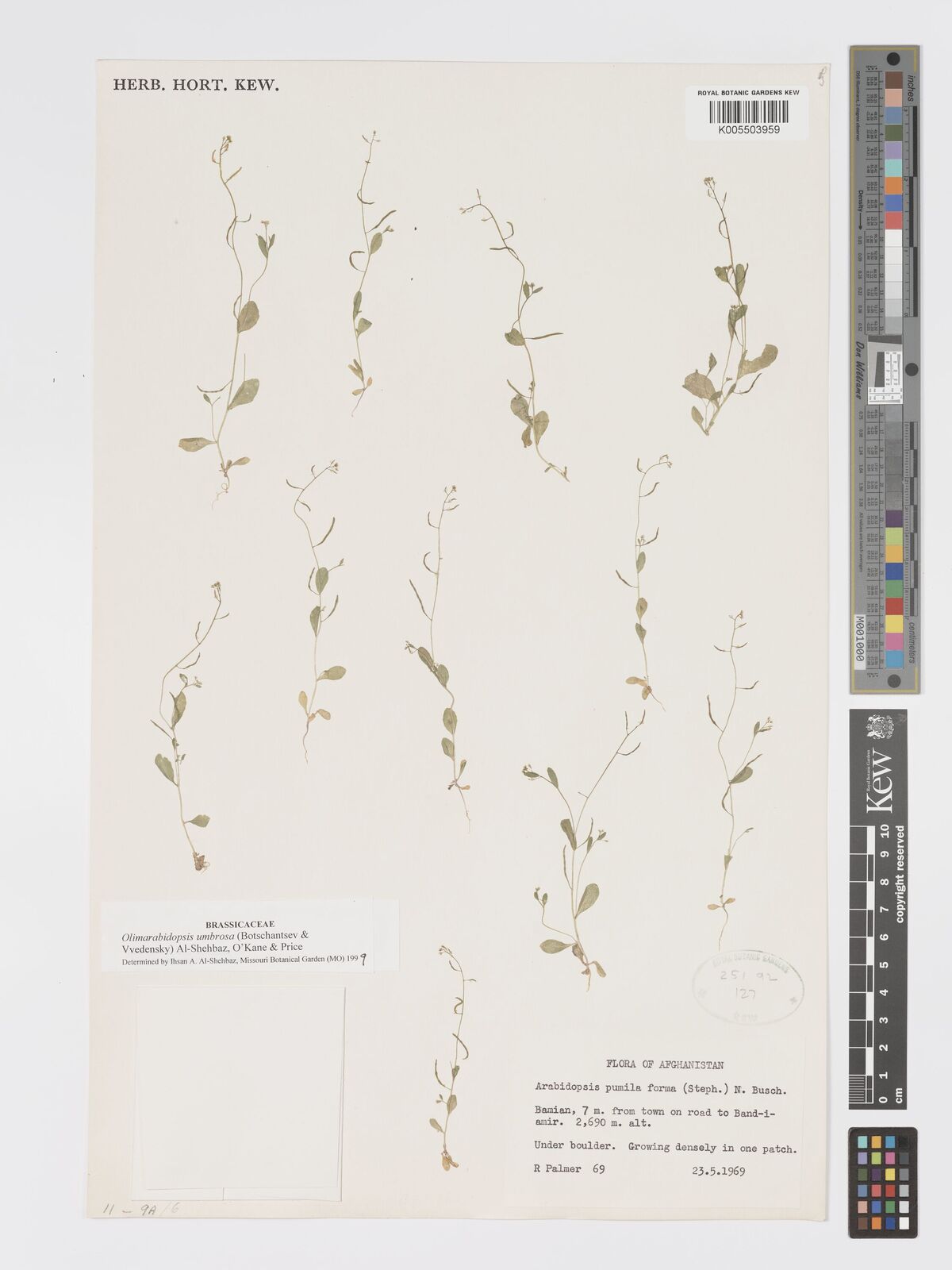
Olimarabidopsis
Olimarabidopsis is a genus of flowering plants belonging to the family Brassicaceae.
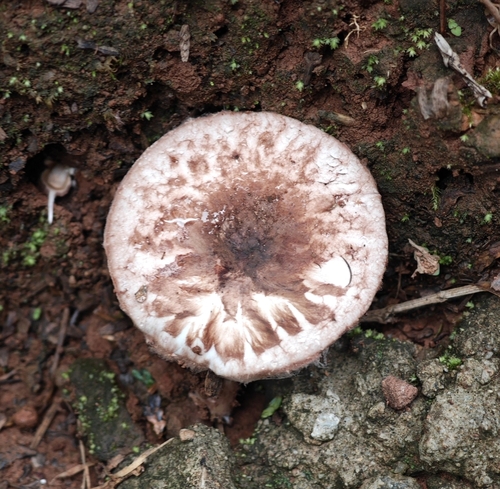
Heinemannomyces
Heinemannomyces is a fungal genus in the family Agaricaceae. This is a monotypic genus, containing the single species Heinemannomyces splendidissima, which was defined in 1998 by Roy Watling. It is found in peninsular Malaysia and China.
Abundisporus
Abundisporus is a small genus of poroid fungi currently with seven recognized species. They differ from other polypores in having coloured rather than hyaline spores.
Koyamasia
Koyamasia is a genus of flowering plants in the family Asteraceae. It includes two species of perennials native to Peninsular Malaysia and Thailand.
Koyamasia calcarea – northern Thailand
Koyamasia curtisii – Thailand and Peninsular Malaysia (Langkawi)
Sulcopyrenula
Sulcopyrenula is a genus of lichen-forming fungi in the family Pyrenulaceae. It contains five species. Sulcopyrenula is a largely tropical American genus with a single outlier in East Asia, and all five species share a preference for relatively undisturbed, humid bark substrates—whether in savanna woodland, rainforest or shaded montane hardwood stands.
Ekimia
Ekimia is a genus of flowering plants in the family Apiaceae. It includes four species native to Turkey, Lebanon, and Syria in western Asia.
Pseudoarabidopsis
Pseudoarabidopsis is a genus of flowering plants belonging to the family Brassicaceae. It includes a single species, Pseudoarabidopsis toxophylla, a biennial or perennial which ranges from Crimea and Ukraine through southern and eastern European Russia to Kazakhstan, western Siberia, and the Altai Mountains.
Perkinsozoa
REDIRECTPerkinsea
Pseudocalopadia
Pseudocalopadia is a genus of lichen-forming fungi in the family Ectolechiaceae. The genus was circumscribed in 1999 by the lichenologist Robert Lücking, with Pseudocalopadia mira as the type, and at the time, only species. P. chibaensis was added to the genus in 2017.
Haloterrigena
Haloterrigena (common abbreviation Htg.) is a genus of archaeans in the family Natrialbaceae.
Barcino foixensis
species of cnidarian