Category
page 1Taxa described in 2008
Diphyllobothriidea
Diphyllobothriidea is an order of Cestoda (tapeworms). Members of this order are gut parasites of vertebrates. They infect mammals as their definitive hosts and use either copepods (a group of small crustaceans found in the sea and nearly every freshwater habitat, e.g. Spirometra) or both copepods and fish as in the broadfish tapeworm as intermediate hosts.
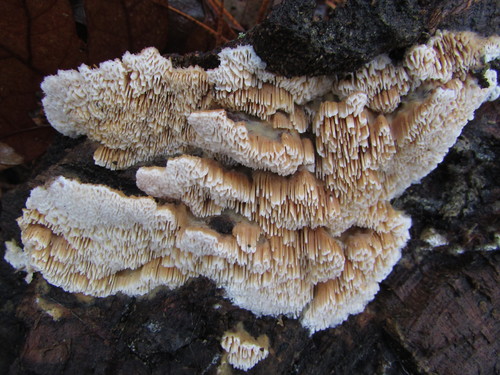
Trametopsis
Trametopsis is a genus of fungi in the family Irpicaceae.
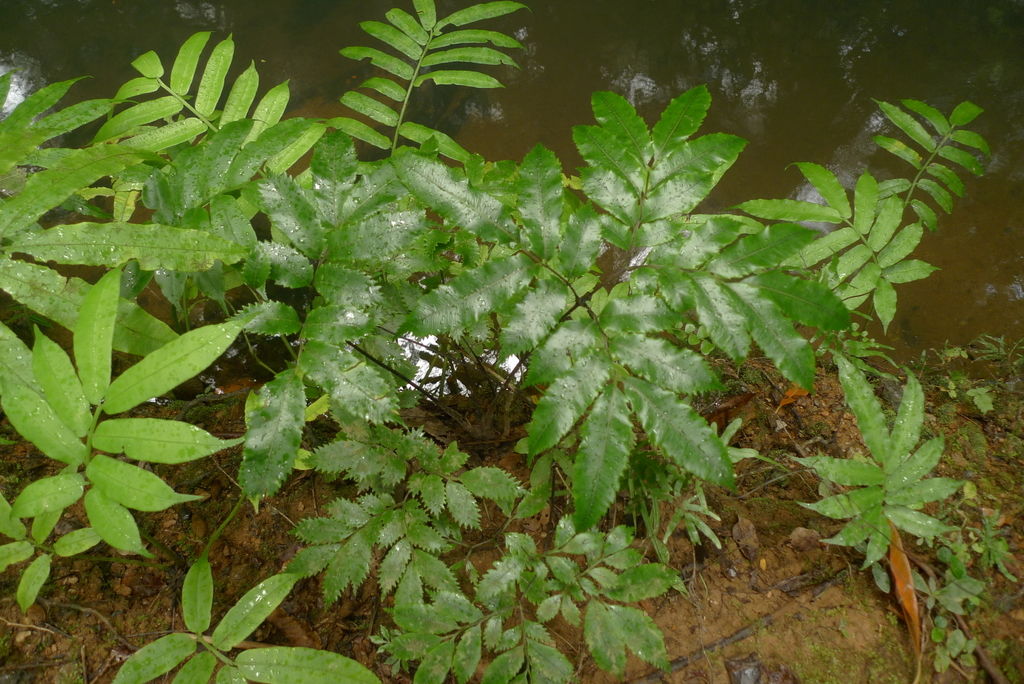
Ptisana
thumb|right|Sorus|Sori of Ptisana salicifolia
Ptisana is a genus in the eusporangiate fern family Marattiaceae, comprising species historically treated in the genus Marattia. The establishment of this genus follows the 2008 work by Andrew G. Murdock, which supported recognition of this group on the basis of genetic analysis and morphology. Ptisana can be distinguished from Marattia by the presence of distinct sutures at the point of leaflet attachment, deeply cut synangia, and the absence of labiate sporangial apertures. The name Ptisana is derived from the Latin word for pearl barley, an allu
Chromerida
REDIRECT Chrompodellid
Atla
genus of fungi
Blautia
Blautia is a genus of anaerobic bacteria. Upon introduction, this genus mostly consisted of species previously described in the genus Ruminococcus.
Trypetheliales
The Trypetheliales are an order of fungi in the class Dothideomycetes. Most of the species in the order form lichens, although some are lichenicolous fungi. Trypetheliales contains two families, Polycoccaceae and Trypetheliaceae.
Pipestela
Pipestela is a genus of sponges belonging to the family Axinellidae. The species of this genus are found in Australian waters, New Guinea and other countries to the north of Australia.
Methanocellales
REDIRECT Methanocella
Maeridae
Maeridae is a family of marine amphipods, which was first described by Taudl Krapp-Schickel in 2008.
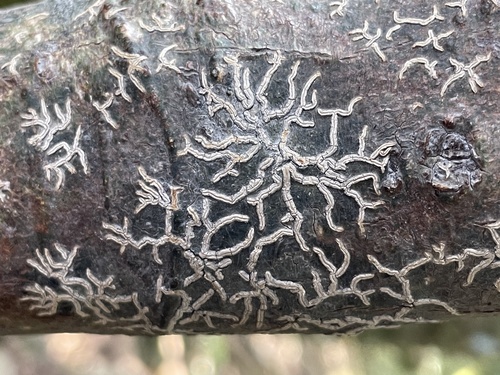
Pallidogramme
Pallidogramme is a genus of lichen-forming fungi in the family Graphidaceae. It has 8 species of corticolous (bark-dwelling), crustose lichens.

Angiactis
Angiactis is a genus of crustose lichens of uncertain familial placement in the order Arthoniales. It has four species.
Myochroidea
Myochroidea is a genus of lichen-forming fungi of uncertain familial placement in the order Lecanorales. It has four species of grey or brown-grey crustose lichens.
Wickerhamomyces
Wickerhamomyces is a genus of fungi within the Phaffomycetales order. It is placed within the family of Phaffomycetaceae.
Moncina
Moncina is a subtribe of butterflies in the skipper subfamily Hesperiinae.
Ameliella
Ameliella is a genus of lichenized fungi in the family Lecanoraceae. Described in 2008, the genus contains two species, A. andreaeicola and A. grisea, that were collected from high elevations in the Scottish Highlands. The two species have also been found in single instances in British Columbia and Northern Norway. The generic name is derived from the Greek , meaning "neglected" or "overlooked"; it was originally intended to be Amelia, which is also the first name of the daughter of one of the authors, but this name had previously been used for another genus and was therefore ineligi
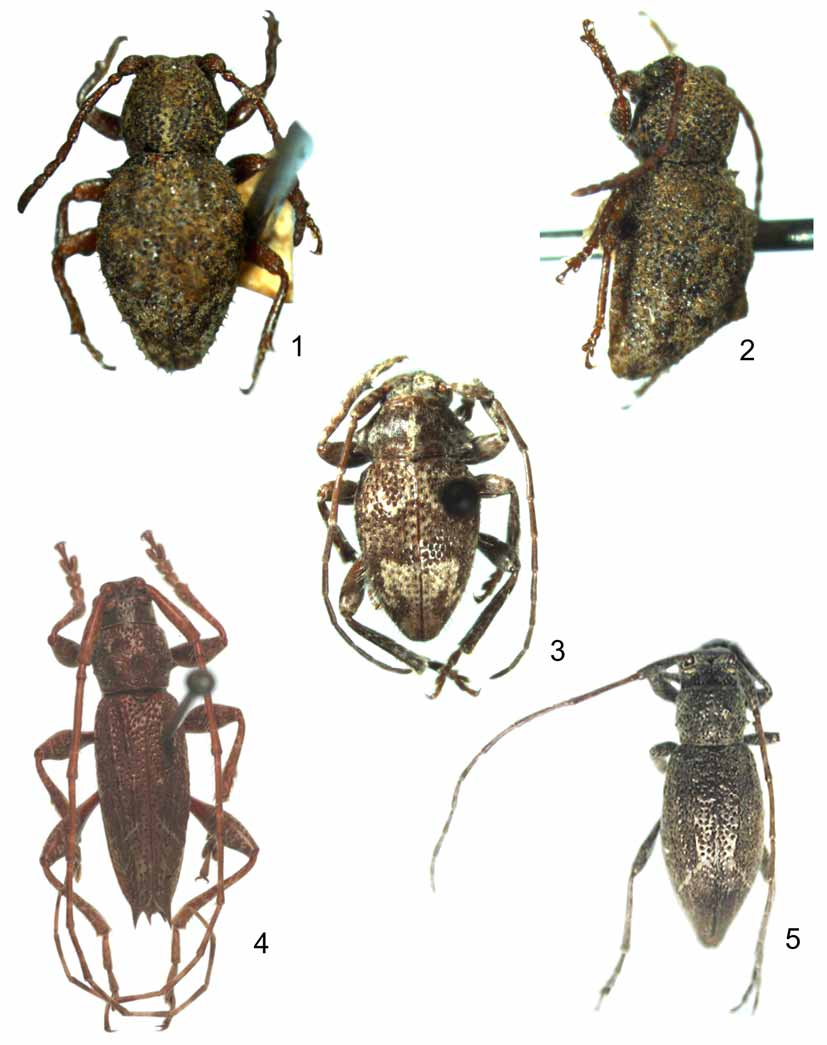
Bocainella
Bocainella minima is a species of beetle in the family Cerambycidae, and the only species in the genus Bocainella. It was described by Monne and Monne in 2008.
Chromera velia
Chromera velia, also known as a "chromerid", is a unicellular photosynthetic organism in the superphylum Alveolata. It is of interest in the study of apicomplexan parasites, specifically their evolution and accordingly, their unique vulnerabilities to drugs.
Euriphellus
Euriphellus is a genus of Neotropical butterflies in the family Hesperiidae, in which it is placed in the tribe Phocidini. The genus was separated from Dyscophellus by George Traut Austin in 2008, and originally contained a single species, Euriphellus euribates. Since then, several other species have been transferred to the genus.
Vahliellaceae
Vahliella is a genus of nine species of lichen-forming fungi in the order Peltigerales. It is the only member of Vahliellaceae, a family circumscribed in 2010 to contain this genus. Vahliella was formerly placed in the family Pannariaceae until molecular phylogenetics showed that it did not belong there. Vahliella species are found in the Northern Hemisphere – mainly in North America, but also in Europe and India.
Celotheliaceae
Celotheliaceae is a family of fungi in the monotypic order Phaeomoniellales. It contains 27 species of crustose lichens with thalli that are more or less immersed in tree bark.
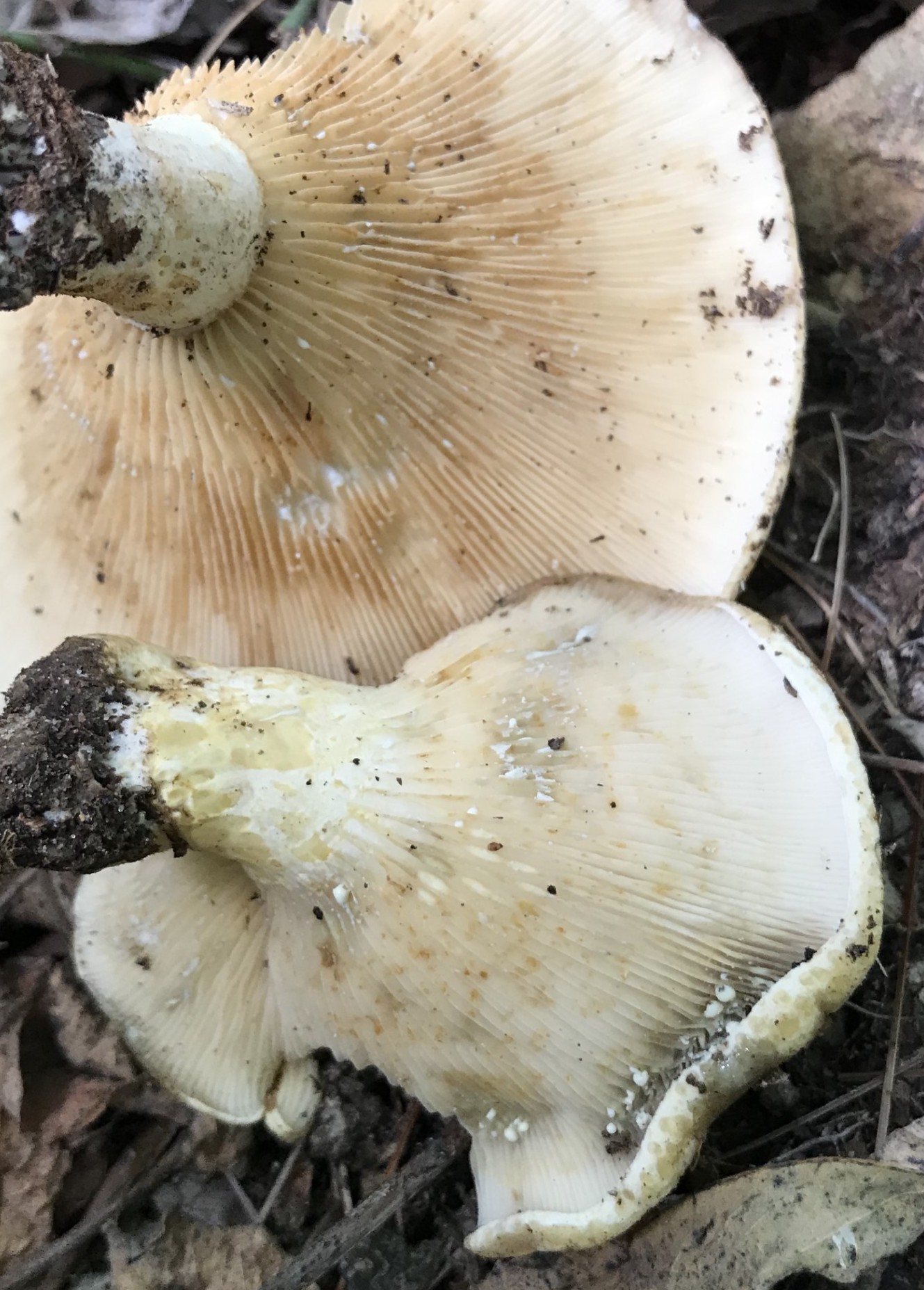
Multifurca
Multifurca is a rare genus of ectomycorrhizal fungi in the family Russulaceae. It was described in 2008, after molecular phylogenetic study had shown that it forms a monophyletic lineage within the family, sister to Lactarius. The genus contains six species known from the United States, Mexico, Costa Rica, India, China, Thailand, Australia, and New Caledonia, but so far has not been reported from Europe, Africa, or South America. Four of those species were formerly classified as Russula section Ochricompactae, and Multifurca furcata was originally described as a Lactarius species.
Melanotopelia
Melanotopelia is a genus of lichen-forming fungi in the family Graphidaceae. It has four species of corticolous (bark-dwelling), crustose lichens. This genus includes species characterised by dark pigmentation in their (a ring of tissue encircling their fruiting bodies), non-amyloid , and specific secondary metabolites.

Apochloa
Apochloa is a genus of grasses. It includes 15 species native to Brazil, Guyana, and Venezuela.
Chaetothiersia
Chaetothiersia is a fungal genus in the family Pyronemataceae. It is monotypic, containing the single species Chaetothiersia vernalis collected from California.