Category
page 6Taxa named by Edward Drinker Cope

Colosteidae
Colosteidae is a family of stegocephalians (stem-group tetrapods) that lived in the Carboniferous period. They possessed a variety of characteristics from different tetrapod or stem-tetrapod groups, which made them historically difficult to classify. They are now considered to be part of a lineage intermediate between the earliest Devonian terrestrial vertebrates (such as Ichthyostega), and the different groups ancestral to all modern tetrapods, such as temnospondyls (probably ancestral to modern amphibians) and reptiliomorphs (ancestral to amniotes such as mammals, reptiles, and birds).
Amphisbaena angustifrons
species of reptile

Large-headed anole
species of reptile

Triportheus
Triportheus is a genus of freshwater ray-finned fishes belonging to the family Triportheidae, the hatchet characins or keeled characins. The fishes in this genus are found in South America, including Trinidad, ranging from the Rio de la Plata basin to the basins of the Orinoco and Magdalena. Some are migratory. This genus is classified in the subfamily Triportheinae.

Baphetidae
Baphetidae is an extinct family of stem-tetrapods. Baphetids were large labyrinthodont predators of the Late Carboniferous period (Namurian through Westphalian) of Europe. Fragmentary remains from the Early Carboniferous of Canada have been tentatively assigned to the group. The phylogenetic relationships of baphetids is uncertain; while many studies have placed the group as a close relative of Amniota, other analyses have found Baphetidae to be a more basal clade of early stem tetrapods. Baphetids were among the first of the Carboniferous fossil tetrapods to be found and were originally descr
Eleutherodactylus cuneatus
species of amphibian
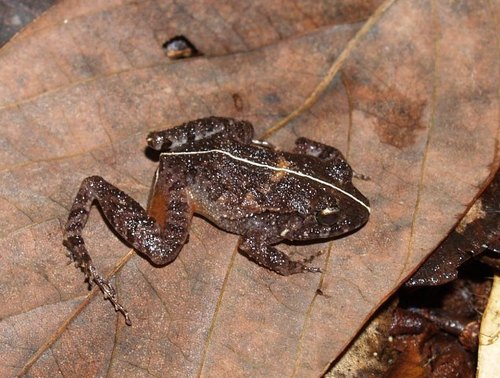
Craugastor polyptychus
species of amphibian

Dendrobatinae
Dendrobatinae is the main subfamily of frogs in the family Dendrobatidae, the poison dart frogs of Central and South America, found from Nicaragua to the Amazon basin in Brazil.
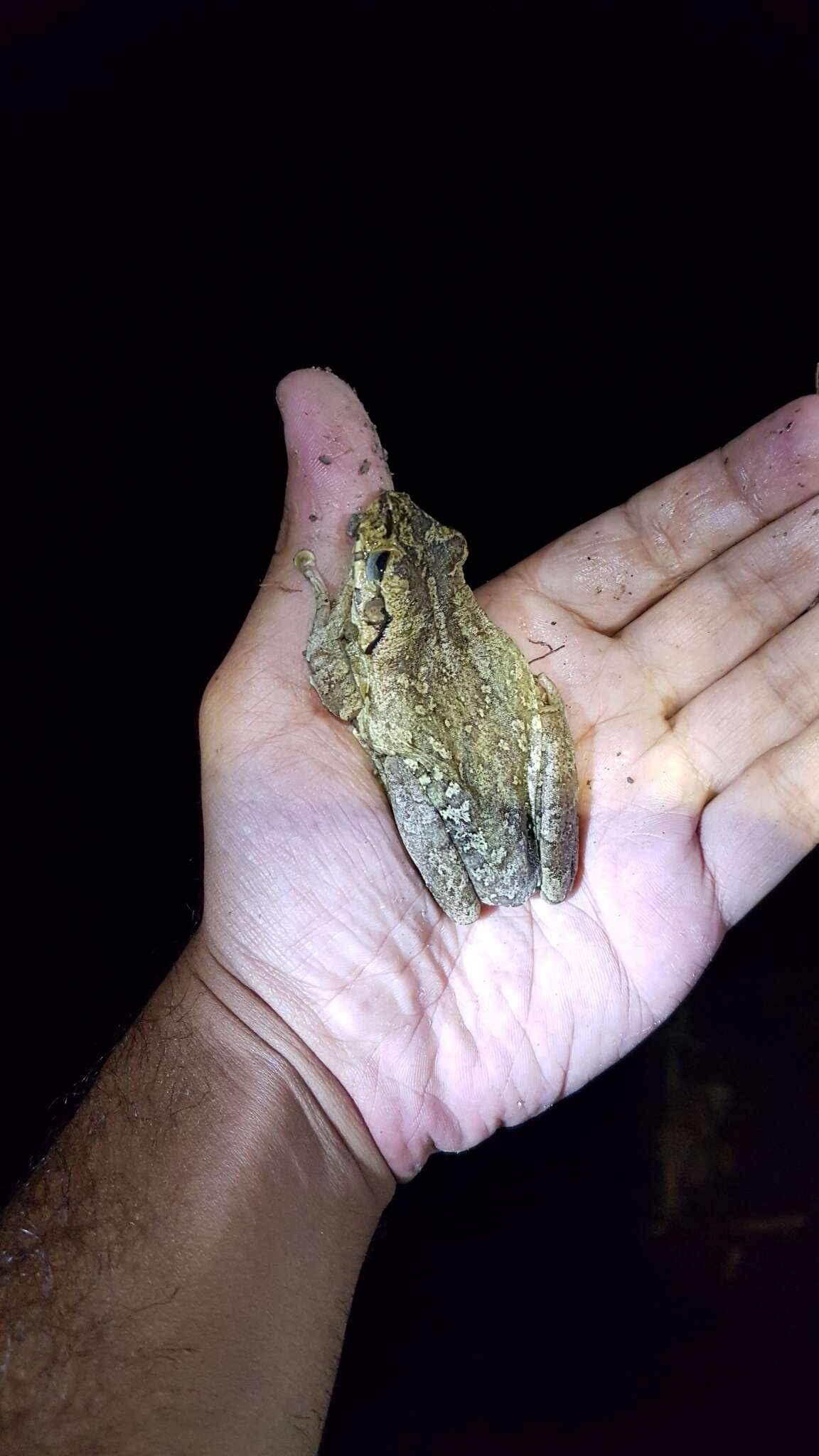
Hispaniolan Giant Treefrog
species of amphibian

Banded darter
species of fish
Pliocercus euryzonus
species of reptile

Rio Grande Shiner
species of fish

Scinax elaeochraoa
species of amphibian

Micrurus altirostris
species of reptile
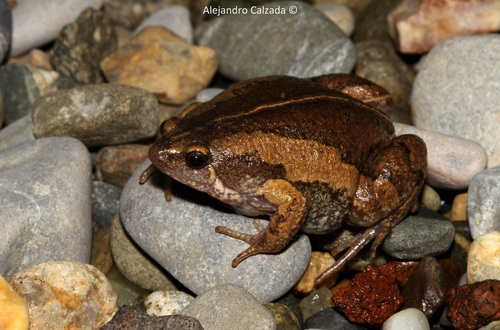
Hypopachus ustus
species of Amphibia

Anolis stratulus
species of reptile

Pogonodon
Pogonodon is an extinct genus of cat-like nimravid endemic to North America during the Oligocene.

Incilius epioticus
species of Amphibia

Bluntnose Shiner
species of fish

Incilius coccifer
species of amphibian
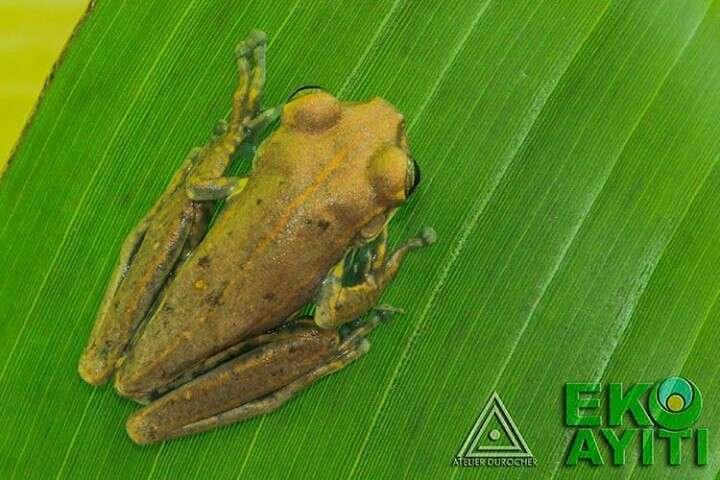
Hispaniolan Yellow Treefrog
species of amphibian
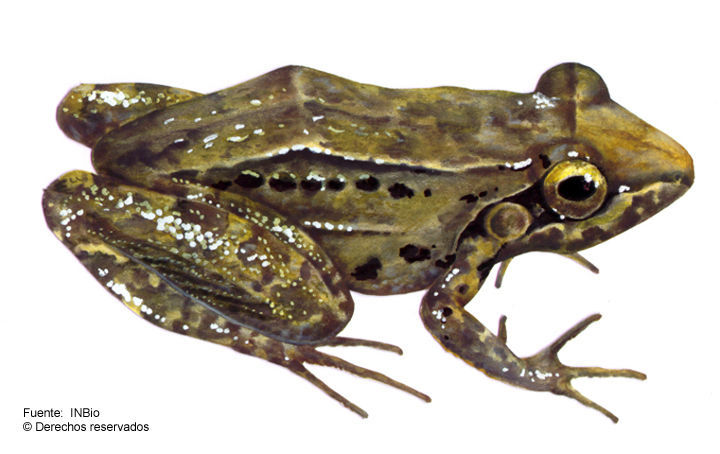
Leptodactylus poecilochilus
species of amphibian
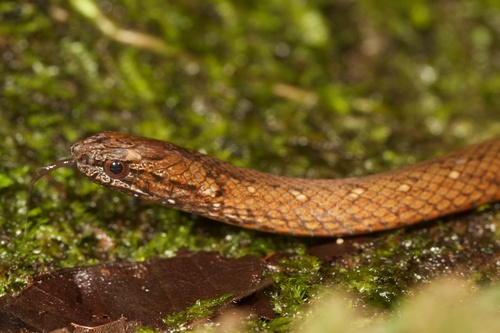
Amastridium
Amastridium is a genus of snakes in the subfamily Dipsadinae of the family Colubridae. The genus is native to Mexico, Central America and Colombia.
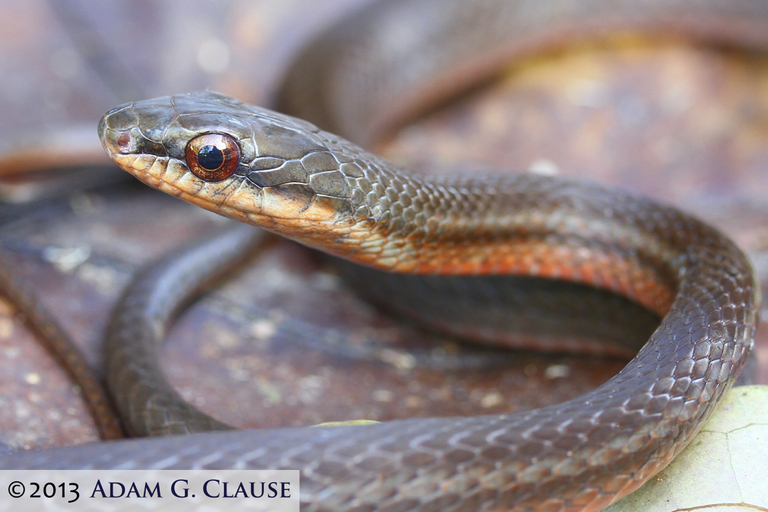
Mastigodryas melanolomus
species of reptile
Cionodon
Cionodon (meaning 'column tooth') is a dubious genus of hadrosaurid dinosaur from the Late Cretaceous. The type species, C. arctatus, was found in the Denver Formation of Lodge Pole Creek, Colorado and was formally described by Edward Drinker Cope in 1874 based on the holotype AMNH 3951, collected in 1873. It is a nomen dubium because it is based on very fragmentary remains. Two other species have since been described: Cionodon kysylkumensis (Riabinin, 1931), based on the holotype CCMGE 1/3760 (a set of vertebrae) from Uzbekistan, and Cionodon stenopsis (Cope, 1875), discovered in rocks from t
Periptychidae
Periptychidae is a family of Cretaceous–Paleocene placental mammals, known definitively only from North America. The family is part of a radiation of early herbivorous and omnivorous mammals formerly classified in the extinct order "Condylarthra", which may be related to some or all living ungulates (hoofed mammals). Periptychids are distinguished from other "condylarths" by their teeth, which have swollen premolars and unusual vertical enamel ridges. The family includes both large and small genera, with the larger forms having robust skeletons. Known skeletons of periptychids suggest generali
Phrynonax
Phrynonax is a genus of snakes in the family Colubridae. The genus is endemic to the New World
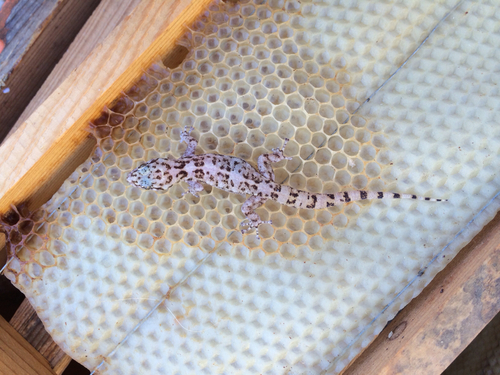
Phyllodactylus unctus
species of reptile

Gastropholis echinata
species of reptile

Caecilia isthmica
species of amphibian
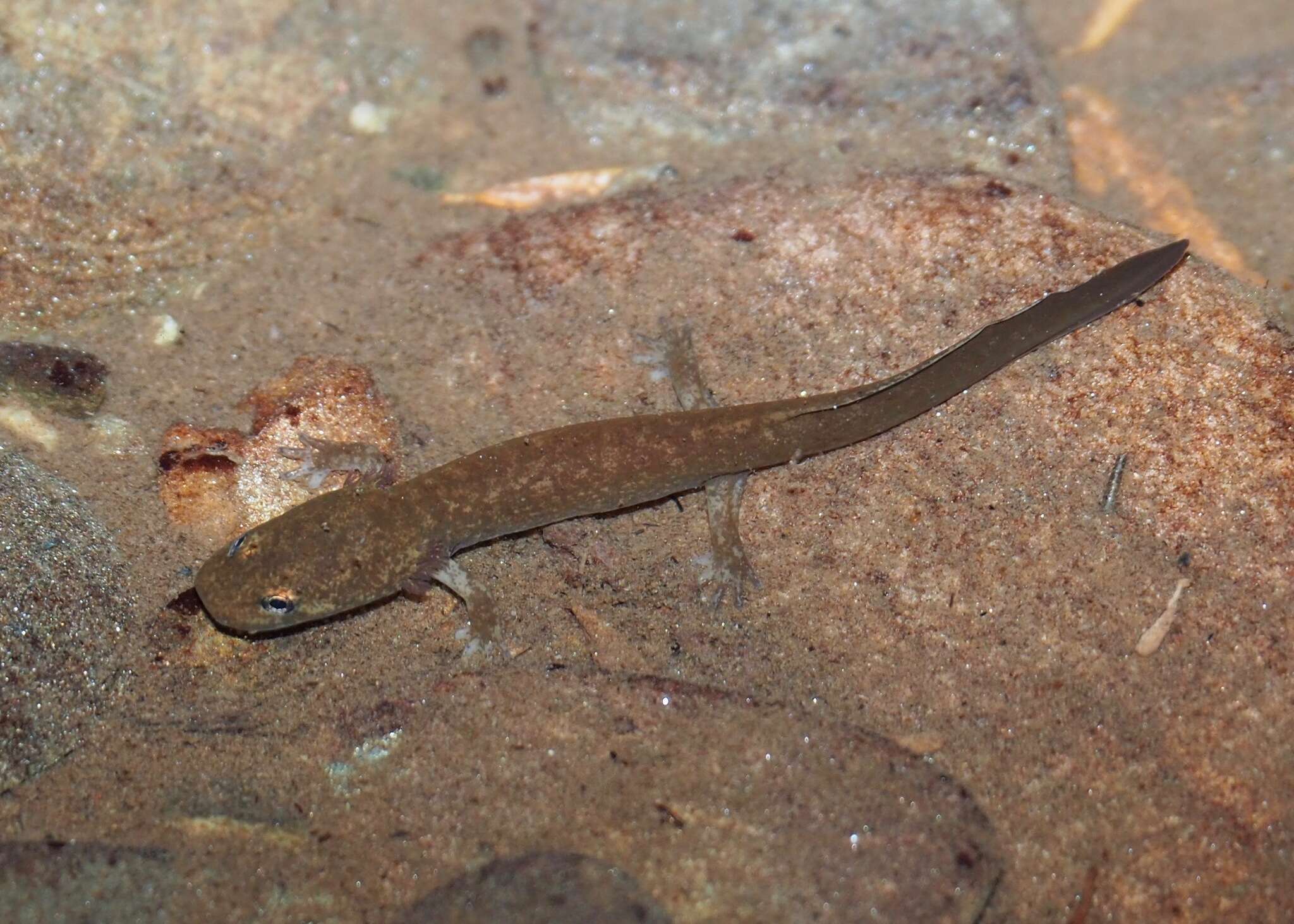
Idaho giant salamander
species of amphibian
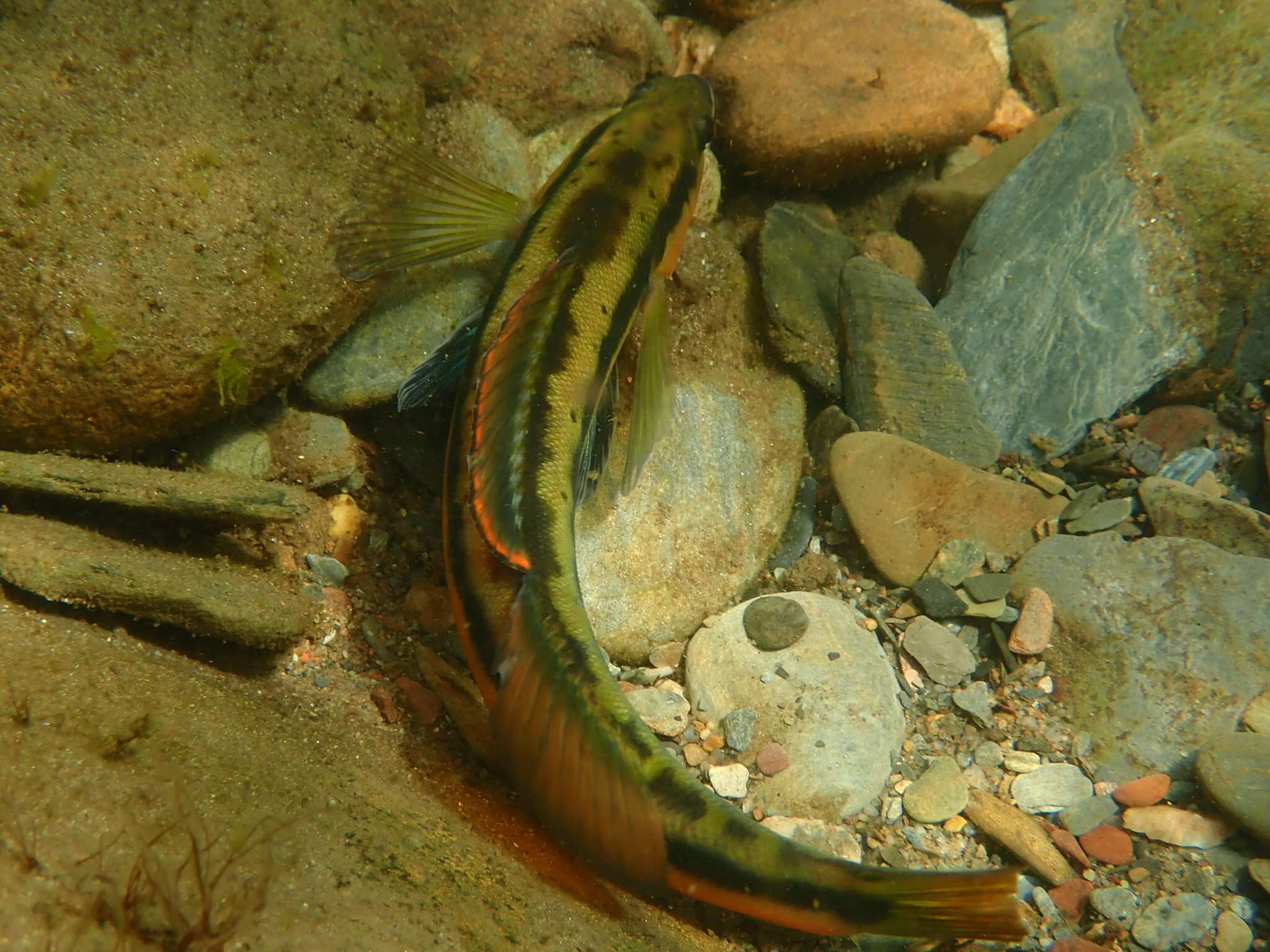
Tangerine darter
species of fish
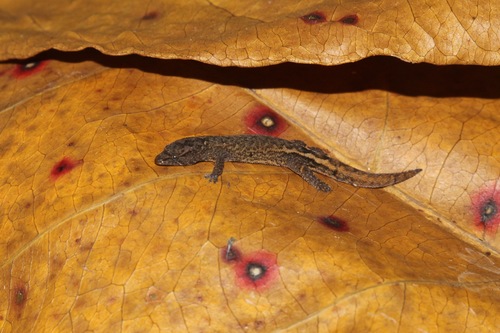
Sphaerodactylus goniorhynchus
species of reptile

Eleutherodactylus auriculatus
species of amphibian

Tennessee Shiner
species of fish
Drymobius melanotropis
species of reptile

Gyalopion canum
species of reptile
Imantodes gemmistratus
species of reptile
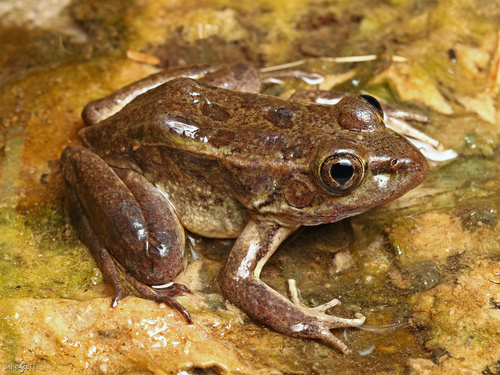
Relict leopard frog
species of amphibian
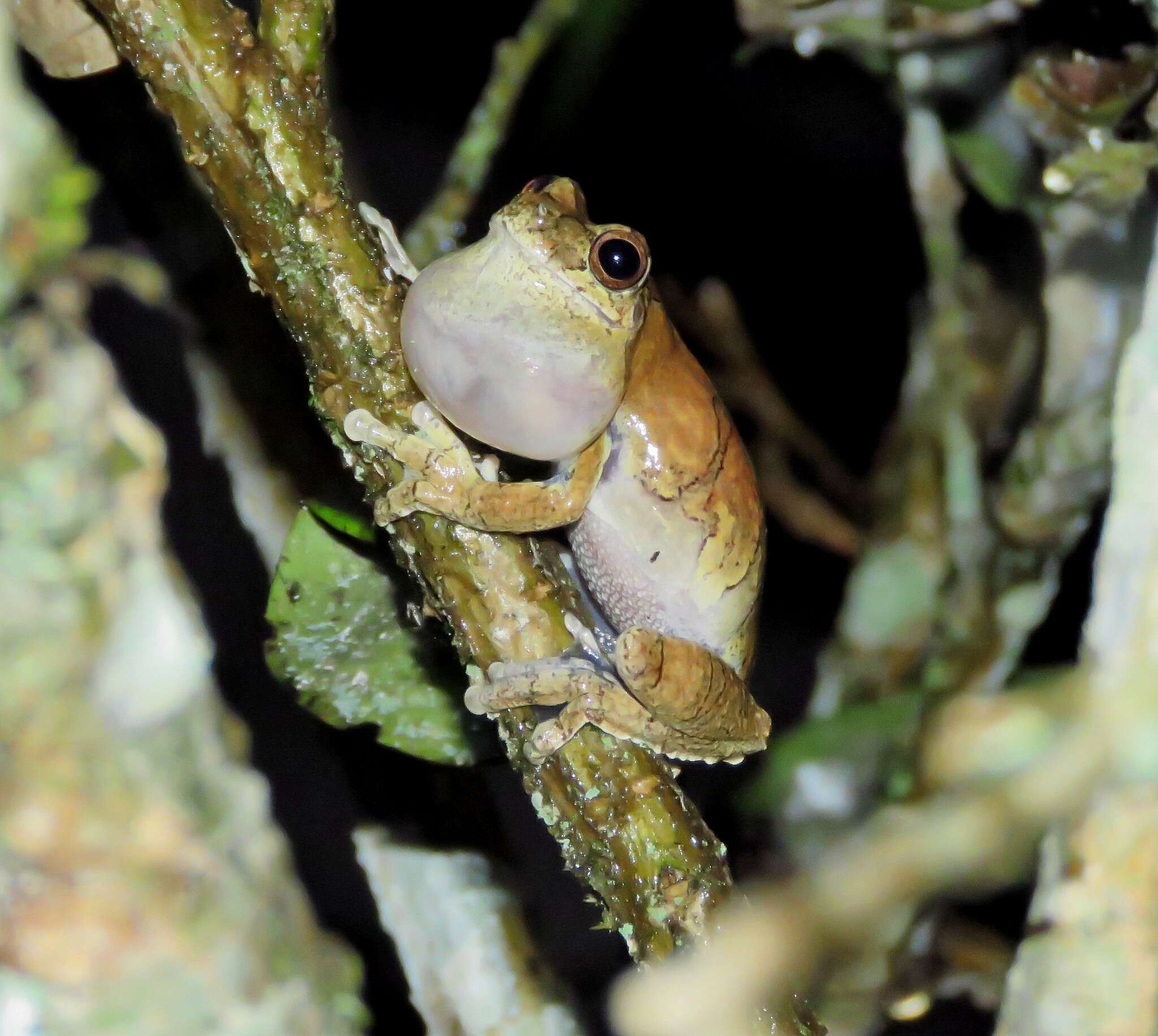
Dendropsophus melanargyreus
species of amphibian
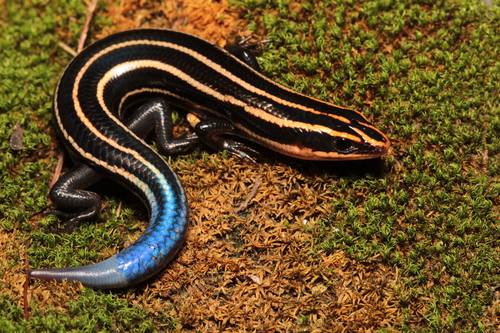
Plestiodon sumichrasti
species of reptile

Anolis argenteolus
species of reptile

Redline darter
species of fish
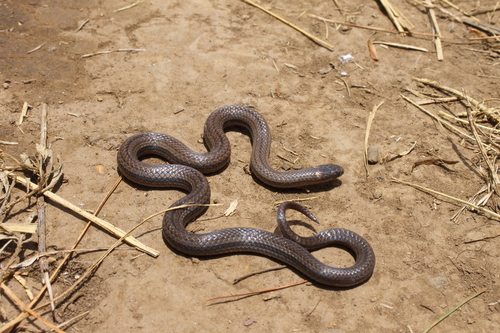
Tantilla calamarina
species of reptile

Eobasileus
Eobasileus ("dawn-king") is a genus of dinoceratan mammal in the family Uintatheriidae. One species is currently considered valid, E. cornutus, though it has been suggested that the closely related Tetheopsis may also belong to this genus. The first specimen of Eobasileus, consisting of a skull, several vertebrae, and bones associated with the limbs, was collected from Haystack Mountain, from strata belonging to the Washakie Formation. The species became the subject of various letters written by Edward Drinker Cope (its describer) and Othniel Charles Marsh, and their disagreements over its tax
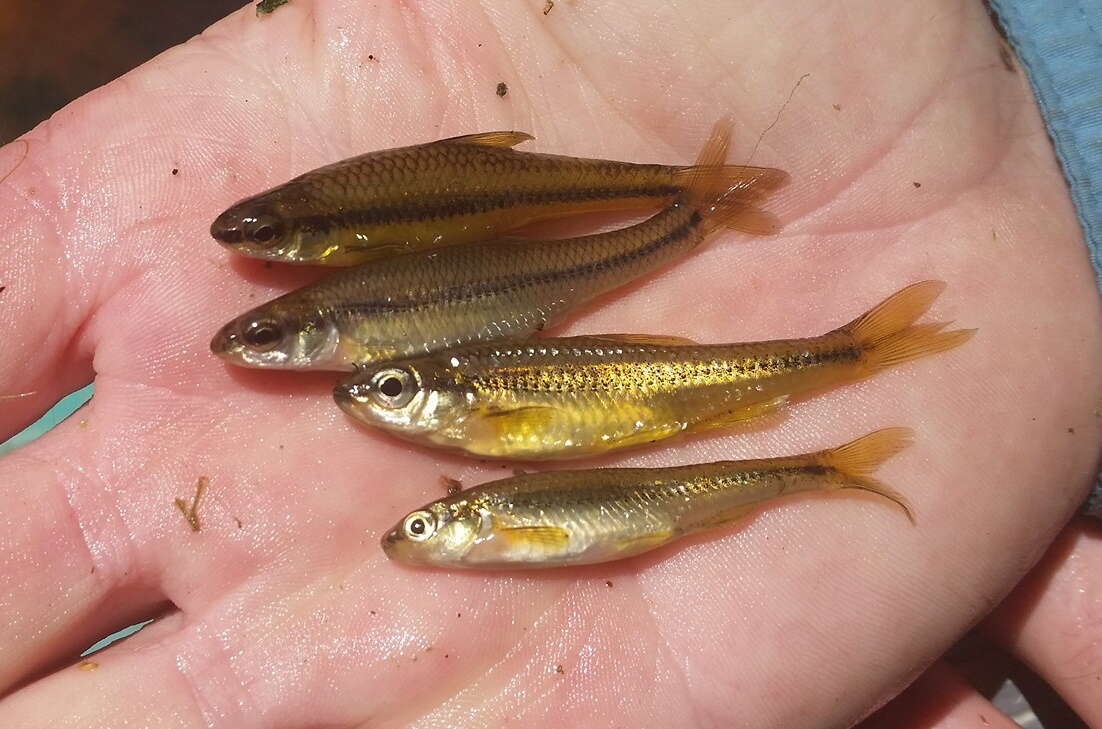
Bridle Shiner
species of fish
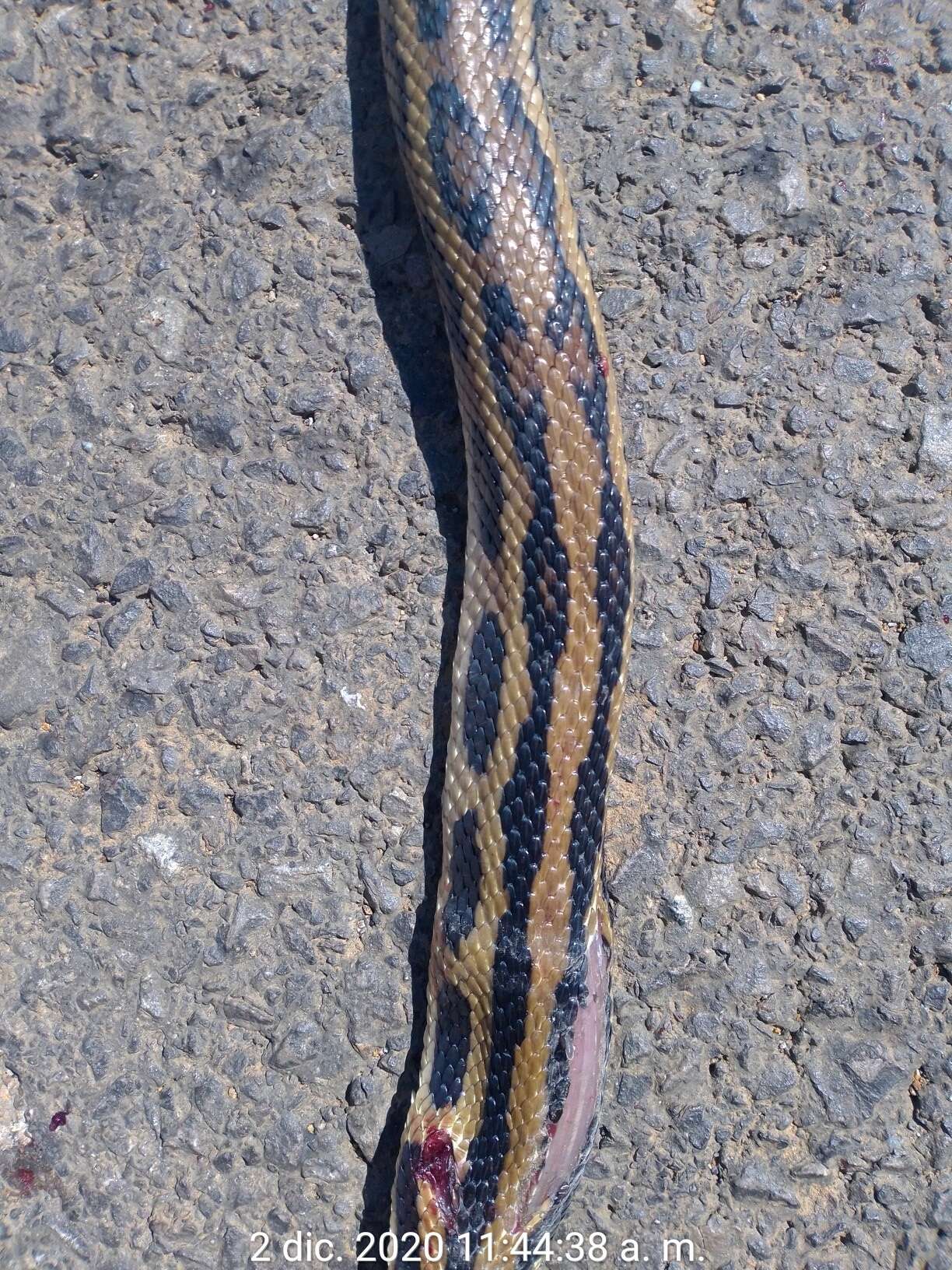
Pituophis lineaticollis
species of reptile
Holcosus leptophrys
species of reptile

Saint Croix racer
species of reptile
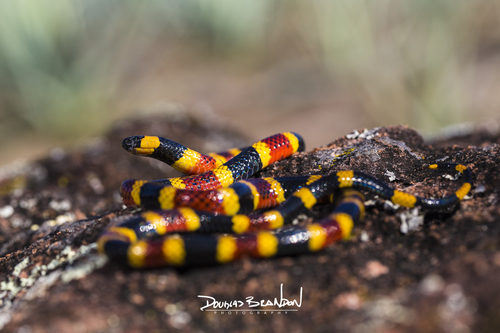
Oaxacan coral snake
species of reptile

Abronia aurita
species of reptile

Acestrorhynchus abbreviatus
species of fish

Ficimia publia
species of reptile
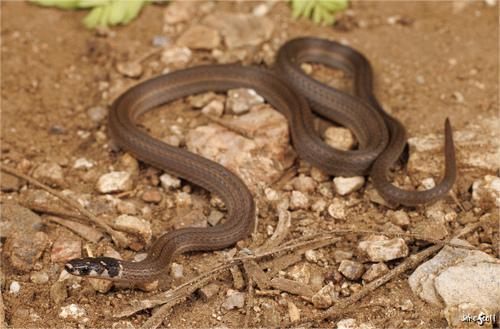
Tantilla armillata
species of reptile

Green climbing toad
species of amphibian
Mylagaulidae
The Mylagaulidae or mylagaulids are an extinct clade of sciuromorph rodents nested within the family Aplodontiidae. They are known from the Neogene of North America and China. The oldest member is the Late Oligocene Trilaccogaulus montanensis that lived some 29 million years ago (Mya), and the youngest was Ceratogaulus hatcheri—formerly in the invalid genus "Epigaulus" —which was found barely into the Pliocene, some 5 Mya.
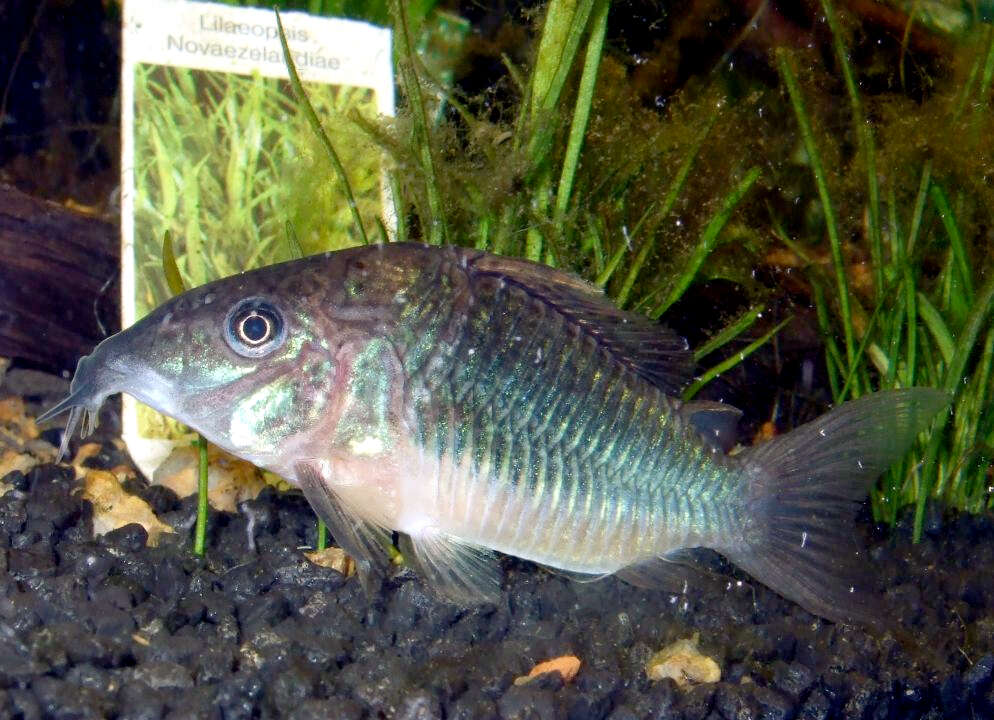
Brochis
Brochis is a genus of freshwater ray-finned fish belonging to the family Callichthyidae, the armoured catfishes, and the subfamily Corydoradinae, the corys. Before the recent resurrection of the genus, these species were grouped in the genus Corydoras. The catfishes in this genus are found in South America.

Allegheny Mountain dusky salamander
species of amphibian

River Redhorse
species of fish

Pleurodema cinereum
species of amphibian