Category
page 1Taxa named by Edward Newman

Simuliidae
family of flies
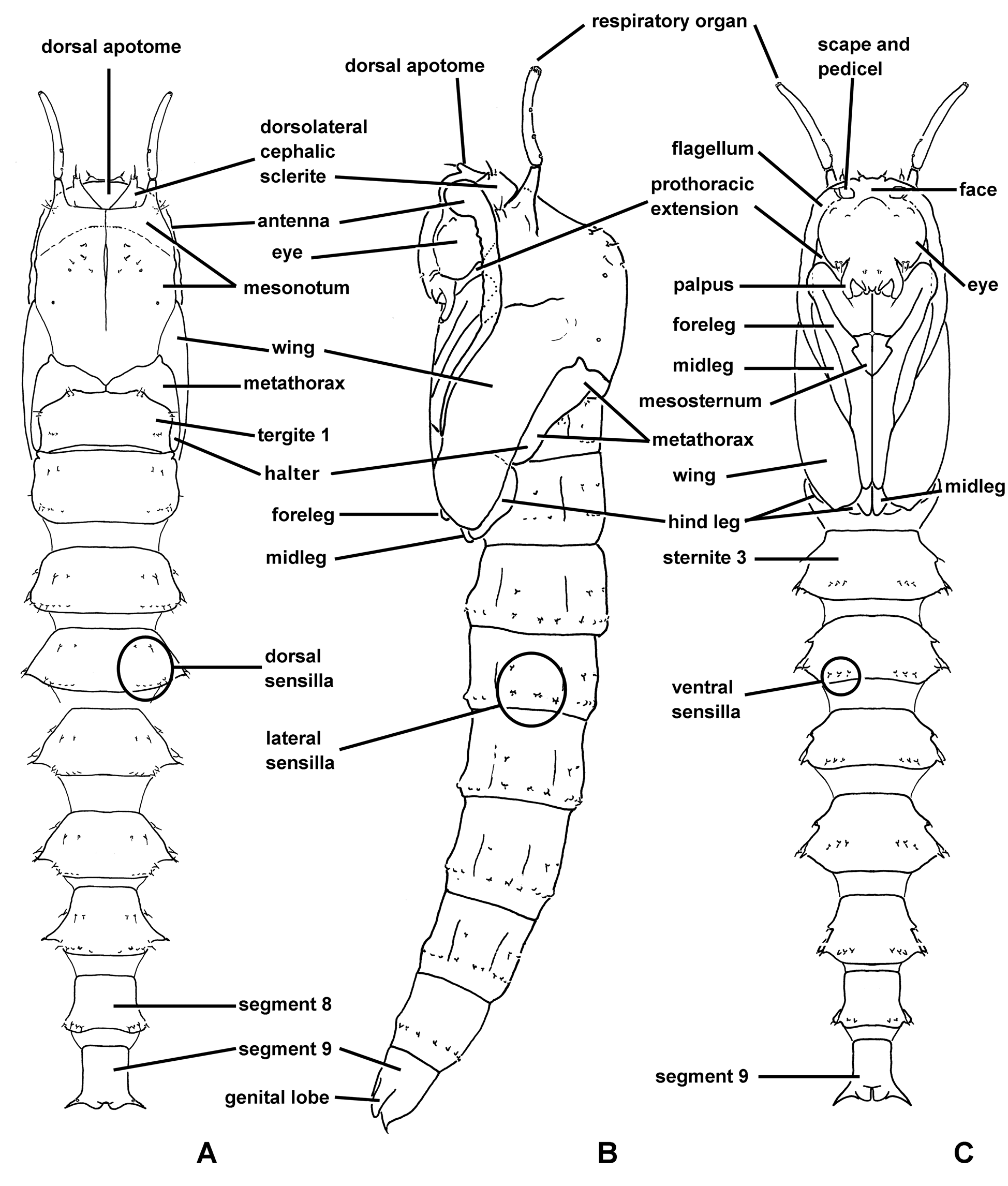
Ceratopogonidae
Ceratopogonidae is a family of flies colloquially known as no-see-ums, sand flies or biting midges, generally in length. The family includes more than 5,000 species, distributed worldwide, apart from the Antarctic and the Arctic. Ceratopogonidae midges are also one of the best-studied cocoa pollinators.
==Description==
See for full details of morphology.
Psychodidae
Psychodidae, also called drain flies, sink flies, filter flies, sewer flies, or sewer gnats, is a family of true flies. Some genera have short, hairy bodies and wings, giving them a "furry" moth-like appearance, hence one of their common names, moth flies. Members of the sub-family Phlebotominae, which are hematophagous (feed on blood), may be called sand flies in some countries, although this term is also used for other unrelated flies, such as horse flies (Tabanidae) and no-see-ums (Ceratopogonidae).
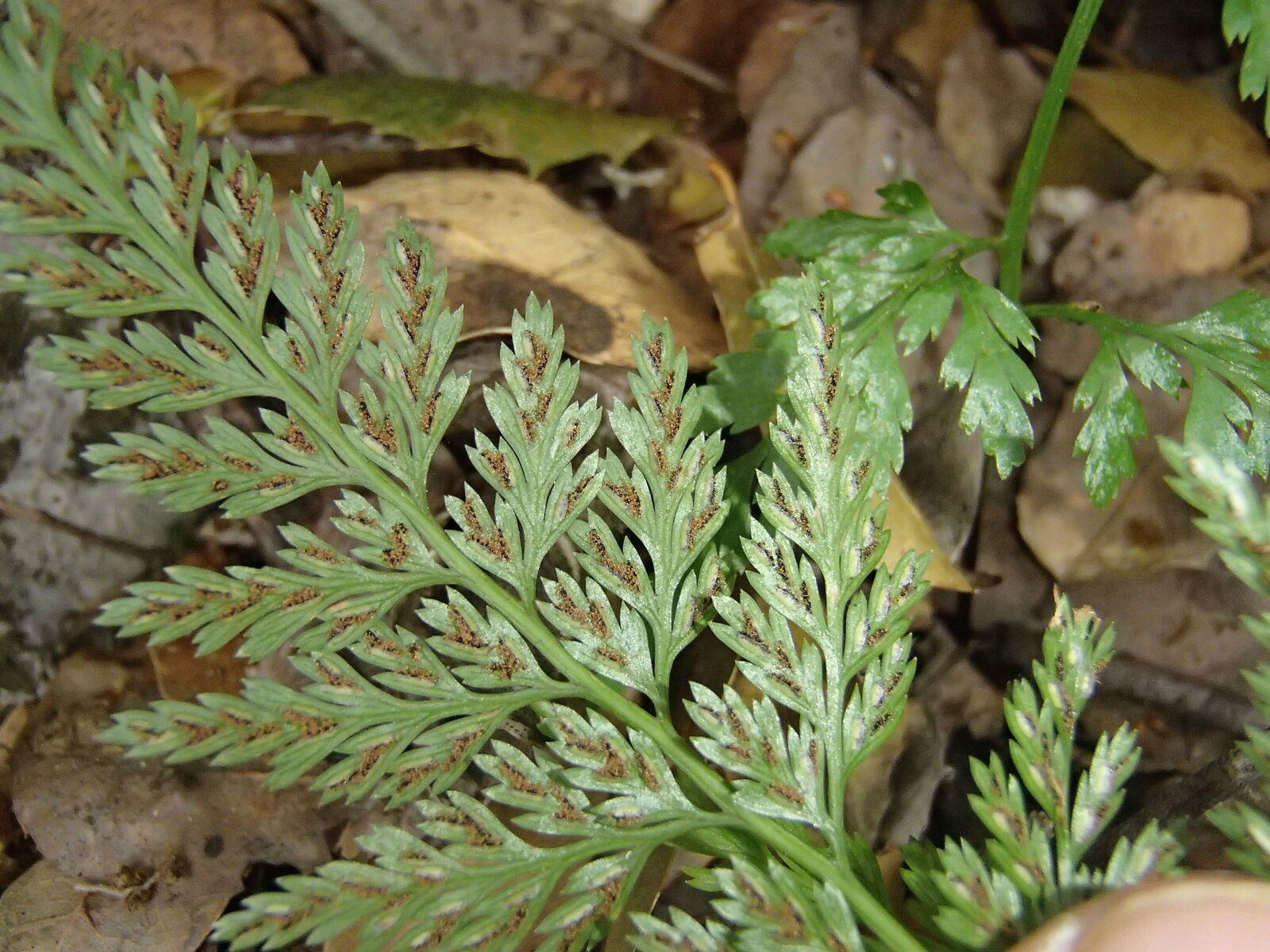
Aspleniaceae
The Aspleniaceae (spleenworts) are a family of ferns, included in the order Polypodiales. The composition and classification of the family have been subject to considerable changes. In particular, there is a narrow circumscription, Aspleniaceae s.s. (adopted here), in which the family contains only two genera, and a very broad one, Aspleniaceae s.l., in which the family includes 10 other families kept separate in the narrow circumscription, with the Aspleniaceae s.s. being reduced to the subfamily Asplenioideae. The family has a worldwide distribution, with many species in both temperate and t

Tephritidae
The Tephritidae are one of two fly families referred to as fruit flies, the other family being the Drosophilidae. The family Tephritidae does not include the biological model organisms of the genus Drosophila (in the family Drosophilidae), which is often called the "common fruit fly". Nearly 5,000 described species of tephritid fruit fly are categorized in almost 500 genera of the Tephritidae. Description, recategorization, and genetic analyses are constantly changing the taxonomy of this family. To distinguish them from the Drosophilidae, the Tephritidae are sometimes called peacock flies, in

Cecidomyiidae
thumb|right|A cecidomyiid laying eggs on grass
thumb|thumbtime=0:51|Cecidomyiid in copula
thumb|thumbtime=1:40|Cecidomyiid oviposting into boreholes of bark beetles on a fallen beech

Blechnaceae
thumb|x300px|Blechnopsis orientalis. The young opening fronds of many species are usually tinged with red.
Orytes rinojaponyes
species of insect

Sympetrum
thumb|Sympetrum commixtum, Nepal
thumb|Sympetrum vicinum mating

Mycetophilidae
thumb|Fossil in Baltic amber

Orthetrum
Orthetrum is a large genus of dragonflies in the Libellulidae family. They are commonly referred to as skimmers.
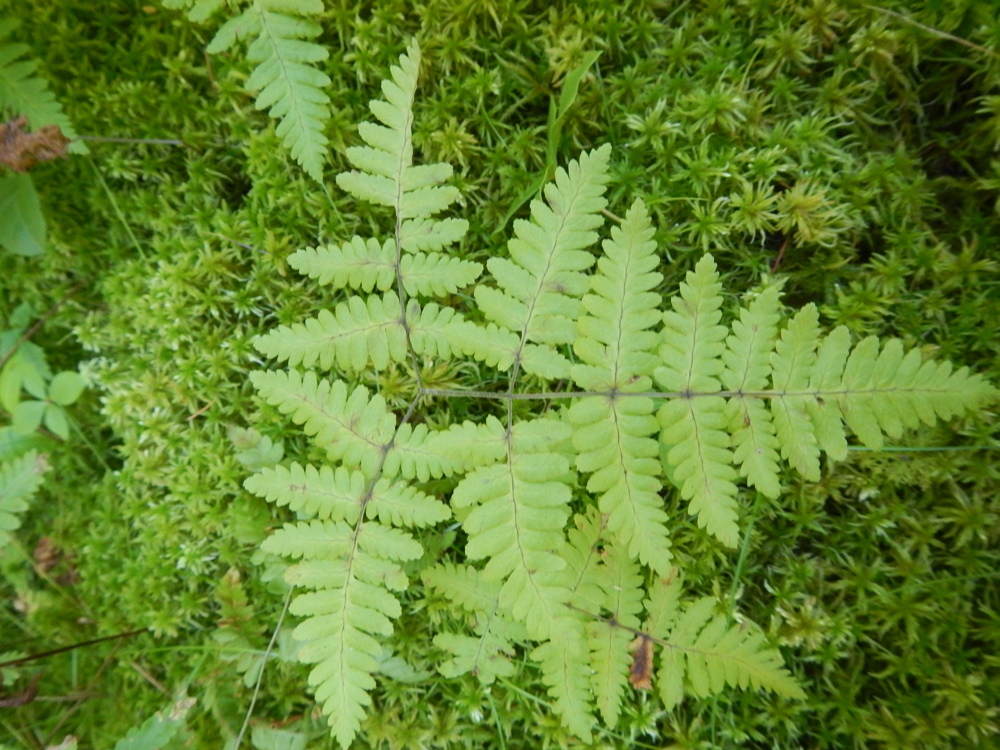
Gymnocarpium robertianum
species of plant
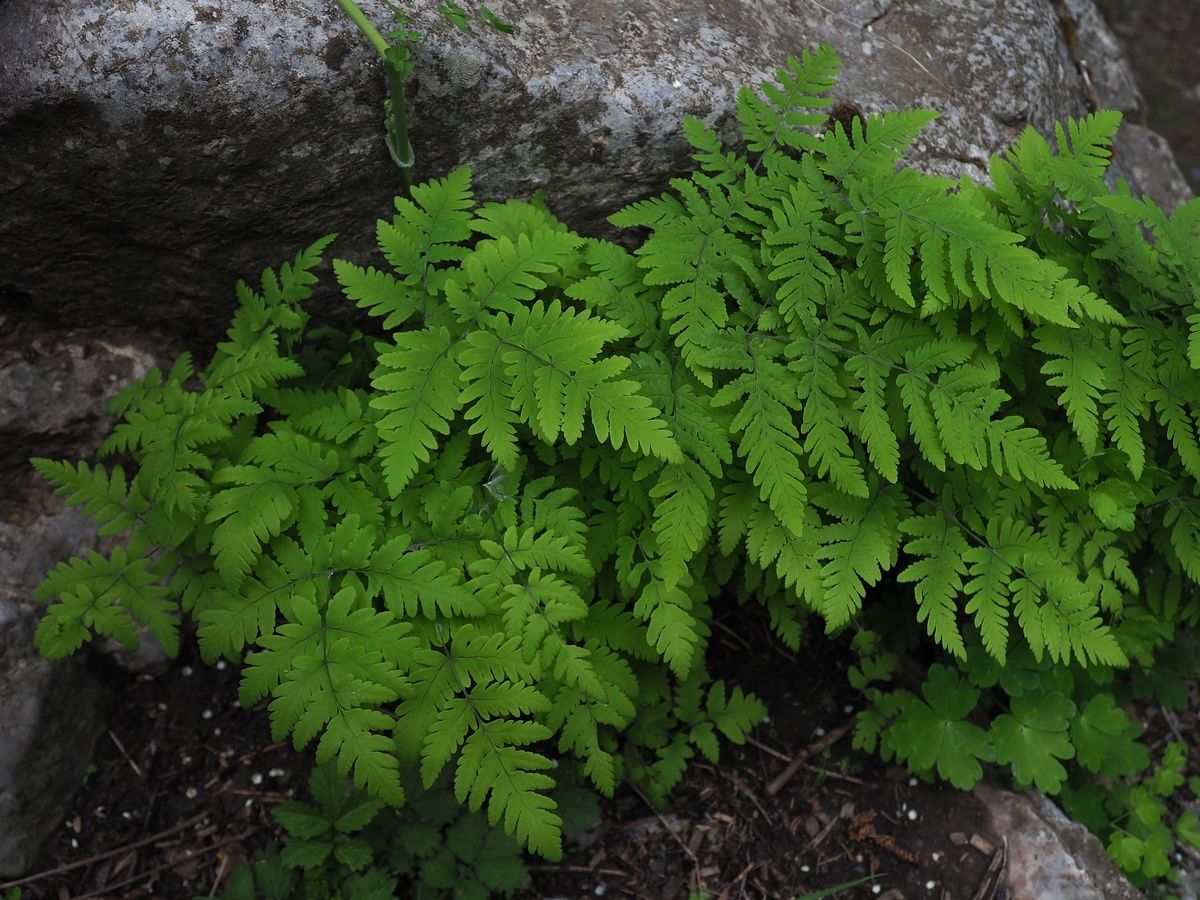
Gymnocarpium
Gymnocarpium is a small genus of ferns, called oak ferns. It was once placed with various other groups, including the dryopteroid ferns and the athyrioid ferns. Cladistic analysis has demonstrated that Gymnocarpium and Cystopteris form a natural but relatively primitive clade that is basal to the asplenioid, thelypterioid, and athyrioid ferns comprehensively.

Therevidae
The Therevidae are a family of flies of the superfamily Asiloidea commonly known as stiletto flies. The family contains about 1,600 described species worldwide, most diverse in arid and semiarid regions with sandy soils. The larvae are predators of insect larvae in soil.
thumb|230px|left|Plate from Johann Wilhelm Meigen EuropäischenZweiflügeligen.Showing the gross features mentioned in the text (figures 5-9)
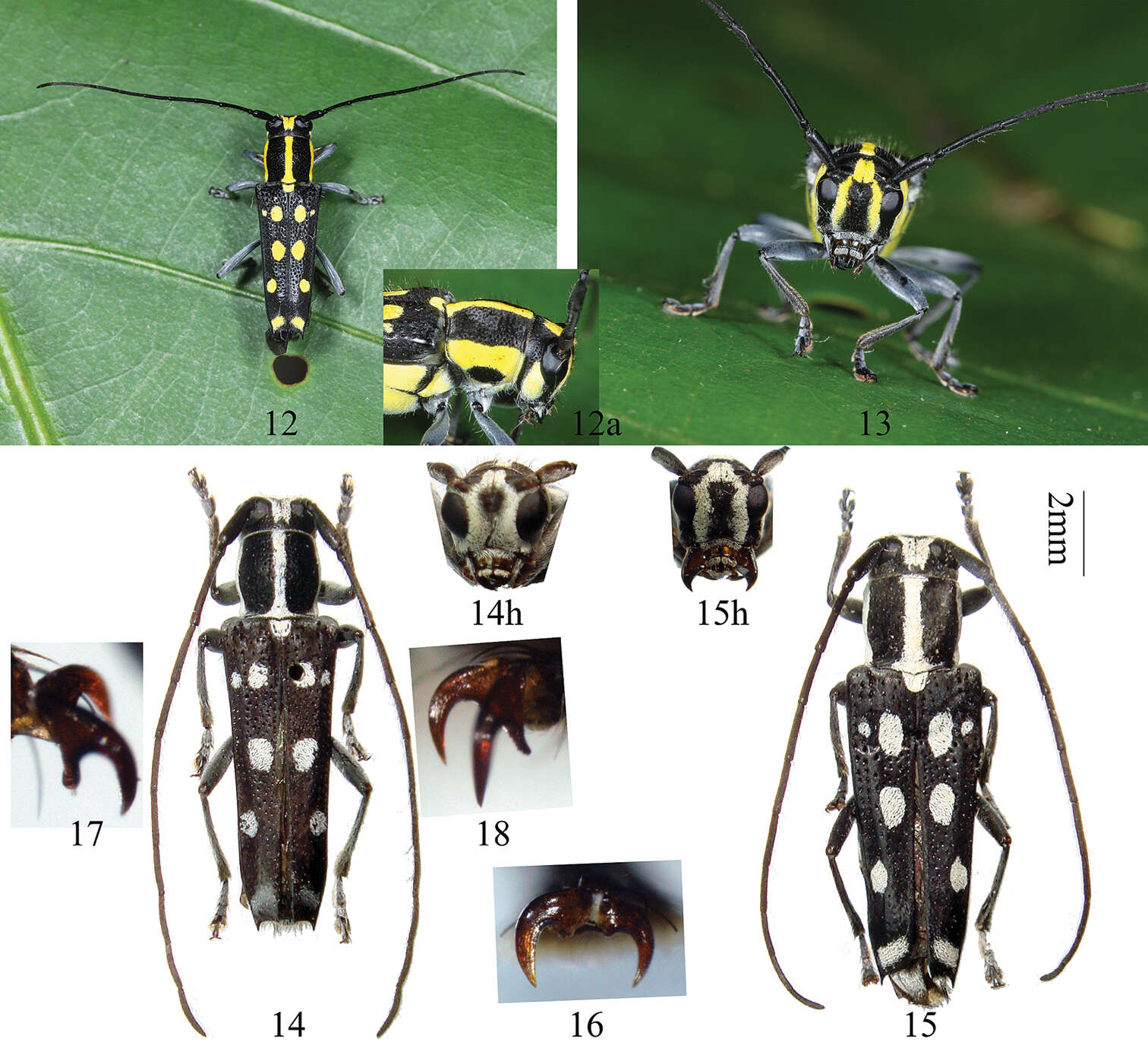
Glenea
Glenea is a genus of longhorn beetles belonging to the family Cerambycidae, subfamily Lamiinae.
Carnidae
Carnidae, also known as bird flies or filth flies, is a family of flies (Diptera). There are 6 genera, containing about 93 species worldwide.

Batocera numitor
species of beetle

Ithonidae
Ithonidae, commonly called moth lacewings and giant lacewings, is a small family of winged insects of the insect order Neuroptera. The family contains a total of ten living genera, and over a dozen extinct genera described from fossils. The modern Ithonids have a notably disjunct distribution, while the extinct genera had a more global range. The family is considered one of the most primitive living neuropteran families. The family has been expanded twice, first to include the genus Rapisma, formerly placed in the monotypic family Rapismatidae, and then in 2010 to include the genera that had b
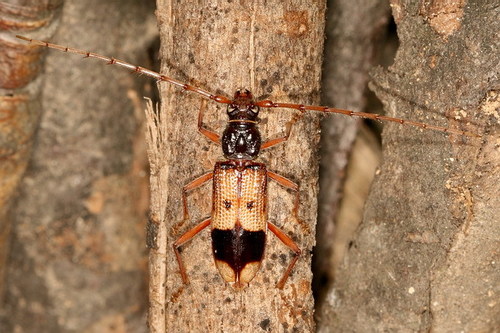
Phoracantha
Phoracantha is a genus of longhorn beetles native to Australia and New Guinea. Species in this genus are primarily associated with Eucalyptus trees, with some species considered economically significant pests.

Didymocantha obliqua
species of insect
Syllitus rectus
species of beetle
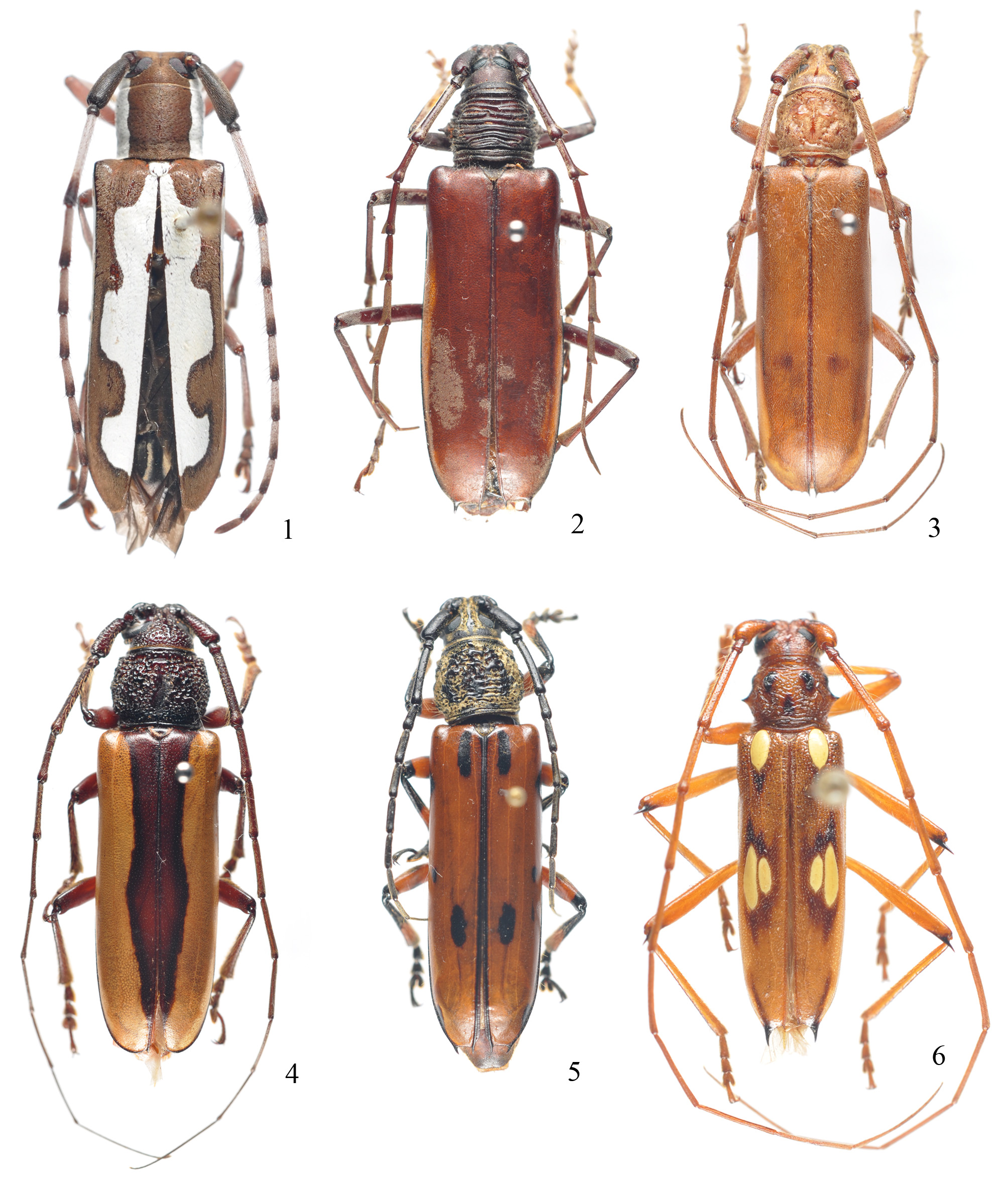
Xestiodion pictipes
species of beetle

Myolepta
Myolepta is a cosmopolitan genus of hoverflies most closely related to the genus Lepidomyia
Grammoptera haematites
species of insect
Grammoptera exigua
species of insect
Pentacosmia
Pentacosmia is a genus of longhorn beetles in the subfamily Lamiinae. It is endemic to Australia.
Stenorhopalus macer
species of beetle
Pyropteron
Pyropteron is a genus of moths in the family Sesiidae, raised by the English entomogist, Edward Newman in1832.
right|thumb|Thrift Clearwing (Pyropteron muscaeformis)
thumb|right|Fiery Clearwing (Pyropteron chrysidiformis)

Phragmataecia
Phragmataecia is a genus of moths belonging to the family Cossidae. Members of this genus are found in the Old World.
Psychodinae
thumb|Psychoda cf. surcoufi on oak leaves
Drepanacra binocula
species of insect
Lepidosaphes beckii
species of insect
Monopis ethelella
species of moth
Castulo doubledayi
species of insect
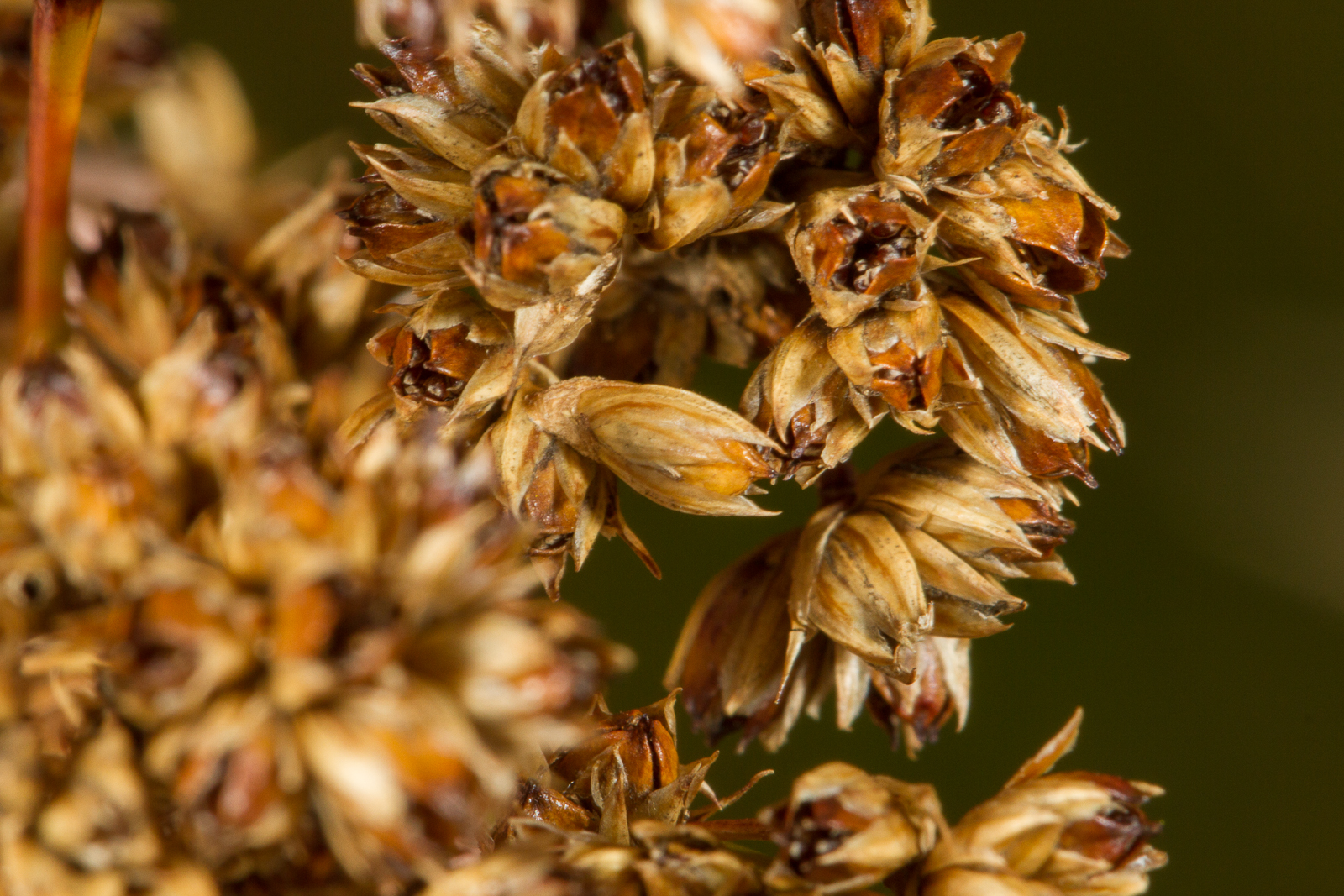
Coleophora maritimella
species of insect
Cephoidea
Cephoidea is a small superfamily within the Symphyta, commonly referred to as stem sawflies, containing some 100 species in 10 genera in the living family, Cephidae, plus another 17 genera in the extinct family Sepulcidae. They first appeared around 212 million years ago in the Norian Age, and are diurnal. Most species occur in the Northern Hemisphere, especially in Eurasia. The larvae are stem borers in various plants, especially grasses, but sometimes other herbaceous plants, shrubs, or trees. A few are pests of cereal grains (e.g. Cephus cinctus, which attacks wheat). They are exceptionally
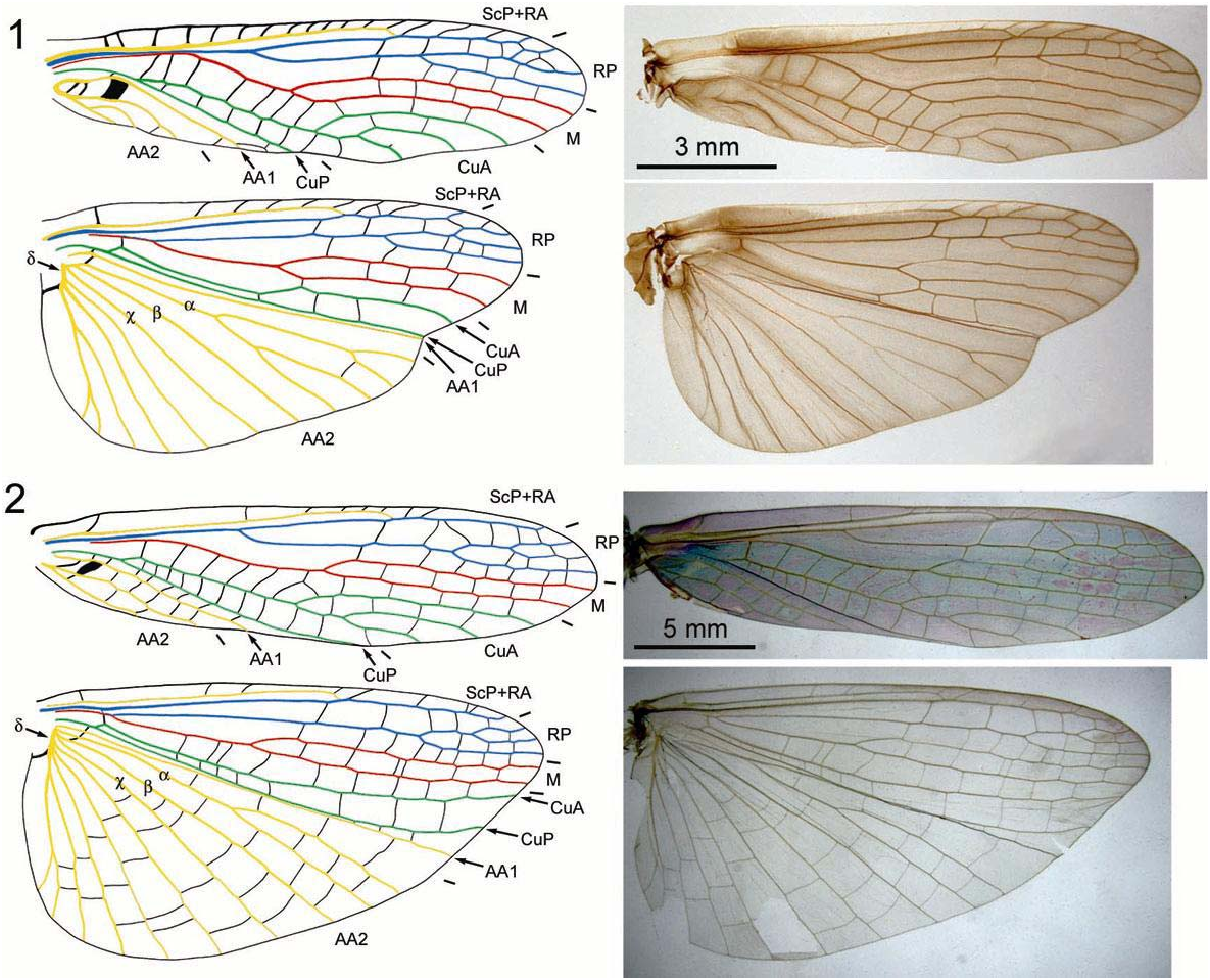
Stenoperla prasina
species of stonefly endemic to New Zealand
Ligyra
thumb|Ligyra tantalus
thumb|Ligyra punctipennis
Ligyra is a genus of bee flies in the Bombyliidae family. It was described by Edward Newman in 1841. There are at least 110 described species in Ligyra.

Omma
Omma is a genus of beetles in the family Ommatidae. Omma is an example of a living fossil. The oldest species known, O. liassicum, lived during the final stage of the Triassic (Rhaetian), over 200 million years ago, though the placement of this species in Omma has been questioned. Numerous other fossil species are known from the Jurassic and Cretaceous of Europe and Asia. The only living species is Omma stanleyi, which is endemic to Australia. Three other extant species endemic to Australia that were formerly part of this genus were moved to the separate genus Beutelius in 2020. Omma stanleyi
Acroneuria lycorias
species of insect
Oenosandra
Oenosandra is a monotypic moth genus in the family Oenosandridae. Its only species, Oenosandra boisduvalii, or '''Boisduval's autumn moth''', is found in the southern half of Australia, including Tasmania. Both the genus and species were first described by Edward Newman in 1856.
Stilbopteryx costalis
species of insect
Clinidium sculptile
species of insect

Euura
Euura is a genus of sawflies of the family Tenthredinidae, subfamily Nematinae. Some of the larvae feed externally on plants and some form plant galls on willows (Salix species). In the case of the gall-forming species, when the female lays her eggs she injects a stimulant and the gall starts to form before the eggs hatch. Most sawfly galls are hard and individual larva tend to inhabit the gall, feeding on the tissue and leave the gall to pupate in the soil. Most of the species are monophages (i.e., specific to one species of willow) although the type species, Euura mucronata, is polyphag
Northern February red
species of insect
Tortricopsis
Tortricopsis is a genus of moths in the subfamily Oecophorinae of the family Oecophoridae. It occurs in Australia.
Xanthoperla apicalis
species of insect
Schizotus
Schizotus is a genus of fire-colored beetles in the family Pyrochroidae. There are at least three described species in Schizotus.
Callipyrga
Callipyrga turrita is a species of beetle in the family Cerambycidae, and the only species in the genus Callipyrga. It was described by Edward Newman in 1842 using a specimen obtained by Rupert Kirk at Woodside near Sydney. This species is endemic to coastal eastern Australia from Townsville in Queensland down to Glenmore in New South Wales. The adult beetles are attracted to light and have been collected on Geijera parviflora and Flindersia xanthoxyla.
Deretaphrus
Deretaphrus is a genus of dry bark beetles in the family Bothrideridae. A taxonomic revision of the genus published in 2013 listed 25 species, which exhibit a disjunct distribution. There are 22 species of the genus described from Australia, with single species also being found in each of New Caledonia, Bolivia, and North America.
Paracapnia opis
species of insect
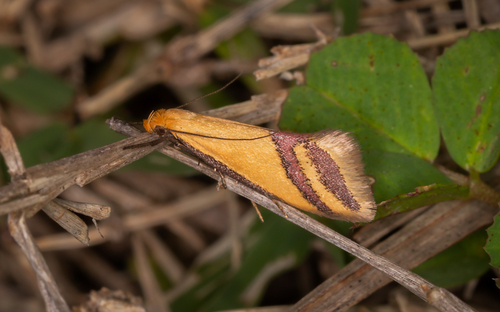
Coeranica isabella
species of insect
Popillia acuta
species of insect
Hartigia
Phylloecus (formerly Hartigia) is a genus of sawflies belonging to the family Cephidae.
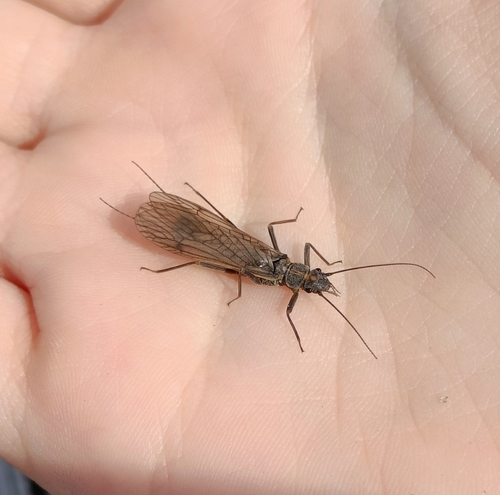
Isogenus nubecula
species of insect
Rhyzodiastes liratus
species of insect