Category
page 1Taxa named by Erik Acharius
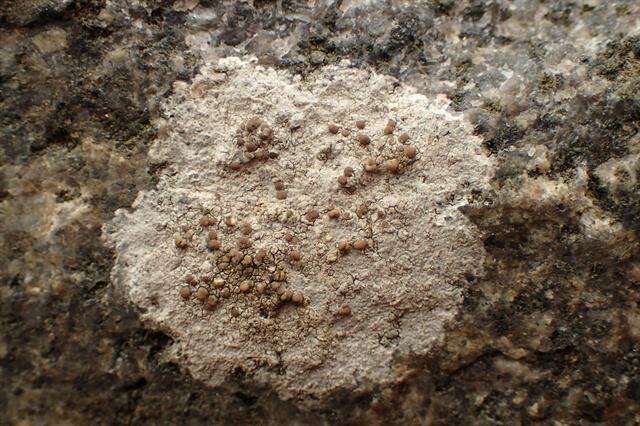
Lecanora
Lecanora is a genus of lichen commonly called rim lichens. Lichens in the genus Squamarina are also called rim lichens. Members of the genus have roughly circular fruiting discs (apothecia) with rims that have photosynthetic tissue similar to that of the nonfruiting part of the lichen body (thallus). Other lichens with apothecia having margins made of thallus-like tissue are called lecanorine.

Parmelia
genus of fungi
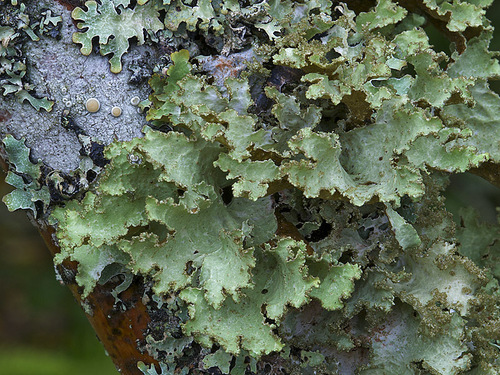
Cetraria
Cetraria is a genus of fruticose lichens that associate with green algae as photobionts. Most species are found at high latitudes, occurring on sand or heath, and are characterised by their "strap-like" form with spiny edges. The lobes can range from narrow and linear to broader and flattened, often forming loose or densely packed cushions. Their distinctive spiny margins serve both a defensive role and aid in vegetative reproduction through fragmentation. The genus was created by Erik Acharius in 1803 and belongs to the large family Parmeliaceae. While originally a species-rich genus, taxonom

Ramalina
Ramalina is a genus of greenish fruticose lichens that grow in the form of flattened, strap-like branches. Members of the genus are commonly called strap lichens or cartilage lichens. Apothecia are lecanorine.

Evernia
Evernia is a genus of bushy lichens in the family Parmeliaceae.
Oakmoss Evernia prunastri is used as a fixative agent in Eau de Cologne within the perfume industry. It is green on top and white on bottom, and divides evenly into "forks"; it becomes very soft when wet. It is not to be confused with Ramalina, which is straplike, stiff and bristly, green on top and bottom, and divides unevenly. Evernia is an abundant genus, found growing on trees.

Nephroma
Nephroma is a genus of medium to large foliose lichens. The genus has a widespread distribution. They are sometimes called kidney lichens, named after the characteristic kidney-shaped apothecia that they produce on the lower surface of their lobe tips, which often curl upwards and thus are visible from above. Sterile specimens that do not have apothecia can look somewhat like Melanelia, Peltigera, Platismatia, or Asahinea. Most species grow either on mossy ground or rocks, or on trees.
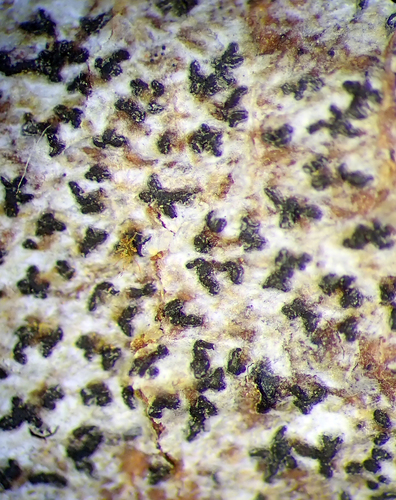
Arthonia
Arthonia is a genus of crustose lichens in the family Arthoniaceae. They are commonly called comma lichens.
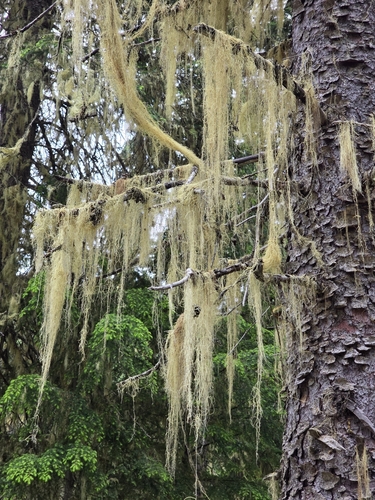
Alectoria sarmentosa
species of fungus
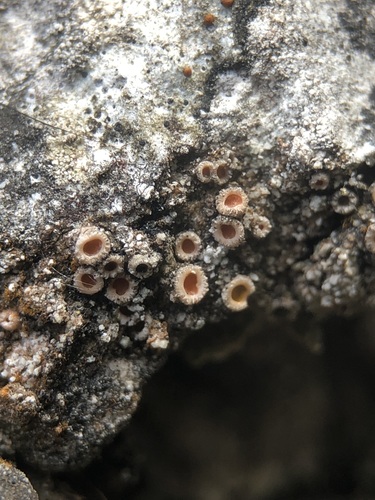
Gyalecta
Gyalecta is a genus of lichen-forming fungi in the family Gyalectaceae that contains 50 species. Gyalecta was circumscribed by lichenologist Erik Acharius in 1808. It forms associations with Trentepohlia algae.
.jpg)
Lepraria
Lepraria is a genus of leprose (powdery) crustose lichens that grows on its substrate like patches of granular, caked up, mealy dust grains. Members of the genus are commonly called dust lichens. The main vegetative body (thallus) is made of patches of soredia (little balls of algae wrapped in fungus). Sexual structures have not been observed in Lepraria, but genomic evidence indicates that the genus retains mating type and meiosis-associated genes, raising the possibility of cryptic sexual or parasexual recombination. Some species can form marginal lobes and appear squamulose. Because of the

Opegrapha
Opegrapha is a genus of mostly lichen-forming fungi in the family Opegraphaceae. These lichens form crusty patches on bark, rock, or other lichens, and are easily recognised by their distinctive black, slit-like or rounded fruiting bodies that look like tiny scribbles or dashes on the surface. The genus includes about 150 accepted species found worldwide, with most partnering with orange-pigmented green algae, though some live as parasites on other lichens. Opegrapha species are distinguished from similar genera by their combination of branched internal filaments, ascospores with multiple sept
Alectoria
genus of fungi

Pyrenula
Pyrenula is a genus of lichen-forming fungi in the family Pyrenulaceae. The genus has a widespread distribution, especially in tropical regions, and contains about 200 species. Most species grow on bark in moist, shaded habitats, especially in tropical regions. They usually form thin crusts on the surface and produce small black spore-bearing structures that are partly embedded in the lichen body. Research has shown that some species names in Pyrenula were once applied too broadly, and that the boundaries of the genus itself may still need refinement.
.jpg)
Leptogium
Leptogium is a genus of lichen-forming fungi in the family Collemataceae. It has about 110 species. Species formerly classified under Leptogium have since been divided among the genera Leptogium, Pseudoleptogium, and Scytinium. Leptogium lichens are predominantly found on tree bark or soil, often among mosses, and sometimes on rocks in moist environments.

Peltigera membranacea
species of fungus
Lecidea
Lecidea is a genus of crustose lichens with a carbon-black ring or outer margin (exciple) around the fruiting body disc (apothecium), usually (or always) found growing on (saxicolous) or in (endolithic) rock. Lichens that have such a black exciple are called lecideine, meaning "like Lecidea, even if they are not in this genus. Members of the genus are commonly called disk lichens or tile lichens.
Nephroma parile
species of fungus
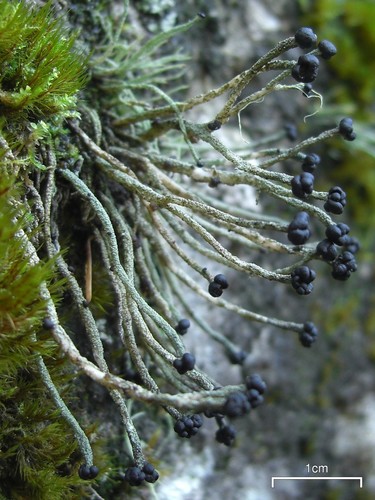
Pilophorus acicularis
species of fungus
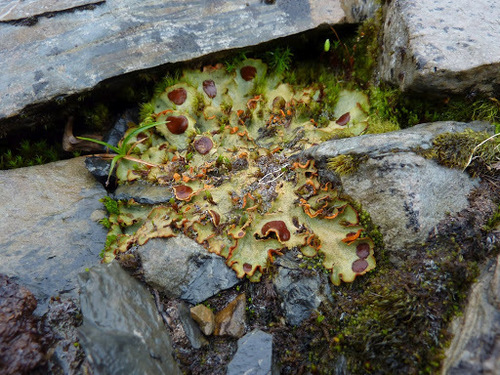
Solorina
Solorina is a genus of 10 species of lichenized fungi in the family Peltigeraceae. The genus was first described by the Swedish botanist Erik Acharius in 1808. Members of the genus are commonly called socket lichens.
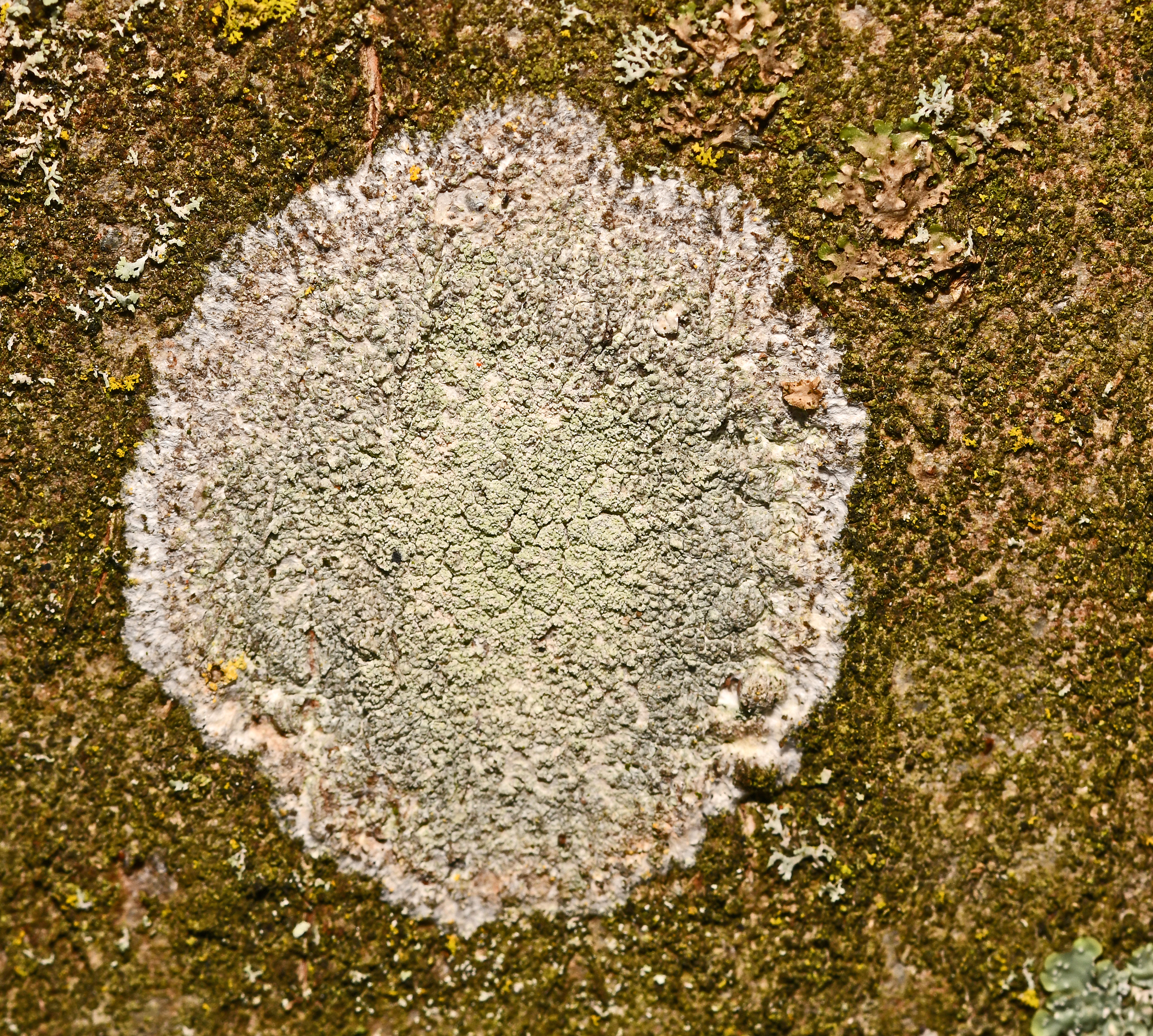
Phlyctis argena
species of fungus
Rinodina
Rinodina is a genus of lichen-forming fungi in the family Physciaceae. The genus has a widespread distribution and contains about 265 species. It is hypothesized that a few saxicolous species common to dry regions of western North America, southern Europe, North Africa and central Asia may date back 240 million years to the Middle Triassic.
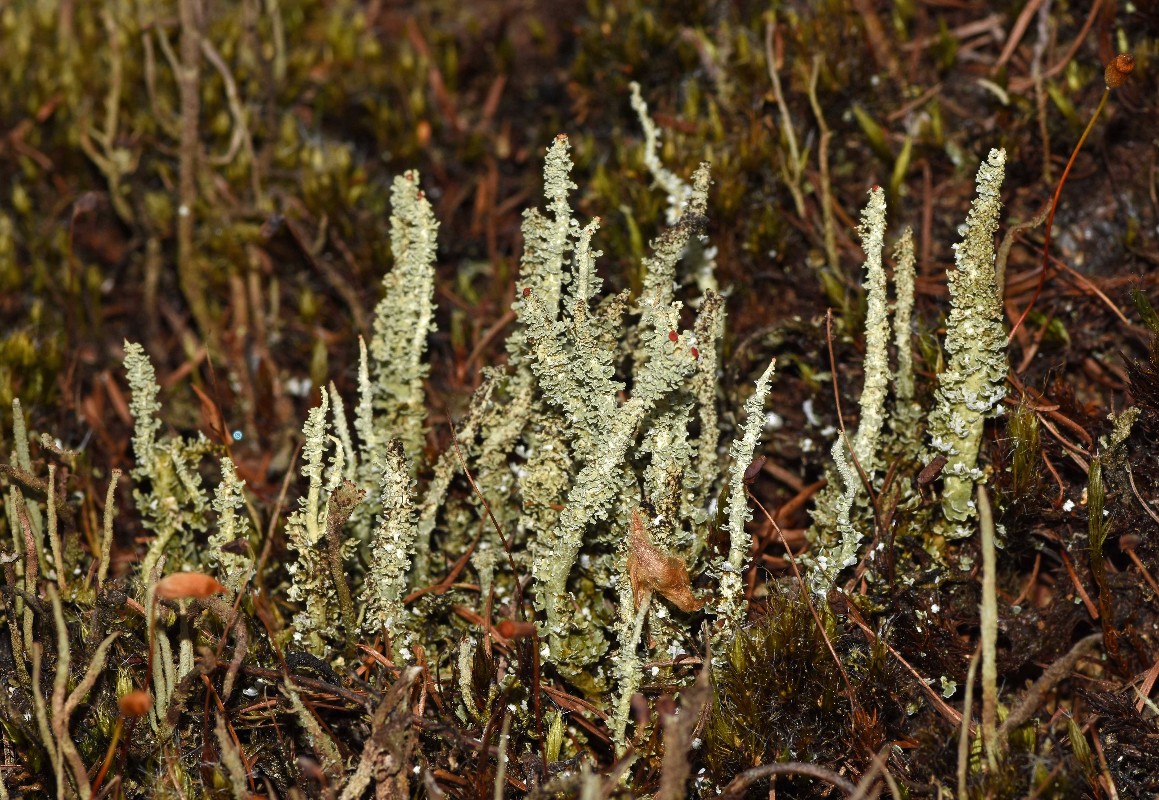
Cladonia bellidiflora
species of fungus
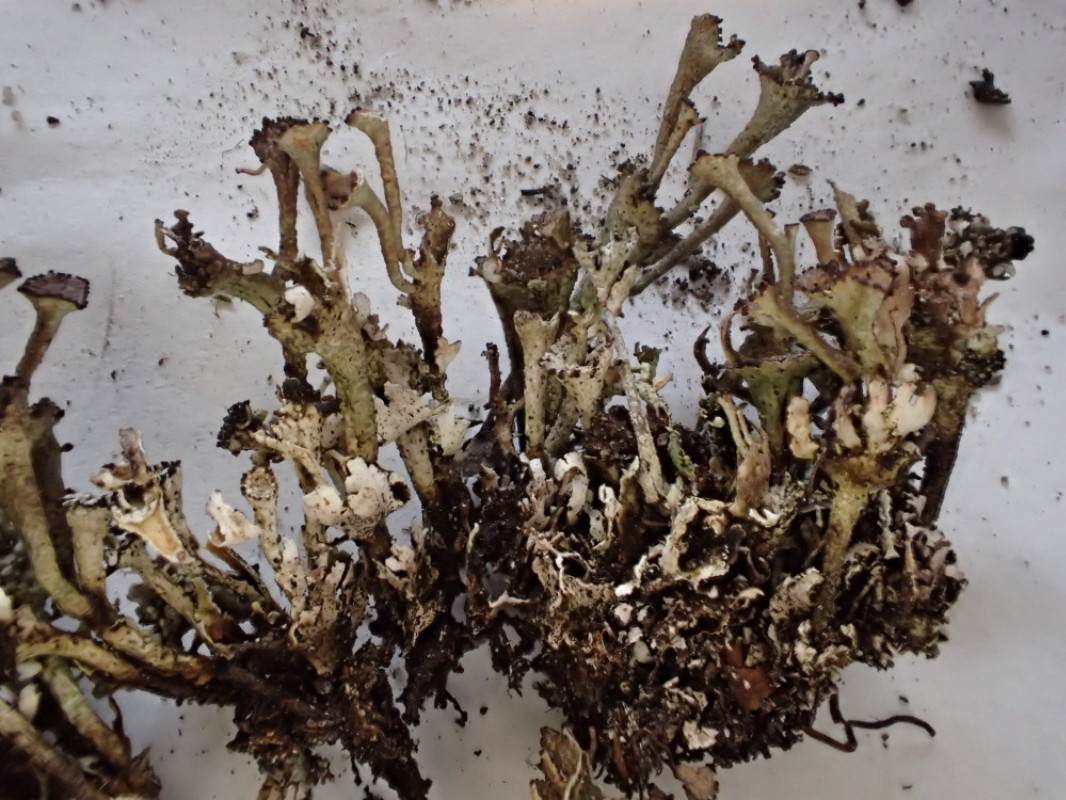
Cladonia cervicornis
species of fungus
Chrysothrix chlorina
species of fungus
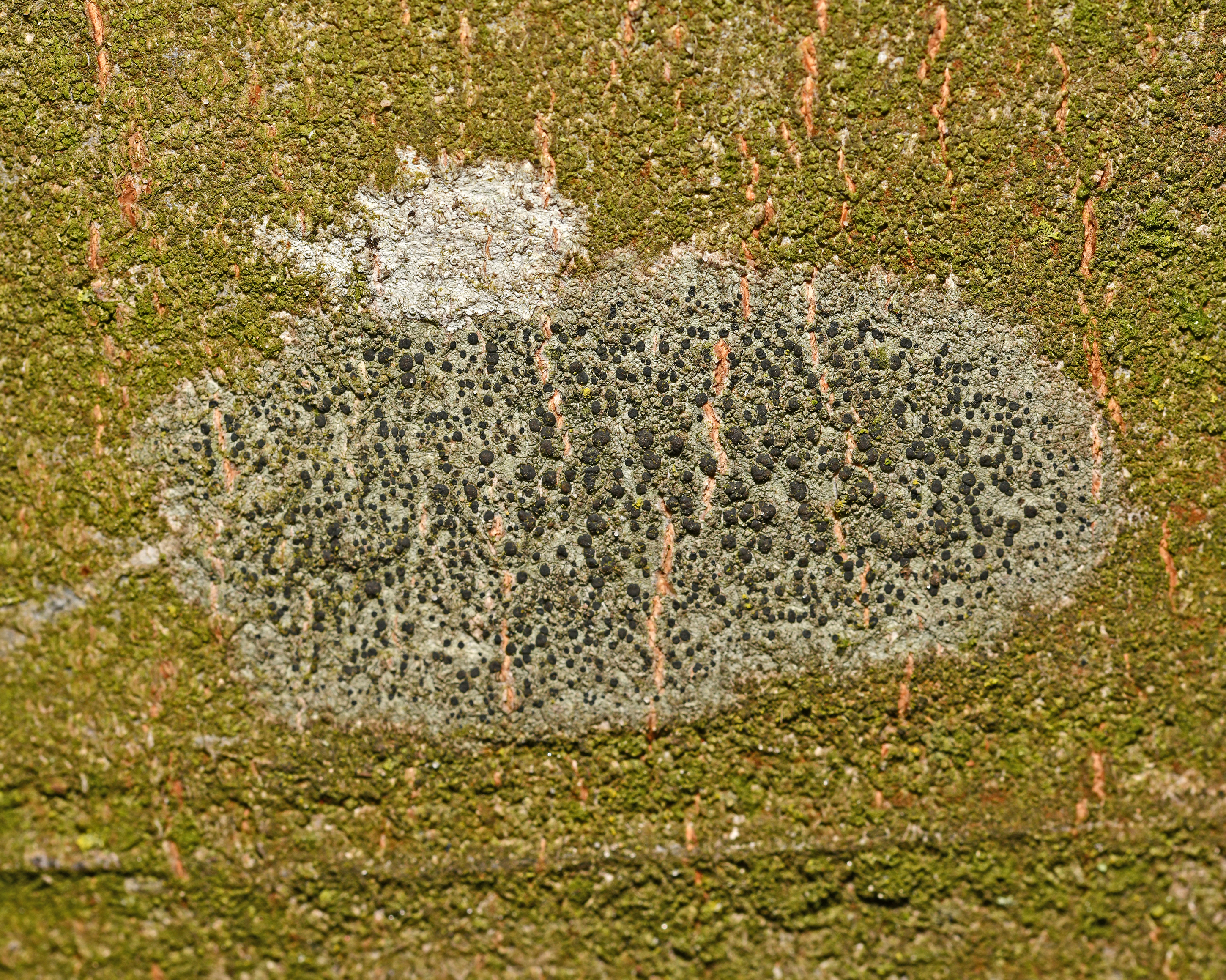
Lecidella elaeochroma
species of fungus
Solorina spongiosa
species of fungus
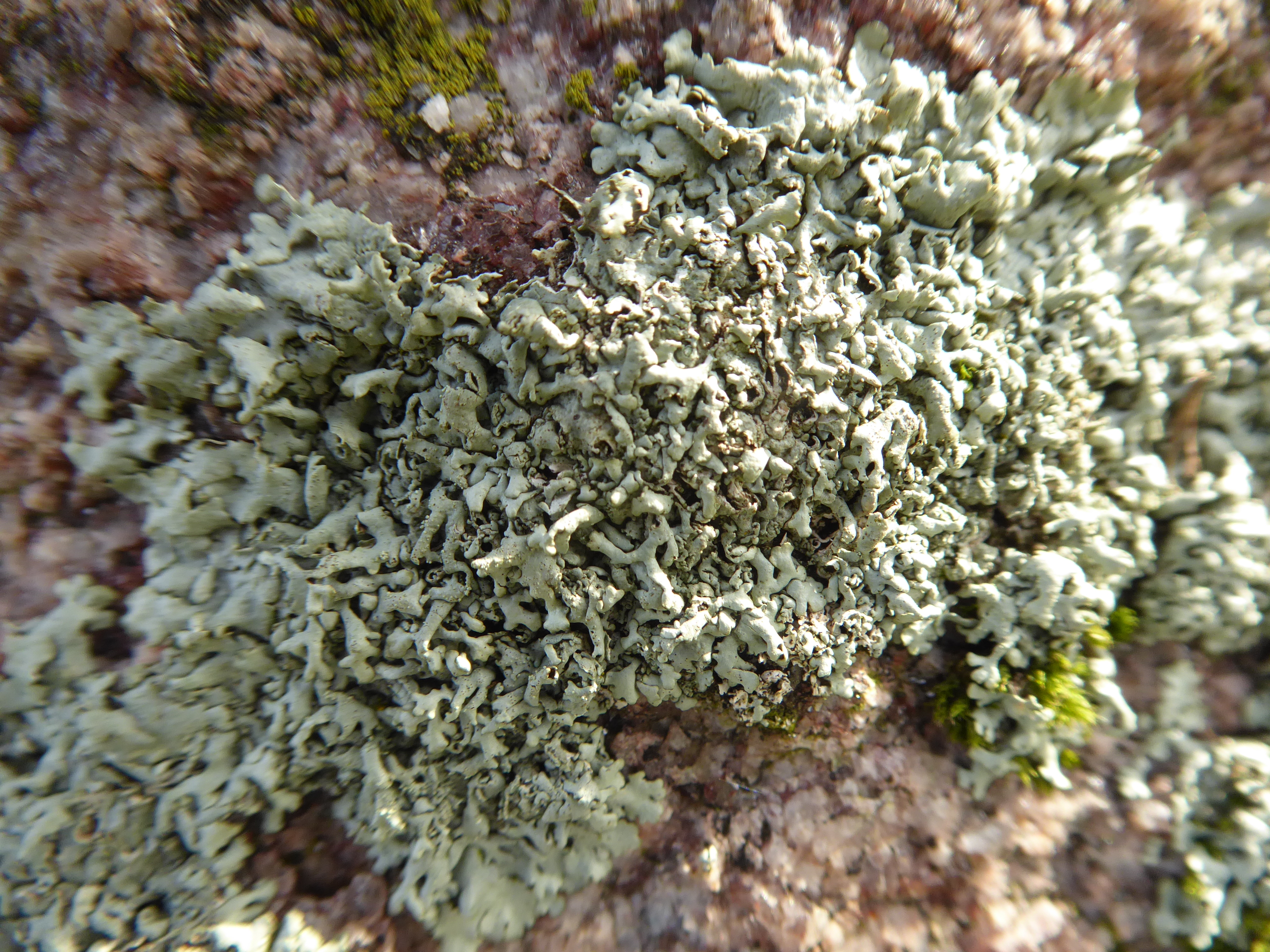
Xanthoparmelia conspersa
species of fungus
Lecanora argentata
species of fungus
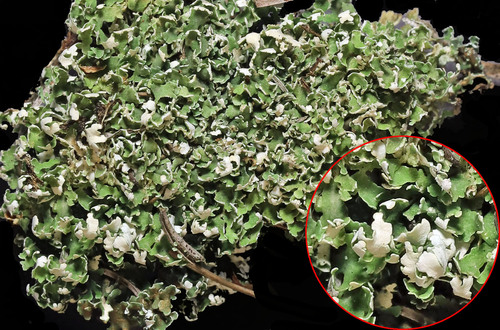
Cladonia strepsilis
species of fungus
Dolichousnea longissima
species of fungus
Chiodecton
Chiodecton is a genus of lichens in the family Roccellaceae. The genus was circumscribed by the lichenologist Erik Acharius in 1814, with Chiodecton sphaerale assigned as the type species.
Thelotrema
Thelotrema is a genus of lichen-forming fungi in the family Graphidaceae, the family to which all taxa in the former Thelotremataceae now belong.
Physciella chloantha
species of fungus
Roccella phycopsis
species of fungus
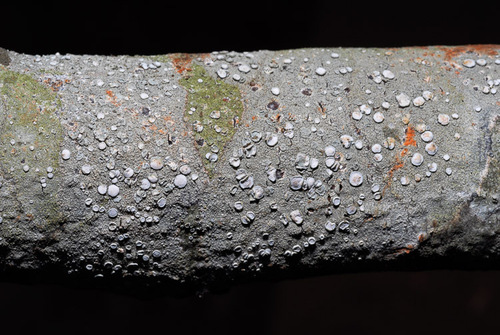
Lecanora caesiorubella
species of fungus
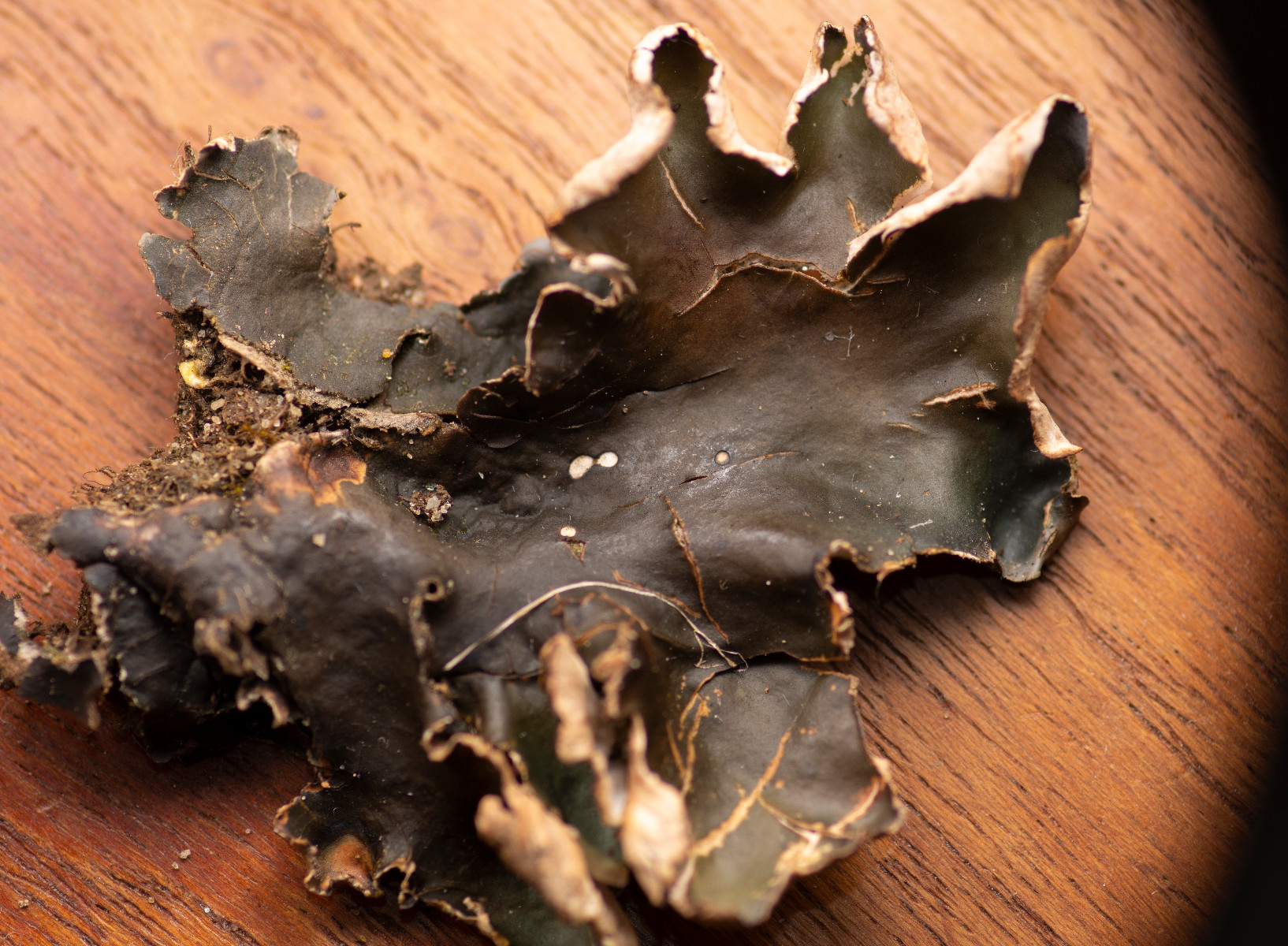
Peltigera malacea
species of fungus
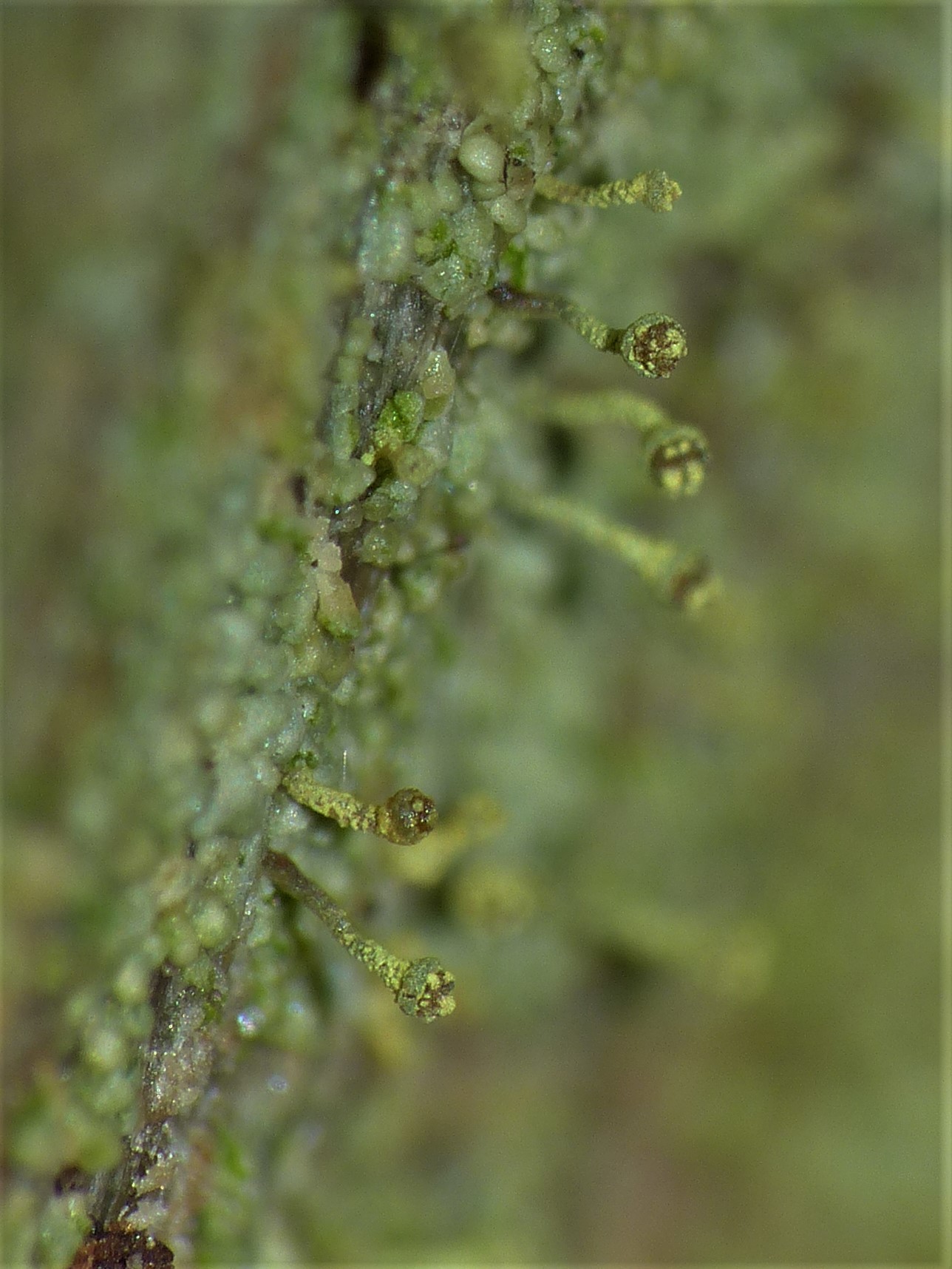
Chaenotheca chlorella
species of fungus
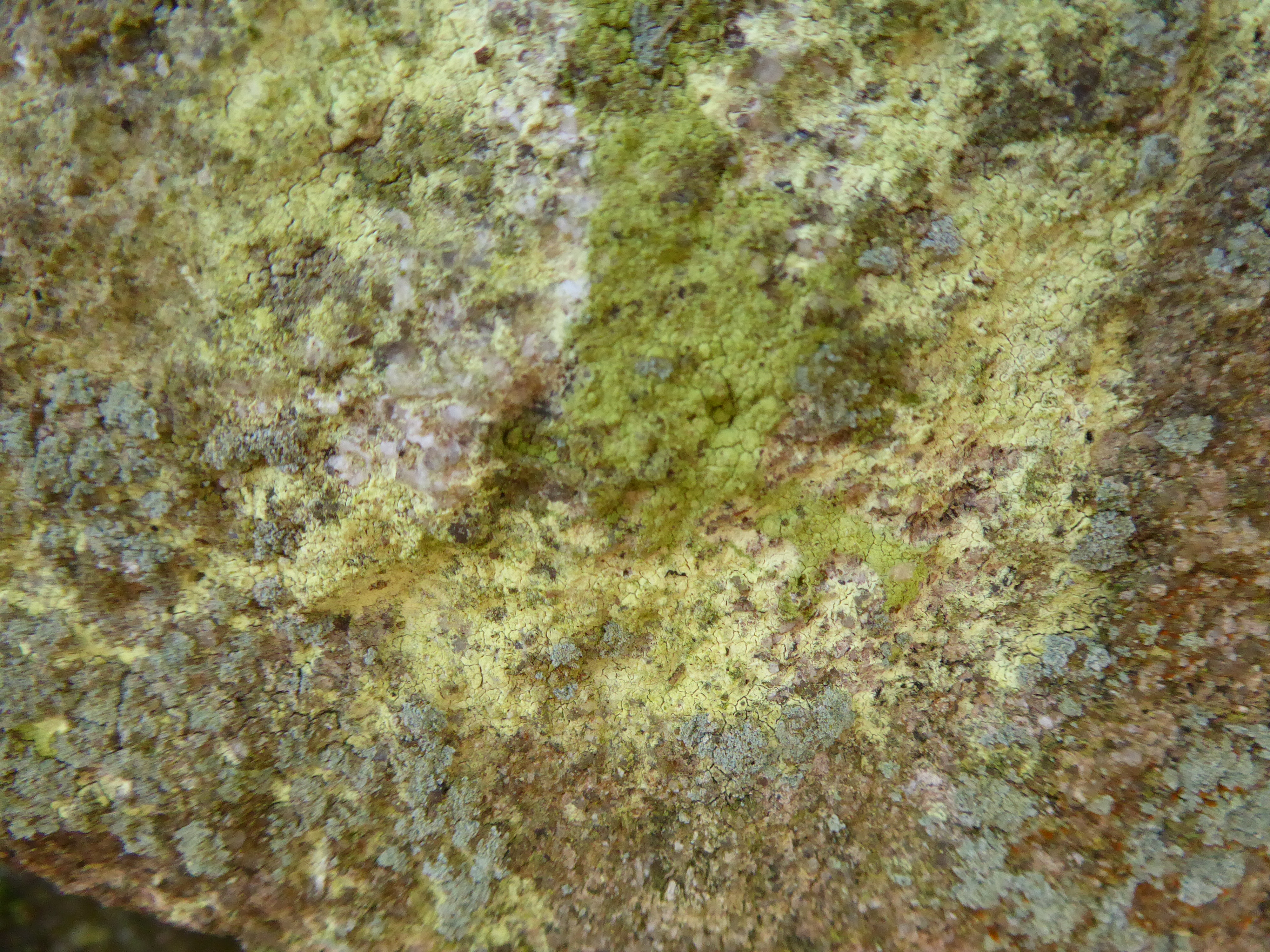
Psilolechia lucida
species of fungus
Nephroma helveticum
species of fungus
Hypogymnia vittata
species of fungus
Acarospora schleicheri
species of fungus
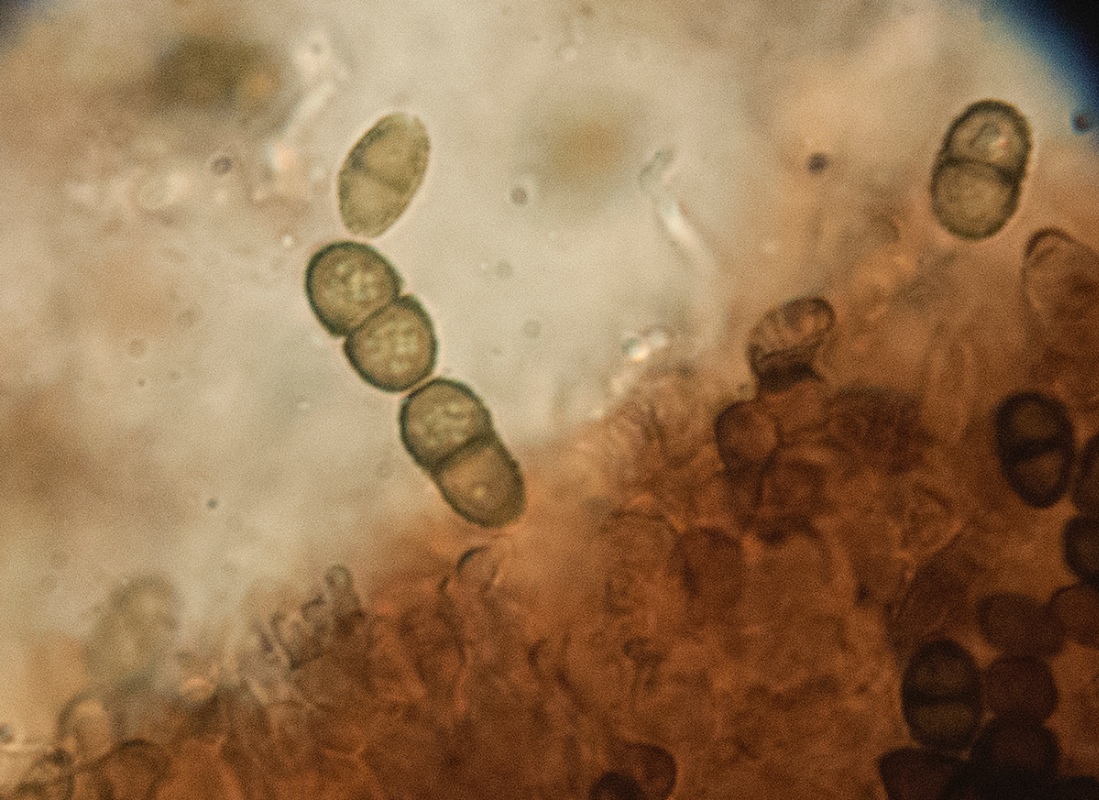
Calicium glaucellum
species of fungus
Lecanora cenisia
species of fungus
Ramalina thrausta
species of fungus
Umbilicaria crustulosa
species of fungus
Lecanora argopholis
species of fungus
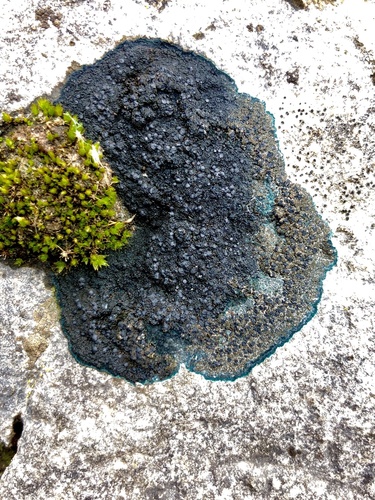
Placynthium
Placynthium is a genus of lichen-forming fungi in the family Placynthiaceae. Members of this genus are commonly called blackthread lichens.
Leptogium rivulare
species of fungus
Silobia rufescens
species of fungus
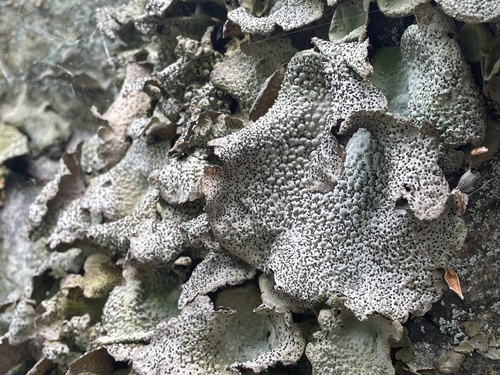
Lasallia papulosa
species of fungus
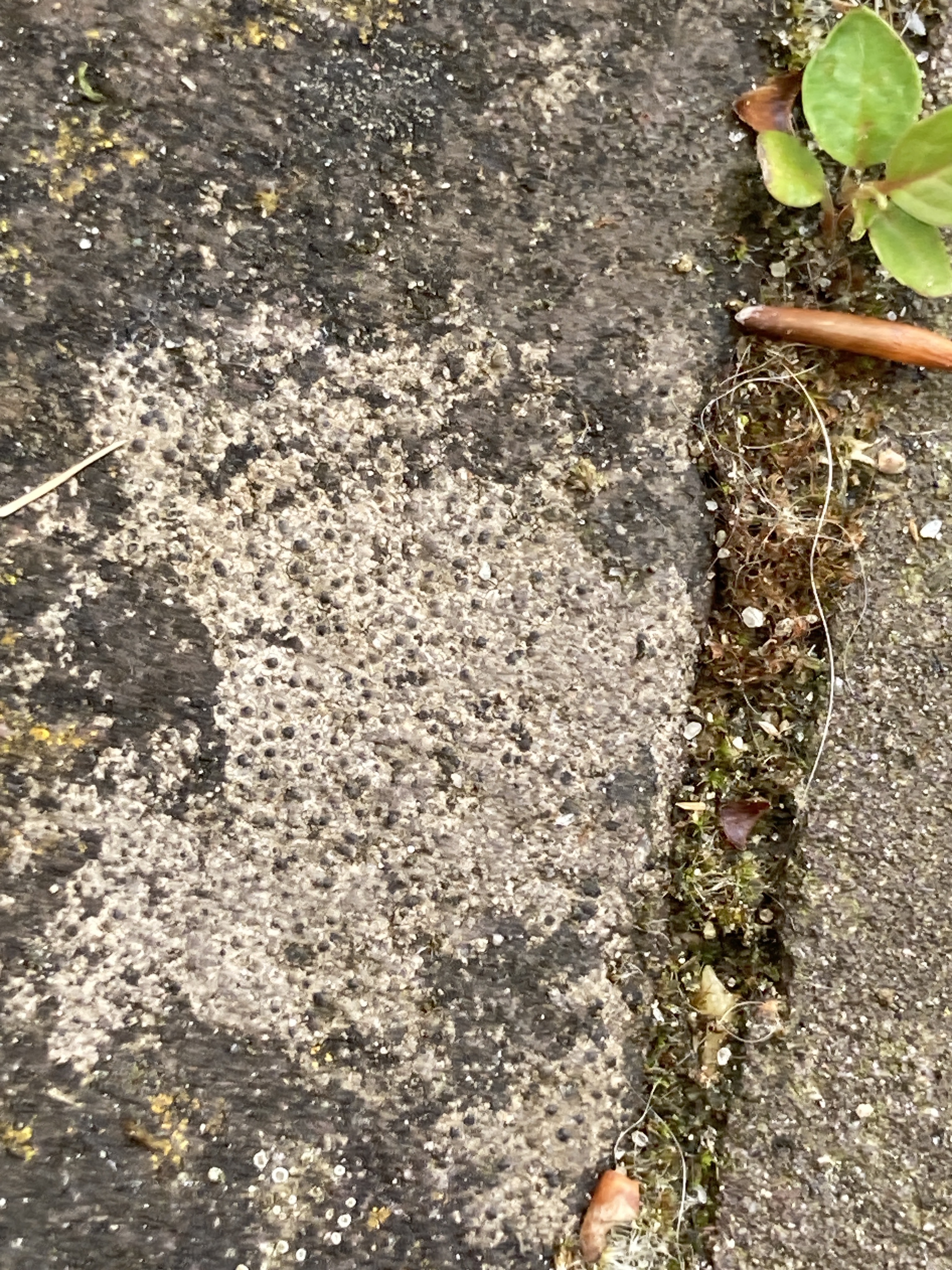
Verrucaria muralis
species of fungus

Chaenotheca brachypoda
species of fungus

Buellia aethalea
species of fungus

Cyphelium
Cyphelium is a genus of crustose areolate lichens with cup-like apothecia filled with sooty black spores. The genus is in the family Caliciaceae . The genus has a widespread distribution, especially in north and south temperate regions, and contains about 12 species. Members of the genus are commonly called soot lichens.

Thelotrema lepadinum
species of fungus
Leptogium cyanescens
species of fungus
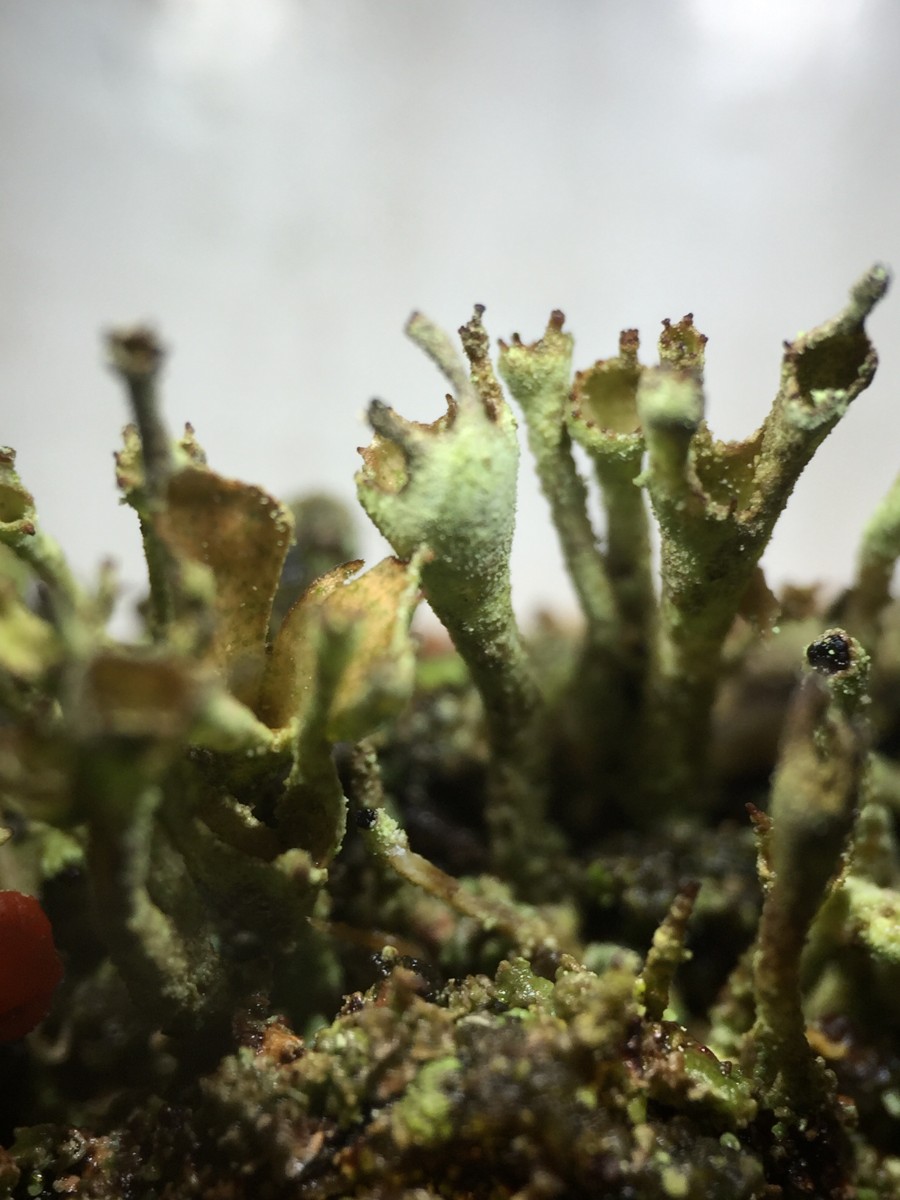
Cladonia cenotea
species of fungus
Glyphis cicatricosa
species of fungus
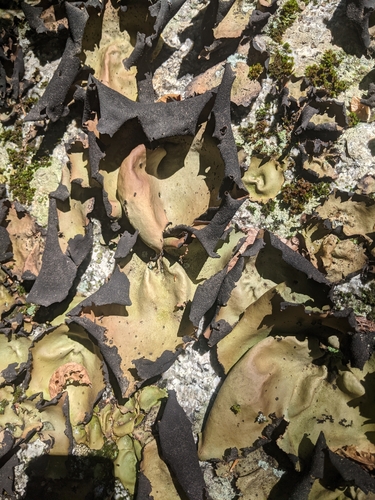
Umbilicaria mammulata
species of fungus
Pyxine sorediata
species of fungus