Category
page 1Taxa named by Friedrich Wilhelm Zopf
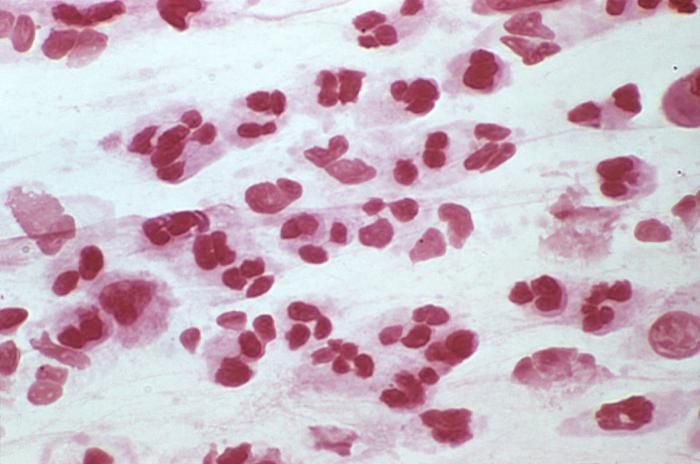
Neisseria gonorrhoeae
species of bacterium
Rhizoplaca
Rhizoplaca is a genus of lichenized fungi in the family Lecanoraceae. Members of the genus are commonly called rimmed navel lichens because of their umbilicate growth form and lecanorine (rimmed with thallus-like tissue)apothecia, also rock-posy lichen and rockbright.
Debaryomyces hansenii
species of fungus
Vampyrellidae
The family Vampyrellidae is a subgroup of the order Vampyrellida (or Aconchulinida) within the supergroup Rhizaria. Based on molecular sequence data, the family currently comprises the genus Vampyrella, and maybe several other vampyrellid amoebae (e.g. Gobiella). The cells are naked and characterised by radiating, filose pseudopodia (also referred to as filopodia) and an orange colouration of the main cell body.
Pseudevernia
Pseudevernia is a genus of foliose lichens in the family Parmeliaceae. The type species of the genus, Pseudevernia furfuracea (commonly known as tree moss), has substantial commercial value in the perfume industry.
Burkholderia gladioli
species of bacterium
Lichenosticta
Lichenosticta is a genus of fungi of uncertain familial placement in the order Lecanorales. It has five species. All species are lichenicolous, meaning they are parasitic on lichens.
Rhymbocarpus
Rhymbocarpus is a genus of lichenicolous (lichen-dwelling) fungi in the family Cordieritidaceae. It has 10 species. The genus was circumscribed by German mycologist Friedrich Wilhelm Zopf in 1896, with Rhymbocarpus punctiformis assigned as the type species.
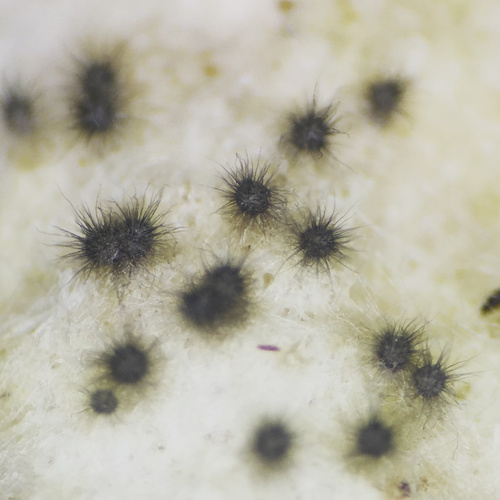
Chaetomidium
Chaetomidium is a genus of fungi within the Chaetomiaceae family. The genus name is synonymous with Aporothielavia (Malloch & Cain).
Sphaerellothecium
Sphaerellothecium is a genus of fungi in the family Phyllachoraceae. All of the species in the genus are lichenicolous, meaning they grow parasitically on lichens.
Thielavia
Thielavia is a genus of fungi in the family Chaetomiaceae. Circumscribed by German botanist Friedrich Wilhelm Zopf in 1876, Thielavia is a teleomorph of Myceliophthora. Collectively, the genus is widely distributed, and according to a 2008 estimate, contained 31 species. Thielavia heterothallica and T. terrestris can cause infections in humans.