Category
page 1Taxa named by John Edward Gray
.png)
Amphibia
thumb|250px|Many amphibians—like this Ceratophrys cranwelli—exhibit [[biofluorescence.]]
rhinoceros
A rhinoceros ( ; ; ; : rhinoceros or rhinoceroses), commonly abbreviated to rhino, is a member of any of the five extant species (or numerous extinct species) of odd-toed ungulates (perissodactyls) in the family Rhinocerotidae. It is the only living family in the superfamily Rhinocerotoidea (whose members are also sometimes called rhinoceroses). Two of the extant species are native to Africa, and three to South and Southeast Asia.

Hyaenidae
thumb|Aardwolf, smallest member of the hyena family, skeleton (Museum of Osteology)

kangaroo
thumb|upright=1|A male red kangaroo
thumb|upright=1|Red kangaroos, Liverpool Plains, Sydney, c. 1819

stork
Storks are large, long-legged, long-necked wading birds with long, stout bills. They belong to the family Ciconiidae, and make up the order Ciconiiformes . Ciconiiformes previously included a number of other families, such as herons and ibises, but those families have been moved to the order Pelecaniformes.

Hominidae
The Hominidae (; hominids ), whose members are known as the great apes, are a taxonomic family of primates that includes eight extant species in four genera: Pongo (the Bornean, Sumatran and Tapanuli orangutan); Gorilla (the eastern and western gorilla); Pan (the chimpanzee and the bonobo); and Homo, of which only modern humans (Homo sapiens) remain.
Bovidae
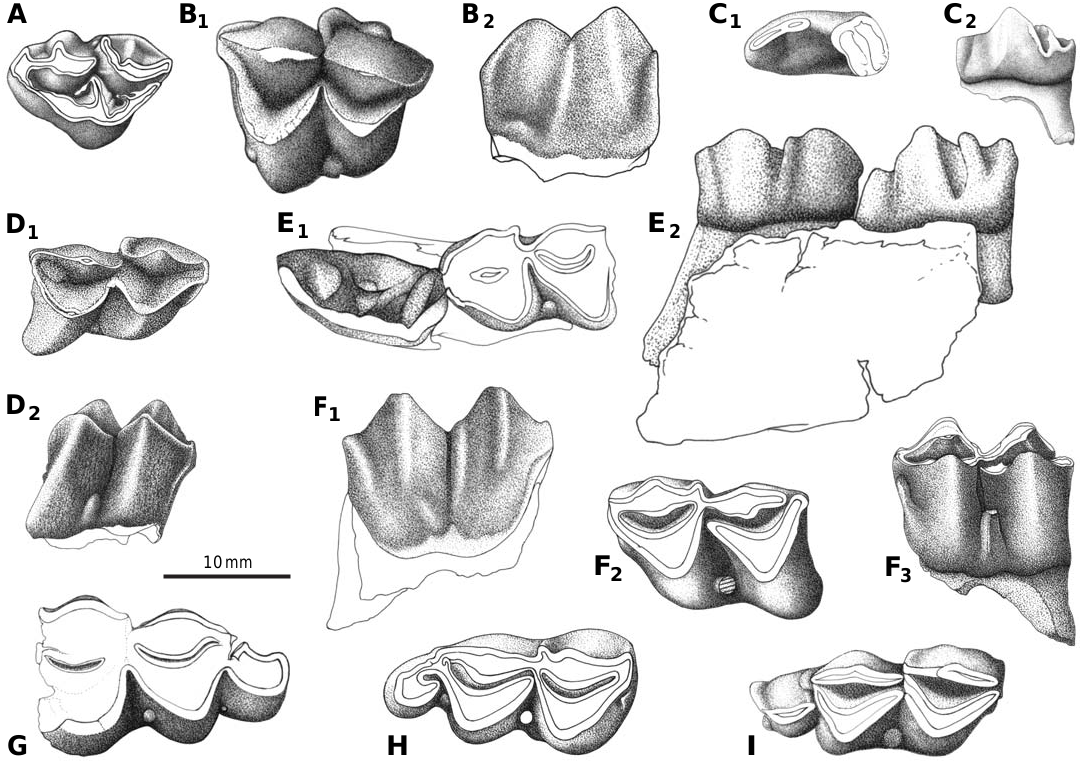
Bovidae is the biological family of cloven-hoofed, ruminant mammals that includes cattle, bison, buffalo, antelopes, and goat-antelopes such as sheep and goats. There are 143 extant species and 300 known extinct species of bovids, which are divided into either 11 major subfamilies, or two subfamilies with thirteen tribes. The earliest known bovid had evolved by 20 million years ago, in the early Miocene.
.jpg)
Hominoidea
Apes, collectively Hominoidea (; hominoids), are a superfamily of Old World simians native to sub-Saharan Africa and Southeast Asia. They were more widespread in Africa, Asia, and Europe in prehistory, and, including humans, are found globally. Apes are more closely related to Old World monkeys (family Cercopithecidae) than to the New World monkeys (Platyrrhini), with both Old World monkeys and apes placed in the clade Catarrhini. Apes do not have tails due to a mutation of the TBXT gene. In traditional and non-scientific use, the term ape can include tailless primates taxonomically considered

Phocidae
family of mammals

Equidae
Equidae (commonly known as the horse family) is the taxonomic family of horses and related animals, including asses, zebras, and many extinct species known only from fossils. The family evolved more than 50 million years ago, in the Eocene epoch, from a small, multi-toed ungulate into larger, single-toed animals. All extant species are in the genus Equus, which originated in North America. Equidae belongs to the order Perissodactyla, which includes the extant tapirs and rhinoceros, and several extinct families. It is more specifically grouped within the superfamily Equoidea, the only other fam
Elephantidae
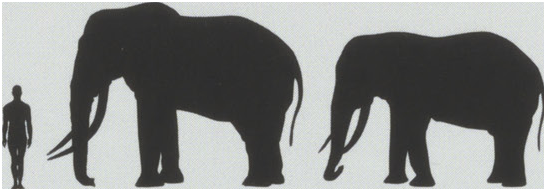
Elephantidae is a family of large, herbivorous proboscidean mammals which includes the living elephants (belonging to the genera Elephas and Loxodonta), as well as a number of extinct genera like Mammuthus (mammoths) and Palaeoloxodon. They are large terrestrial mammals with a snout modified into a trunk and teeth modified into tusks. Most genera and species in the family are extinct. Some extinct members are among the largest known terrestrial mammals ever.

Dasypodidae
Dasypodidae is a family of mostly extinct genera of armadillos. One genus, Dasypus, is extant, with eight living species.

Suidae
Suidae is a family of artiodactyl mammals which are commonly called pigs, hogs, or swine. In addition to numerous fossil species, 18 extant species are currently recognized (or 19 counting domestic pigs and wild boars separately), classified into between four and eight genera. Within this family, the genus Sus includes the domestic pig, Sus scrofa domesticus or Sus domesticus, and many species of wild pig from Europe to the Pacific. Other genera include babirusas and warthogs. All suids, or swine, are native to the Old World, ranging across Afro-Eurasia.

Didelphidae
Opossums () are members of the marsupial order Didelphimorphia () endemic to the Americas. The largest order of marsupials in the Western Hemisphere, it comprises 126 species in 18 genera. Opossums originated in South America and entered North America in the Great American Interchange following the connection of North and South America in the late Cenozoic.

Nyctereutes procyonoides
species of mammal
gecko
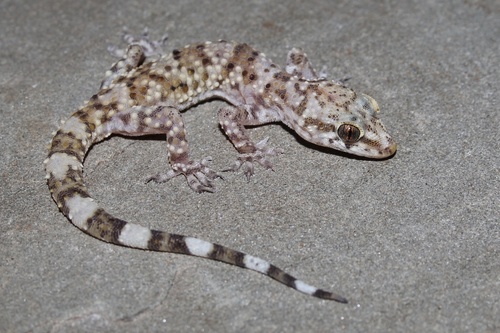
Gekkonidae (the common geckos) is the largest family of geckos, containing over 950 described species in 62 genera. The Gekkonidae contain many of the most widespread gecko species, including house geckos (Hemidactylus), the tokay gecko (Gekko), day geckos (Phelsuma), the mourning gecko (Lepidodactylus), and dtellas (Gehyra). Gekkonid geckos occur globally and are particularly diverse in tropical areas. Many species of these geckos exhibit an adhering ability to surfaces through Van der Waals forces utilizing intermolecular forces between molecules of their setae (foot hair) and molecules of t
Delphinidae
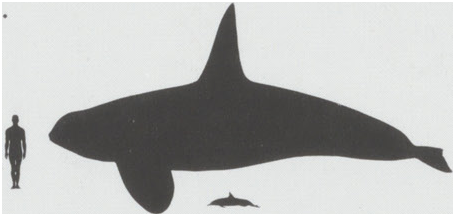
family of marine mammals
Bufonidae
family of amphibians in the frog order (Anura)
%20(white%20background).jpg)
Procyonidae
Procyonidae ( ) is a New World family of the order Carnivora. It includes the raccoons, ringtails, cacomistles, coatis, kinkajous, olingos, and olinguitos. Procyonids inhabit a wide range of environments and are generally omnivorous.
Camelidae
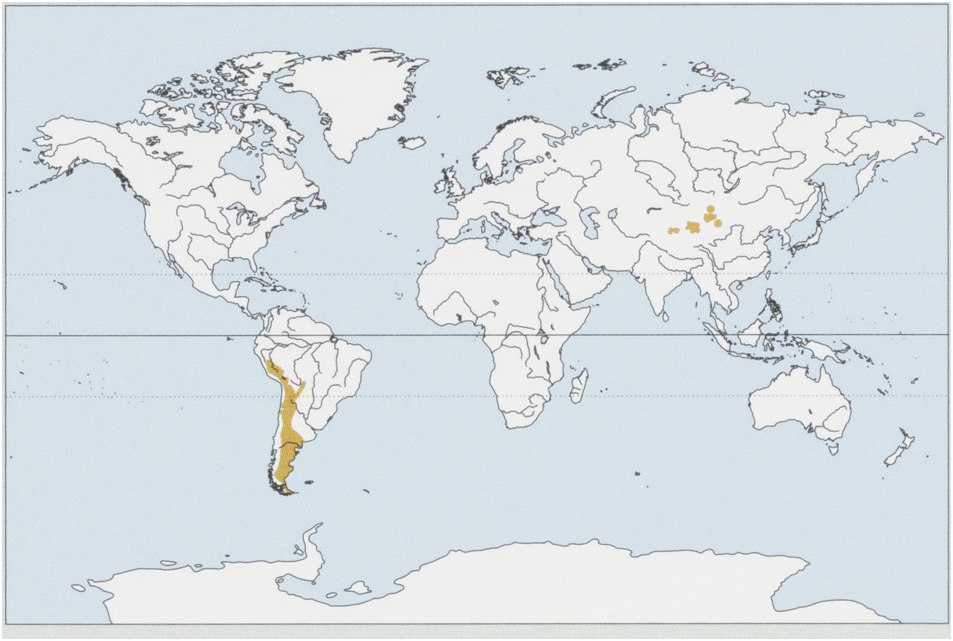
Camelidae is a family of mammals belonging to the ungulate order Artiodactyla (even-toed ungulates) and the only living family in the suborder Tylopoda. The seven extant species of camelid are divided into two tribes, Camelini, including dromedary camels, Bactrian camels and wild Bactrian camels, and Lamini, including llamas, alpacas, vicuñas, and guanacos.

porpoise
Porpoises () are small dolphin-like cetaceans classified under the family Phocoenidae. Although similar in appearance to dolphins, they are more closely related to narwhals and belugas. There are eight extant species of porpoise, all among the smallest of the toothed whales. Porpoises are distinguished from dolphins by their flattened, spade-shaped teeth distinct from the conical teeth of dolphins, and lack of a pronounced beak, although some dolphins (e.g. Hector's dolphin) also lack a pronounced beak. Porpoises, and other cetaceans, belong to the clade Cetartiodactyla with even-toed ungulate
Viverridae
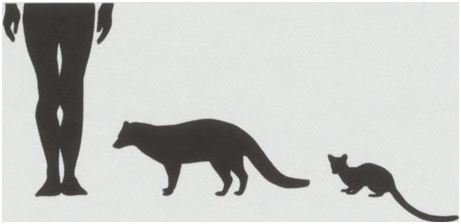
Viverridae is a family of small to medium-sized feliform mammals, comprising 14 genera with 33 species. This family was named and first described by John Edward Gray in 1821. Viverrids occur all over Africa, in southern Europe, and in South and Southeast Asia on both sides of the Wallace Line.
elephant seal
genus of mammals

Boidae
The Boidae, commonly known as boas or boids, are a family of nonvenomous snakes primarily found in the Americas, as well as Africa, Europe, Asia, and some Pacific islands. Boas include some of the world's largest snakes, with the green anaconda of South America being the heaviest and second-longest snake known; in general, adults are medium to large in size, with females usually larger than the males. Six subfamilies comprising 14-15 genera and 54-67 species are currently recognized.

Otariidae
family of mammals
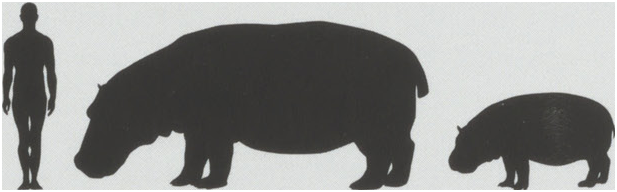
Hippopotamidae
Hippopotamidae is a family of stout, naked-skinned, and semiaquatic artiodactyl mammals, possessing three-chambered stomachs and walking on four toes on each foot. While they resemble pigs physiologically, their closest living relatives are the cetaceans. They are formally referred to as hippopotamids.
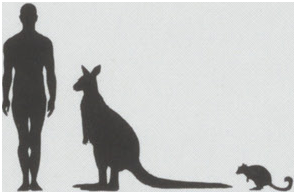
Macropodidae
Macropodidae is a family of marsupials that includes kangaroos, wallabies, tree-kangaroos, wallaroos, pademelons, the quokka, and several other groups. These genera are allied to the suborder Macropodiformes, containing other macropods, and are native to the Australian continent (the mainland and Tasmania), New Guinea and nearby islands. there are 63 recognised living species in this family.

Betulaceae
thumb|Catkins of the hazel (Corylus avellana)

Saker Falcon
species of bird

Bovinae
Bovines (subfamily Bovinae) comprise a diverse group of 10 genera of medium to large-sized ungulates, including cattle, bison, African buffalo, water buffalos, and the four-horned and spiral-horned antelopes. The members of this group of bovids are classified into loose tribes rather than formal subgroups, as the evolutionary relationships within the groups are still uncertain. General characteristics include cloven hooves and usually at least one of the sexes of a species having true horns. The largest extant bovine is the gaur.

tuatara
The tuatara (, ; Sphenodon punctatus) is a species of reptile endemic to New Zealand. Despite its close resemblance to lizards, it is the only extant member of a distinct lineage, the previously highly diverse order Rhynchocephalia. The name is derived from the Māori language and means "peaks on the back".

Caprinae
The subfamily Caprinae, also sometimes referred to as the tribe Caprini, is part of the ruminant family Bovidae, and consists of mostly medium-sized bovids. A member of this subfamily is called a caprine.
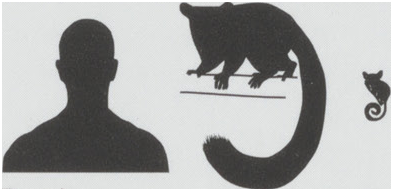
Galagidae
right|226px|thumb|Mohol bushbaby (Galago moholi)

Pteropodidae
Megabats constitute the family Pteropodidae of the order Chiroptera. They are also called fruit bats, Old World fruit bats, or—especially the genera Acerodon and Pteropus—flying foxes. They are the only member of the superfamily Pteropodoidea, which is one of two superfamilies in the suborder Yinpterochiroptera. Internal divisions of Pteropodidae have varied since subfamilies were first proposed in 1917. From three subfamilies in the 1917 classification, six are now recognized, along with various tribes. As of 2018, 197 species of megabat had been described.
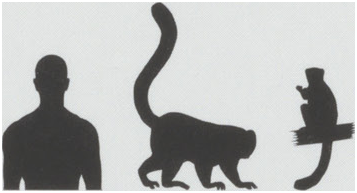
Lemuridae
Lemuridae is a family of strepsirrhine primates native to Madagascar and the Comoros. They are represented by the Lemuriformes in Madagascar with one of the highest concentration of the lemurs. One of five families commonly known as lemurs, these animals were once thought to be the evolutionary predecessors of monkeys and apes, but this is no longer considered correct. They are formally referred to as lemurids.

Giraffidae
The Giraffidae are a family of ruminant artiodactyl mammals that share a recent common ancestor with deer and bovids. This family, once a diverse group spread throughout Eurasia and Africa, presently comprises only two extant genera, the giraffe (between one and eight, usually four, species of Giraffa, depending on taxonomic interpretation) and the okapi (the only known species of Okapia). Both are confined to sub-Saharan Africa: the giraffe to the open savannas, and the okapi to the dense rainforest of the Congo. The two genera look very different on first sight, but share a number of common
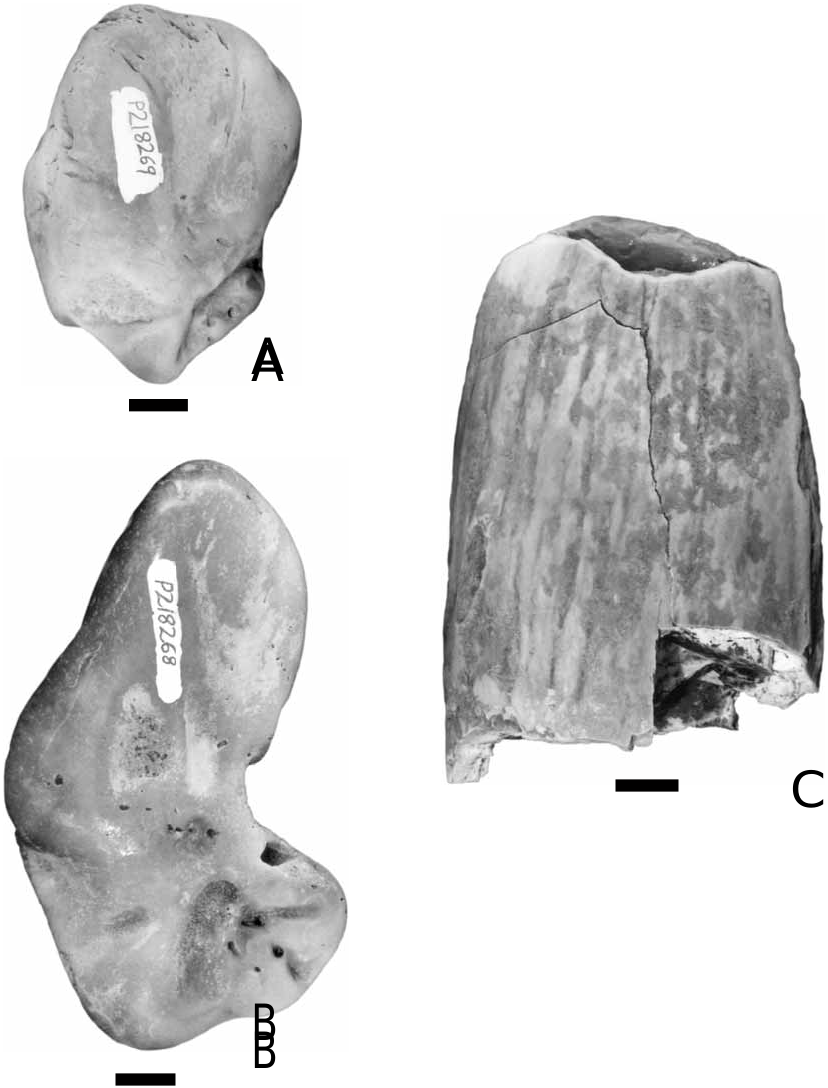
Balaenopteridae
Rorquals () are the largest group of baleen whales, comprising the family Balaenopteridae, which contains nine extant species in two genera. They include the largest animal ever known to have lived, the blue whale, which can reach , and the fin whale, which reaches ; even the smallest of the group, the northern minke whale, reaches .

Agamidae
Agamidae is a family containing 582 species in 64 genera of iguanian lizards indigenous to Africa, Asia, Australia, and a few locations in Southern Europe. Many species are commonly called dragons or dragon lizards.

Anguidae
Anguidae refers to a large and diverse family of lizards native to the Northern Hemisphere. It contains 9 genera and 89 extant species. Common characteristics of this group include a reduced supratemporal arch, striations on the medial faces of tooth crowns, osteoderms, and a lateral fold in the skin of most taxa. The group is divided into two living subfamilies, the legless Anguinae, which contains slow worms and glass lizards, among others, found across the Northern Hemisphere, and Gerrhonotinae, which contains the alligator lizards, native to North and Central America. The family Diplogloss
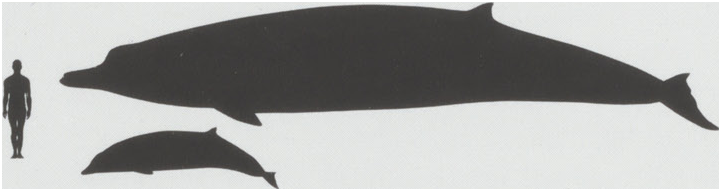
Ziphiidae
family of mammals

Chukar Partridge
species of bird

Pardofelis badia
species of mammal
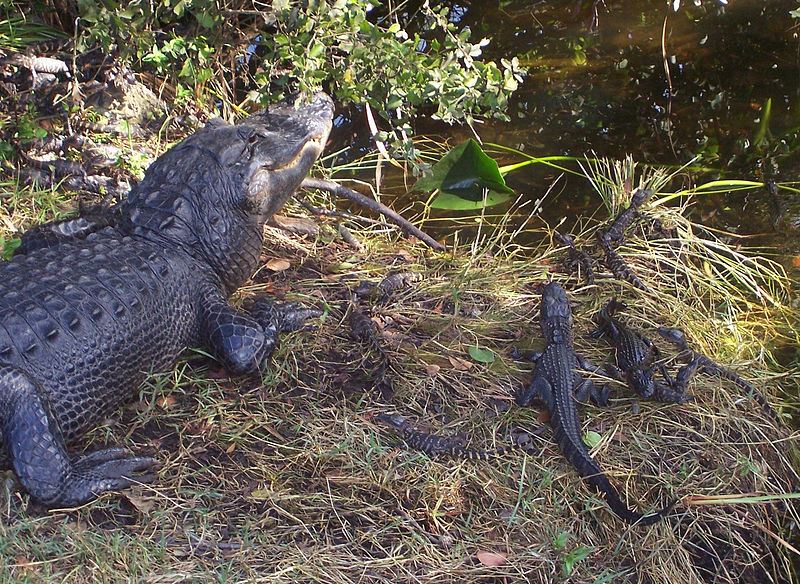
alligators and caimans
The family Alligatoridae of crocodilians includes alligators, caimans and their extinct relatives.

Vespertilionidae
thumb|Parti-coloured batVespertilio murinus, Slovakia
Vespertilionidae is a family of microbats, of the order Chiroptera, flying, insect-eating mammals variously described as the common, vesper, or simple nosed bats. The vespertilionid family is the most diverse and widely distributed of bat families, specialised in many forms to occupy a range of habitats and ecological circumstances, and it is frequently observed or the subject of research. The facial features of the species are often simple, as they mainly rely on vocally emitted echolocation. The tails of the species are enclosed by the lo
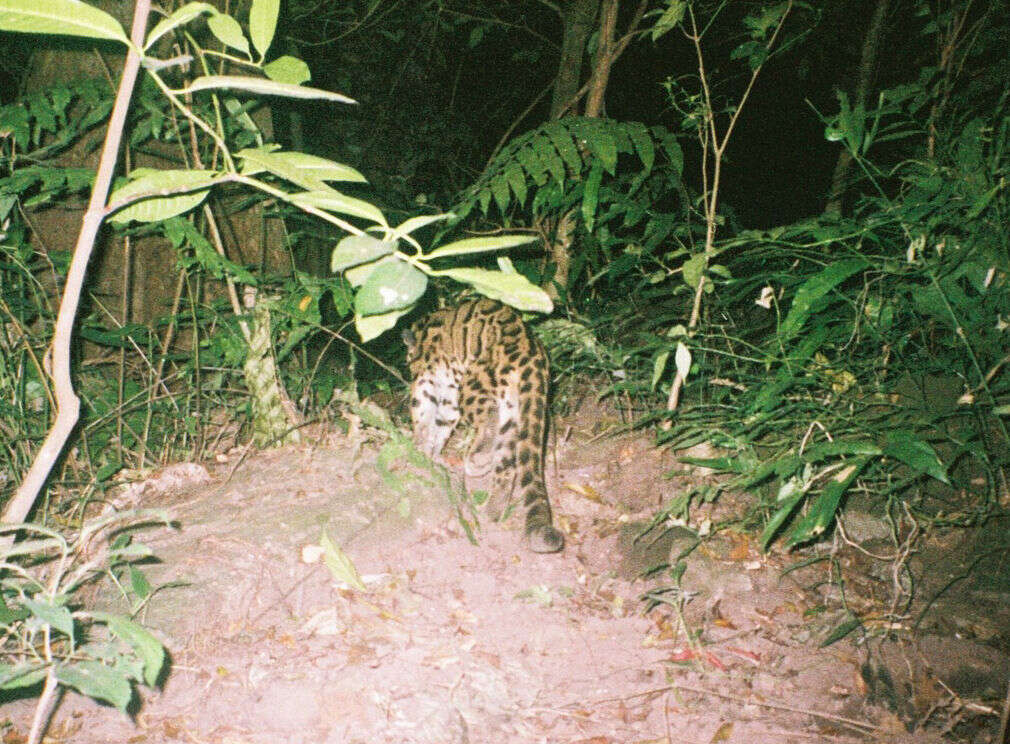
Neofelis
Neofelis is a genus comprising two extant species of cat in Southeast Asia: the clouded leopard (Neofelis nebulosa) of mainland Asia, and the Sunda clouded leopard (Neofelis diardi) of Sumatra and Borneo.
Balaenidae
Balaenidae () is a family of whales of the parvorder Mysticeti (baleen whales) that contains mostly fossil taxa and two living genera: the right whale (genus Eubalaena), and the closely related bowhead whale (genus Balaena).

Gerbillinae
Gerbillinae is one of the subfamilies of the rodent family Muridae and includes the gerbils, jirds, and sand rats. Once known as desert rats, the subfamily includes about 110 species of African, Indian, and Asian rodents, including sand rats and jirds, all of which are adapted to arid habitats. Most are primarily active during the day, making them diurnal (but some species, including the common household pet, exhibit crepuscular behavior), and almost all are omnivorous.

Lemuriformes
Lemuriformes is the sole extant infraorder of primate that falls under the suborder Strepsirrhini. It includes the lemurs of Madagascar, as well as the galagos and lorisids of Africa and Asia, although a popular alternative taxonomy places the lorisoids in their own infraorder, Lorisiformes.
-8.jpg)
Leopardus
Leopardus is a genus comprising eight species of small cats native to the Americas. This genus is considered the oldest branch of a genetic lineage of small cats in the Americas whose common ancestor crossed the Bering land bridge from Asia to North America in the late Miocene.

Homininae
The Homininae (; hominines) is a subfamily of the family Hominidae (hominids). The Homininae encompass humans, and are also called "African hominids" or "African apes". This subfamily includes two tribes, Hominini and Gorillini, both having extant (or living) species as well as extinct species.
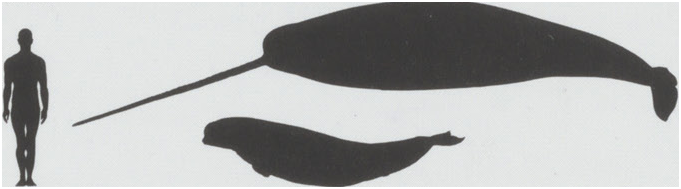
Monodontidae
The cetacean family Monodontidae comprises two living whale species, the narwhal and the beluga whale and at least four extinct species, known from the fossil record. Beluga and narwhal are native to coastal regions and pack ice around the Arctic Ocean. Both species are relatively small whales, in length, with a forehead melon, and a short or absent snout. Premaxillary teeth are absent. They do not have a true dorsal fin, but do have a narrow ridge running along the back, which is much more pronounced in the narwhal. They are highly vocal animals, communicating with a wide range of sounds. Lik
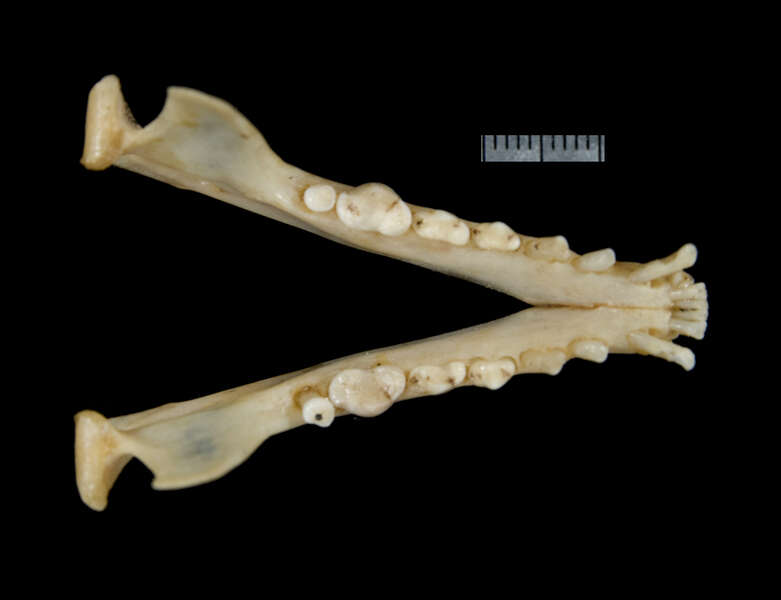
African palm civet
species of mammal
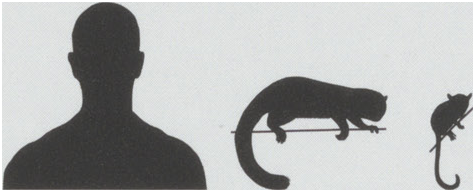
Cheirogaleidae
The Cheirogaleidae are the family of strepsirrhine primates containing the various dwarf and mouse lemurs. Like all other lemurs, cheirogaleids live exclusively on the island of Madagascar.
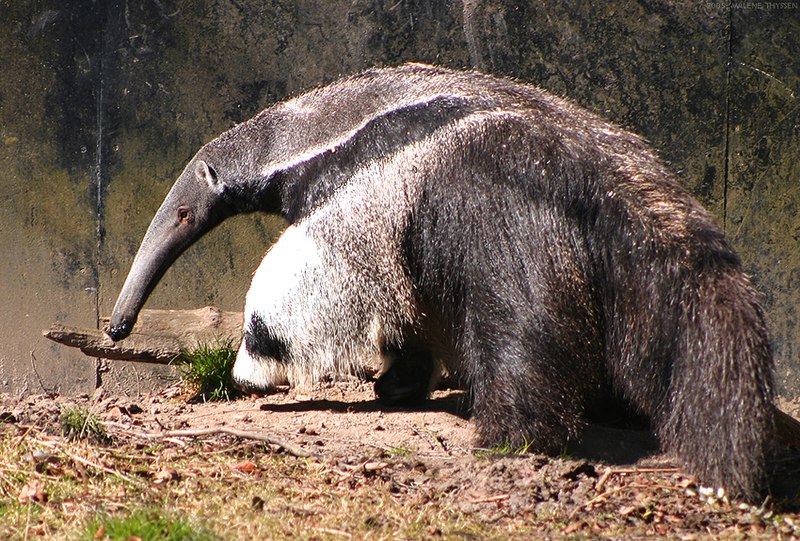
Myrmecophagidae
The Myrmecophagidae are a family of anteaters. Two genera and three species are in the family, consisting of the giant anteater, and the tamanduas. The fossil Eurotamandua from the Messel Pit in Germany may be an early anteater, but its status is currently debated. The name is derived from the Ancient Greek words (), meaning "ant", and (''''), meaning "eater".

lechwe
The lechwe, red lechwe, or southern lechwe (Kobus leche) is an antelope found in wetlands of south-central Africa.

tenrecs
thumb |A taxidermy|taxidermy mount of a tenrec in defensive posture, [[Horniman Museum and Gardens, London]]
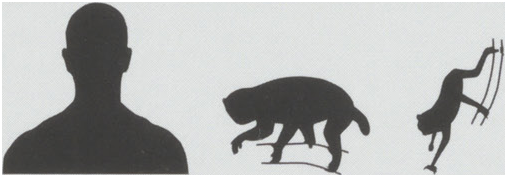
Lorisidae
Lorisidae (or sometimes Loridae) is a family of strepsirrhine primates. The lorisids are all slim arboreal animals and comprise the lorises, pottos, and angwantibos. Lorisids live in tropical, central Africa as well as in south and southeast Asia.
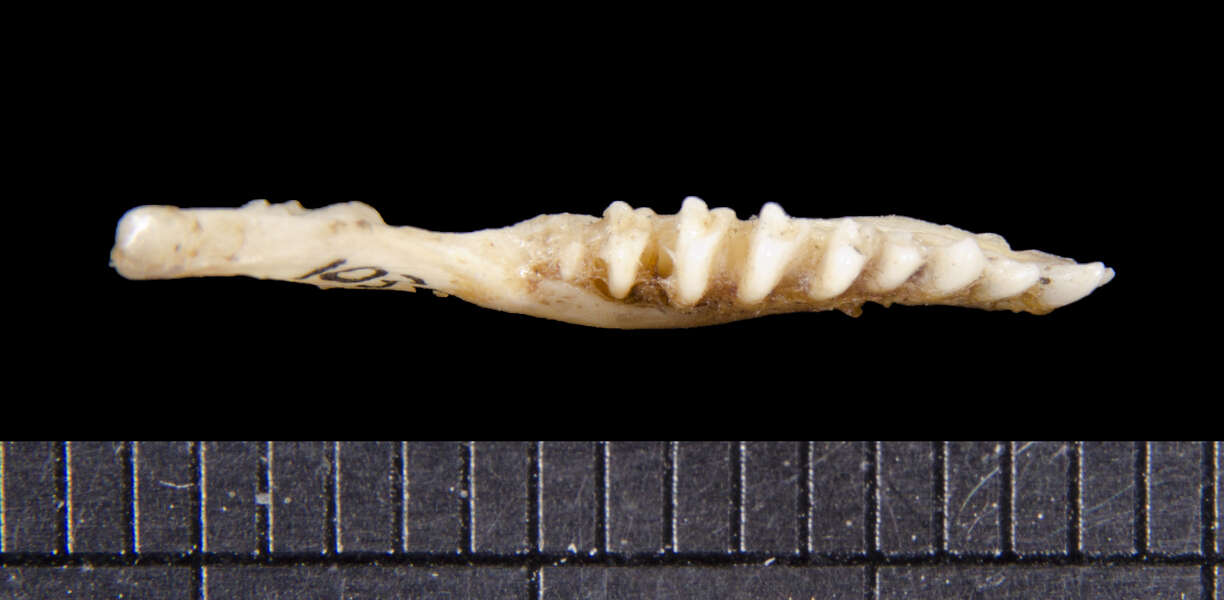
golden mole
family of mammals

Amphisbaenia
Amphisbaenia (called amphisbaenians or worm lizards) is a group of typically legless lizards, comprising over 200 extant species. Amphisbaenians are characterized by their long bodies, the reduction or loss of the limbs, and rudimentary eyes. As many species have a pink body and scales arranged in rings, they have a superficial resemblance to earthworms. While the genus Bipes retains forelimbs, all other genera are limbless. Phylogenetic studies suggest that they are nested within Lacertoidea, closely related to the lizard family Lacertidae. Amphisbaenians are widely distributed, occurring in

pygmy right whale
species of mammal