Category
page 1Taxa named by Lev Berg

Acipenseriformes
thumb|Fossil of the Chondrosteidae|chondrosteid Strongylosteus hindenburgi, Tübingen
thumb|Fossil of the Peipiaosteidae|peipiaosteid Yanosteus longidorsalis, [[MHNT]]
thumb|The living Polyodontidae|polyodontid Polyodon spathula (American paddlefish)
thumb|The living Acipenseridae|acipenserid Acipenser ruthenus (sterlet)
thumb|The living Acipenseridae|acipenserid [[Pseudoscaphirhynchus kaufmanni (false shovelnose sturgeon)]]
.png)
Lamniformes
The Lamniformes (, from Greek lamna "fish of prey") are an order of sharks commonly known as mackerel sharks (which may also refer specifically to the family Lamnidae). It includes some of the most familiar species of sharks, such as the great white and mako sharks as well as less familiar ones, such as the goblin shark and megamouth shark.
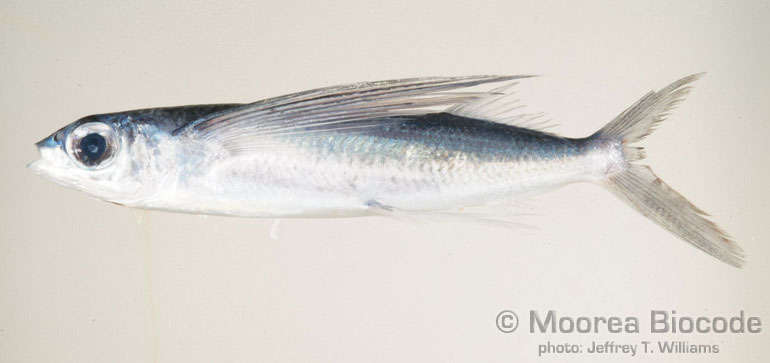
Beloniformes
Beloniformes is an order composed of six families (and about 264 species) of freshwater and marine ray-finned fish:
Adrianichthyidae (ricefish and medakas)
Belonidae (needlefish)
Exocoetidae (flyingfishes)
Hemiramphidae (halfbeaks)
Scomberesocidae (sauries)
Zenarchopteridae (viviparous halfbeaks)

Rajiformes
Rajiformes is one of the four orders in the clade Batomorphi, often referred to as the superorder Batoidea, flattened cartilaginous fishes related to sharks. Rajiforms are distinguished by the presence of greatly enlarged pectoral fins, which reach as far forward as the sides of the head, with a generally flattened body. The undulatory pectoral fin motion diagnostic to this taxon is known as rajiform locomotion. The eyes and spiracles are located on the upper surface of the head and the gill slits are on the underside of the body. Most species give birth to live young, although some lay eggs e
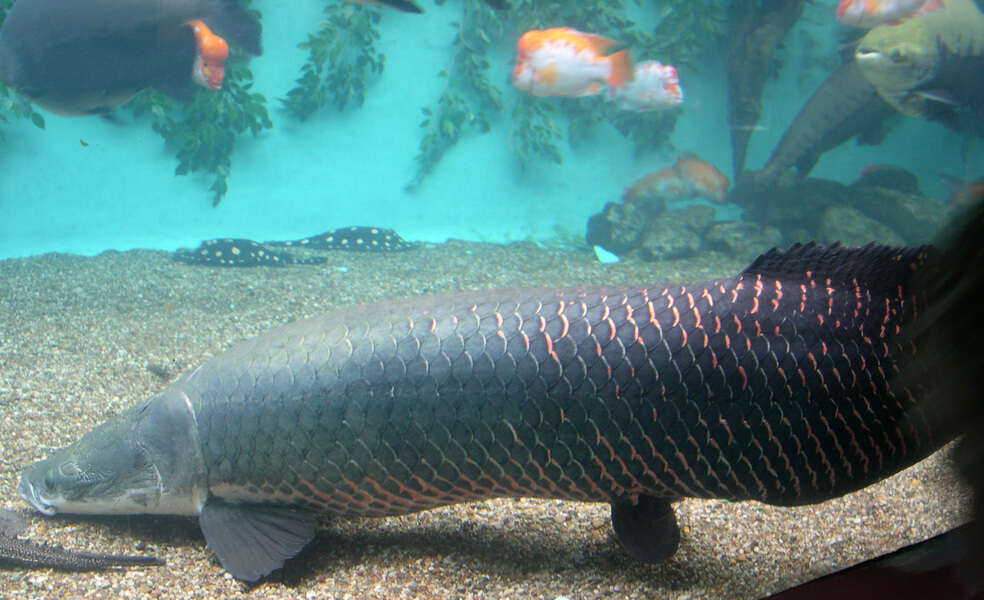
Osteoglossiformes
Osteoglossiformes , meaning "bony tongues" in Ancient Greek, is a relatively primitive order of ray-finned fish that contains two sub-orders, the Osteoglossoidei and the Notopteroidei. All of at least 245 living species inhabit freshwater. They are found in South America, Africa, Australia and southern Asia, having first evolved in Gondwana before that continent broke up. In 2008, several new species of marine osteoglossiforms were described from the Danish Eocene Fur Formation, dramatically increasing the diversity of this group. This implies that the Osteoglossomorpha is not a primary freshw

Synbranchiformes
Synbranchiformes, often called swamp eels, though that name can also refer specifically to Synbranchidae, is an order of ray-finned fishes that are eel-like but have spiny rays, indicating that they belong to the superorder Acanthopterygii.

Notacanthiformes
The Notacanthiformes are an order of deep-sea ray-finned fishes, consisting of the families Halosauridae and Notacanthidae (spiny eels).
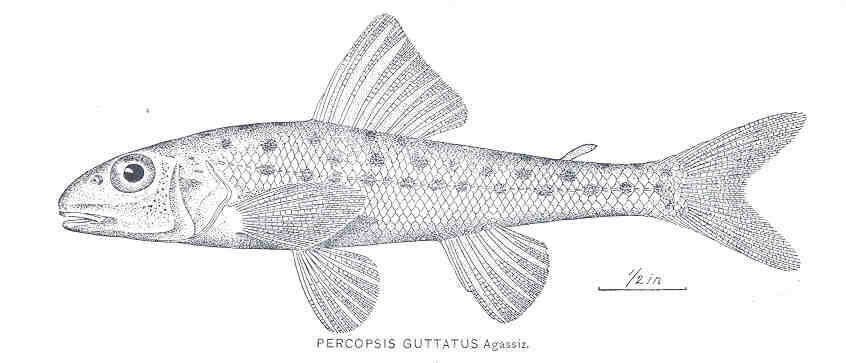
Percopsiformes
The Percopsiformes are a small order of freshwater teleost fishes measuring less than in length, comprising the trout-perch and its allies. It contains just ten extant species, grouped into seven genera and three families. Five of these genera are monotypic.

Ophidiiformes
Ophidiiformes is an order of ray-finned fish that includes the cusk-eels (family Ophidiidae), pearlfishes (family Carapidae), viviparous brotulas (family Bythitidae), and others. Members of this order have small heads and long slender bodies. They have either smooth scales or no scales, a long dorsal fin and an anal fin that typically runs into the caudal fin. They mostly come from the tropics and subtropics, and live in both freshwater and marine habitats, including abyssal depths. They have adopted a range of feeding methods and lifestyles, including parasitism. The majority are egg-laying,
.jpg)
Anabantoidei
The Anabantoidei are a suborder of anabantiform ray-finned freshwater fish distinguished by their possession of a lung-like labyrinth organ, which enables them to breathe air. The fish in the Anabantoidei suborder are known as anabantoids or labyrinth fish, or colloquially as gouramies (which more precisely refers to the family Osphronemidae). Some labyrinth fish are important food fish, and many others, such as the Siamese fighting fish and paradise fish, are popular as aquarium fish.
Lepidosireniformes
REDIRECT South American lungfish

Latimeriidae
left|thumb|Life restoration of Foreyia, an aberrant latimeriid from the Triassic of Europe
Latimeriidae is the only extant family of coelacanths, an ancient lineage of lobe-finned fish. It contains two extant species in the genus Latimeria, found in deep waters off the coasts of southern Africa and east-central Indonesia. In addition, several fossil genera are known from the Mesozoic of Europe, the Middle East, and the southeastern United States, dating back to the Triassic.

Alosa volgensis
species of shad
Coregonus maraenoides
Peipsi whitefish
Botiidae
Botiidae, the pointface loaches, is a family of cypriniform ray-finned fishes from South, Southeast, and East Asia. Until recently they were placed in the true loach family Cobitidae, until Maurice Kottelat revised the loaches and re-elevated this taxon to family rank in 2012. The family includes about 56 species.

Black Sea tadpole-goby
species of fish
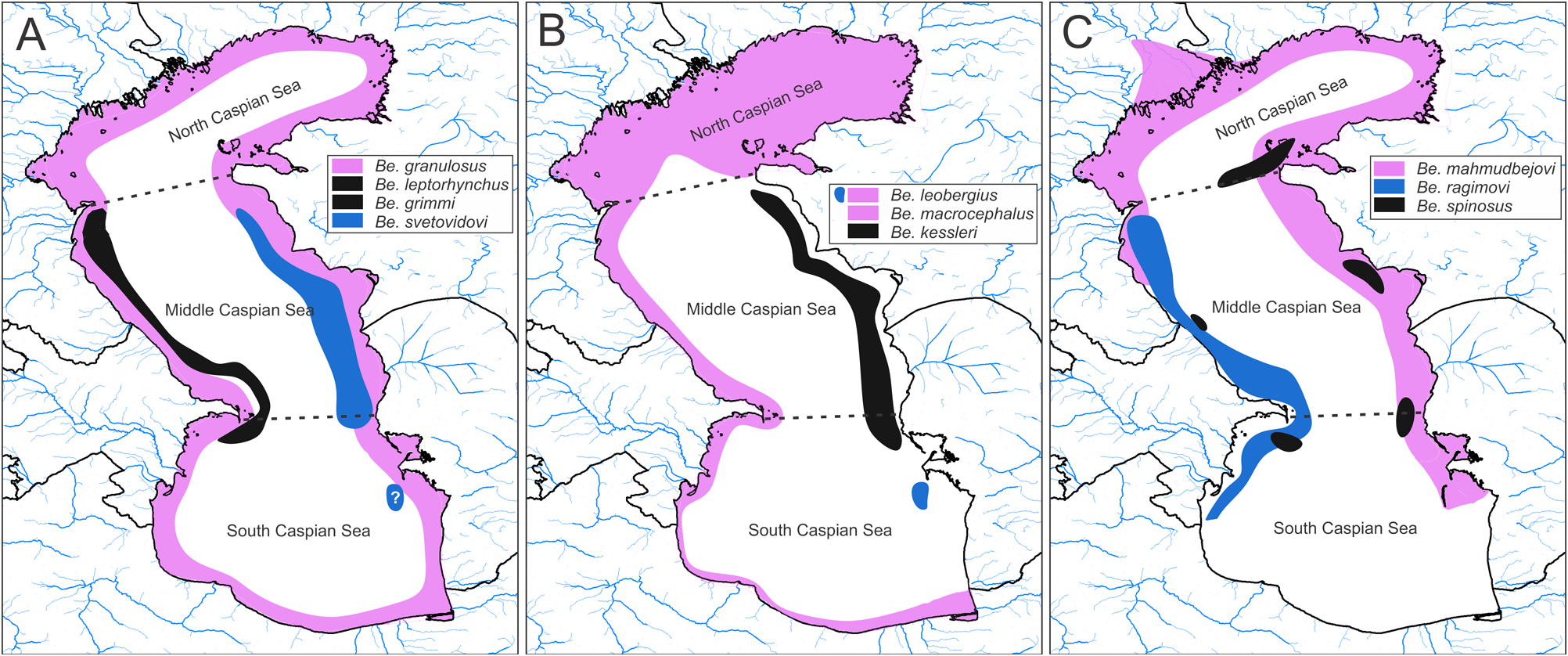
Benthophilus kessleri
species of tadpole goby

Salmo ezenami
species of fish
Ceratodontiformes
Ceratodontiformes is the only extant order of lungfish, containing the families Neoceratodontidae, Lepidosirenidae, and Protopteridae as well as many other extinct groups. Members of this group are the only lungfish known to have survived the Permian-Triassic extinction event. Although lungfish originated in marine environments, the Ceratodontiformes have been an exclusively freshwater group since the Carboniferous. This order was formerly considered the suborder Ceratodontoidei.
Pristiophoriformes
REDIRECT Sawshark

Gobio soldatovi
species of fish

Glyptothorax kurdistanicus
species of fish

Alosa sphaerocephala
species of shad
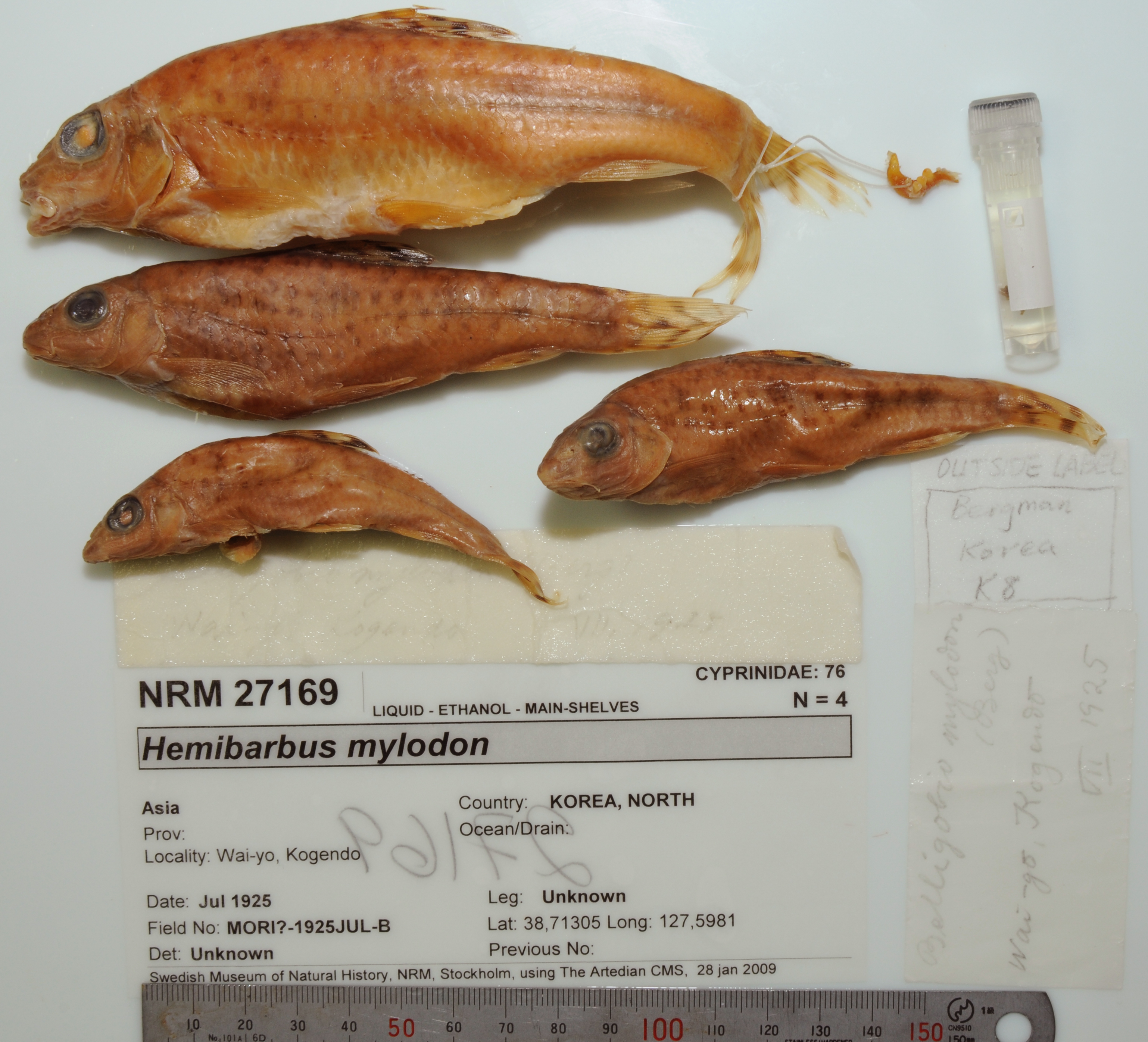
Hemibarbus mylodon
species of fish
Caspiomyzon
Caspiomyzon is a genus of lamprey in the family Petromyzontidae. They are native to Eastern Europe and parts of Western and Central Asia. Two of the three species in the genus are endemic to Greece.

Metaschistura cristata
species of fish
Romanogobio ciscaucasicus
species of fish

Ukrainian gudgeon
species of fish
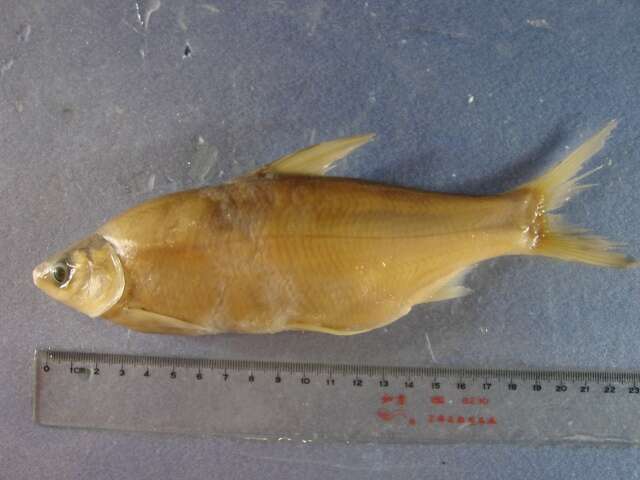
Plagiognathops microlepis
species of fish
Alburnoides rossicus
species of fish

Alburnus derjugini
species of fish
Kuban's nase
species of fish
Heterodontiformes
Heterodontiformes is an order of sharks in the superorder Galeomorphi. It includes the bullhead sharks (genus Heterodontus), and several extinct genera. The earliest known members of the group are from the Early Jurassic (Toarcian), around 175 million years ago. Several extinct genera are known from the Jurassic, with all except Paracestracion only known from isolated teeth. The teeth of heterodontiforms exhibit differentation, with the front teeth having well developed cusps to grasp prey, while the back teeth are flattened, and serve to crush hard shelled prey. They inhabit shallow littoral
Abyssocottus
Abyssocottus is a genus of ray-finned fishes belonging to the family Cottidae, the typical sculpins. These sculpins are endemic to Lake Baikal in Russia.
Acheilognathus signifer
species of fish

Glyptothorax armeniacus
species of fish

Alburnus atropatenae
species of fish

Garra persica
species of fish

Phoxinus grumi
species of fish
Cottinella boulengeri
species of fish
Phoxinus issykkulensis
species of fish
Gnathopogon notacanthus
species of fish
Phoxinus brachyurus
species of fish

Phoxinus colchicus
species of fish
Labiatophysa herzensteini
species of fish
Abyssocottus gibbosus
species of fish
Cottus czerskii
species of fish

Abyssocottus korotneffi
species of fish
Asprocottus
Asprocottus is a genus of ray-finned fish belonging to the family Cottidae, the typical sculpins. These fishes are endemic to endemic to Lake Baikal in Russia.
Cottus nasalis
species of fish
Herzenstein's rough sculpin
species of fish

Oxynoemacheilus cyri
species of fish