Category
page 1Taxa named by Marcelo Weksler
Hylaeamys
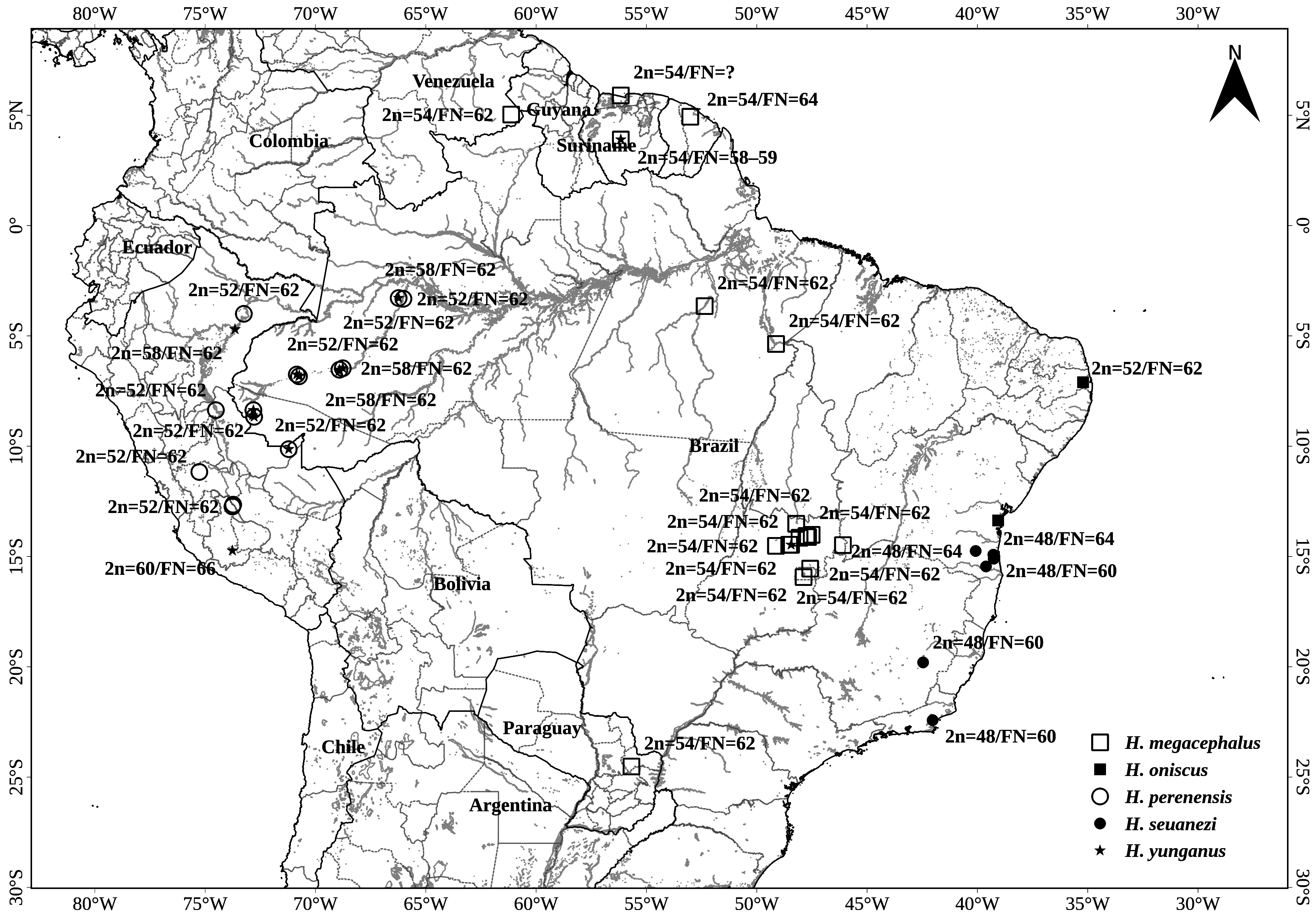
Hylaeamys is a genus of South American oryzomyine rodents found principally in humid forested areas east of the Andes. The species in this genus have historically been placed in Oryzomys. They are most closely related to Euryoryzomys, Transandinomys, Nephelomys, Oecomys, and Handleyomys, and most closely resemble species of the former two genera. They are distinguished from members of Euryoryzomys by all-dark or indistinct two-tone tail coloration (as opposed to the distinct two-tone tail coloration of Euryoryzomys), from members of Transandinomys by having shorter whiskers above their eyes th

Euryoryzomys
Euryoryzomys is a genus of rodents in the tribe Oryzomyini of family Cricetidae. It includes seven species, which are distributed in South America. Until 2006, its members were included in the genus Oryzomys, but they are not closely related to the type species of that genus, and therefore they were placed in a new genus. They are most closely related to genera like Hylaeamys and Transandinomys; many members of these genera were previously placed in a single species, known as Oryzomys capito. The genus name, Euryoryzomys, combines the name "Oryzomys" with the Ancient Greek word eurus "broad",
Nephelomys
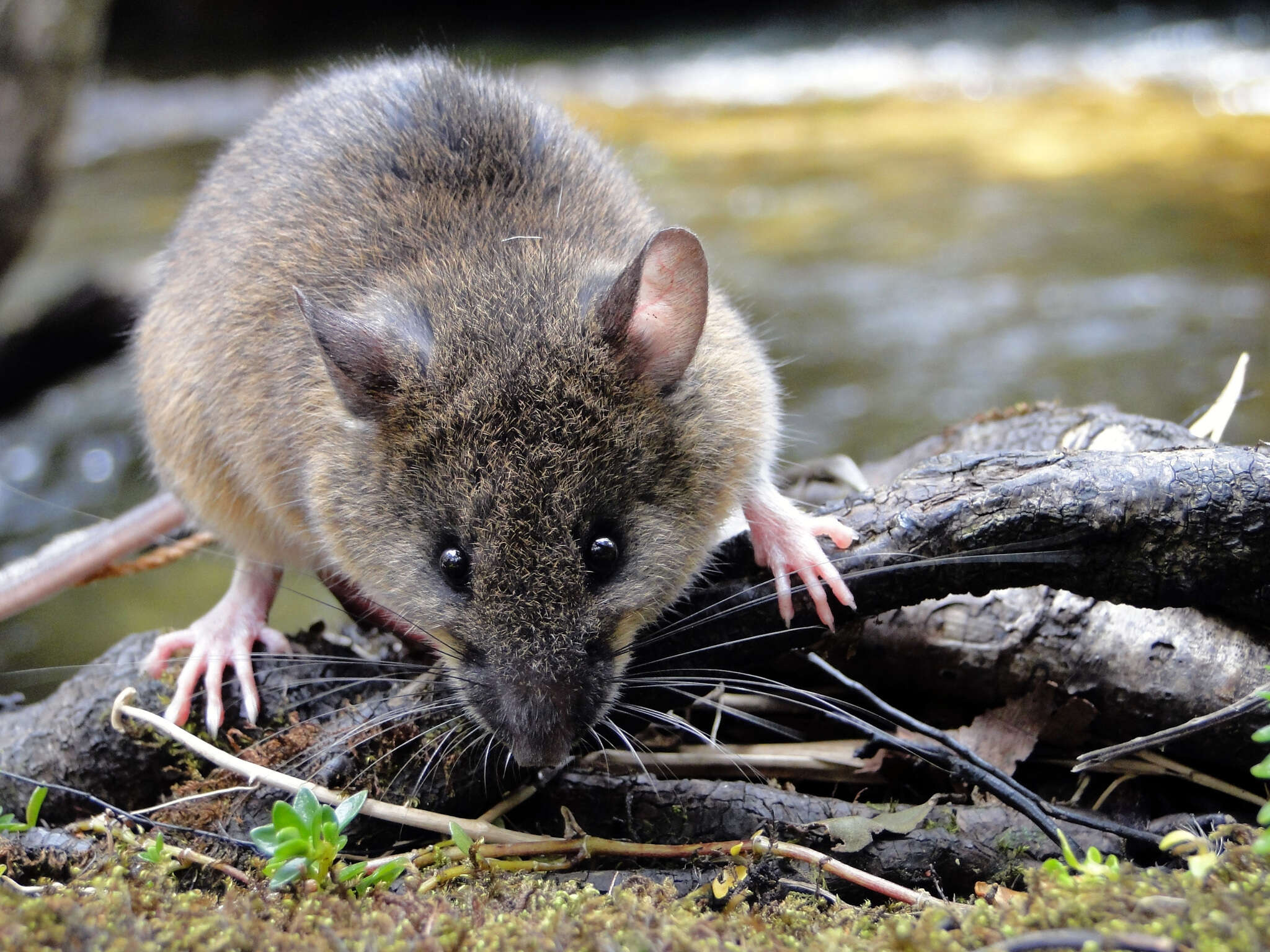
Nephelomys is a genus of South American oryzomyine rodents found in the Andes from Bolivia to Venezuela, with a westward extension into the mountains of Costa Rica. Its generic name is derived from the Ancient Greek word nephelê "mist", referring to the cloud forest habitat of the members of the genus.
Aegialomys
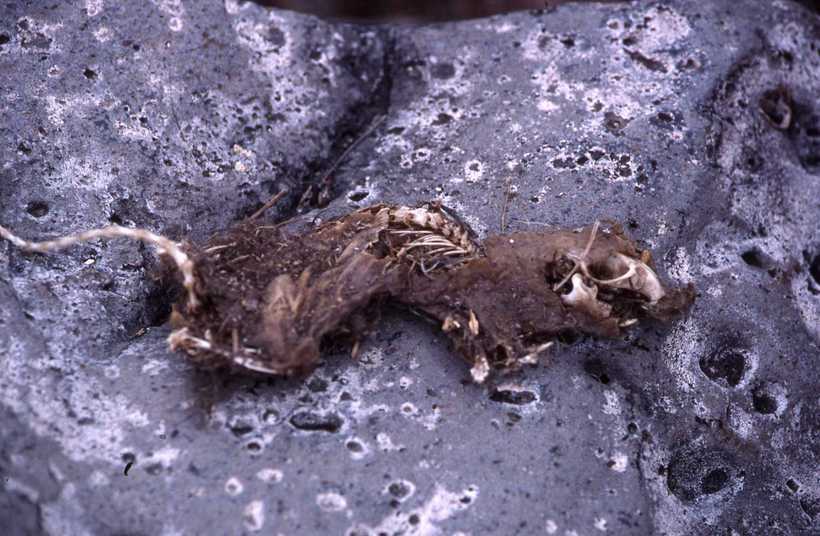
Aegialomys is a genus of oryzomyine rodents from the lowlands and mountains of western Peru and Ecuador, including the Galápagos Islands. The species in this genus have historically been placed in Oryzomys, but according to cladistic research, the genus is more closely related to a group containing, among others, Nectomys and Sigmodontomys, than to Oryzomys. The generic name Aegialomys means "coastal mouse" in Ancient Greek ( "coast" and "mouse") and references the mostly coastal occurrence of the genus.

Cerradomys
Cerradomys is a genus of oryzomyine rodents from eastern Bolivia, Paraguay, and central Brazil found in cerrado, Caatinga and Gran Chaco habitats.
Transandinomys
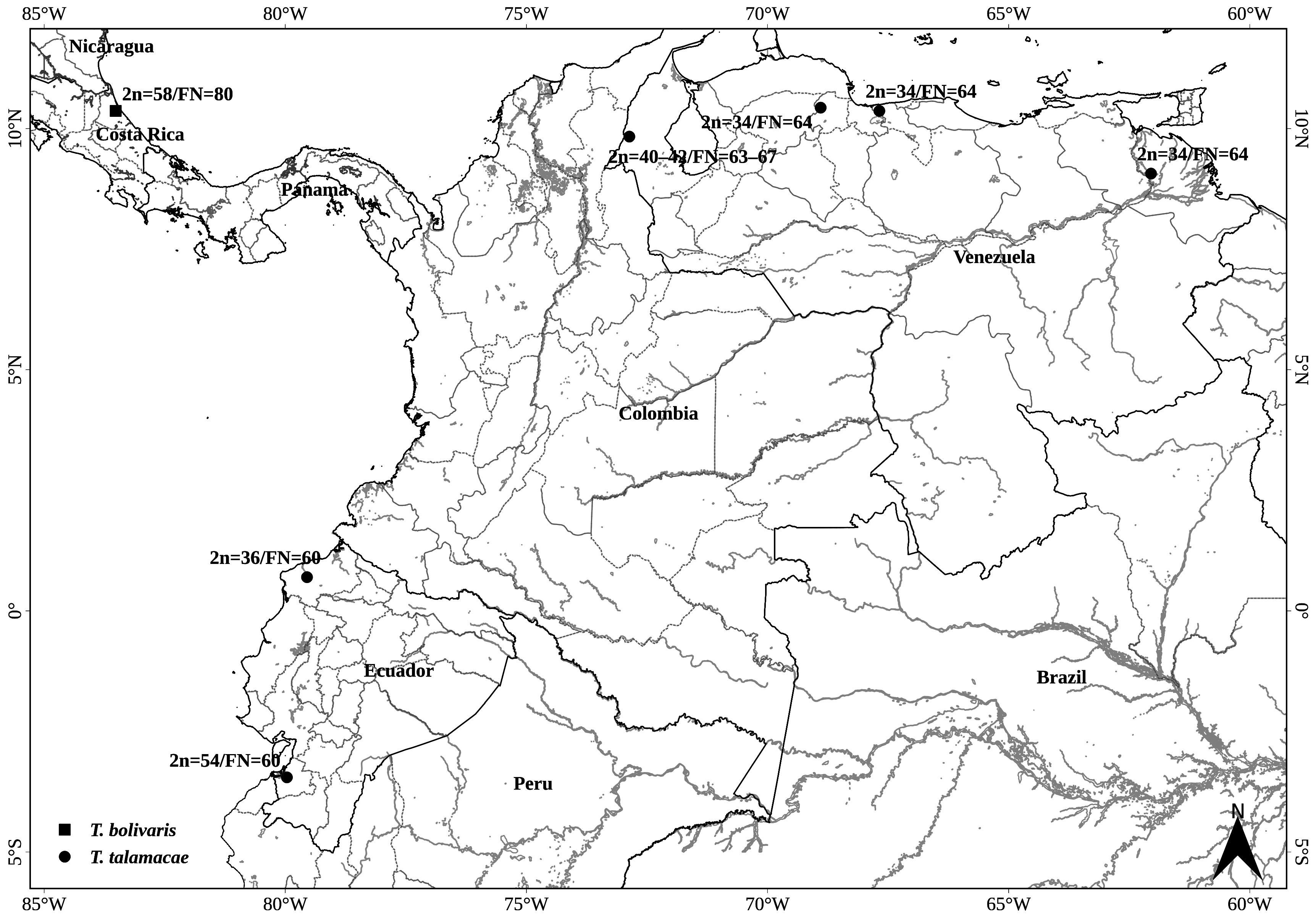
Transandinomys is a genus of rodents in the tribe Oryzomyini of family Cricetidae. It includes two species—T. bolivaris and T. talamancae—found in forests from Honduras in Central America south and east to southwestern Ecuador and northwestern Venezuela in northern South America. Until 2006, its members were included in the genus Oryzomys, but phylogenetic analysis showed that they are not closely related to the type species of that genus, and they have therefore been placed in a new genus. They may be most closely related to genera like Hylaeamys and Euryoryzomys, which contain very

Drymoreomys albimaculatus
species of mammal

Oligoryzomys stramineus
species of mammal
Tanyuromys
Tanyuromys is a genus of oryzomyine rodents distributed in mountainous areas from Central America to the western part of South America. The species in this genus have historically been placed in Sigmodontomys, but according to cladistic research, this genus is either sister to the clade containing Sigmodontomys and Melanomys or sister to the extinct Caribbean giant rice rat Megalomys. Along with members of Aegialomys and Melanomys, it occurs at some of the highest elevations known for oryzomines.
Eremoryzomys
Eremoryzomys polius, also known as the gray rice rat or the Marañon oryzomys, is a rodent species in the tribe Oryzomyini of the family Cricetidae. Discovered in 1912 and first described in 1913 by Wilfred Osgood, it was originally placed in Oryzomys and named Oryzomys polius. In 2006, a cladistic analysis found that it was not closely related to Oryzomys in the strict sense or to any other oryzomyine then known, so that it is now placed in its own genus, Eremoryzomys. The Brazilian genus Drymoreomys, named in 2011, is probably the closest relative of Eremoryzomys. Eremoryzomys has a limited d
Oligoryzomys rupestris
species of mammal
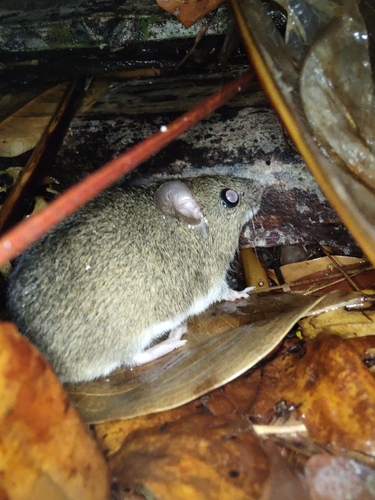
Oligoryzomys moojeni
species of mammal
Sooretamys
Sooretamys angouya, also known as the rat-headed rice rat, and Paraguayan rice rat, is a rodent species from South America. It is found in northeastern Argentina, southern Brazil and Paraguay in forested areas within the Atlantic Forest and cerrado. Since 2006, it has been classified as the only species in the genus Sooretamys; previously, it was included in the genus Oryzomys. Its taxonomic history has been complex, with the names Oryzomys angouya, Oryzomys buccinatus, and Oryzomys ratticeps in use for various parts of the species at different times. Some variation in its karyotype has been r
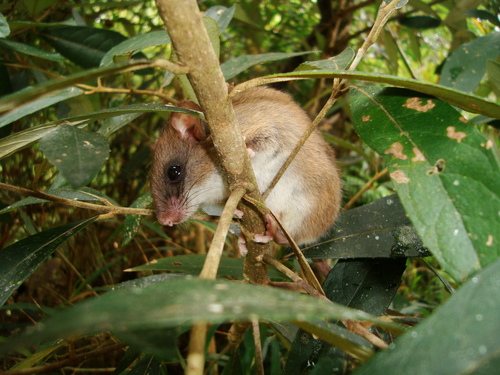
Drymoreomys
Drymoreomys is a rodent genus in the tribe Oryzomyini that lives in the Atlantic Forest of Brazil. The single species, D. albimaculatus, is known only from the states of São Paulo and Santa Catarina and was not named until 2011. It lives in the humid forest on the eastern slopes of the Serra do Mar and perhaps reproduces year-round. Although its range is relatively large and includes some protected areas, it is patchy and threatened, and the discoverers recommend that the animal be considered "Near Threatened" on the IUCN Red List. Within Oryzomyini, Drymoreomys appears to be most closely