Category
page 1Teleostei families

Osteoglossidae
Osteoglossidae is a family of large-sized freshwater fish, which includes the arowanas. They are commonly known as bonytongues. The family has been regarded as containing two extant subfamilies Arapaiminae and Osteoglossinae, with a total of five living genera, but these are regarded as valid families in ''Eschmeyer's Catalog of Fishes'' The extinct Phareodontinae are known from worldwide during the Late Cretaceous and Paleogene; they are generally considered to be crown group osteoglossids that are more closely related to one of the extant osteoglossid subfamilies than the other, though their

Mormyridae
The Mormyridae, sometimes called elephantfish (more properly freshwater elephantfish), are a family of weakly electric fish in the order Osteoglossiformes native to Africa. It is by far the largest family in the order, with around 200 species. Members of the family can be popular, if challenging, aquarium species. These fish have a large brain size and unusually high intelligence.
Notopteridae
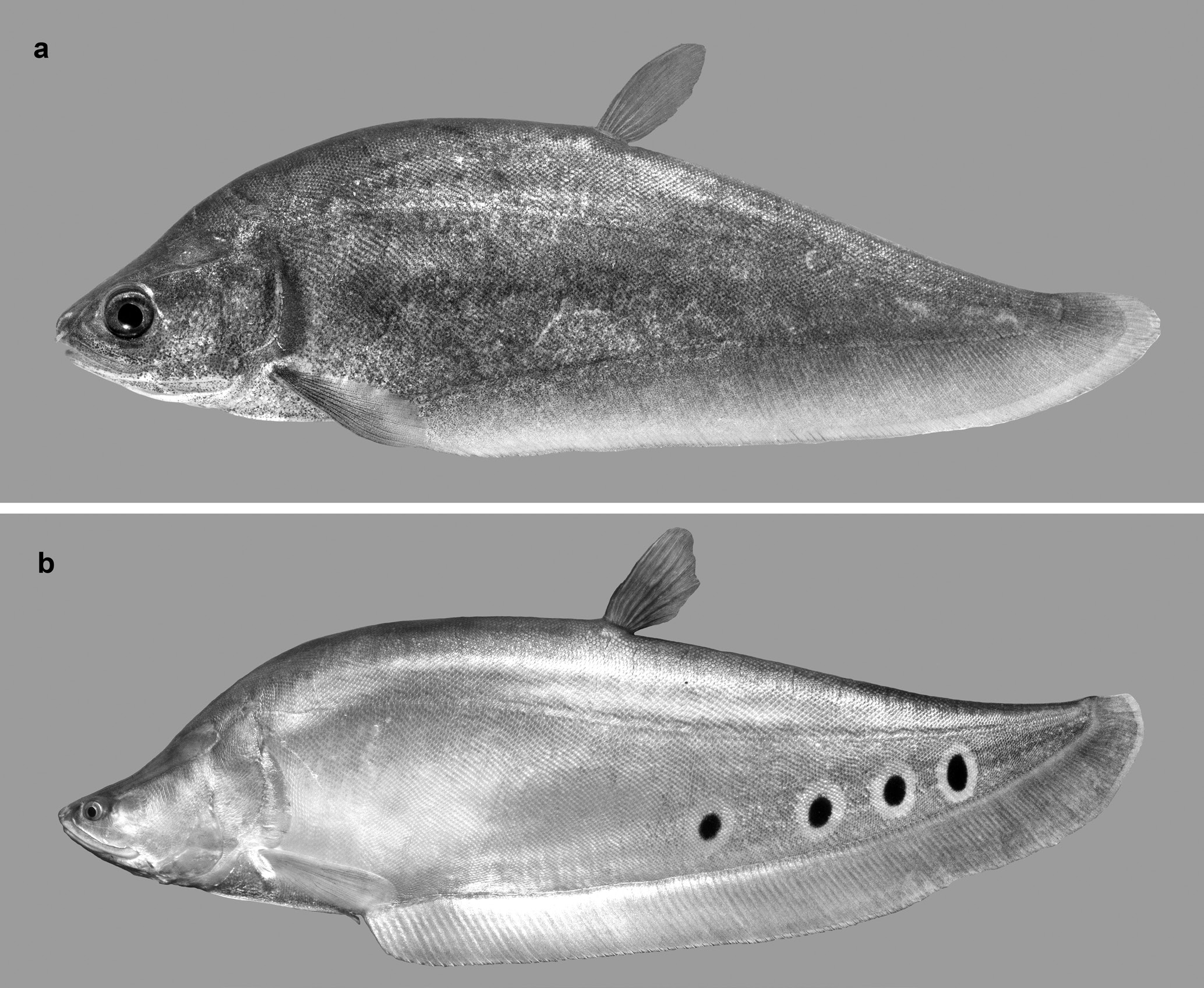
The family Notopteridae contains 11 species of osteoglossiform (bony-tongued) fishes, commonly known as featherbacks and knifefishes. These fishes live in freshwater or brackish environments in Africa and West, South, East and Southeast Asia.
Notacanthidae
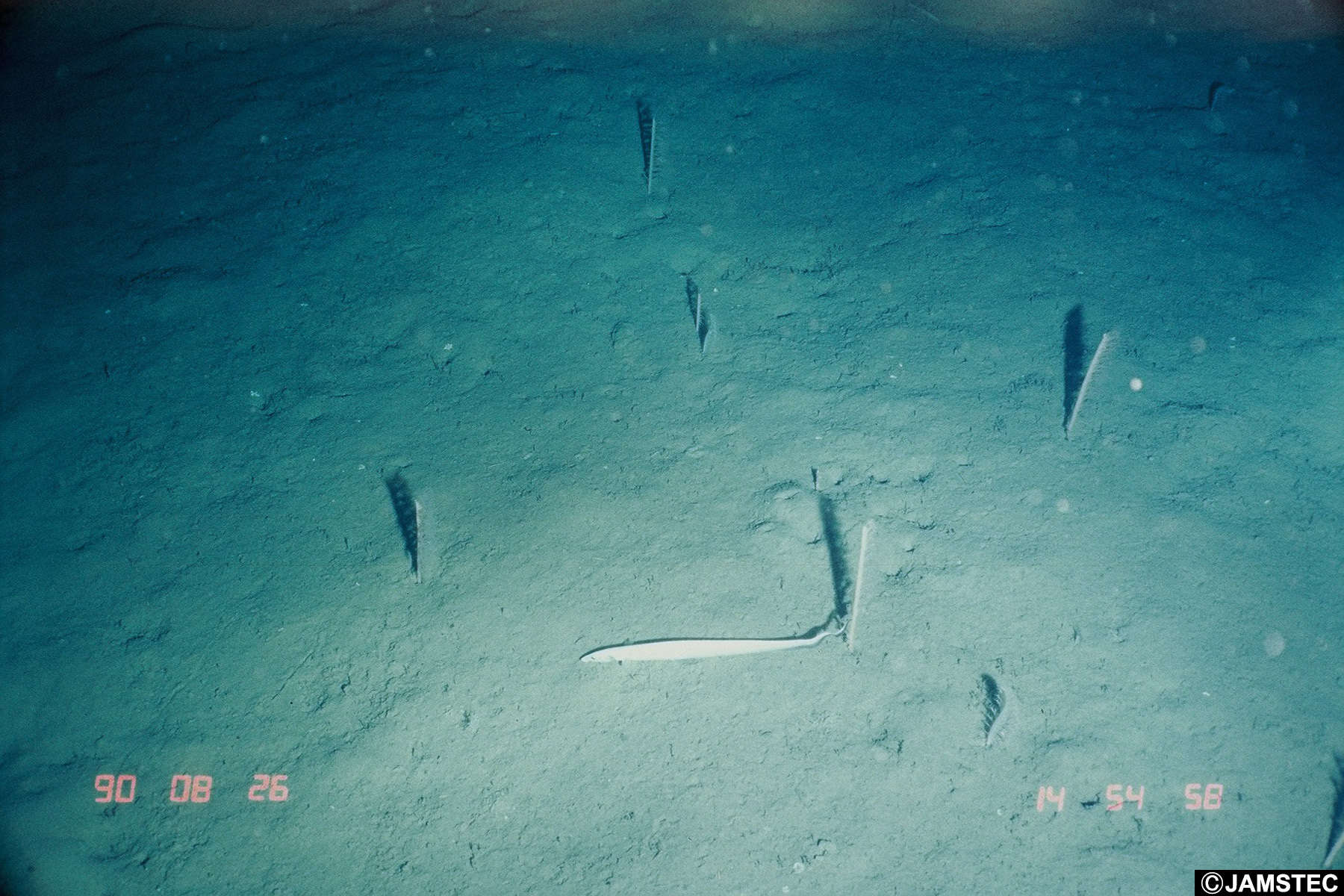
Notacanthidae, the deep-sea spiny eels, are a family of fishes found worldwide below , and as deep as .
Elopidae
The Elopidae are an ancient family of ray-finned fish, one of two living members of the order Elopiformes. They containing a single living genus, Elops, and many extinct genera dating back to the Late Jurassic, when the earliest stem-group elopids are known. They appear to have diverged from their closest relatives, the Megalopidae, during the Jurassic.''''
Megalopidae
Megalopidae is an ancient family of ray-finned fish, one of two living members of the order Elopiformes. It contains a single living genus (Megalops, the tarpons) with two species, and several extinct genera dating back to the Early Cretaceous. They likely diverged from their closest relatives, the Elopidae, during the Late Jurassic.''''
Pachycormidae
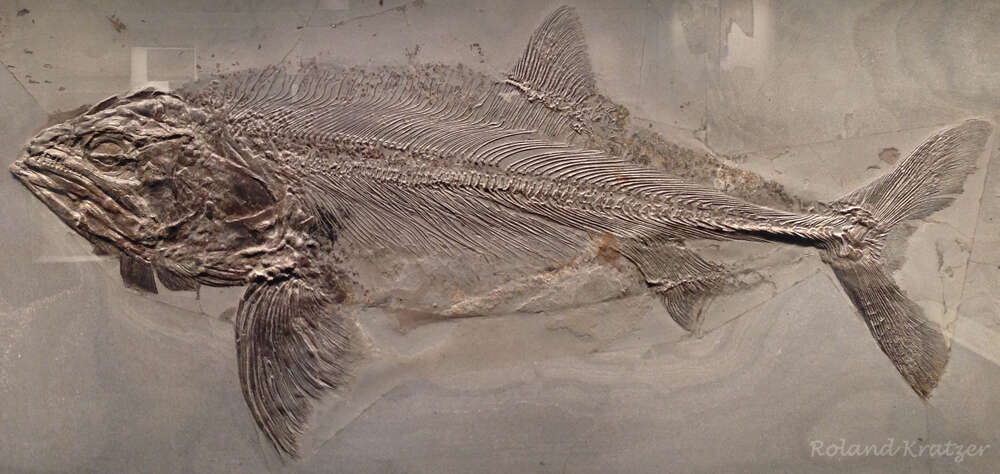
REDIRECT Pachycormiformes

Ichthyodectidae
REDIRECT Ichthyodectiformes
Pantodontidae
Pantodontidae is a family of ray-finned fish in the order Osteoglossiformes. It contains the living freshwater butterflyfish (Pantodon buchholzi) of Africa, as well as several extinct marine species from the Late Cretaceous (Cenomanian) of the Sannine Formation in Lebanon.
Gymnarchidae
REDIRECT Gymnarchus

Saurodontidae
REDIRECT Ichthyodectiformes
Lycopteridae
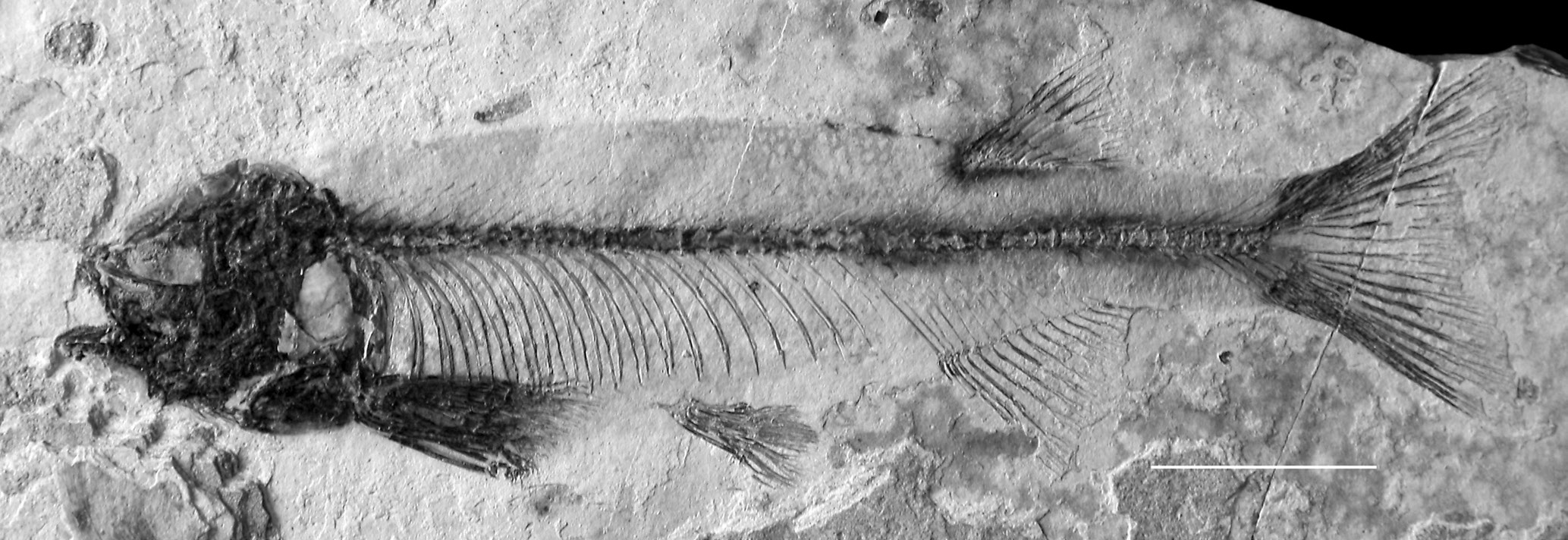
Lycopteridae is an extinct family of freshwater osteoglossomorph ray-finned fishes.
Aspidorhynchidae
Aspidorhynchidae (from Ancient Greek ἀσπίς (aspís), meaning "shield", and ῥύγχος (rhúnkos), meaning "snout") is an extinct family of ray-finned fish from the Mesozoic Era. It is the only member of the monotypic order Aspidorhynchiformes. Members of the group are noted for their elongated, conical rostrums, of varying length, formed from fused premaxillae. The range of the group extends from the Middle Jurassic to the end of the Maastrichtian, with a potential record from the Late Paleocene. The family and order were described by Pieter Bleeker in 1859.