Category
page 1Terracotta
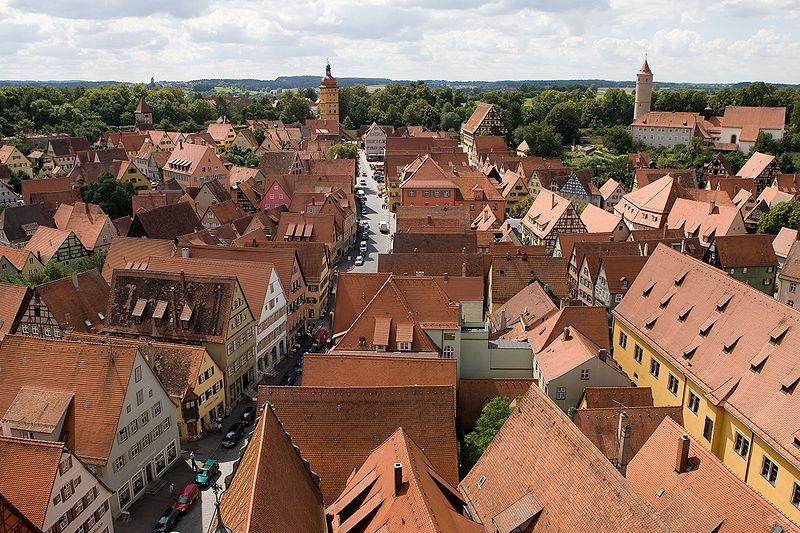
roof tile
tile designed mainly to keep out rain

tile
Tiles are usually thin, square or rectangular coverings manufactured from hard-wearing material such as ceramic, stone, metal, baked clay, or even glass. They are generally fixed in place in an array to cover roofs, floors, walls, edges, or other objects such as tabletops. Alternatively, tile can sometimes refer to similar units made from lightweight materials such as perlite, wood, and mineral wool, typically used for wall and ceiling applications. In another sense, a tile is a construction tile or similar object, such as rectangular counters used in playing games (see tile-based game). The w
.jpg)
terracotta
thumb|International Gothic Bohemian bust of the [[Virgin Mary; –1395; terracotta with polychromy; 32.5× 22.4× 13.8cm]]

Natural History Museum
museum in London, England, UK

Royal Albert Hall
concert hall in South Kensington, London, England, United Kingdom

Nok culture
archaeological culture

Luca della Robbia
Italian sculptor (1399–1482)

zellij
thumb|A wall covered in zellīj at the Ben Youssef Madrasa in Marrakesh
Zellij (), also spelled zillij or zellige, is a style of mosaic tilework made from individually hand-chiseled tile pieces. The pieces were typically of different colours and fitted together to form various patterns on the basis of tessellations, most notably elaborate Islamic geometric motifs such as radiating star patterns composed of various polygons. This form of Islamic art is one of the main characteristics of architecture in the western Islamic world. It is found in the architecture of Morocco, the architecture of Alg
Tanagra figurine
mold-cast type of Greek terracotta figurines produced from the later fourth century BC, primarily in the Boeotian town of Tanagra
Monk and Nun
style of roof tiling using arched tiles in both layers
Manchester Town Hall
municipal building in Manchester, England

Lycosura
Lycosura () was a city in the ancient Parrhasia region of south Arcadia said by Pausanias to be the oldest city in the world, although there is no evidence for its existence before the fourth century BCE. Its current significance is chiefly associated with the sanctuary of the goddess Despoina, which contained a colossal sculptural group that Pausanias (perhaps inaccurately) wrote was made by Damophon of Messene. This group comprises acrolithic-technique statues of Despoina and Demeter seated on a throne, with statues of Artemis and the Titan Anytos standing on either side of them – all in Pen
Alfred Waterhouse
British architect (1830-1905)
Wrigley Building
skyscraper in Chicago, Illinois, United States

Olmec figurine
figurines from Olmec art
Gudea cylinders
lagash cylinders
Bankura horse
Horse made from terracotta or clay in Panchmura Village, West Bengal, India. Originally used for ritual purposes, now used for decoration.
Campana reliefs
Ancient Roman terracotta reliefs
Greek terracotta figurine
ancient Greek pottery figures
Soleto Map
Ancient map engraved onto a pottery shard
Maluti
Maluti (also Malooti) is a village in Shikaripara CD block in the Dumka subdivision of the Dumka district of Jharkhand, India. It was built under the Baj Basanta dynasty. The area has 72 old temples, which are edifices to the kings of the Pala Dynasty. They portray various scenes from Hindu mythology including the Ramayana and the Mahabharata. Maluti is known for the annual sacrifice of over 100 goats on Kali Puja, besides one buffalo and a sheep. Animal activist groups have often strongly looked down at this activity. Today Maluti is endangered by insufficient management of the old temples, a
Chia Pet
terracotta figurine used to sprout chia seeds
Tomette
thumb|Tomettes in the town hall of Aix-en-Provence
thumb|Tomettes in a residential building in Salernes
Tomettes are a type of terracotta tile that is commonly used as flooring, particularly in southern regions of France including Provence, Dauphiné and the island of Corsica, but also elsewhere including Paris. They are typically hexagonal (or sometimes octagonal) in shape, which allows them to tessellate into a uniform surface while minimizing the need for a seal substance.
Majapahit Terracotta
terracotta art from Majapahit-era Java
Huntington Tower
office building in Akron, Ohio, United States