Category
page 1Theatrical genres

tragedy
thumb|The classical Punjabi tragedy of Heer Ranjha, one of the four classic tragedies of [[Punjabi folklore; the tragedy's epic form by Waris Shah is regarded as one of the greatest pieces of Punjabi literature]]

satire

musical
stage work that combines songs, music, spoken dialogue, acting, and dance

melodrama
thumb|250px|Mélodrame, painted by Honoré Daumier between 1855 and 1860, depicting a typical Parisian scene on [[Boulevard du Temple]]
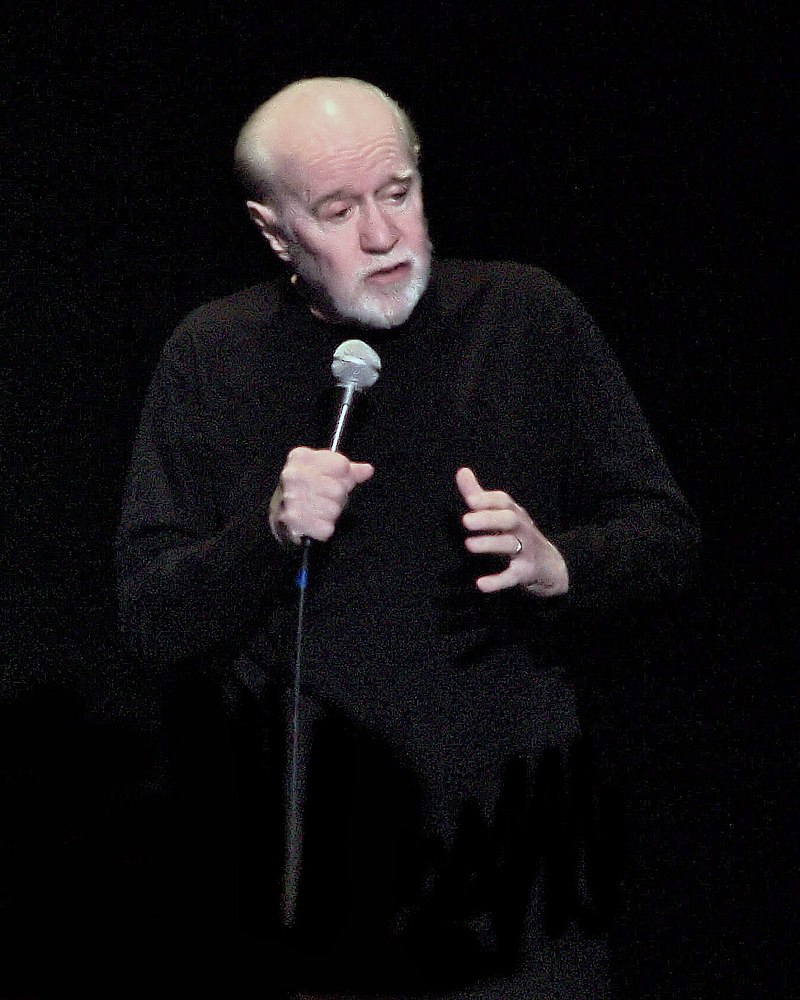
stand-up comedy
comedy style where the performer addresses the audience directly
.jpg)
tragicomedy
thumb|Tragic Comic masks of Ancient Greek theatre represented in the [[Hadrian's Villa mosaic.]]

theatre of the absurd
theatrical genre

burlesque
thumb|300px|Burlesque on Ben-Hur: A Tale of the Christ|Ben-Hur,
A burlesque is a literary, dramatic or musical work intended to cause laughter by caricaturing the manner or spirit of serious works, or by ludicrous treatment of their subjects. The word is loaned from French and derives from the Italian ', which, in turn, is derived from the Italian ' – a joke, ridicule or mockery.

mystery play
Christian-themed medieval European drama

shadow play
ancient form of entertainment using flat articulated figures
Gilbert and Sullivan
British duo, Victorian-era theatrical partnership
mime artist
someone who uses mime as a theatrical medium or in performance art
slice of life
depiction of everyday experience in art and entertainment

revue
A revue is a type of multi-act popular theatrical entertainment that combines music, dance, and sketches. The revue has its roots in 19th century popular entertainment and melodrama but grew into a substantial cultural presence of its own during its golden years from 1916 to 1932. Though most famous for their visual spectacle, revues frequently satirized contemporary figures, news or literature. Similar to the related subforms of operetta and musical theatre, the revue art form brings together music, dance and sketches to create a compelling show. In contrast to these, however, revue does not
variety show
television genre characterized by a series of specialty acts such as music, dance, comedy, magic, acrobatics and ventriloquism
improvisational theatre
theatrical genre
morality play
genre of Medieval and early Tudor theatrical entertainment
drawing room
room in a house where visitors may be entertained

masque
thumb|upright|Costume for a Knight, by Inigo Jones: the plumed helmet, the "[[heroic cuirass" in armour and other conventions were still employed for opera seria in the 18th century.]]
music hall
type of British theatrical entertainment popular between 1850 and 1960
tableau vivant
static scene containing one or more actors or models
passion play
dramatic presentation depicting the Passion of Jesus Christ

ta'ziyeh
'''Ta'ziyeh, also spelled as ta'zieh''' ( , from Arabic , 'condolence'), is a dramatic art form of Iran, performed by Shia Muslims, and historically also called shabih-khani ( ), though this term is less commonly used today .
medieval theatre
plays and playmaking in the Middle Ages
nativity play
Christmas-based theatrical genre
Grand Guignol
theatre in the Pigalle area of Paris

pantomime
thumb|The Christmas Pantomime colour lithograph book cover, 1890, showing [[harlequinade characters]]
Pantomime (; informally panto) is a type of musical comedy stage production designed for family entertainment, generally combining broad and topical humour and cross-dressing actors with a story more or less based on a well-known fairy tale, fable or folk tale. Pantomime is a participatory form of theatre developed in England in the 18th century in which the audience is encouraged and expected to sing along with certain parts of the music and to shout out phrases to the performers.
Theatre of Cruelty
surrealist form of theatre
black light theatre
theatrical genre
sainete
A sainete (farce or titbit) was a popular Spanish comic opera piece, a one-act dramatic vignette, with music. It was often placed at the end of entertainments, or between other types of performance. It was vernacular in style, and used scenes of low life. Active from the 18th to 20th centuries, it superseded the entremés. Among its most prolific composers were Ramón de la Cruz and Antonio Soler.
kitchen sink realism
British social realist artistic movement
Theatre of the Oppressed
theatrical genre
.png)
tonadilla
thumb|"La Tonadillera", gouache painting by Carlos Raygada.
Tonadilla was a Spanish musical song form of theatrical origin; not danced. The genre was a type of short, satirical musical comedy popular in 18th-century Spain, and later in Cuba and other Spanish colonial countries.
comédie-ballet
Comédie-ballet is a genre of French drama which mixes a spoken play with interludes containing music and dance.

féerie
thumb|Poster by Alfred Choubrac for an 1890 [[Théâtre du Châtelet production of La Biche au bois]]
Féerie (), sometimes translated as "fairy play", was a French theatrical genre known for fantasy plots and spectacular visuals, including lavish scenery and mechanically worked stage effects. Féeries blended music, dancing, pantomime, and acrobatics, as well as magical transformations created by designers and stage technicians, to tell stories with clearly defined melodrama-like morality and an extensive use of supernatural elements. The genre developed in the early 19th century and became immens
sotie
A sotie (or sottie) is a short satirical play common during the 15th- and 16th-century in France. The word (compare modern sottise) comes from the sots, "fools", who appeared as characters in the play. In the plays, these fools would make observations and exchange thoughts on contemporary events and individuals. Shorter plays, sometimes referred to as parades, did not necessarily have any plot at all, but relied simply on a detached dialogue. The genre has its origin in the Feast of Fools and other Carnival-related festivities. The purpose of these events was to present a world turned upside-d
documentary theatre
theatrical genre
entremés
In 16th- and 17th-century Spanish drama, an entremés (plural entremeses) was a short, comic theatrical performance of one act, usually played during the interlude of a performance of a long dramatic work. The entremés form later evolved into the sainete.
Boulevard theatre
theatrical aesthetic which emerged from the boulevards of Paris's old city
Fringe theatre
theatre that is experimental in style or subject matter
mummers play
folk play

expressionism
theatrical genre
In-yer-face theatre
style of drama
postdramatic theatre
German avant-garde theater
comédie en vaudevilles
theatrical entertainment which began in Paris towards the end of the 17th century
Paper Theatre
Small stage made of paper on which the technical diversity of a human stage can be imitated or tested in model form.
Randai
thumb|262px|Randai performance video
sideshow
In North America, a sideshow is an extra, secondary production associated with a circus, carnival, fair, or other such attraction. They historically featured human oddity exhibits (so-called “freak shows”), preserved specimens (real or fabricated, such as the Fiji Mermaid), live animal acts, burlesque or strip shows, actually or ostensibly dangerous stunts, or stunts that appear painful like human blockhead.
gunungan
figure in wayang performance of Indonesia
methexis
In theatre, methexis (; also methectics), is "group sharing". Originating from Greek theatre, the audience participates, creates and improvises the action of the ritual.

revenge play
dramatic genre in which the protagonist seeks revenge
Loa
short play often performed before main play in Spanish Baroque theater
gross out
Gross-out is described as a movement in art (often with comical connotations), which is intended to shock the viewer(s) and disgust the wider audience by presenting them with controversial material (such as toilet humor and fetishes) that might be ill received by a mainstream audience.
Shinpa
(also rendered shimpa) is a modern form of theater in Japan usually featuring melodramatic stories, contrasted with the more traditional kabuki style. Taking its start in the 1880s, it later spread to cinema.
schwank
Short humorous story, play, song, opera, etc.
cantastoria
thumb|A moritat singer in [[Basel depicted in a 19th-century drawing]]
' (; also spelled , or ') comes from Italian for "story-singer" and is known by many other names around the world. It is a theatrical form where a performer tells or sings a story while gesturing to a series of images. These images can be painted, printed or drawn on any sort of material.
Invisible Theatre
Theatrical Genre
Suffrage drama
form of dramatic literature
theatrical genre
division and subdivisions of various forms of theater
Guerrilla theatre
Form of guerrilla communication