Category
page 1Theosophy
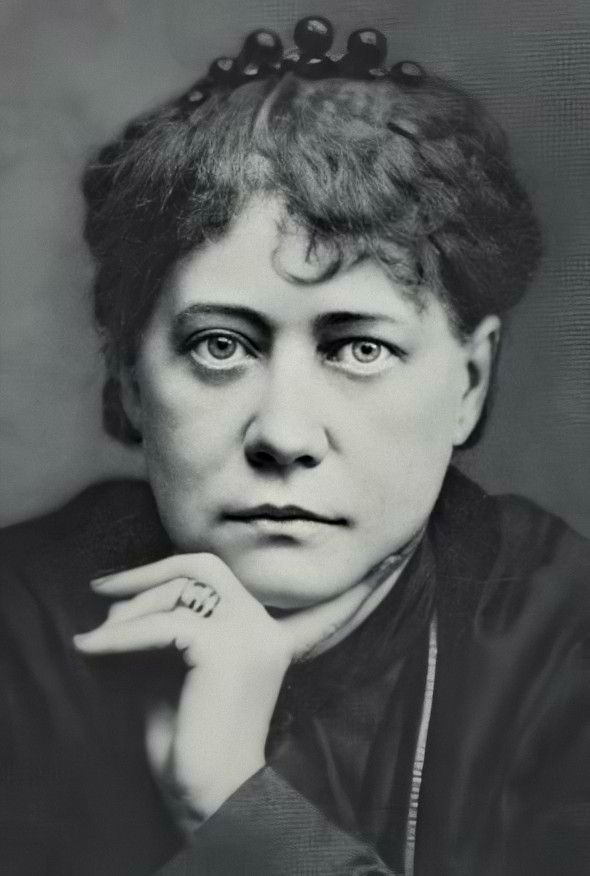
Helena Blavatsky
Russian occult writer (1831-1891)

Theosophy
thumb|right|The logo for the Theosophical Society brought together various ancient symbols.

Mahatma
Mahatma (English pronunciation: , , , ) is an honorific used in India. The term is commonly used for Mohandas Karamchand Gandhi, who is often referred to simply as "Mahatma Gandhi" (). Albeit less frequently, this epithet has also been used with regard to such people as Basava (1131–1167), Swami Shraddhanand (1856–1926), Lalon Shah (1772–1890), Ayyankali (1863–1941), and Jyotirao Phule (1827–1890).

adept
thumb|right | The Immortal Soul of the Taoist Adept
thaumaturgy
Thaumaturgy (), especially in Christianity, is the art of performing prodigies or miracles. More generically, it refers to the practical application of magic to affect change in the physical world. Historically, thaumaturgy has been associated with a supernatural or divine ability, the manipulation of natural forces, the creation of wonders, and the performance of magical feats through esoteric knowledge and ritual practice. Unlike theurgy, which focuses on invoking divine powers, thaumaturgy is more concerned with utilizing occult principles to achieve specific outcomes, often in a tangible a
Agni Yoga
Neo-Theosophical doctrine by Roerikh's family
Liberal Catholic Church
Catholic denomination founded in 1916 open to esoteric beliefs
Christian theosophy
esoteric Christian movement
Djwal Khul
disciple in "The Ageless Wisdom" esoteric tradition
As above, so below
aphorism associated with sacred geometry, Hermeticism, and the Tarot
Transcendent theosophy
doctrine and philosophy developed by Persian philosopher Mulla Sadra
Neo-Theosophy
Neo-Theosophy is a term, originally derogatory, used by the followers of Helena Blavatsky to denominate the system of Theosophical ideas expounded by Annie Besant and Charles Webster Leadbeater following the death of Madame Blavatsky in 1891. This material differed in major respects from Blavatsky's original presentation, but it is accepted as genuinely Theosophical by many Theosophists around the world.
Devachan
Devachan (compound word; Sanskrit 'deva', gods, and the Tibetan word 'chan' Wylie: 'can', possessing, having, subject to) is the "dwelling of the gods" according to the original teachings of Theosophy as formulated by H.P. Blavatsky.
==Theosophy==
Devachan is regarded as the place where most souls go after death where desires are gratified, corresponding to the Christian belief in Heaven. However, Devachan is a temporary, intermediate state of being before the soul's eventual rebirth into the physical world.