Category
page 1Thermophiles

tardigrade
Tardigrades (), also known as water bears or moss piglets, are a phylum of eight-legged segmented micro-animals. They were first described by the German zoologist Johann August Ephraim Goeze in 1773, who called them ' . In 1776, the Italian biologist Lazzaro Spallanzani named them Tardigrada', which means 'slow walkers'.
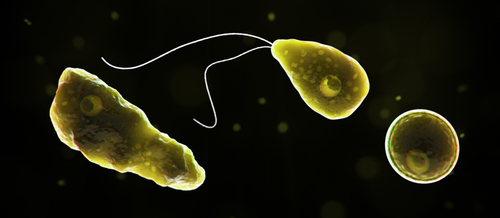
Naegleria fowleri
species of free-living excavate form of protist
.jpg)
thermophile
right|thumb|300px|Thermophiles produce some of the bright colors of Grand Prismatic Spring, [[Yellowstone National Park]]
A thermophile is a type of extremophile that thrives at relatively high temperatures, between . Many thermophiles are archaea, though some of them are bacteria and fungi. Thermophilic bacteria are suggested to have been among the earliest bacteria.

Thermus aquaticus
species of bacterium

hyperthermophile
A hyperthermophile is an organism that thrives in extremely hot environments—from upward. An optimal temperature for the existence of hyperthermophiles is often above . Hyperthermophiles are often within the domain Archaea, although few bacterial examples exist. Some of them are able to live at temperatures greater than , deep in the ocean where high pressures increase the boiling point of water. Many hyperthermophiles are also able to withstand other environmental extremes, such as high acidity or high radiation levels. Hyperthermophiles are a subset of extremophiles. Their existence may supp
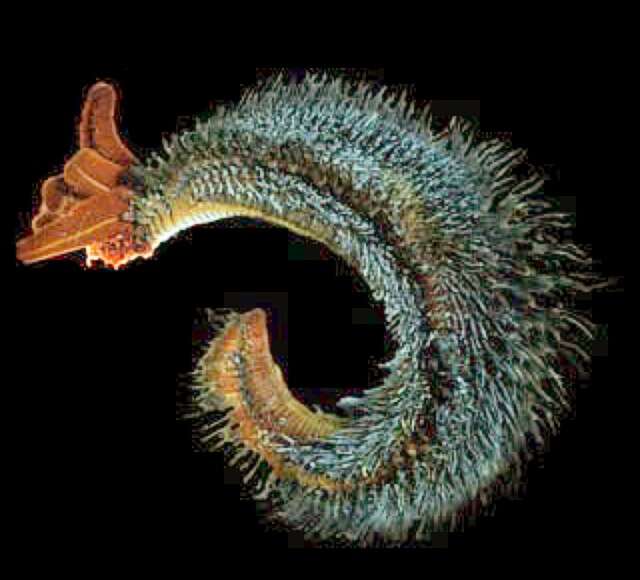
Alvinella pompejana
species of annelid
Methanopyrus
Methanopyrus is a genus of methanogen, with a single described species, Methanopyrus kandleri (type strain AV19). It is a rod-shaped hyperthermophile, discovered on the wall of a black smoker from the Gulf of California at a depth of 2,000 m, at temperatures of 84–110 °C. Strain 116 was discovered in black smoker fluid of the Kairei hydrothermal field; it can survive and reproduce at 122 °C. M. kandleri also requires a high ionic concentration (>1 M) in order for growth and cellular activity. Due to the species' high resilience and extreme environment, M. kandleri is also classi
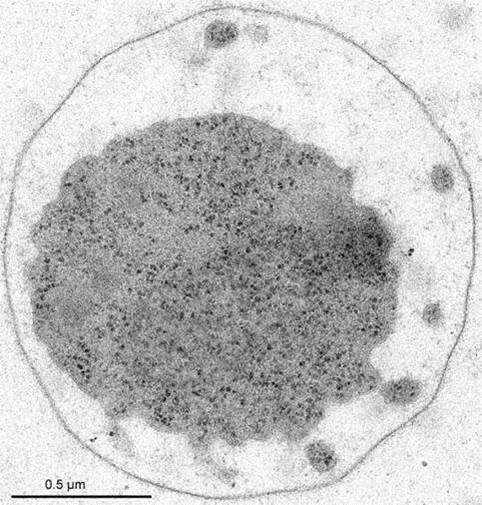
Ignicoccus
Ignicoccus is a genus of hyperthermophillic Archaea living in marine hydrothermal vents. They were discovered in samples taken at the Kolbeinsey Ridge north of Iceland, as well as at the East Pacific Rise (at 9 degrees N, 104 degrees W) in 2000.
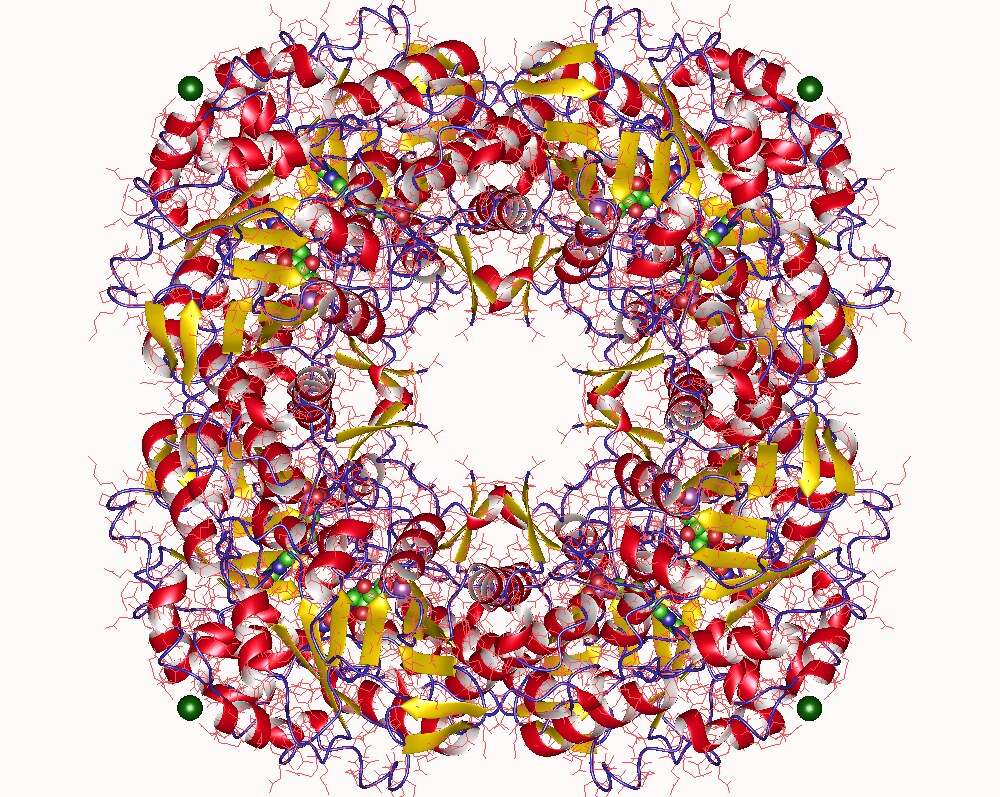
Thermus thermophilus
species of bacterium

Strain 121
species of prokaryote
Thermus
Thermus is a genus of thermophilic bacteria. It is one of several bacteria belonging to the Deinococcota phylum. According to comparative analysis of 16S rRNA, this is one of the most ancient group of bacteria. Thermus species can be distinguished from other genera in the family Thermaceae as well as all other bacteria by the presence of eight conserved signature indels found in proteins such as adenylate kinase and replicative DNA helicase as well as 14 conserved signature proteins that are exclusively shared by members of this genus.
Pyrobaculum
Pyrobaculum is a genus of archaeans in the family Thermoproteaceae.
Archaeoglobaceae
Archaeoglobaceae are a family of the Archaeoglobales. All known genera within the Archaeoglobaceae are hyperthermophilic and can be found near undersea hydrothermal vents. Archaeoglobaceae are the only family in the order Archaeoglobales, which is the only order in the class Archaeoglobi.
Aquifex
Aquifex is a bacterial genus, belonging to phylum Aquificota. There is one species of Aquifex with a validly published name – A. pyrophilus – but "A. aeolicus" is sometimes considered as species though it has no standing as a name given it has not been validly or effectively published. Aquifex spp. are extreme thermophiles, growing best at temperature of 85 °C to 95 °C. They are members of the Bacteria as opposed to the other inhabitants of extreme environments, the Archaea.
Caldisericum
Caldisericum exile is a species of bacteria sufficiently distinct from other bacteria to be placed in its own family, order, class and phylum. It is the first member of the thermophilic candidate phylum OP5 to be cultured and described.
Thermococcus gammatolerans
species of Thermococci
Thermoanaerobacterales
The Thermoanaerobacterales is a polyphyletic order of bacteria placed within the polyphyletic class Clostridia, and encompassing four families: the Thermoanaerobacteraceae, the Thermodesulfobiaceae, the Thermoanaerobacterales Family III. Incertae Sedis, and the Thermoanaerobacterales Family IV. Incertae Sedis, and various unplaced genera.
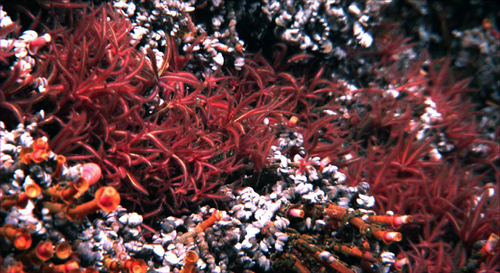
Paralvinella sulfincola
species of annelid
Thermoacidophile
A thermoacidophile is an extremophilic microorganism that is both thermophilic and acidophilic; i.e., it can grow under conditions of high temperature and low pH. The large majority of thermoacidophiles are archaea (particularly the Thermoproteota and "Euryarchaeota") or bacteria, though occasional eukaryotic examples have been reported. Thermoacidophiles can be found in hot springs and solfataric environments, within deep sea vents, or in other environments of geothermal activity. They also occur in polluted environments, such as in acid mine drainage.
thumb|400x400px|Hot Spring in Yellowston
Aeropyrum pernix
species of prokaryote
Thermodesulfobacteriota
The Thermodesulfobacteriota, or Desulfobacterota, are a phylum of anaerobic Gram-negative bacteria. Many representatives are sulfate-reducing bacteria, others can grow by disproportionation of various sulphur species, reduction or iron, or even use external surfaces as electron acceptors (exoelectrogens). They have highly variable morphology: vibrio, rods, cocci, as well as filamentous cable bacteria. Individual members of Desulfobacterota are also studied for their bacterial nanowires or syntrophic relationships.left|thumb|Phylogenetic tree of prokaryotes based on ribosomal proteins and [[RNA
Thermoanaerobacter
Thermoanaerobacter is a genus in the phylum Bacillota (Bacteria). Members of this genus are thermophilic and anaerobic, several of them were previously described as Clostridium species and members of the now obsolete genera Acetogenium and Thermobacteroides
Hadesarchaea
Hadesarchaea, formerly called the South-African Gold Mine Miscellaneous Euryarchaeal Group, is a class of thermophile microorganisms that have been found in deep mines, hot springs, marine sediments, and other subterranean environments.
Coprothermobacter proteolyticus
species of prokaryote of genus Coprothermobacter
Thermomesochra reducta
Thermomesochra reducta is a species of copepod in the family Canthocamptidae, and the only species in the genus Thermomesochra. It is listed as Data Deficient on the IUCN Red List.