Category
page 1Thiotrichales
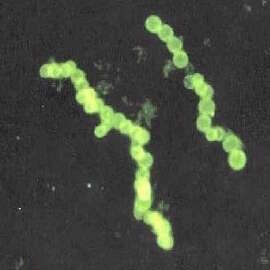
Thiomargarita namibiensis
species of bacterium
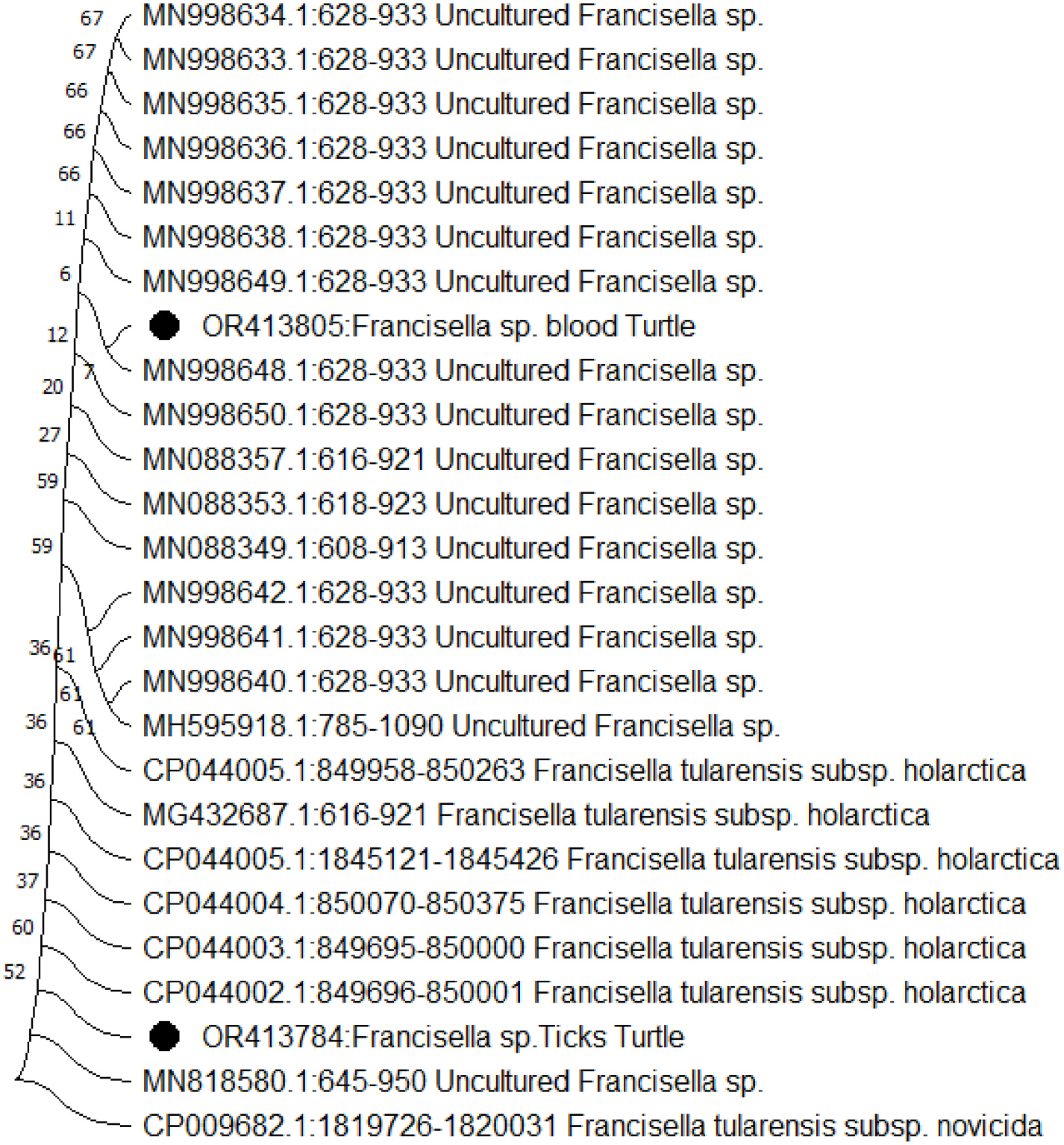
Francisella tularensis
species of bacterium

Thiomargarita magnifica
largest known bacteria species

Beggiatoa
Beggiatoa is a genus of Gammaproteobacteria belonging to the order Thiotrichales, in the Pseudomonadota phylum. These bacteria form colorless filaments composed of cells that can be up to 200 μm in diameter, and are one of the largest prokaryotes on Earth. Beggiatoa are chemolithotrophic sulfur-oxidizers, using reduced sulfur species as an energy source. They live in sulfur-rich environments such as soil, both marine and freshwater, in the deep sea hydrothermal vents, and in polluted marine environments. In association with other sulfur bacteria, e.g. Thiothrix, they can form biofilms tha
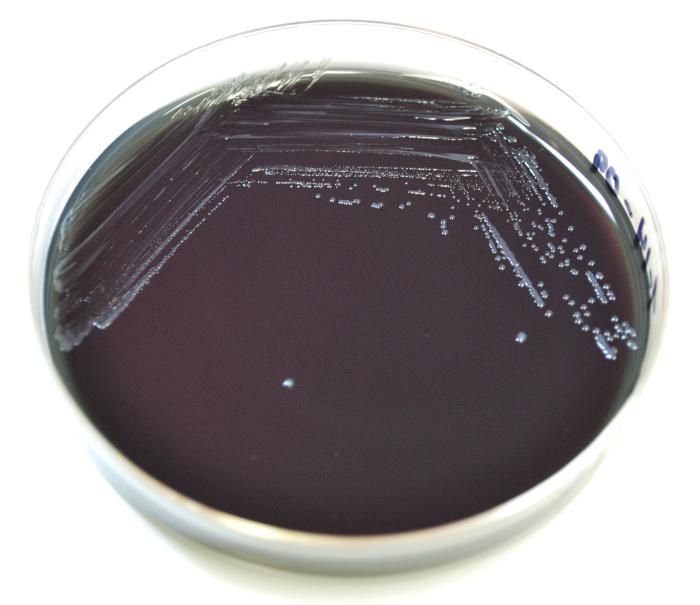
Francisella
Francisella is a genus of Gram-negative bacteria. They are small coccobacillary or rod-shaped, nonmotile organisms, which are also facultative intracellular parasites of macrophages. Strict aerobes, Francisella colonies bear a morphological resemblance to those of the genus Brucella. Some Francisella species are pathogenic bacteria but some others are endosymbionts of ticks. Ticks do not use any other food source than vertebrate blood and therefore ingest high levels of protein, iron and salt, but few vitamins. To overcome these nutritional deficiencies, ticks have evolved obligate interaction

Thiomargarita
Thiomargarita is a genus (family Thiotrichaceae) which includes the vacuolate sulfur bacteria species Thiomargarita namibiensis, Candidatus, Thiomargarita nelsonii, and Ca. Thiomargarita joergensenii. In 2022, scientists working in a Caribbean mangrove discovered an extremely large member of the genus, provisionally named Ca. T. magnifica, whose cells are easily visible to the naked eye at up to long.
Thiotrichales
Thiotrichales is an order of sulfur-oxidizing bacteria within the class Gammaproteobacteria known for their large size and ability to live in sulfur rich environments.
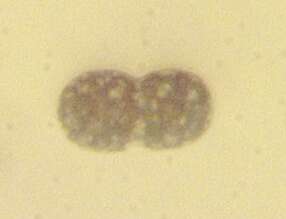
Thiotrichaceae
The Thiotrichaceae are a family of Pseudomonadota, including Thiomargarita namibiensis, the largest known bacterium. Some species move by gliding, Thiospira by using flagella.

Thiothrix
Thiothrix is a genus of filamentous sulfur-oxidizing bacteria, related to the genera Beggiatoa and Thioploca. They are usually Gram-negative (but can be Gram-variable) and rod-shaped (0.7–1.5 μm in width by 1.2–2.5 μm in length). They form ensheathed multicellular filaments that are attached at the base, and form gonidia at their free end. The apical gonidia have gliding motility. Rosettes of the filaments are not always formed but are typical. Sulfur is deposited in invaginations within the cell membrane.
Thioploca
Thioploca is a genus of filamentous sulphur-oxidizing bacteria, in the order Thiotrichales (class Gammaproteobacteria). They inhabit both marine and freshwater environments, forming vast communities off the Pacific coast of South America and in other areas with a high organic matter sedimentation and bottom waters rich in nitrate and poor in oxygen. Their cells contain large vacuoles that occupy more than 80% of the cellular volume, used to store nitrate to oxidize sulphur for anaerobic respiration in the absence of oxygen, an important characteristic of the genus. With cell diameters ranging
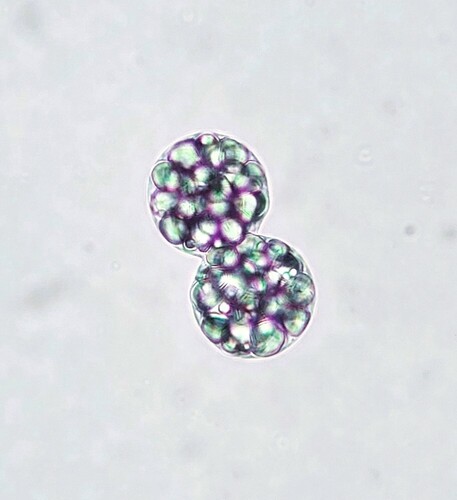
Achromatium
Achromatium is a genus in the phylum Pseudomonadota (Bacteria).