Category
page 1Ticks

Ixodida
Ticks are parasitic arachnids of the order Ixodida. They are part of the mite superorder Parasitiformes. Adult ticks are approximately 3 to 5 mm in length depending on age, sex, and species, but can become larger when engorged. Ticks are external parasites, living by feeding on the blood of mammals, birds, and sometimes reptiles and amphibians. The timing of the origin of ticks is uncertain, though the oldest known tick fossils are around 100 million years old, and come from the Cretaceous period. Ticks are widely distributed around the world, especially in warm, humid climates.

Ixodidae
The Ixodidae are the family of hard ticks or scale ticks, one of the three families of ticks, consisting of 750 species, . They are known as 'hard ticks' because they have a scutum or hard shield, which the other major family of ticks, the 'soft ticks' (Argasidae), lack. They are ectoparasites of a wide range of host species, and some are vectors of pathogens that can cause human disease.
Argasidae
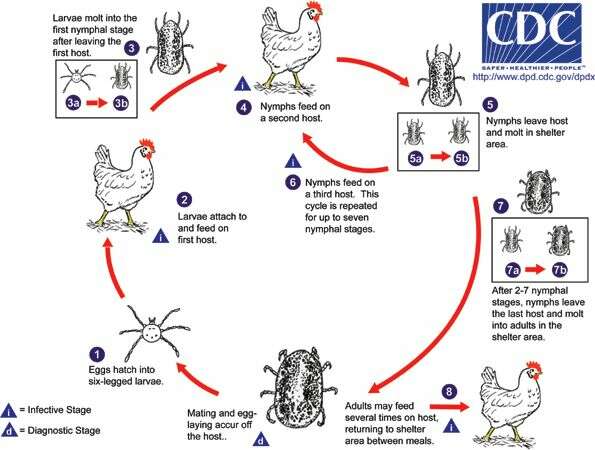
The Argasidae are the family of soft ticks, one of the three families of extant ticks. The family contains 220 species, although the composition of the genera is less certain, and more study is needed before the taxonomy is resolved. The Argasidae are very common in South Asia, along with around 100 other species of ticks from other lineages, making South Asia the region with the highest biodiversity of ticks worldwide. Soft ticks are resistant to desiccation and can live for several years in arid conditions.

Rhipicephalus sanguineus
species of hard ticks

Argas
Argas is a genus of soft tick in the family Argasidae.

Ornithodoros
Ornithodoros is a genus in the soft-bodied tick family, Argasidae. It is distinguished from other genera in the family by the absence of a lateral 'suture' line. Ornithodoros ticks are parasitic associates of shelter-seeking vertebrates, such as mammals, birds and reptiles.

Hyalomma
Hyalomma is a genus of hard-bodied ticks common in Asia, Europe, and North Africa. They are also found in Southern Africa. The name is derived from Greek: Hyalos (ὕαλος) crystal, glass; and omma (oμμα) eye. The genus is believed to have originated in Iran or Central Asia, and then spread further into Asia, including the Middle East, and to southern Europe and Africa.

Rhipicephalus
Rhipicephalus is a genus of hard ticks in the family Ixodidae, consisting of about 90 species. While many species are native to tropical Africa, the genus is cosmopolitan, being found across the world. Several species are vectors of significant human and animal pathogens.

Dermacentor variabilis
species of arachnid

Dermacentor
Dermacentor is a genus of ticks in the family Ixodidae, the hard ticks. The genus has a cosmopolitan distribution, with native species on all continents except Australia.

Haemaphysalis
Haemaphysalis is a genus of hard ticks. It is the second largest genus in the family Ixodidae, after Ixodes, and the largest genus of the Metastriata. Haemaphysalis ticks are found on all continents and across all major zoogeographical regions, except Antarctica, although most species are found in the Oriental and Afrotropical regions. Approximately 80% of the species are present in Asia and Africa, with significantly less species diversity in Europe and the Americas. Haemaphysalis species primarily parasitise birds and mammals.

Dermacentor reticulatus
species of arachnid

Rhipicephalus microplus
species of arachnid

Haemaphysalis longicornis
species of arachnid

Haemaphysalis concinna
species of arachnid

Hyalomma dromedarii
species of arachnid

Dermacentor andersoni
species of arachnid
Margaropus
Margaropus is a genus of ticks. Found in Africa, the genus is known best from Giraffidae.

Argas persicus
species of arachnid
Haller's organ
sensory organ on ticks front legs

Rhipicephalus haemaphysaloides
species of arachnid
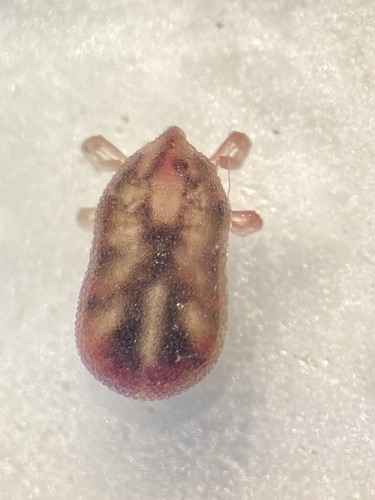
Ornithodoros hermsi
species of arachnid
Otobius
Otobius is a genus in the soft-bodied tick family, Argasidae. While similar to the genus Ornithodoros, it is characterized by a vestigial hypostome in adults, despite being developed in nymphs, in addition to the absence of both eyes and hood.

Dermacentor circumguttatus
species of arachnid
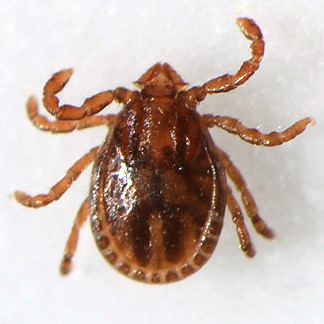
Haemaphysalis leporispalustris
species of arachnid
Haemaphysalis hystricis
species of arachnid
Antricola
Antricola is a genus of soft ticks in the family Argasidae.

Rhipicephalus annulatus
species of arachnid
Haemaphysalis spinigera
species of arachnid
Deinocroton
Deinocroton is an extinct genus of tick. It is known from four species found in Burmese amber, dating to the earliest part of the Cenomanian stage of the Late Cretaceous, around 99 million years ago.
Dermacentor auratus
species of arachnid
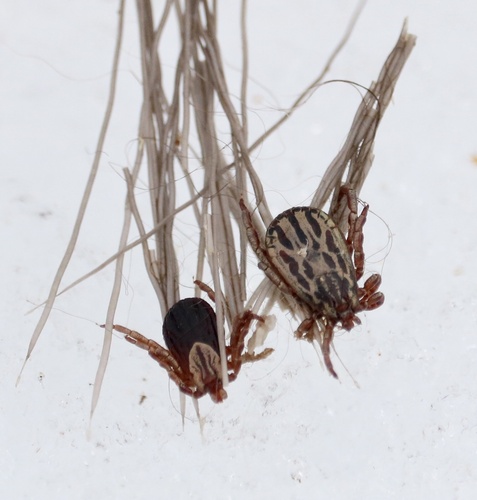
Dermacentor albipictus
species of arachnid
Amblyomma triste
species of arachnid
Hyalomma truncatum
species of arachnid
Otobius megnini
species of arachnid
Ornithodoros turicata
species of arachnid
Haemaphysalis minuta
species of arachnid
Ornithodoros savignyi
species of arachnid
Argas africolumbae
species of arachnid
Nuttalliella
Nuttalliella is genus of tick. It contains a single living species, Nuttalliella namaqua found in southern Africa, having been reported from Tanzania, Namibia and South Africa, with fossil species of the genus having been reported from the mid-Cretaceous (~100 million years ago) Burmese amber of Myanmar.' It is the only living member of the family Nuttalliellidae''', and the most primitive living lineage of tick. It can be distinguished from ixodid ticks and argasid ticks by a combination of characteristics including the position of the stigmata, lack of setae, strongly corrugated integument,
Argas keiransi
species of arachnid
Haemaphysalis aculeata
species of arachnid
Argas walkerae
species of arachnid
Ornithodoros alactagalis
species of arachnid
Haemaphysalis hispanica
species of arachnid
Ornithodoros moubata
species of tick
Haemaphysalis cuspidata
species of arachnid
Haemaphysalis intermedia
species of arachnid
Haemaphysalis pospelovashtromae
species of arachnid
Antricola marginatus
species of arachnid
Haemaphysalis luzonensis
species of arachnid

Haemaphysalis bispinosa
species of arachnid
Haemaphysalis anomala
species of arachnid
Haemaphysalis turturis
species of arachnid
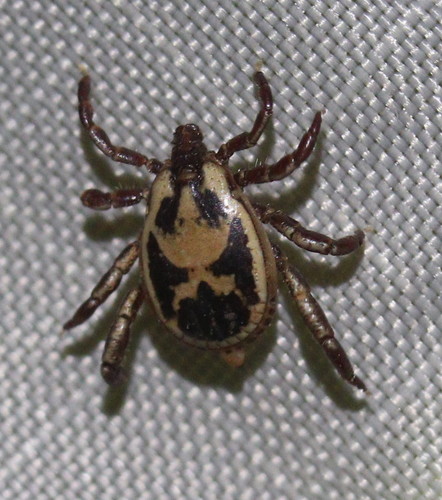
Rhipicephalus pulchellus
species of arachnid
Cosmiomma
Cosmiomma is a genus of ticks first discovered by Paul Schulze in 1919. It is monospecific, being represented by the single species Cosmiomma hippopotamensis. It was first described in 1843 by Henry Denny from specimens collected from a hippopotamus in Southern Africa, and has been called "one of the most unusual, beautiful, and rare tick species known to the world."
Otobius lagophilus
species of arachnid
Rhipicephalus gertrudae
species of arachnid

Carios
Carios is a genus of soft ticks belonging to the family Argasidae. The genus has a cosmopolitan distribution.
Margaropus reidi
species of arachnid