Category
page 1Tiling

Dome of the Rock
Islamic building in Al-Aqsa, Jerusalem
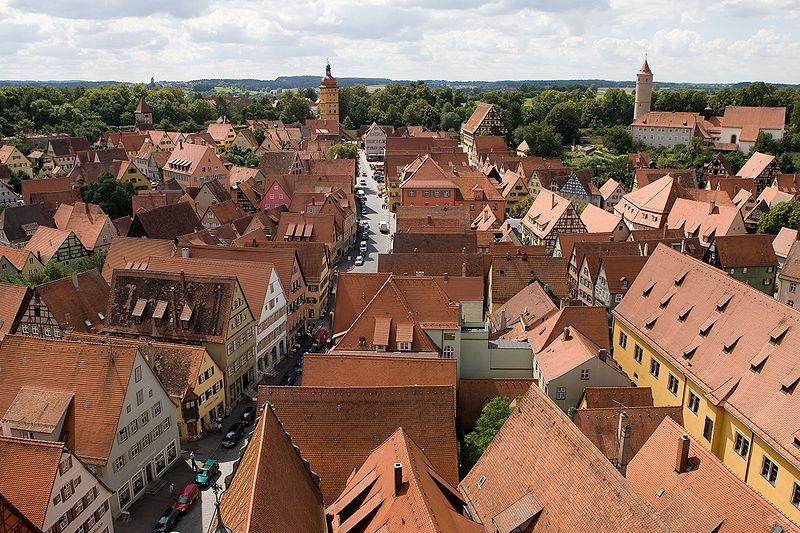
roof tile
tile designed mainly to keep out rain

mural
thumb|upright|Ceiling painting, by Jean-André Rixens. Salle des Illustres, Le Capitole, Toulouse, France
thumb|350px|prehistoric Egypt|Prehistoric Egyptian mural painted on a [[Nekhen tomb wall with aspects in the Gerzeh culture style]]
A mural is any piece of graphic artwork that is painted or applied directly to a wall, ceiling or other permanent substrate. Mural techniques include fresco, mosaic, graffiti and marouflage.

tile
Tiles are usually thin, square or rectangular coverings manufactured from hard-wearing material such as ceramic, stone, metal, baked clay, or even glass. They are generally fixed in place in an array to cover roofs, floors, walls, edges, or other objects such as tabletops. Alternatively, tile can sometimes refer to similar units made from lightweight materials such as perlite, wood, and mineral wool, typically used for wall and ceiling applications. In another sense, a tile is a construction tile or similar object, such as rectangular counters used in playing games (see tile-based game). The w

Ishtar Gate
eighth gate to the inner city of Babylon

Shah Mosque
mosque in Isfahan, Iranian national heritage site

azulejo
275px|thumb|right|Panel of the Battle of Aljubarrota by Portuguese artist [[Jorge Colaço, 1922]]
'''' (, ; from the Arabic ) is a form of Iberian painted tin-glazed ceramic tilework. They are an ornamental art form, but also had a specific function, such as aiding temperature control in homes.
There is also a tradition of their production in former Portuguese and Spanish colonies in North America, South America, the Philippines, Goa, Lusophone Africa, East Timor, and Macau. Azulejos constitute a major aspect of Portuguese and Spanish architecture to this day, and are found on buildings across

Delftware
thumb|Vase in a Japanese style, , Delft
thumb|upright=1.2|Window display of Delftware in the market place, Delft
Delftware or Delft pottery, also known as Delft Blue () or as delf, is a general term now used for Dutch tin-glazed earthenware, a form of faience. Most of it is blue and white pottery, and the city of Delft in the Netherlands was the major centre of production, but the term covers wares with other colours, and made elsewhere. It is also used for similar pottery, English delftware.
İznik pottery
type of decorated ceramic
Jameh Mosque of Yazd
mosque in Yazd, Iranian national heritage site

zellij
thumb|A wall covered in zellīj at the Ben Youssef Madrasa in Marrakesh
Zellij (), also spelled zillij or zellige, is a style of mosaic tilework made from individually hand-chiseled tile pieces. The pieces were typically of different colours and fitted together to form various patterns on the basis of tessellations, most notably elaborate Islamic geometric motifs such as radiating star patterns composed of various polygons. This form of Islamic art is one of the main characteristics of architecture in the western Islamic world. It is found in the architecture of Morocco, the architecture of Alg
Jameh Mosque of Qazvin
mosque in Qazvin, Iranian national heritage site
cement tile
Handmade decorative sand-and-cement inlay tiles used for floors and walls
cuerda seca
technique used when applying coloured glazes to ceramic surfaces
ceramic tile
tiles made of ceramic material
Qashani
thumb|Model of typical Qashani tile work consists of floral and geometrical patterns.
Qashani or Kashani is a Persian decorative art which had been popular in Iran in the 16th to 18th century, and then moved to Turkey in the time of the Ottomans with the transfer of many Persians artists to Turkey, becoming the basis for decorating the walls of mosques, palaces, shrines and tombs. It is a square-shaped ceramic tile which uses Persian-like floral-depicting 4- or 6-sided glazed tiles, decorated with blue, cyan, green and sometimes red colors. The decoration is surrounded by fine black lines that