Category
page 1Tokugawa clan
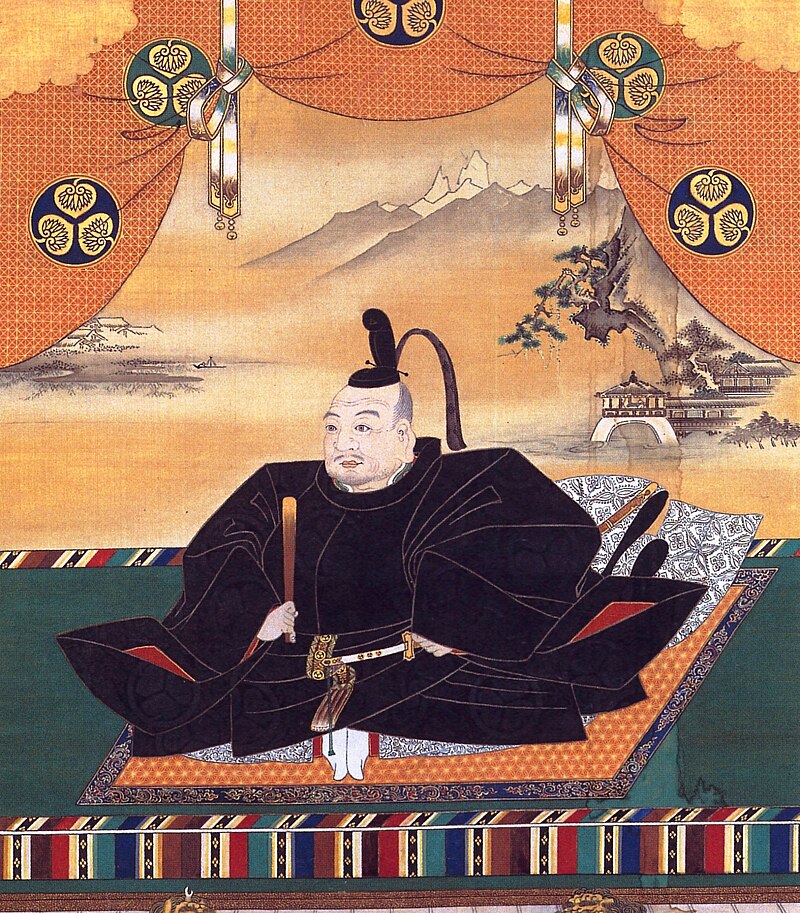
Tokugawa Ieyasu
founder and first shogun of the Tokugawa shogunate of Japan (1543–1616)

Tokugawa Yoshinobu
15th and last shogun of the Tokugawa shogunate (1837–1913)

Nagoya Castle
Japanese castle located in Nagoya, central Japan
Tokugawa Iemitsu
The third shogun of the Tokugawa shogunate of Japan (1604–1651)
Tokugawa Yoshimune
The eighth shogun of the Tokugawa shogunate of Japan (1684-1751)
Tokugawa Iemochi
Japanese shogun (1846–1866)
Tokugawa Hidetada
The second shogun of the Tokugawa shogunate of Japan (1579–1632)
Tokugawa clan
noble family
Tokugawa Ieharu
Japanese shogun
Tokugawa Ieyoshi
Japanese shogun (1793–1853)
Tokugawa Ieshige
Tokugawa shogun (1712-1761)
Tokugawa Iesada
Edo shogun (1824-1858)
Tokugawa Ienari
Japanese shogun
Tokugawa Ietsuna
Tokugawa shogun (1641-1680)
Nijō Castle
castle in Kyoto, Japan
Tokugawa Ietsugu
The seventh shogun of the Tokugawa shogunate of Japan (1709-1716)
Tokugawa Ienobu
The sixth shogun of the Tokugawa shogunate of Japan (1662-1712)
Matsudaira Sadanobu
[松平定信] Daimyo and Roju (1759-1829)
Matsudaira clan
Japanese samurai clan
Kikuko, Princess Takamatsu
Japanese princess (1911-2004); wife of Nobuhito, Prince Takamatsu

Senhime
thumb|320px|Portrait of Senhime
, or Lady Sen, was the eldest daughter of the samurai, daimyo and shōgun Tokugawa Hidetada and later the wife of Toyotomi Hideyori. She was remarried to Honda Tadatoki after the death of her first husband. Following the death of her second husband, she later became a Buddhist nun under the name of .
Tokugawa Masako
Japanese empress. daughter of Tokugawa Hidetada
Chikako, Princess Kazu
Japanese princess; youngest daughter of Emperor Ninkō and his concubine, Hashimoto Tsuneko
Shinpan daimyo
in Edo-period Japan, the first among the three classes of daimyo, consisting of certain (but not all) relatives of the Tokugawa shōguns
Tokugawa Iesato
Japanese politician (1863-1940)

Lady Saigō
Japanese consort
Iemasa Tokugawa
Japanese politician (1884-1963)
Matsudaira Tadayoshi
[松平忠吉] son of Tokugawa Ieyasu
Matsudaira Nobuyasu
[松平信康] son of Tokugawa Ieyasu
Matsudaira Tadateru
Japanese feudal lord (1592–1683)
Yūki Hideyasu
Japanese daimyo who lived during the Azuchi-Momoyama and early Edo periods

Oeyo
, , or : 1573 – September 15, 1626) was a noblewoman in Japan's Azuchi–Momoyama period and early Edo period. She was a daughter of Oichi and the sister of Yodo-dono and Ohatsu. When she rose to higher political status during the Tokugawa shogunate, she took the title of "Ōmidaidokoro". Following the fall of the Council of Five Elders, Oeyo and her sisters were key figures in maintaining a diplomatic relationship between the two most powerful clans of their time, Toyotomi and Tokugawa. Due to her great contributions to politics at the beginning of the Edo period she was posthumously inducted in

Tenshō-in
, also known as '''', was the official wife of , the 13th shōgun'' of the Tokugawa shogunate of Japan. She was the daughter of Lady Oyuki and , who was the head of the branch of the Shimazu in Satsuma.

Komatsuhime
'''' (1573 – March 27, 1620) was a female warrior (onna-musha'') during the Azuchi-Momoyama period and early Edo period. Born the daughter of Honda Tadakatsu, she was adopted by lord Tokugawa Ieyasu, before marrying Sanada Nobuyuki. She is described as having been very beautiful, highly intelligent and skillful in fighting.

Tokugawa Gosanke
thumb|right|''Maru-ni-mitsuba'aoi'' ("Circle Around Three Hollyhock Leaves"), the Tokugawa clan's crest (mon)
The , also called simply , or even , were the most noble three branches of the Tokugawa clan of Japan: Owari, Kii, and Mito, all of which were descended from clan founder Tokugawa Ieyasu's three youngest sons, Yoshinao, Yorinobu, and Yorifusa, and were allowed to provide a shōgun in case of need. In the Edo period the term gosanke could also refer to various other combinations of Tokugawa houses, including (1) the shogunal, Owari and Kii houses and (2) the Owari, Kii, and Suruga houses
Tokugawa Tadanaga
daimyo (1606-1634)
Yoshitoshi Tokugawa
Japanese general (1884–1963)
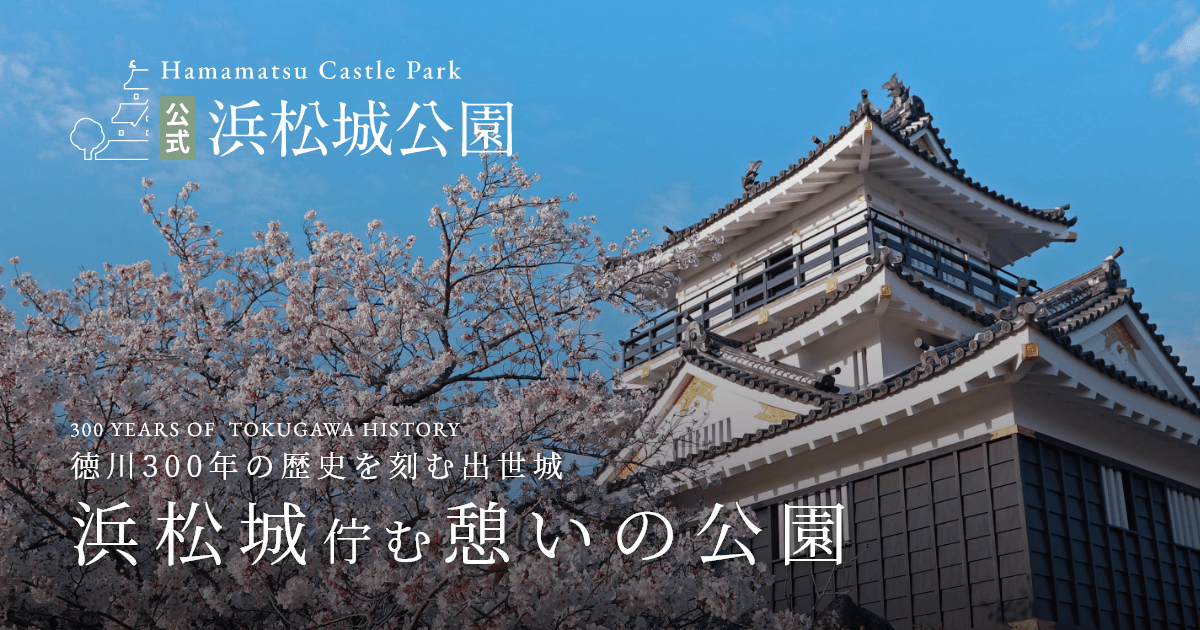
Hamamatsu Castle
fortification
Tokugawa Akitake
Japanese noble (1853–1910)
Takeda Nobuyoshi
son of Tokugawa Ieyasu. nominal successor of Takeda clan
Hoshina Masayuki
daimyo of the early Edo period; 1st lord of Aizu

Toku-hime
daughter of Tokugawa Ieyasu; wife of Hōjō Ujinao, Ikeda Terumasa
Tokugawa Tsunenari
Japanese businessman
Matsudaira Yoshinaga
daimyo of the late Edo period; 16th lord of Fukui (1828-1890)
Tokugawa Munetake
samurai

Tokugawa Yoshinobu family
Japanese noble house
Sunpu Domain
Japanese historical estate in Suruga province
Toku-hime
[徳姫] daughter of Oda Nobunaga; wife of Matsudaira Nobuyasu
Tokugawa Munetada
Japanese samurai (1721-1765)
Gosankyō
The were three branches of the Tokugawa clan of Japan. They were descended from the eighth of the fifteen Tokugawa shōguns, Yoshimune (1684–1751). Yoshimune established the Gosankyo to augment (or perhaps to replace) the Gosanke, the heads of the powerful han (fiefs) of Owari, Kishū, and Mito. Two of his sons, together with the second son of his successor Ieshige, established the Tayasu, Hitotsubashi, and Shimizu branches of the Tokugawa. Unlike the Gosanke, they did not rule a han. Still, they remained prominent until the end of Tokugawa rule, and some later shōguns were chosen from the
Matsudaira Sadaaki
[松平定敬] daimyo of the late of Edo period; lord of Kuwana
Ichijō Mikako
Japanese noble woman, and wife of Tokugawa Yoshinobu
Tokugawa Tsunashige
daimyo of the early-Edo period, lord of Kofu. father of Shogun Tokugawa Ienobu

Kame-hime
Kamehime (, 27 July 1560 – 1 August 1625) was the eldest daughter of Tokugawa Ieyasu, the founder and first shogun of the Tokugawa Shogunate of Japan, with his first wife, Lady Tsukiyama. She was the wife of Okudaira Nobumasa. She is primarily recognized as the eldest offspring of Ieyasu, notable for her active participation in the Siege of Nagashino and her significant role in the events leading to the downfall of Honda Masazumi.
Shitennō
group of Japanese samurai
Odai no kata
mother of Tokugawa Ieyasu
Iehiro Tokugawa
Japanese author and translator
Tatebayashi Domain
Japanese administrative area of the Edo period
Tsukiyama-dono
Japanese noble
Tokugawa Mitsutomo
daimyo