Category
page 1Toy controversies

Barbie
Barbie is a fashion doll franchise created by American businesswoman Ruth Handler, manufactured by American toy and entertainment company Mattel and introduced on March 9, 1959. The toy was based on the German Bild Lilli doll which Handler had purchased while in Europe. The figurehead of an eponymous brand that includes a range of fashion dolls and accessories, Barbie has been an important part of the toy fashion doll market for over six decades. Mattel has sold over a billion Barbie dolls, making it the company's largest and most profitable line. The brand has expanded into a multimedia franc

Labubu
Labubu ( ; ) is a line of collectible plush toys created by Hong Kong illustrator Kasing Lung. The series features zoomorphic elves with exaggerated facial expressions, of which the central figure is Labubu, a monster with sharp teeth, large ears and a scruffy appearance.
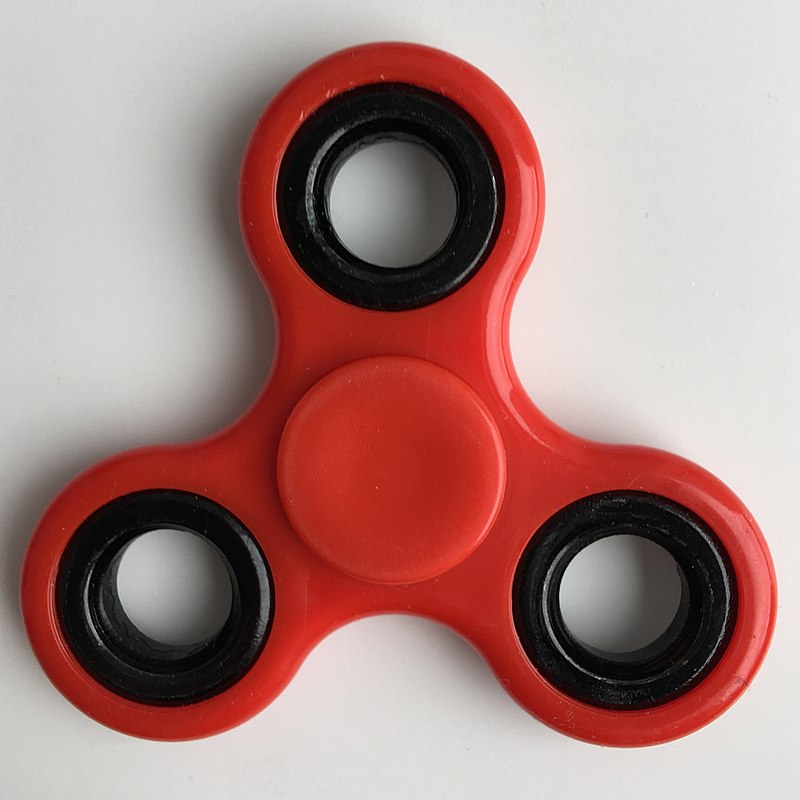
fidget spinner
spinning toy

Tamagotchi
thumb|Current logo of the Tamagotchi brand
is a brand of handheld digital pets marketed since 1996 by Japanese toymaker Bandai, a division of Bandai Namco Holdings. Most Tamagotchi are housed in a small egg-shaped handheld video game with an interface consisting of three buttons, with the goal of raising the pet as it goes through different life stages.

Bratz
Bratz is an American fashion doll and media franchise created by former Mattel employee Carter Bryant for MGA Entertainment, which first introduced in Spring 2001. Bratz continued to be popular during the early 2000s.
digital pet
type of artificial human companion

Al Snow
American professional wrestler, promoter, trainer and actor

BIONICLE
Bionicle (stylized in all caps) is a discontinued line of Lego construction toys marketed primarily towards 8- to 16-year-olds. The line was launched in 2001, originally as a subsidiary of Lego's Technic series called Constraction; a portmanteau of "construction" and "action figure". Constraction figures were introduced in the 1999 Lego theme, Slizer (or Throwbots in the United States), and are characterized by combining Technic elements, ball and socket joints, and stylized Lego pieces to look like traditional action figures. Over the following decade, Bionicle became one of the company's big
LEGO Friends
LEGO product range
toy weapon
images and copies of real weapons made for playing

Golliwogg
thumb|A golliwog in the form of a child's soft play toy
thumb|alt=A racist drawing depicting a black rag doll with a big, black head, sitting in a rocking chair, with three white children standing by (as seen in the Beaton household).|Florence Kate Upton's Golliwogg in formal minstrel attire in The Adventures of Two Dutch Dolls and a Golliwogg in 1895
The golliwog, also spelled golliwogg or shortened to golly, is a doll-like play character, created by cartoonist and author Florence Kate Upton, which appeared in children's books in the late 19th century, usually depicted as a type of rag doll.

Ryan’s World
YouTube channel
My Scene
fashion doll series
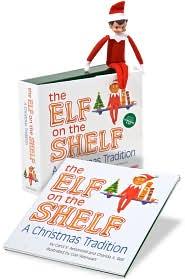
The Elf on the Shelf
2005 picture book by Carol Aebersold and Chanda Bell
Silly Bandz
shaped rubber bands
American Girl
American line of 18-inch dolls
smart toy
toy which can learn, behave according to pattern, and alter its actions depending on environmental stimuli using on-board electronics
Skipper
doll manufactured by Mattel
Tickle Me Elmo
Muppet character children's plush toy
Living Dead Dolls
line of horror dolls
Lufsig
thumb|Five Lufsig dolls inside an IKEA store in Taipei, Taiwan
Lufsig is a stuffed toy wolf sold at Swedish furniture chain IKEA. The toy, designed by German designer , is inspired by the fairy tale "Little Red Riding Hood" as a representation of the Big Bad Wolf. The plush was sold as part of IKEA's annual Soft Toys for Education campaign, where the company donates a portion from each toy sold towards various causes. The name "Lufsig" is derived from the Swedish verb "lufsa", meaning "to lumber", and its transliterated Chinese name sounds similar to a profanity when pronounced in Cantonese.