Category
page 1Traditions involving fire

Diwali
Dipavali (IAST: ), commonly known as Diwali (), is the Hindu festival of lights, with variations celebrated in other Indian religions such as Jainism and Sikhism. It symbolises the spiritual victory of Dharma over Adharma, light over darkness, good over evil, and knowledge over ignorance. Diwali is celebrated during the Hindu lunisolar months of Ashvin (according to the amanta tradition) and Kārtika – between around mid-October and mid-November. The celebrations generally last five or six days.
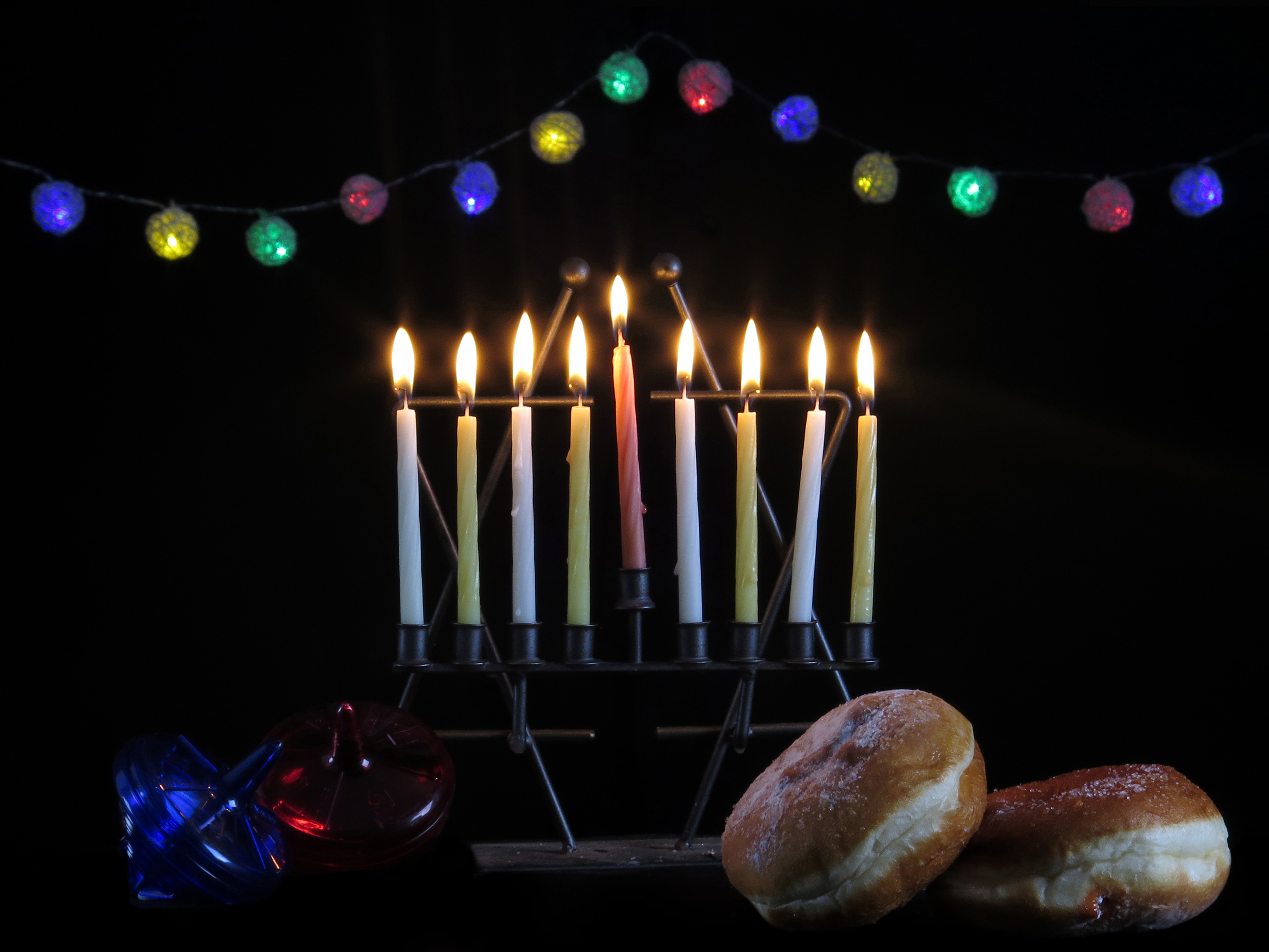
Hanukkah
thumb|Hanukkah table

Holi
Holi () is a major Hindu festival of colours, love, and spring. It celebrates the love between the deities Radha and Krishna.
Additionally, the day signifies the triumph of good over evil, as it commemorates the victory of Vishnu as Narasimha over Hiranyakashipu.
Holi originated in ancient Indian subcontinent and is predominantly celebrated in the Indian subcontinent, but has also spread to other regions of Asia and parts of the Western world.

sati
funerary women sacrifice

Olympic flame
symbol of Olympic Games

Walpurgis Night
Germanic festival celebrating the start of summer

death by burning
execution method

bonfire
thumb|A midsummer bonfire in [[Seurasaari, Helsinki, Finland]]
thumb|On the beaches of Duindorp (pictured) and [[Scheveningen, both part of The Hague, teams annually compete to build the world's largest bonfire]]

Burning Man
annual experimental festival based in Nevada, United States

self-immolation
thumb|Thích Quảng Đức protesting the persecution of Buddhists in South Vietnam by self-immolation on 11 June 1963.

Vijayadashami
Vijayadashami (), more commonly known as Dasara, or Dassahra, and also known as Dashāhra or Dashain in Bhojpuri, Maithili and Nepali, is a major Hindu festival celebrated every year at the end of Durga Puja and Navaratri. It is observed on the tenth day of the waxing moon (Shukla Paksha) in the month of Ashvin, the seventh in the Hindu lunisolar calendar, and falls in the Gregorian calendar months of September and October.

Falles
The Fallas (; ) is a traditional celebration held annually in the city of Valencia, Spain; it is the patronal festival of the town. The five main days celebrated are from 15 to 19 March, while the Mascletà, a pyrotechnic spectacle of firecracker detonation, takes place every day from 1 to 19 March. The term Fallas refers to both the celebration and the Falla monuments (Falla, singular; Fallas/, plural) burnt during the celebration. The Fallas (Falles in Valencian) festival was added to UNESCO's intangible cultural heritage of humanity list on 30 November 2016. A number of towns in the Valencia
Chaharshanbe Suri
fire jumping festival, celebrated in Iran, Tajikistan and Afghanistan
.jpg)
firewalking
thumb|right|260px|Firewalking in Sri Lanka
Firewalking is the act of walking barefoot over a bed of hot embers or stones. It has been practiced by many people and cultures in many parts of the world, with the earliest known reference dating from Iron Age India . It is often used as a rite of passage, as a test of strength and courage, and in religion as a test of faith.
thumb|260px|Firewalking festival in Japan, 2016

moxibustion
thumb|upright|Moxibustion in Michael Bernhard Valentini's Museum Museorum (Frankfurt am Main, 1714)

Lohri
Lohri is a midwinter folk and harvest festival that marks the passing of the winter solstice and the end of winter. It is a traditional welcome of longer days and the sun's journey to the Northern Hemisphere. It is one of the Indian harvest festivals observed on or near Makar Sankranti (in the month of Magha in the Indian calendar) and falls on the night before Maghi (in the month of Magh in the Punjabi calendar) which commonly falls on 13 January every year. It is celebrated primarily in the Punjab region of India and Pakistan and also other regions of northern India such as Duggar and Jammu
Yule log
specially selected log burnt on a hearth as a Christmas tradition in parts of Europe
Homa
offering made into fire in Indian religions

Agnihotra
Agnihotra (IAST: Agnihotra, Devnagari: अग्निहोत्र) refers to the yajna of offering ghee into the sacred fire as per strict rites, and may include twice-daily heated milk offering made by those in the Śrauta tradition. The ritual has been described by P.E. Dumont as a "fertility charm", and as a "solar charm" which symbolically preserved and created the sun at nightfall and sunrise.
Bride burning
form of domestic violence
Holika Dahan
Hindu festival
wicker man
effigy for burning in pagan ritual
Burning of Judas
easter-time Christian ritual

Theyyam
thumb|Kathivanoor VeeranTheyyam also known as Kaliyattam, is an Indian ritual practised in the North Malabar Region of Kerala and some parts of neighbouring Karnataka.
Badnjak
Up Helly Aa
Local festival celebrated in Shetland, Scotland
Olympic torch relay
ceremonial relaying of the Olympic flame from Olympia, Greece, to the site of an Olympic Games
.jpg)
effigy
upright=1.2|thumb|Burning of Judas|Burning of Judas Iscariot, Brazil, 1909
thumb|upright=1.2|Effigy of Ravana, a figure from the [[Ramayana, with burning sparklers, in Manchester, England, in 2006]]
An effigy is a sculptural representation, often life-size, of a specific person or a prototypical figure. The term is mostly used for the makeshift dummies used for symbolic punishment in political protests and for the figures burned in certain traditions around New Year, Carnival and Easter. In European cultures, effigies were used in the past for punishment in formal justice when the perpetrator

Need-fire
thumb|300px|A drawing of a need-fire being kindled with a large Fire drill (tool)|fire drill.
thumb|300px|A modern Rodnovery need-fire drill in Russia
In European folklore, a need-fire (; , , , ) is a fire kindled by friction, which is lit in a ritual and used as protective magic against murrain (infectious diseases affecting cattle), plague and witchcraft. It was a tradition in parts of Europe, practiced by Germanic, Gaelic and Slavic peoples until the 19th century, and by Albanians until the 20th century.

Sechseläuten
The Sechseläuten (Zürich German: Sächsilüüte, "The six o'clock ringing of the bells") is a traditional spring holiday in the Swiss city of Zürich celebrated in its current form, usually on the 3rd Monday of April, since the early 20th century.
Çarşemba sor
Yezidi New Year celebrations

cross burning
in Ku Klux Klan tradition
Dol Purnima
Indian Holi festival
Anastenaria
thumb|Firewalkers in Bulgaria
The Anastenaria (, ) is a traditional barefoot firewalking ritual with ecstatic dance performed in some villages in Northern Greece and Southern Bulgaria. The communities which celebrate this ritual are descended from refugees who entered Greece from Eastern Thrace following the Balkan Wars of 1911–12 and the Population exchange between Greece and Turkey in 1923.
Magh Bihu
Traditional Harvest Festival of Assamese People
New Fire ceremony
Aztec religious ceremony of renewal held every 52 years
Eleventh Night
Ulster Protestant celebration in Northern Ireland
Newroz as celebrated by Kurds
Kurdish new year holiday
Devil's Night
October 30, a night of vandalism and other mischief in some parts of the United States
Toro embolado
Festive activity in Spain
Mascletà
thumb|Video of the mascletà in Valencia's Town Hall Square on 18 March 2023
thumb|alt=Mascletá of Fallas de Alcira|Fallas in the Valencian city of Alzira.
A mascletà (pronounced in Valencian: [maskleˈta]) is a pyrotechnic event characterized by the achievement of a noisy and rhythmic composition that features, particularly during daytime, in street festivities; it is typical of the Valencian Community (Spain). It gets its name from the masclets (very loud firecrackers) that are tied by a wick to form a line or firework display. These are usually fastened at a medium height with ropes or raised
Timiti
thumb|A father fire walking with his child during the annual Tamil Hindu festival at [[Udappu village in Sri Lanka]]
cremà
160px|thumb|Cremà of a falla in Denia (Alicante).
Plantà
thumb|right|Finishing touches to the plantá of Cuba-Literato Azorín streets in 2013
The plantá (which comes from the verb to plant; in Valencian, plantà) is the act of erecting a Falla or bonfire monument, in the Fallas or the Bonfires of Saint John, festivals held respectively in March and June in different localities of the community of Valencia (Spain).The plantà is currently considered the exact moment when the falla or bonfire is completely finished and ready to be visited, with all its "ninots" (human figures made of combustible materials, such as cardboard or wood, which has a critical
Ong Yah worship
Fujianese and Taiwanese folk religion, frequently considered an aspect of Taoism
Bull of fire
Festive activity in which a metal frame with fireworks is carried among the public
Piano burning
instrument destruction type