Category
page 1Tricholomataceae
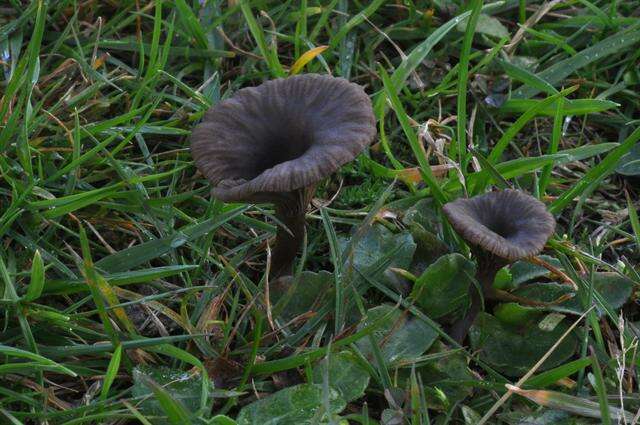
Tricholomataceae
The Tricholomataceae are a large family of fungi within the order Agaricales. Originally a classic "wastebasket taxon", the family included any white-, yellow-, or pink-spored genera in the Agaricales not already classified as belonging to e.g. the Amanitaceae, Lepiotaceae, Hygrophoraceae, Pluteaceae, or Entolomataceae.

Lepista personata
species of Agaricomycetes

Clitocybe phyllophila
species of fungus
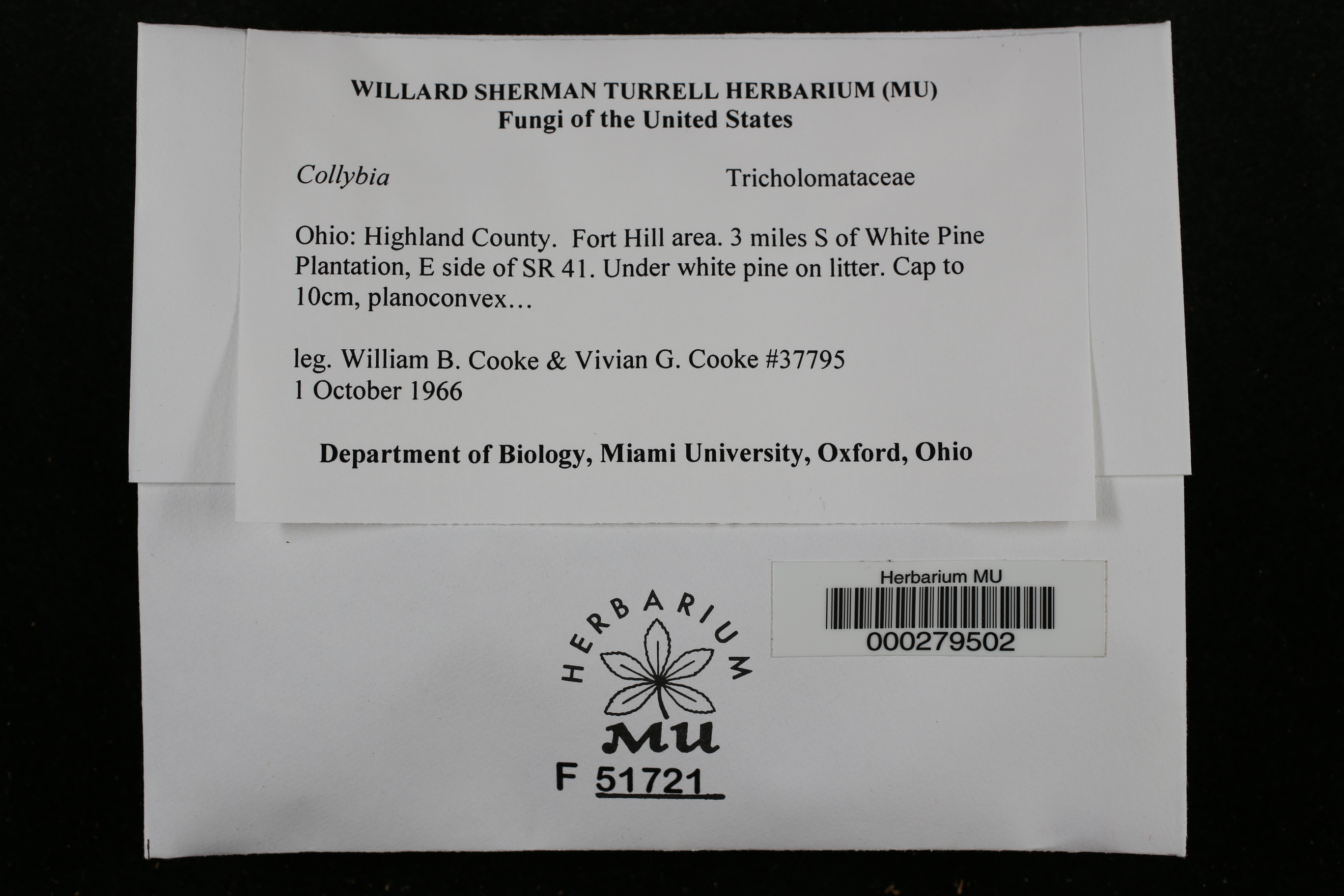
Collybia
thumb|Collybia phyllophila|Collybia phyllophila, the frosty funnel
thumb|Collybia nuda, the blewit
thumb|Collybia brunneocephala, the brown blewit
thumb|Collybia cirrhata, the piggyback shanklet
thumb|right|Collybia tuberosa, the lentil shanklet, grows on the decaying remains of other fungi or vegetation

Lepista sordida
species of fungus

Collybia cirrhata
species of fungus

Collybia cookei
species of fungus

Tricholomopsis
Tricholomopsis is a genus of fungi in the family Phyllotopsidaceae. Its best known member and type species is Tricholomopsis rutilans. The name means appearing like Tricholoma. The genus has a widespread distribution, and contains about 30 species. Tricholomopsis was described in 1939 by German mycologist Rolf Singer.

Melanoleuca melaleuca
species of fungus

Leucopaxillus
Leucopaxillus is a genus of fairly large white-spored gilled mushrooms which are found worldwide growing on the ground in woodlands. These are saprotrophs, but may sometimes be ectomycorrhizal. Less than ten species of Leucopaxillus are known to grow in North America. No species of Leucopaxillus are known to be poisonous, but they do not have an appealing taste or texture. The widespread genus contains about 15 species.

Melanoleuca grammopodia
species of fungus

Omphalina
Omphalina is a genus of small agarics with white, nonamyloid, basidiospores and decurrent gills. Typically the cap has a deep central depression giving the umbrella-like to funnel-shaped cap the appearance of a belly button, or a belly with a navel. Similarly-shaped agarics are said to be omphalinoid in appearance.

Ripartites tricholoma
species of fungus

Melanoleuca verrucipes
species of fungus

Collybia tuberosa
species of fungus

Omphalina pyxidata
species of fungus
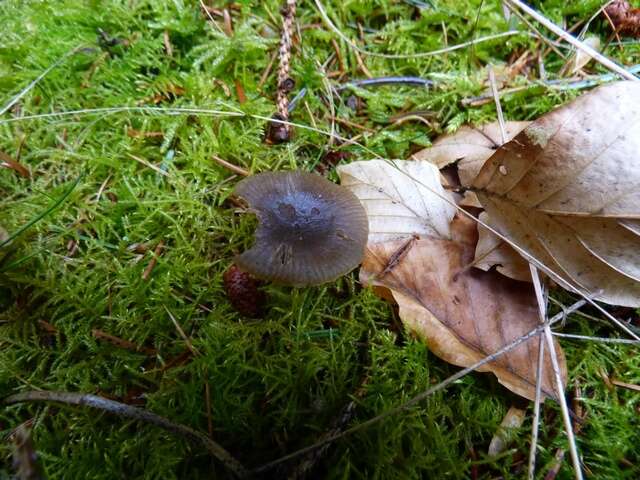
Omphaliaster
Omphaliaster is a genus of fungi in the family Tricholomataceae. The widespread genus contains seven species, predominantly in northern temperate regions.
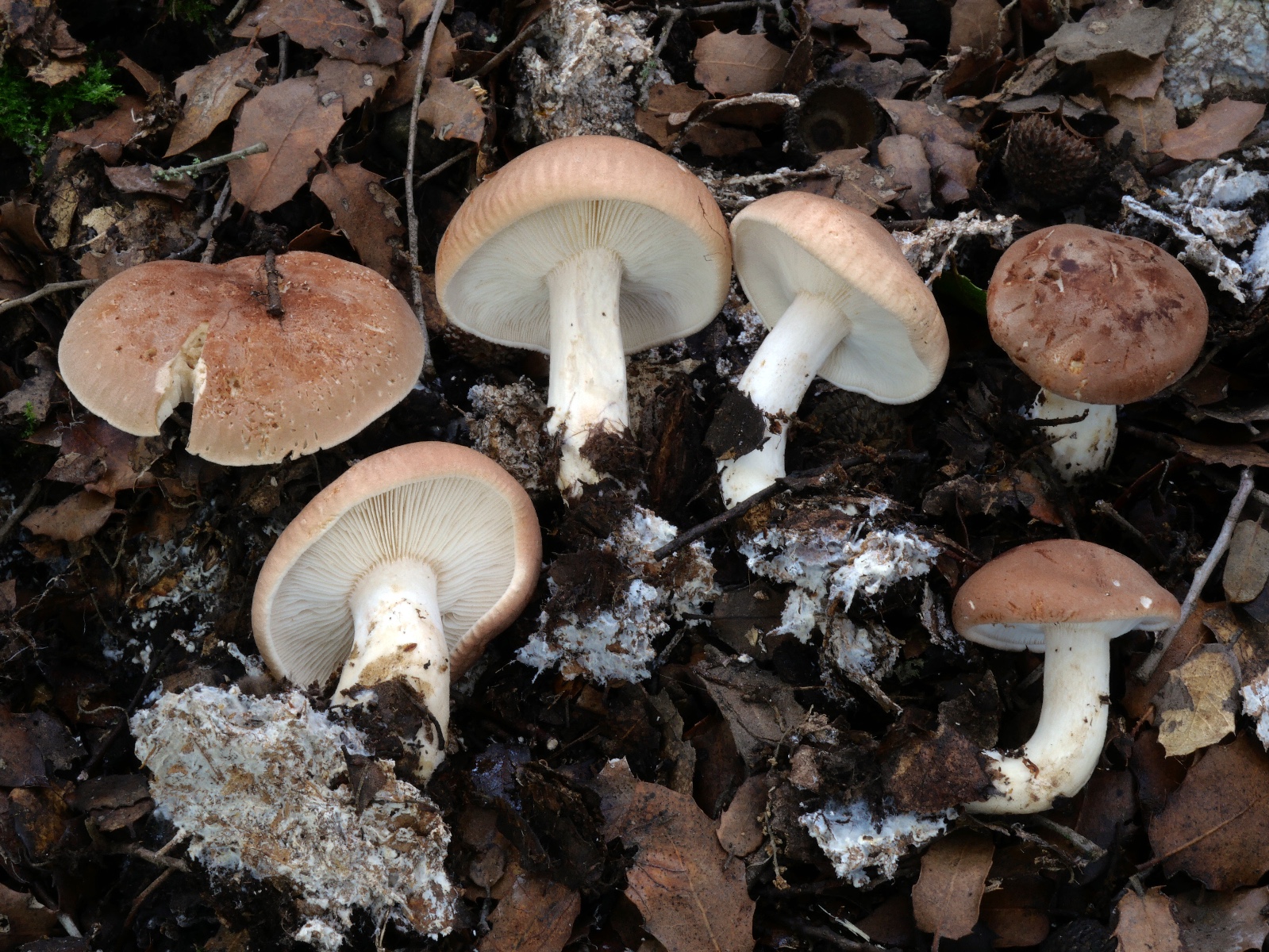
Leucopaxillus gentianeus
species of fungus
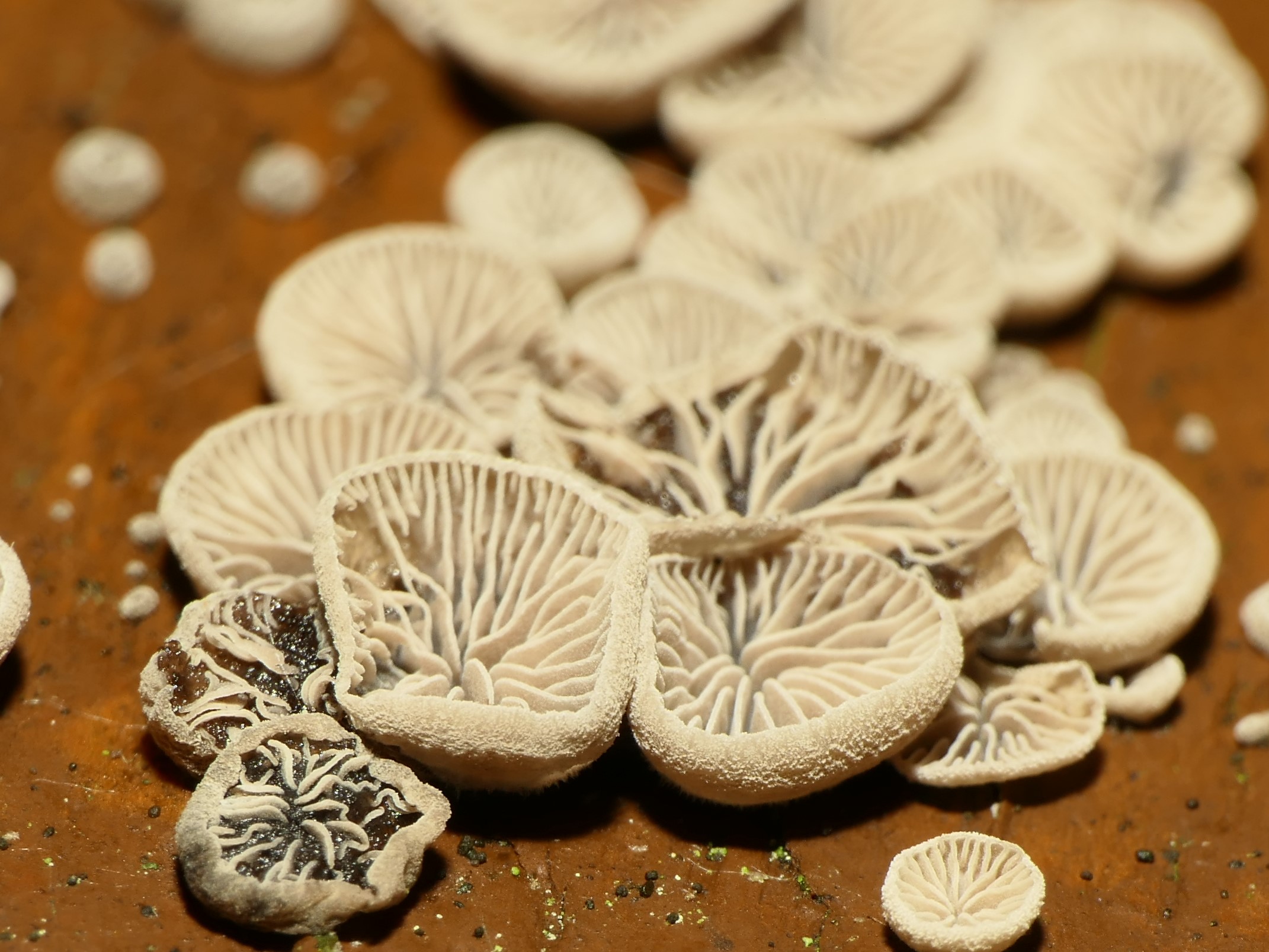
Resupinatus applicatus
species of fungus
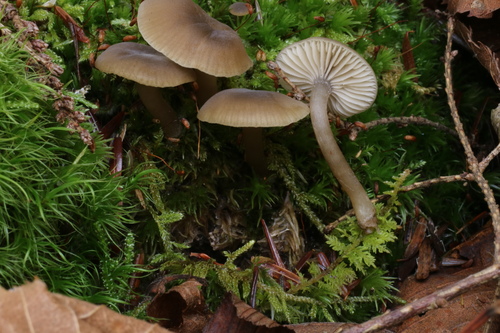
Gamundia
Gamundia is a genus of fungi in the family Tricholomataceae. The genus contains six species found in Europe and temperate regions of South America.
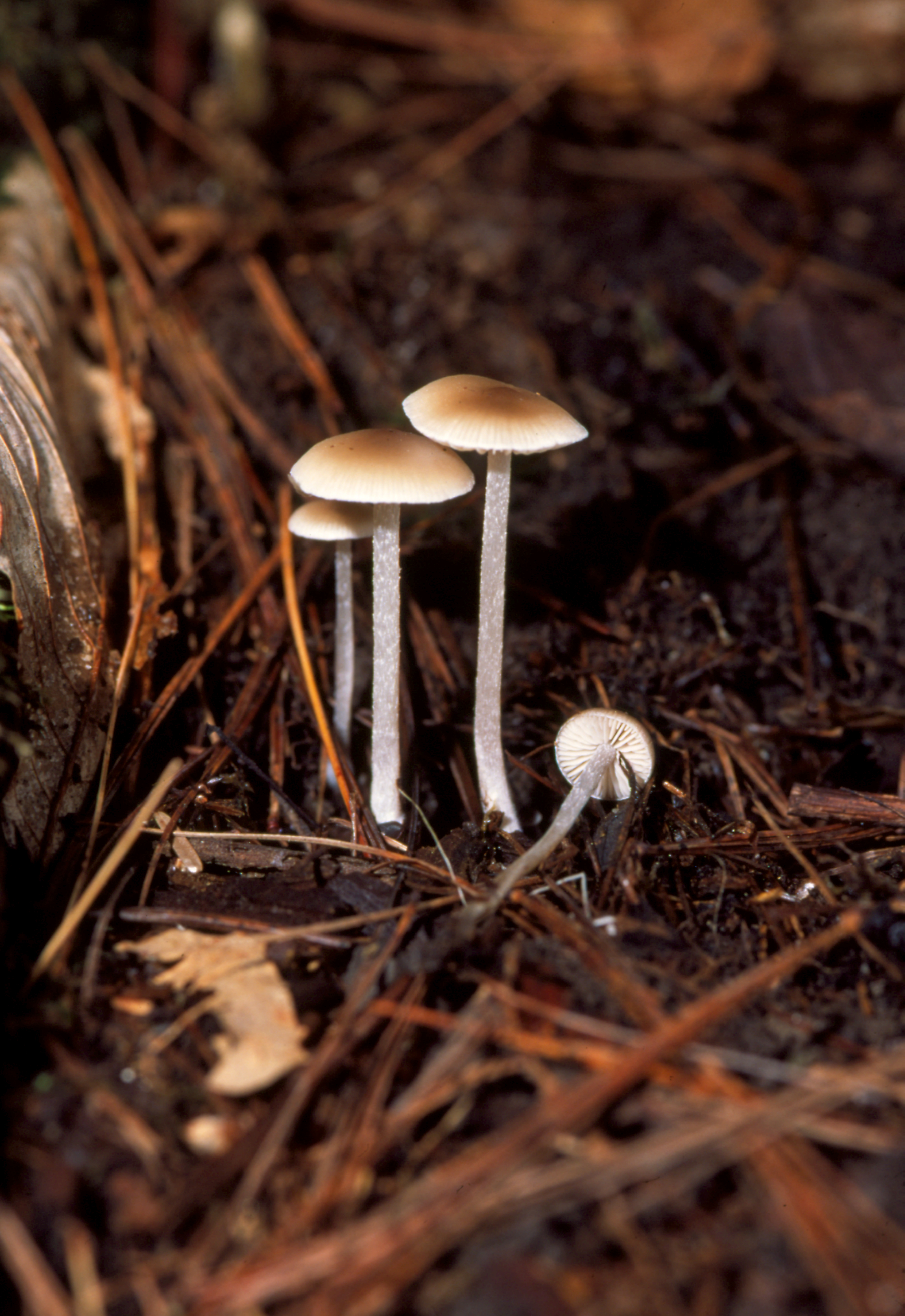
Mycenella
Mycenella is a genus of fungi in the family Tricholomataceae. The widespread genus contains 10 species, found mostly in temperate regions. Mycologist Rolf Singer circumscribed the genus in 1938.
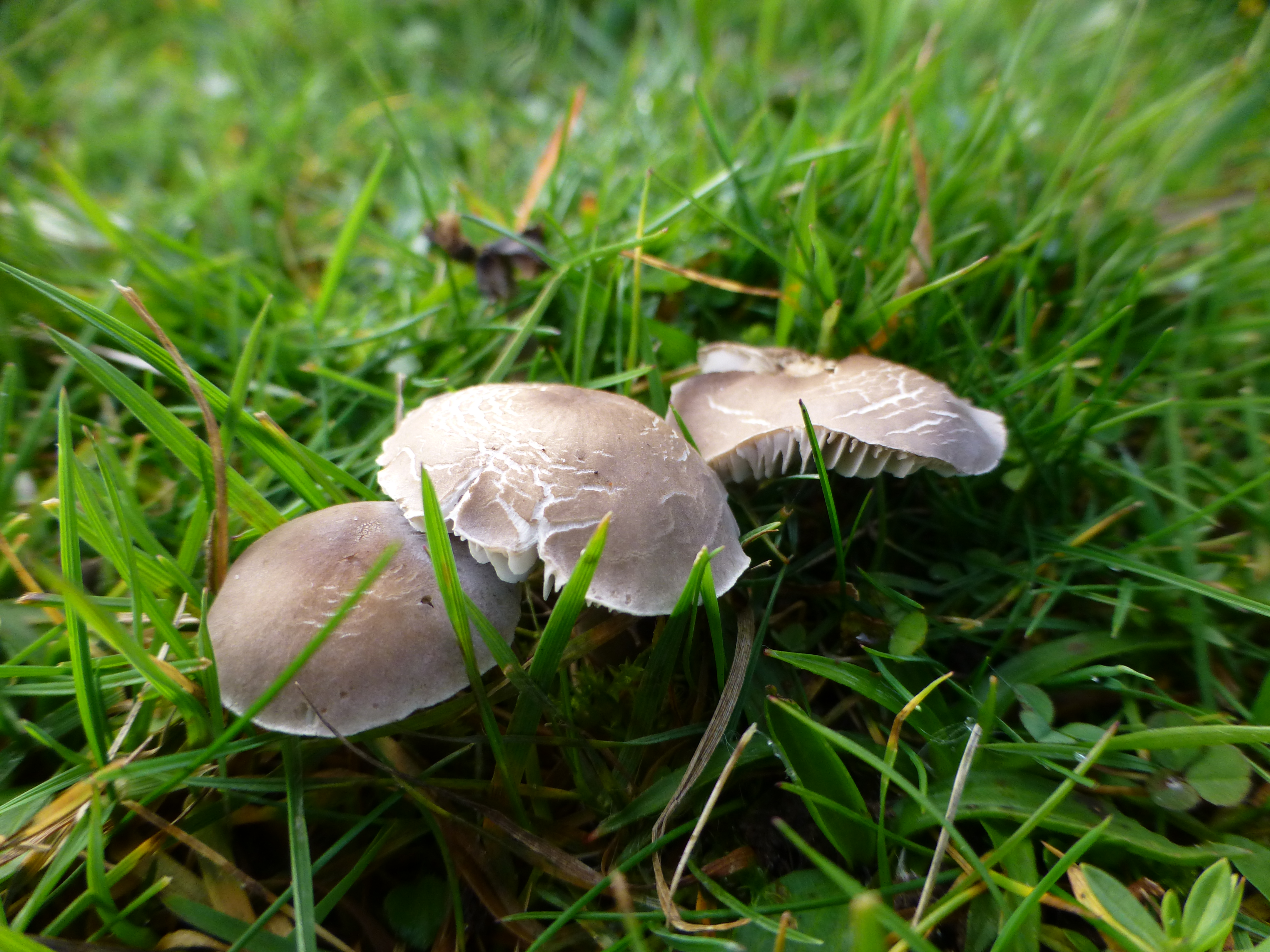
Dermoloma cuneifolium
species of fungus

Pseudobaeospora
Pseudobaeospora is a genus of fungi in the family Tricholomataceae. A 2008 estimate placed about 20 species in the widespread genus.
Fayodia
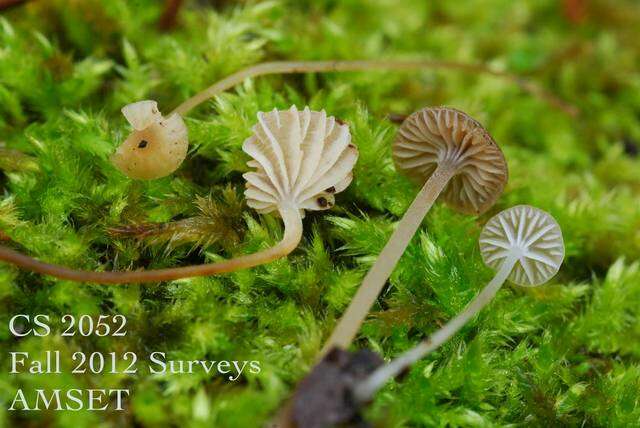
Fayodia is a genus of fungi in the family Tricholomataceae. It was first described by Robert Kühner in Bull. Bi-Mens. Soc. Linn. Lyon Vol.9 on page 68 in 1930, and the specific epithet honors the Swiss mycologist Victor Fayod (1860–1900). The widespread genus contains 10 species, mostly in the northern temperate regions.

Myxomphalia
Myxomphalia is a genus of fungi in the family Tricholomataceae. The genus has a widespread distribution in north temperate areas, and contains four species.
Lulesia
Lulesia is a genus of fungi in the family Tricholomataceae. The genus contains several species found in tropical regions.
Paralepista
Paralepista is a genus of mushrooms in family Tricholomataceae. Until 2012, its member species were generally assigned either to Lepista or to Clitocybe.

Leucopholiota decorosa
species of fungus
Ripartites
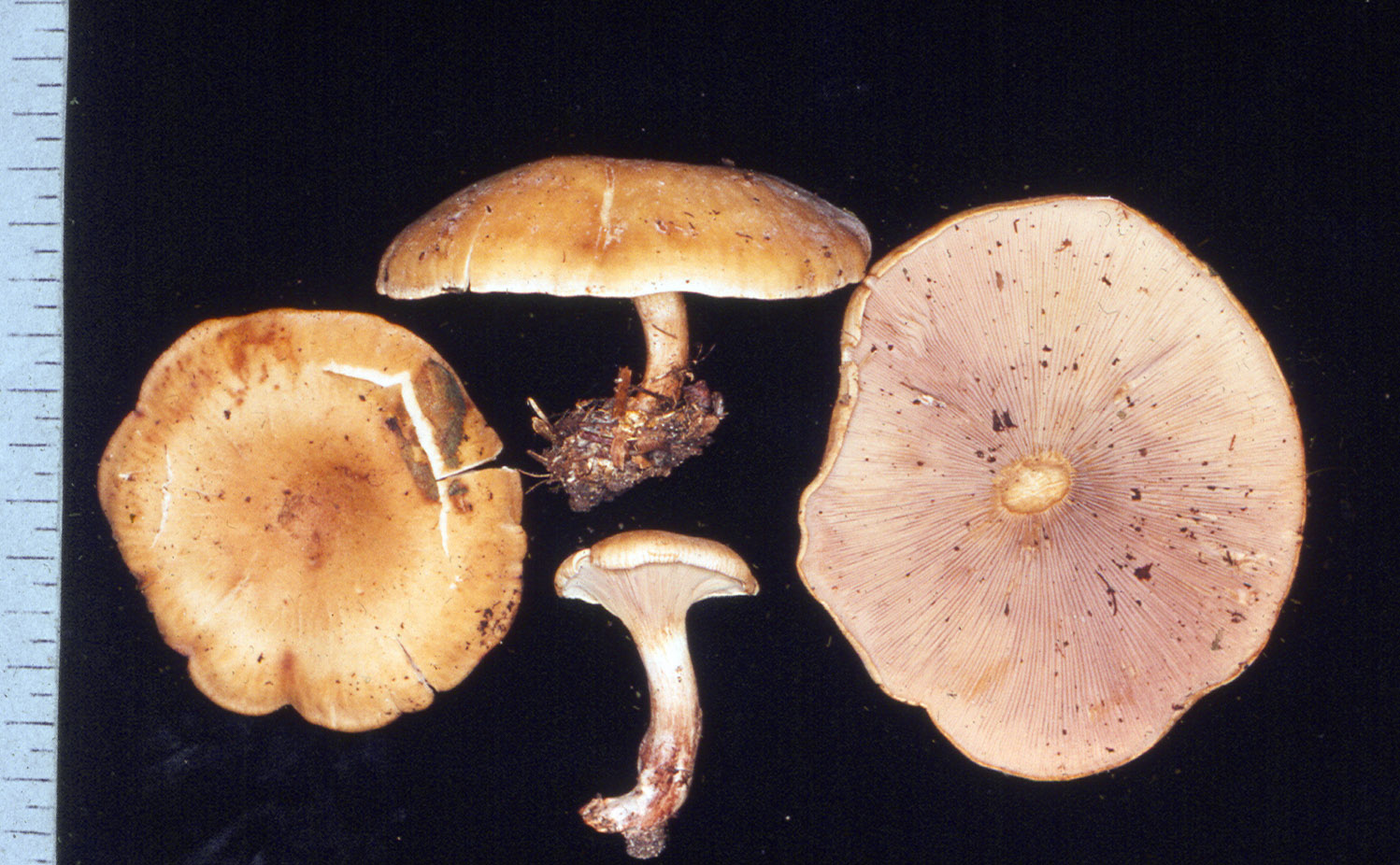
Ripartites is a genus of fungi in the family Tricholomataceae. The genus has a widespread distribution and originally contained five species. Species in Ripartites have small, round to subglobose spores, which are yellowish-brown and ornamented. Macroscopically, they resemble Clitocybe. Ripartites was circumscribed by Petter Karsten in 1879.

Lepistella ocula
Lepistella is a genus of fungus in the family Tricholomataceae. It is a monotypic genus, containing the single species Lepistella ocula, found in Central America and reported as new to science in 2007.
Pseudolasiobolus minutissimus
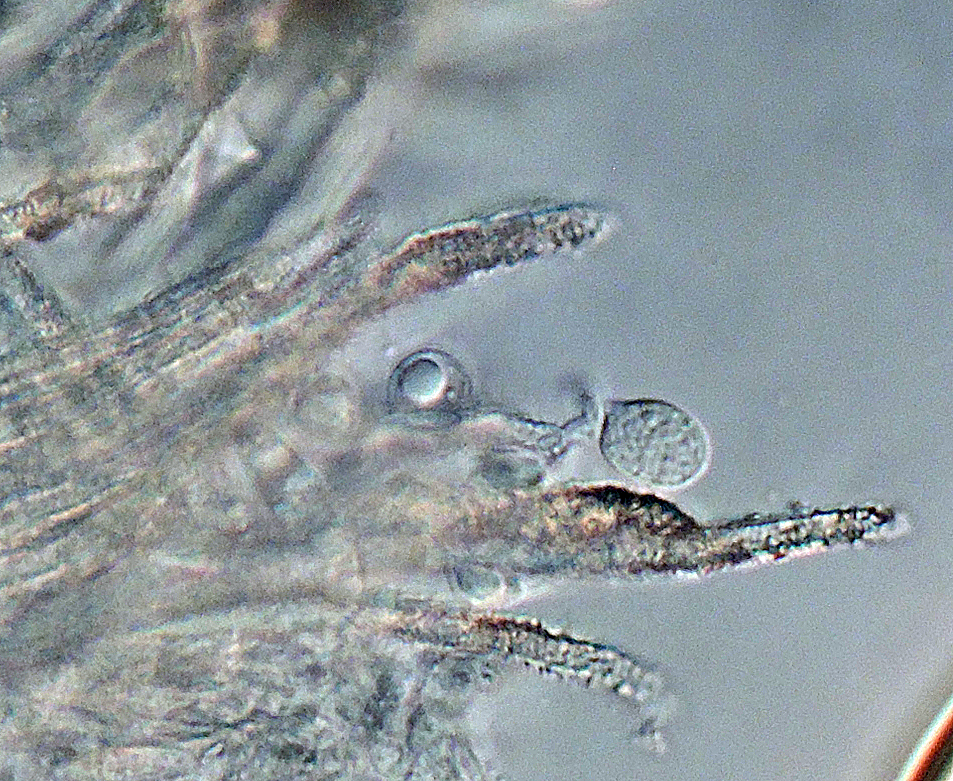
Pseudolasiobolus is a genus of fungus in the family Tricholomataceae.
A monotypic genus, it contains the single species Pseudolasiobolus minutissimus, described by German mycologist Reinhard Agerer in 1983.

Paralepista flaccida
species of fungi in the genus Paralepista

Pseudoomphalina kalchbrenneri
species of fungus
Rimbachia
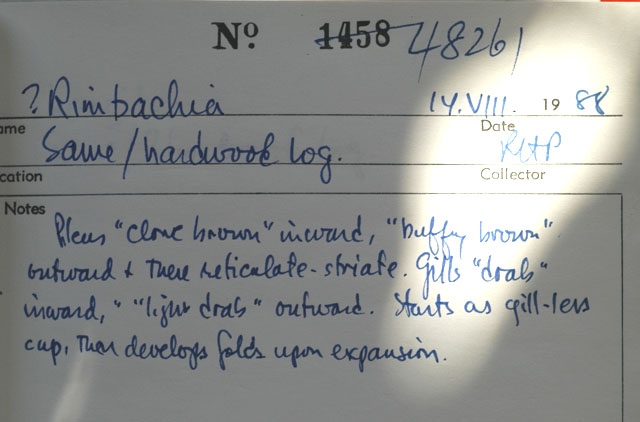
Rimbachia is a genus of fungi in the family Tricholomataceae. The genus contains about ten species with a widespread distribution in tropical regions.
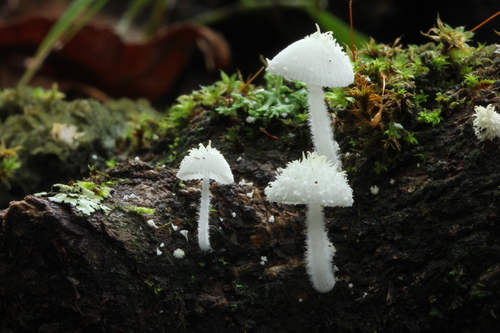
Amparoina spinosissima
species of fungus

Fayodia bisphaerigera
species of fungus
Clavomphalia yunnanensis
Clavomphalia is a genus of fungi in the family Tricholomataceae. It is a monotypic genus, containing only Clavomphalia yunnanensis, a Chinese species first described by German mycologist Egon Horak in 1987.
Dendrocollybia
Dendrocollybia is a fungal genus in the family Tricholomataceae of the order Agaricales. It is a monotypic genus, containing the single species Dendrocollybia racemosa, commonly known as the branched collybia or the branched shanklet.
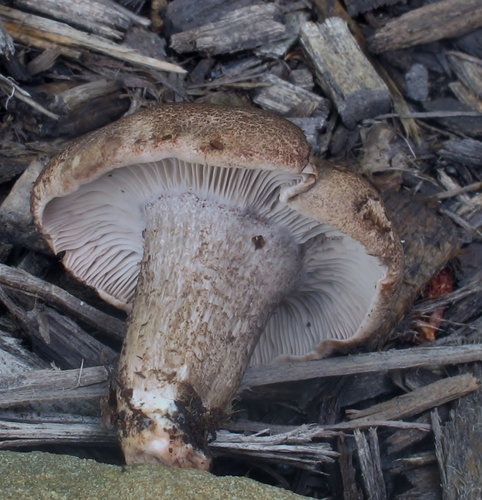
Porpoloma
Porpoloma is a genus of fungi in the family Tricholomataceae. The genus contains about 12 species found predominantly in South America. Porpoloma was described by mycologist Rolf Singer in 1952 with P. sejunctum as the type species.
Asproinocybe
Asproinocybe is a genus of fungi in the family Tricholomataceae. The genus contains five species found in tropical Africa.
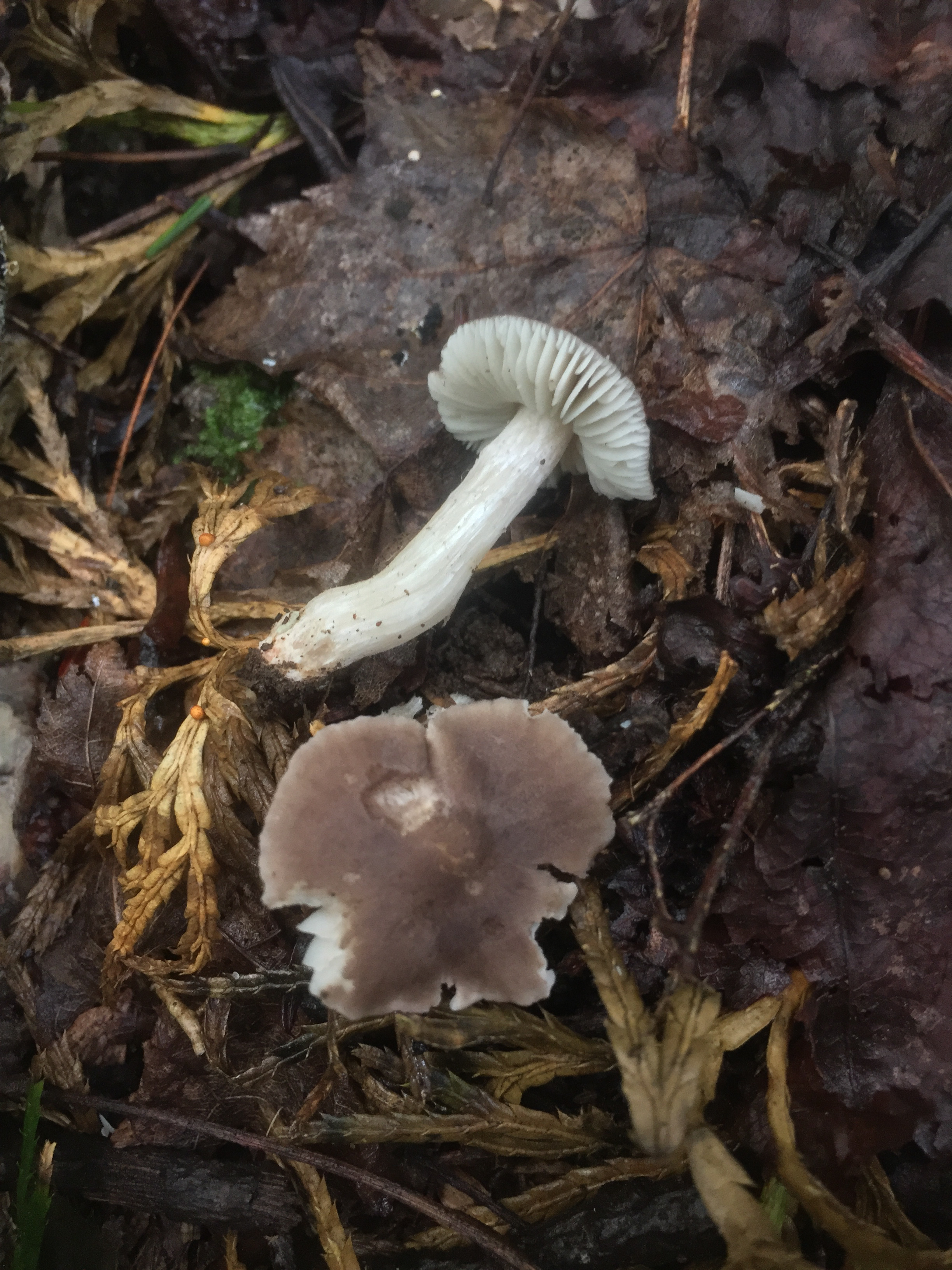
Dermoloma
Dermoloma is a genus of fungi in the family Tricholomataceae. The widespread genus contains about 15 species.
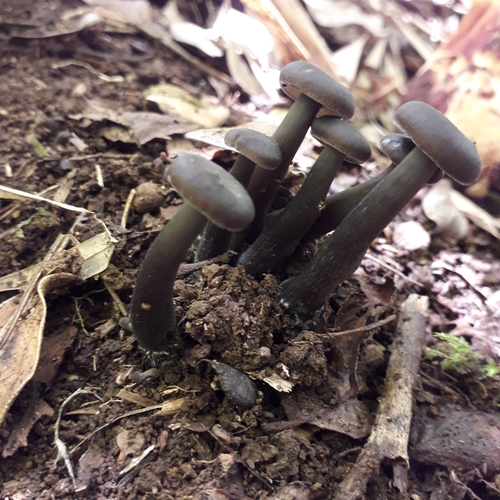
Austroomphaliaster nahuelbutensis
Austroomphaliaster is a fungal genus in the family Tricholomataceae. It is a monotypic genus, containing the single species Austroomphaliaster nahuelbutensis, also known as the big puma fungus, the species is found in temperate South America. This species lives on Patagonian oak trees, Dombey’s beech trees, and caves. In May 2023, specimens of the formerly lost fungus were found in caves of the Nahuelbuta Mountains in Chile in an expedition by Fungi Foundation and Fundación Nahuelbuta under Re: Wild's search for lost species initiative. Prior to its rediscovery in 2023, the species was only do
Delicatula
Delicatula is a genus of fungi in the family Tricholomataceae. It was first described by Swiss mycologist Victor Fayod in 1889. The genus contains two widely distributed species.

Cellypha goldbachii
species of fungus
Cynema alutacea
Cynema is a genus of fungi in the family Tricholomataceae. This is a monotypic genus, containing the single species Cynema alutacea, found in Papua New Guinea.
Leucopaxillus compactus
species of fungus
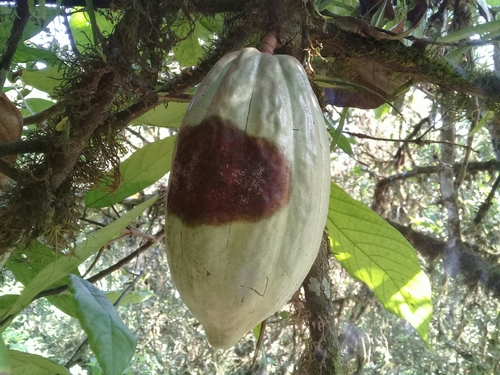
Moniliophthora roreri
species of fungus
Pegleromyces collybioides
Pegleromyces is a genus of fungi in the family Tricholomataceae. It is a monotypic genus, containing the single species Pegleromyces collybioides, found in Brazil, and described as new to science by mycologist Rolf Singer in 1981.
Amparoina
Amparoina is a genus of fungi in the family Tricholomataceae. The genus contains two species found in South America.
Hygroaster
Hygroaster is a genus of mushroom-forming fungi in the family Hygrophoraceae. The genus was described by mycologist Rolf Singer in 1955.
Peglerochaete setiger
Peglerochaete is a genus of fungi in the family Tricholomataceae. This is a monotypic genus, containing the single species Peglerochaete setiger, found in the Indian state Sikkim and reported as new to science in 1983.
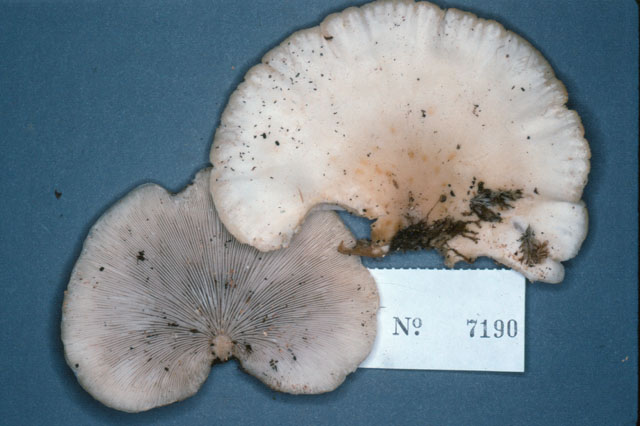
Conchomyces
Conchomyces is a genus of fungi in the order Agaricales. The genus was named and described scientifically by Casper van Overeem in 1927. The genus contains two species found in Indonesia.
Stanglomyces taxophilus
Stanglomyces is a genus of fungi in the family Tricholomataceae. This is a monotypic genus, containing the single species Stanglomyces taxophilus, found in South America. The species was described as new to science by Jörg Raithelhuber in 1985.
Pseudoomphalina
Pseudoomphalina is a genus of fungi placed in the family Tricholomataceae for convenience. The genus contains six species that are widespread in northern temperate areas. Pseudoomphalina was circumscribed by Rolf Singer in 1956. Pseudoomphalina was found to be paraphyletic to Neohygrophorus in a molecular phylogenetics study and since Pseudoomphalina is an older name, Neohygrophyorus was synonymized with it. The type species of Neohygrophorus was Neohygrophorus angelesianus, now Pseudoomphalina angelesiana. In earlier classifications based on anatomy prior to DNA sequence-based classifications
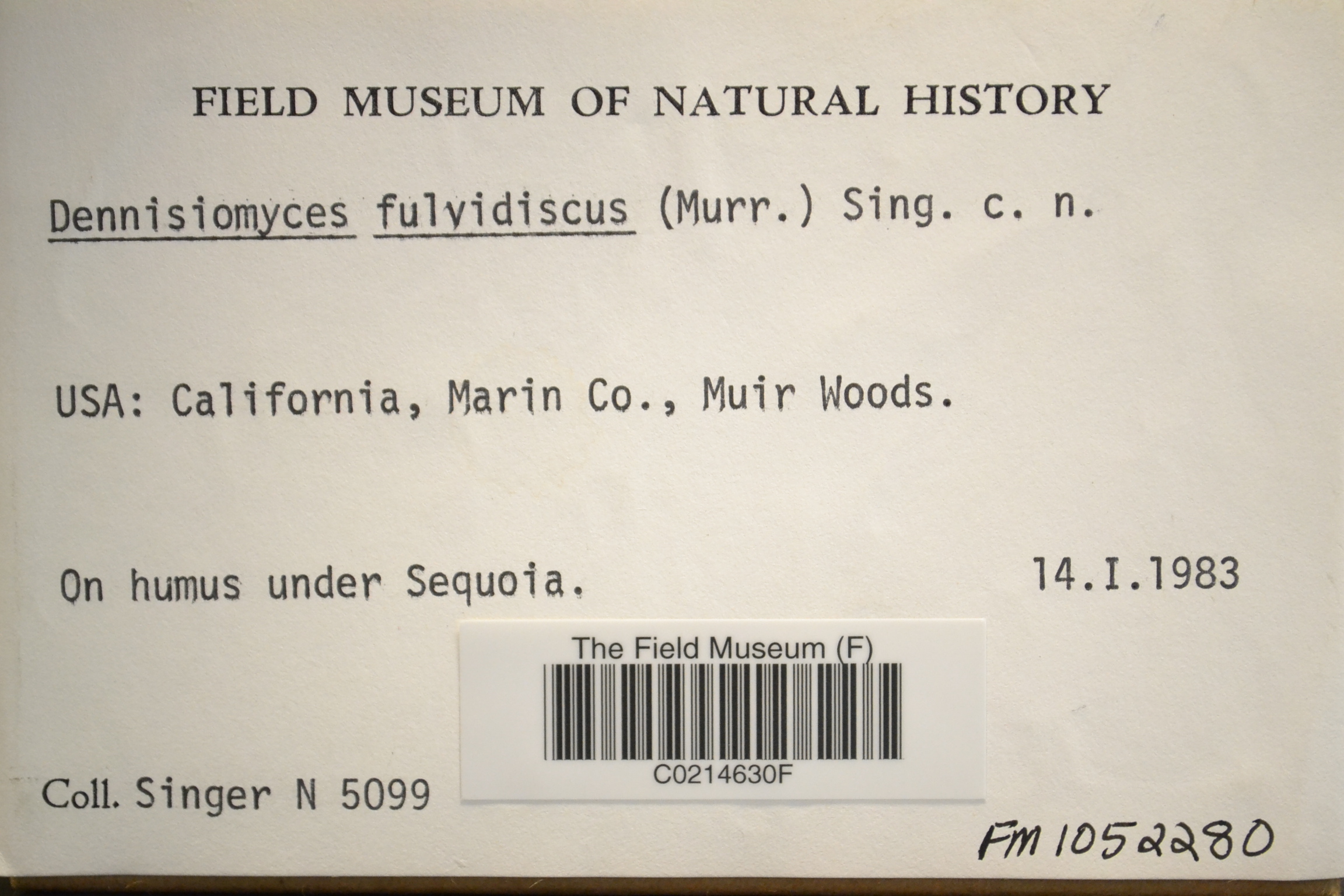
Dennisiomyces
Dennisiomyces is a genus of fungi in the family Tricholomataceae. Described by mycologist Rolf Singer in 1955, the genus contains five species found in South America.

Callistodermatium violascens
Callistodermatium is a fungal genus in the family Tricholomataceae. It is a monotypic genus, and contains the single species Callistodermatium violascens. The holotype was found in Brazil, and described by mycologist Rolf Singer in 1981.
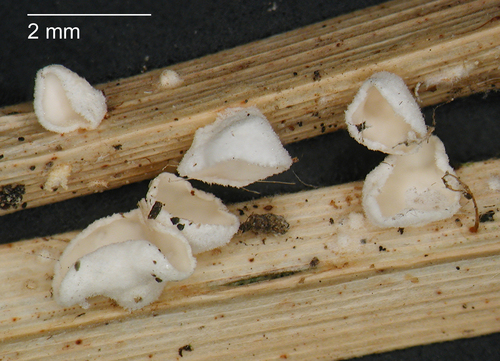
Cellypha
Cellypha is a genus of fungi in the family Tricholomataceae. The widespread genus contains 10 species.

Omphaliaster borealis
species of fungus

Omphalia tralucida
species of fungus
Cyphellocalathus cecropiae
Cyphellocalathus is a genus of fungi in the family Tricholomataceae. This is a monotypic genus, containing the single species Cyphellocalathus cecropiae, found in Bolivia.