Category
page 1Tristan and Iseult
Tristan und Isolde
opera by Richard Wagner
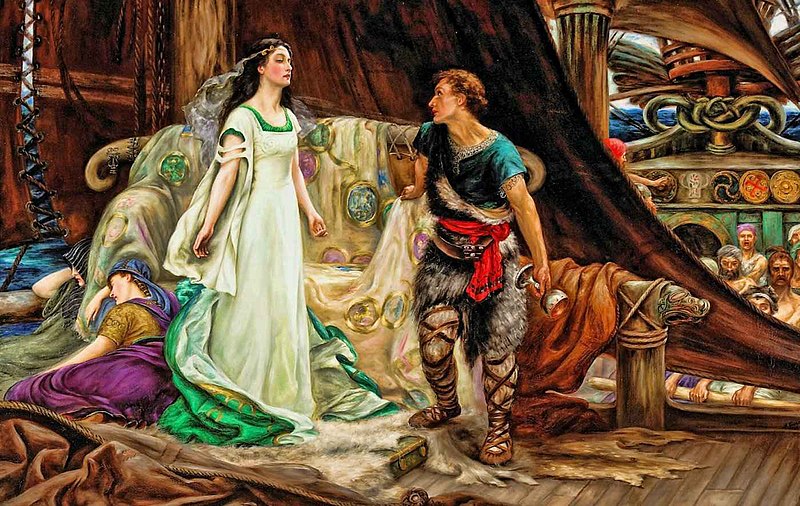
Tristan and Iseult
medieval romance told in numerous variations

606 Brangäne
main-belt asteroid

Gottfried von Strassburg
medieval German poet
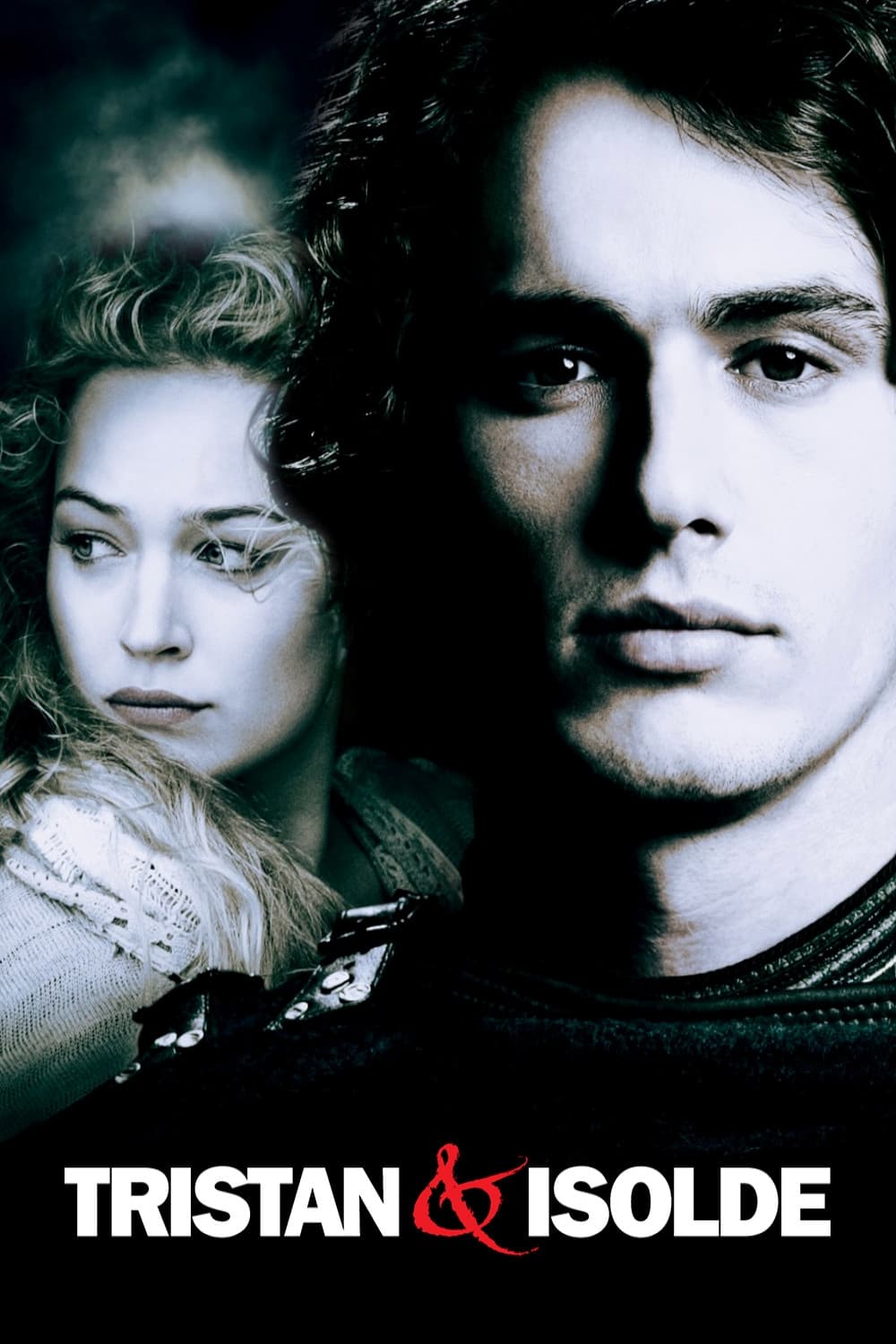
Tristan & Isolde
2006 film directed by Kevin Reynolds

Tristan
Tristan (Latin/Brythonic: Drustanus; ; , Portuguese: Tristão; Spanish: Tristán), also known as Tristran or Tristram and similar names, is the folk hero of the legend of Tristan and Iseult. While escorting the Irish princess Iseult to wed Tristan's uncle, King Mark of Cornwall, Tristan and Iseult accidentally drink a love potion during the journey and fall in love, beginning an adulterous relationship that eventually leads to Tristan's banishment and death.
Thomas of Britain
Old French poet, author of a Tristan
Mark of Cornwall
Husband of Iseault in Arthurian legend
Béroul
Béroul (or Beroul; Norman ) was a Norman or Breton poet of the mid-to-late 12th century. He is usually credited with the authorship of Tristran (sometimes called Tristan), a Norman language version of the legend of Tristan and Iseult, of which just under 4500 verses survive in a manuscript of the 13th century. His name is known only from two references in the text of the poem.

Iseult
thumb|La Belle Iseult by William Morris (1858)
Hoel
legendary king of Brittany

Prose Tristan
13th-century French Arthurian romance

Tristan
novellla by Thomas Mann
Chevrefoil
"Chevrefoil" is a Breton lai by the medieval poet Marie de France. The eleventh poem in the collection is called The Lais of Marie de France and its subject is an episode from the romance of Tristan and Iseult. The title means "honeysuckle," a symbol of love in the poem. "Chevrefoil" consists of 118 lines and survives in two manuscripts, Harley 978 or MS H, which contains all the Lais, and in Bibliothèque Nationale, nouv. acq. fr. 1104, or MS S.
Meliodas
Meliodas or Meliadus is a figure in Arthurian legend in the 12th-century Prose Tristan and subsequent accounts. In Thomas Malory's ''Le Morte d'Arthur'', he is the second king of Lyonesse, son of Felec of Cornwall and vassal of King Mark. Meliodas' first wife, Elizabeth, who bore the hero Tristan, was Mark's sister, and his second wife was a daughter or sister of Hoel of Brittany. He is the eponymous protagonist of the romance Meliadus. The Italian variant Tristano Riccardiano calls him Felix (Felissi).