Category
page 1Turtle genera

Testudo
genus of turtles

Mauremys
Mauremys is a genus of turtles in the family Geoemydidae (formerly called Bataguridae).
.jpg)
Kinixys
Kinixys is a genus of turtles in the family Testudinidae. The genus was erected by Thomas Bell in 1827. The species in the genus Kinixys are native to Sub-Saharan Africa and Madagascar and commonly known as hinged tortoises or hinge-back tortoises.

Emys
Emys is a small genus within the family Emydidae. The genus (sensu lato), consisting primarily of freshwater pond turtles, is endemic to Europe. It is the only genus in its subfamily Emydinae outside of North America.

Chelonoidis
Chelonoidis is a genus of turtles in the tortoise family erected by Leopold Fitzinger in 1835. They are found in South America and the Galápagos Islands, and formerly had a wide distribution in the West Indies.

Geochelone
Geochelone, from Ancient Greek γῆ (gê), meaning "earth", and χελώνη (khelṓnē), meaning "turtle", is a genus of tortoises.

Trachemys
Trachemys is a genus of turtles belonging to the family Emydidae. Members of this genus are native to the Americas, ranging from the Midwestern United States south to northern Argentina, but one subspecies, the red-eared slider (T. scripta elegans), has been introduced worldwide. Species under this genus are commonly referred to as sliders.

Astrochelys
Astrochelys is a genus of tortoises in the family Testudinidae. The two species are both found in Madagascar, and both classified as critically endangered on the IUCN Red List.

Rafetus
Rafetus is a genus of highly endangered softshell turtles in the family Trionychidae. It is a genus of large turtles which are found in freshwater habitats in Eurasia.

Gopherus
Gopherus is a genus of fossorial tortoises commonly referred to as gopher tortoises. The gopher tortoise is grouped with land tortoises that originated 60 million years ago, in North America. A genetic study has shown that their closest relatives are in the Asian genus Manouria.
The gopher tortoises live in the southern United States from California's Mojave Desert across to Florida, and in parts of northern Mexico. Gopher tortoises are so named because of some species' habit of digging large, deep burrows (gophers are small terrestrial burrowing rodents). Most notably, Gopherus polyphemus di

Podocnemis
Podocnemis is a genus of aquatic turtles, commonly known as South American river turtles, in the family Podocnemididae. The genus consists of six extant species occurring in tropical South America. Four additional species are known only from fossils. These turtles have pig-like noses but are not closely related to the pig-nosed turtle.

Manouria
Manouria is a genus of tortoises in the family Testudinidae. The genus was erected by John Edward Gray in 1854.

Homopus
Homopus is a genus of tiny tortoises in the family Testudinidae, endemic to southern Africa. Three species formerly included in Homopus were reclassified into the genus Chersobius, leaving two remaining as Homopus: the common padloper (H. areolatus) and the greater padloper (H. femoralis).

Chelodina
Chelodina, collectively known as snake-necked turtles, is a large and diverse genus of long-necked chelid turtles with a complicated nomenclatural history. Although in the past, Macrochelodina and Macrodiremys have been considered separate genera and prior to that all the same, they are now considered subgenera of the Chelodina, further Macrochelodina and Macrodiremys are now known to apply to the same species, hence Chelydera is used for the northern snake-necked turtles.
Glyptemys
Glyptemys is a genus of turtles in the family Emydidae. It comprises two species, the bog turtle (Glyptemys muhlenbergii) and the wood turtle (Glyptemys insculpta), both of which are endemic to North America. Until 2001, these turtles were considered members of the genus Clemmys, which currently has one member, the spotted turtle (Clemmys guttata).
%20and%20mud%20turtles%20(Kinosternon).jpg)
mud turtle
Kinosternon is a genus of small aquatic turtles from the Americas known commonly as mud turtles.

Batagur
Batagur is a genus of large turtles from South and Southeast Asia. All members of the genus are seriously threatened. With a 2007 merger with members from two other genera, this genus has six described species.
Chitra
genus of reptiles
%20(7788485928).jpg)
Indotestudo
Indotestudo is a genus of tortoises in the family Testudinidae. The genus is native to South and Southeast Asia. The three species in the genus are all threatened.
Amyda
Amyda is a genus of softshell turtles in the family Trionychidae.
It contains two extant species:
Amyda cartilaginea - Asiatic softshell turtle
Amyda ornata - Southeast Asian softshell turtle
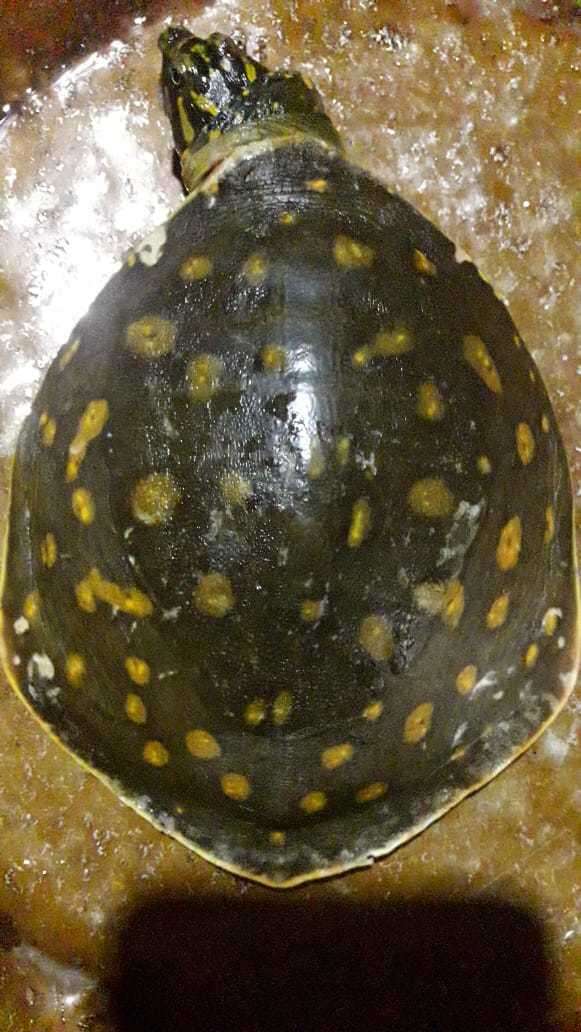
Lissemys
Lissemys is a genus of softshell turtles in the subfamily Cyclanorbinae of the family Trionychidae. The genus is indigenous to southern Asia.
%20female%20%26%20male.jpg)
Graptemys
Graptemys is a genus of freshwater turtles containing 14 species, commonly known as map turtles. Graptemys are small to medium-sized turtles that are significantly sexually dimorphic, with females in some species attaining as much as twice the length and ten times the mass as males. Depending on the species, adult males range from 7–16 cm (2.75–6.25 in), adult females 10–29.5 cm (4–11.62 in), and hatchlings 2.5–3.8 cm (1–1.5 in), although some sources indicate female Barbour's map turtles (Graptemys barbouri) grow to 33 cm (13 in) in length. Most species

Apalone
Apalone is a genus of turtles in the family Trionychidae. The three species of Apalone are native to freshwater habitats in North America; they are the only living softshell turtles from the Americas (other American softshell turtles are only known from fossil remains).

Pseudemys
Pseudemys is a genus of large, herbivorous, freshwater turtles of the eastern United States and adjacent northeast Mexico. They are often referred to as cooters, which stems from kuta, the word for turtle in the Bambara and Malinké languages, brought to America by enslaved people from Africa.

Psammobates
Psammobates is a genus of tortoise erected by Leopold Fitzinger in 1835. This genus contains three species, all of which are indigenous to southern Africa.
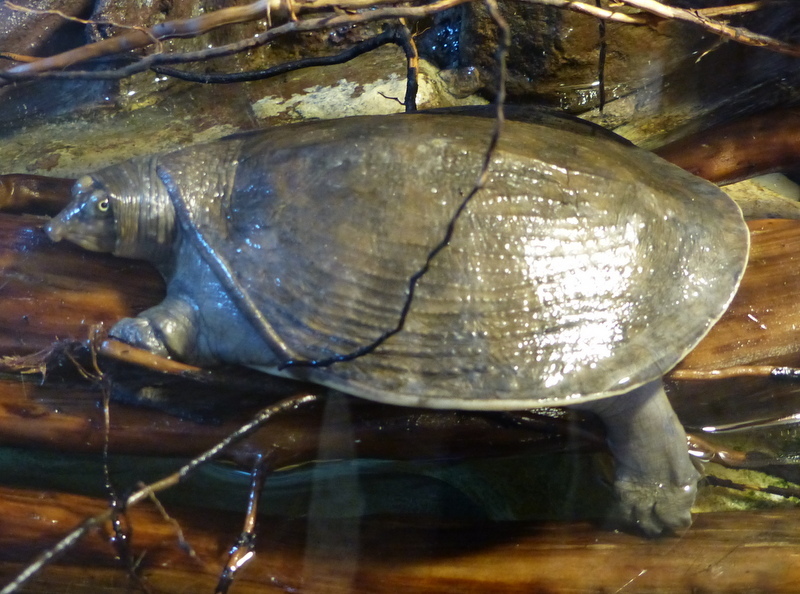
Cyclanorbis
Cyclanorbis is a genus of softshell turtles in the family Trionychidae. The genus is endemic to Africa.
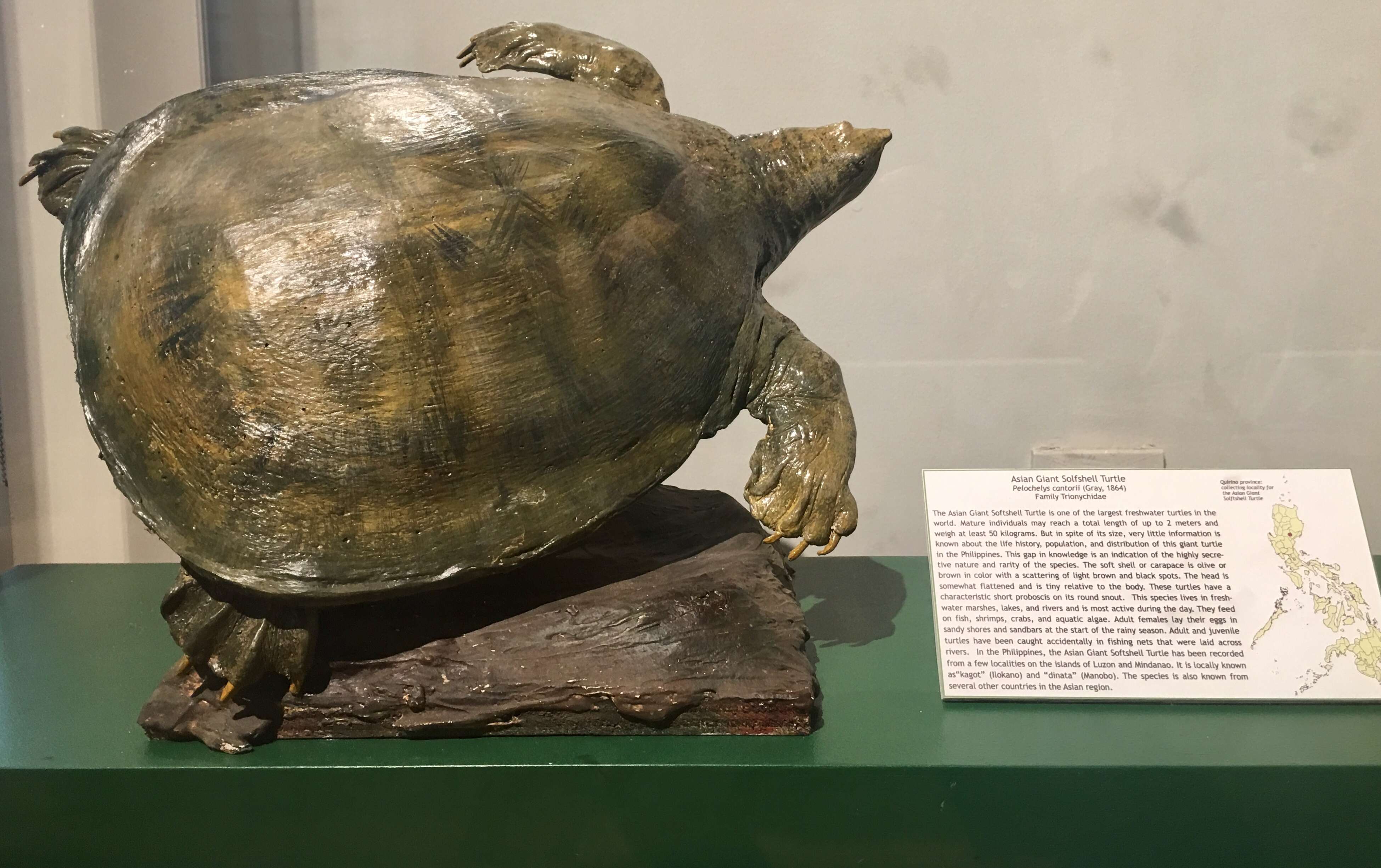
Pelochelys
Pelochelys is a genus of very large softshell turtles in the family Trionychidae. They are found from peninsular India northeast to southern China, and south to Southeast Asia and New Guinea. These turtles are also known as giant softshell turtles.
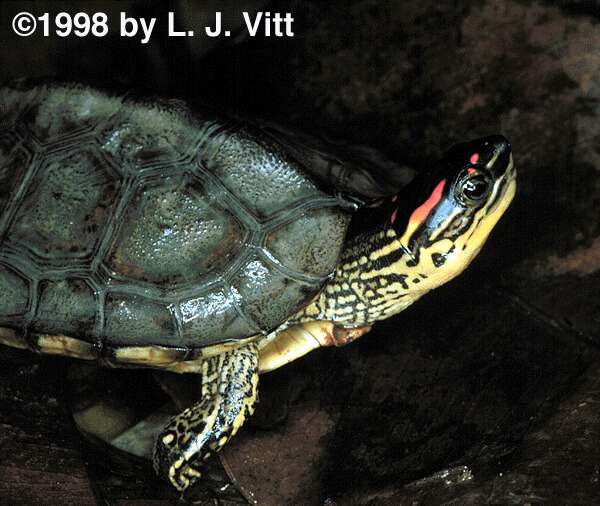
Rhinoclemmys
Rhinoclemmys is a genus of turtles in the family Geoemydidae (formerly Bataguridae), the only genus in the subfamily Rhinoclemmydinae. Member species of the genus are commonly known as the Neotropical wood turtles and are the only geoemydids known from the Americas. As such, they have adapted to a wide range of habitats, which is reflected in the species' common names.
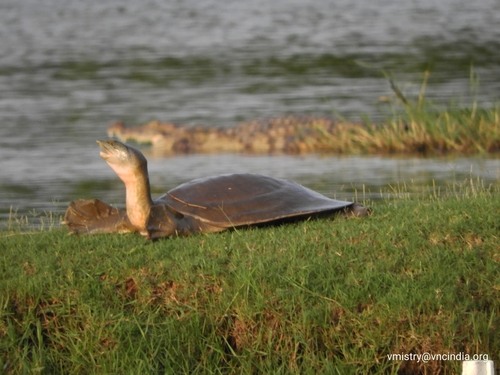
Nilssonia
genus of reptiles

Aldabrachelys
Aldabrachelys is genus of giant tortoises, including the Aldabra giant tortoise (Aldabrachelys gigantea) native to the Seychelles, as well as two recently extinct species, Aldabrachelys abrupta and Aldabrachelys grandidieri known from Madagascar. The genus name derives from Aldabra, a coral atoll in the Seychelles, plus Greek, chelys (χέλυς), for "tortoise" or "lyre", since Hermes was the first to invent the lyre from a hollowed out tortoise shell.
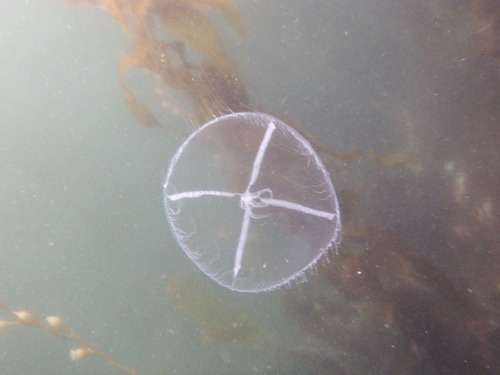
Hydromedusa
Hydromedusa, commonly known as the South American snake-necked turtles, is a genus of turtles in the family Chelidae. They are quite closely related to the South American side-necked swamp turtles (Acanthochelys) and the snake-necked turtles of the Australian-Melanesian region (Chelodina), but less closely to the spine-necked river turtles of South America (Podocnemididae) which belong to a more modern lineage of Pleurodira.
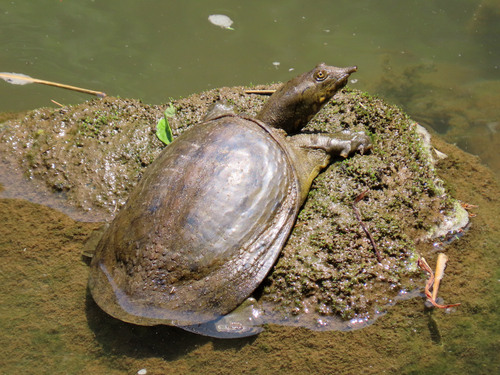
Pelodiscus
Pelodiscus is a genus of turtles in the family Trionychidae, the softshells. Based on genetic and morphological analysis there are seven valid species. They are native to Eastern Asia, ranging from the Amur region, south through China and Korea, as far south as Vietnam. Populations in Japan are thought to likely originate from historic human introductions.
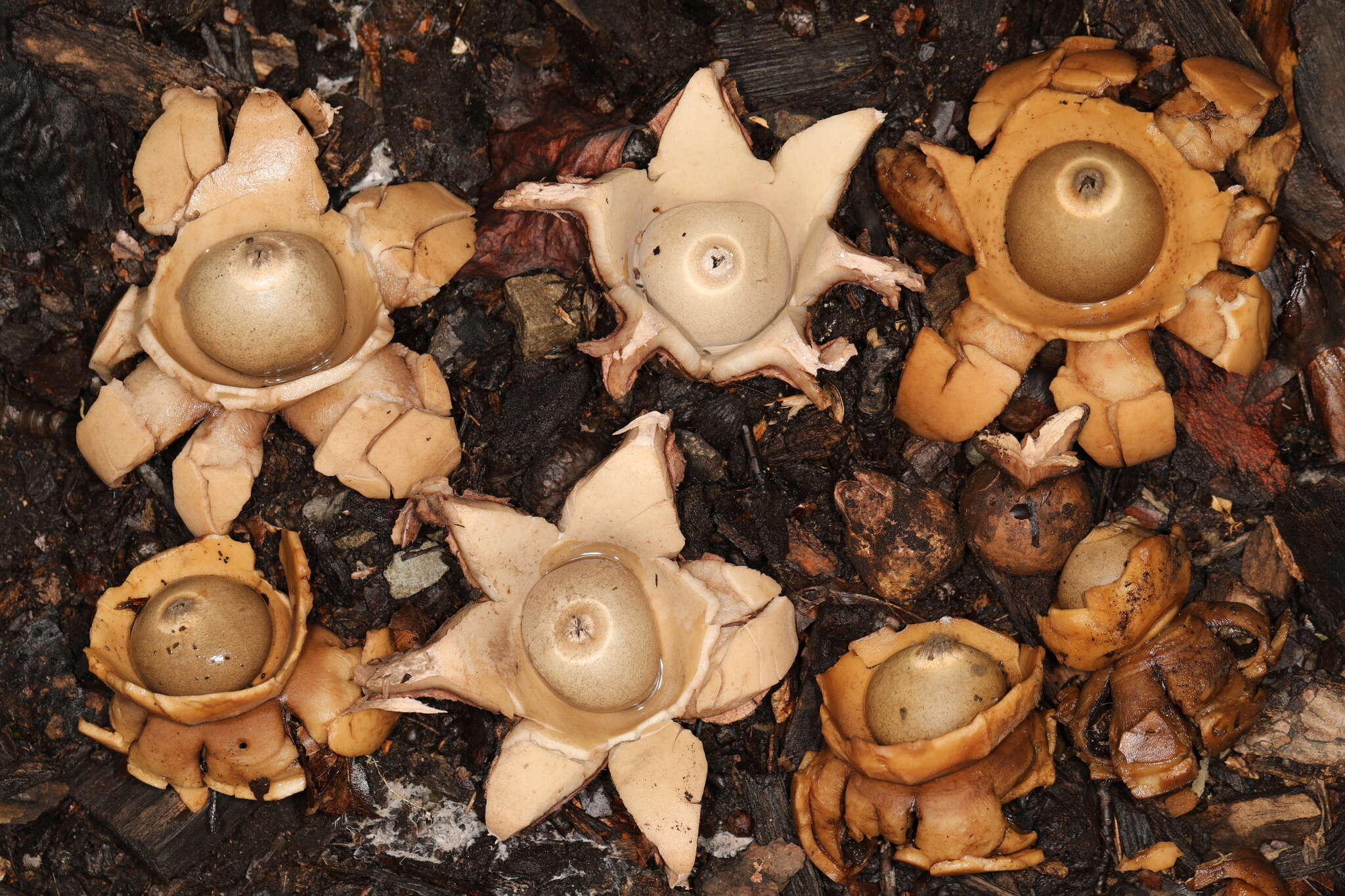
Cycloderma
Cycloderma is a genus of softshell turtles in the subfamily Cyclanorbinae of the family Trionychidae. The genus is endemic to Africa.

Heosemys
Heosemys is a genus of freshwater turtles ("terrapins" in British English) in the family Geoemydidae (formerly called Bataguridae). The genus Heosemys was split out of the related genus Geoemyda by McDowell in 1964.

Pyxis
genus of reptiles
Sternotherus
Sternotherus is a genus of turtles in the family Kinosternidae including six species commonly known as musk turtles. The genus is endemic to North America, occurring in the eastern third of the US and southeast Ontario, Canada. Musk glands positioned near the bridge of the shell can produce foul smelling secretions when the turtles are threatened, although gentle handling does not normally provoke a response. Sternotherus are moderately small turtles, with the largest species in the genus, the razor-backed musk turtle (S. carinatus), attaining a maximum of 17.6 cm. in shell length. The ca

Cyclemys
Cyclemys is a genus of freshwater turtles, commonly referred to as Asian leaf turtles, from the family Geoemydidae. The genus occurs throughout Southeast and South Asia, and currently contains seven species.

Cylindraspis
Cylindraspis is a genus of recently extinct giant tortoises. All of its species lived in the Mascarene Islands (Mauritius, Rodrigues and Réunion) in the Indian Ocean and all are now extinct due to hunting and introduction of non-native predators.
left|thumb|Skull
They are not closely related to any extant group of tortoises, having diverged from the largely African clade including Chelonoidis, Geochelone, and Astrochelys around 40 million years ago during the Eocene, most likely in Africa. The split between species within the genus is also deep, with the split between C. triserrata and all oth
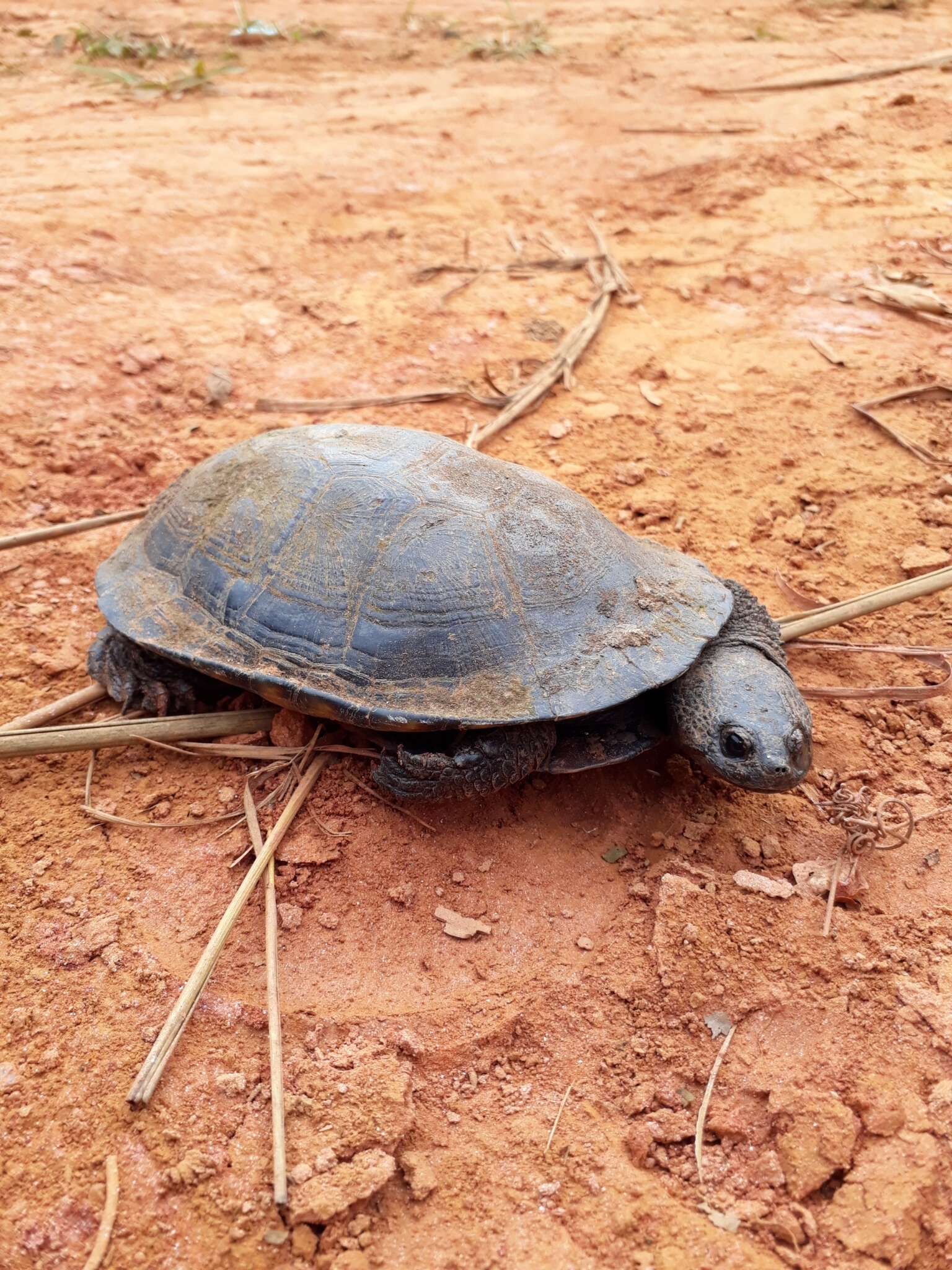
Acanthochelys
Acanthochelys is a genus of turtles, the spiny swamp turtles, in the family Chelidae, subfamily Chelinae, found in South America. Until recently, the species of this genus were considered to be members of the genus Platemys, but were moved to the resurrected genus originally described by Gray (1873) based on the type species by monotypy Acanthochelys spixii.

Chelydra
Chelydra is one of the two extant genera of the snapping turtle family, Chelydridae, the other being Macrochelys, the much larger alligator snapping turtle. The snapping turtles are native to the Americas, with Chelydra having three species, one in North America and two in Central America, one of which is also found in northwestern South America.

Pelusios
Pelusios is a genus of African side-necked turtles. With 17 described species, it is one of the most diverse genera of the turtle order (Testudines).
Geoemyda
Geoemyda is a genus of freshwater turtles in the family Geoemydidae (formerly Bataguridae). It contains two species:

Staurotypus
Staurotypus is a genus of aquatic turtles, commonly known as giant musk turtles, Mexican musk turtles, or three-keeled musk turtles, in the family Kinosternidae. The genus contains two recognized species, which are endemic to Mexico and Central America. Both species are sold and bred as pets.
Siebenrockiella
Siebenrockiella is a small genus of black marsh turtles. It used to be monotypic but now has two species with the addition of the Philippine forest turtle (moved from the genus Heosemys). The genus was originally erected in 1869 by John Edward Gray under the name Bellia, commemorating Thomas Bell, but this name is a junior homonym of Bellia Milne-Edwards, 1848, a crustacean genus. The replacement name, Siebenrockiella, was published in 1929 by Wassili Adolfovitch Lindholm, and commemorates Friedrich Siebenrock.

Phrynops
Sometimes called the bearded toadheads but better known by their scientific name of Phrynops this genus of turtles has often been a bit of a dumping ground for the short-necked South American turtles of the family Chelidae.

Sacalia
Sacalia is a genus of turtles in the family Geoemydidae (formerly Bataguridae). The genus was erected by John Edward Gray in 1870.
The Sacalia is native to Southereastern China, Laos, and Vietnam. It was declared an endangered turtle species by the IUCN Red List due to its illegal trade.
The sacalia has a carapace of dark-brown color that permits it to camouflage to its habitat. They are believed to select the area of a river that better matches their color.
==Species==
Two species are recognized.
Sacalia bealei, Beale's eyed turtle or Beale's four-eyed turtle
Sacalia quadriocellata, four-ey

Pangshura
Pangshura is a genus of geoemydid turtles endemic to South Asia. Its member species were formerly in the obsolete genus Kachuga. A fifth member, Pangshura tatrotia, was described in 2010, but it is only known from Pliocene fossils.
Malayemys
Malayemys is a genus of turtles in the family Geoemydidae. It was considered monotypic until 2005 It is found in several countries of Southeast Asia.
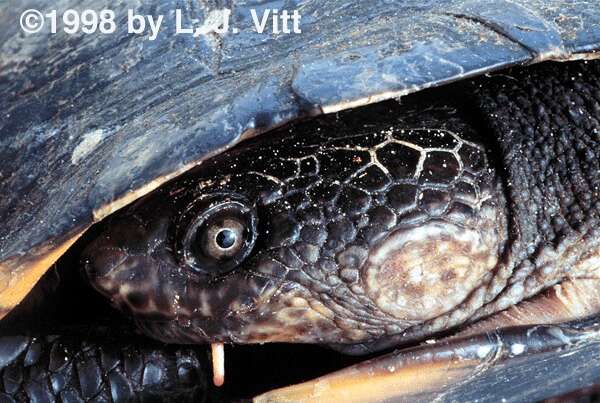
Mesoclemmys
Mesoclemmys is a genus of South American turtles in the family Chelidae.
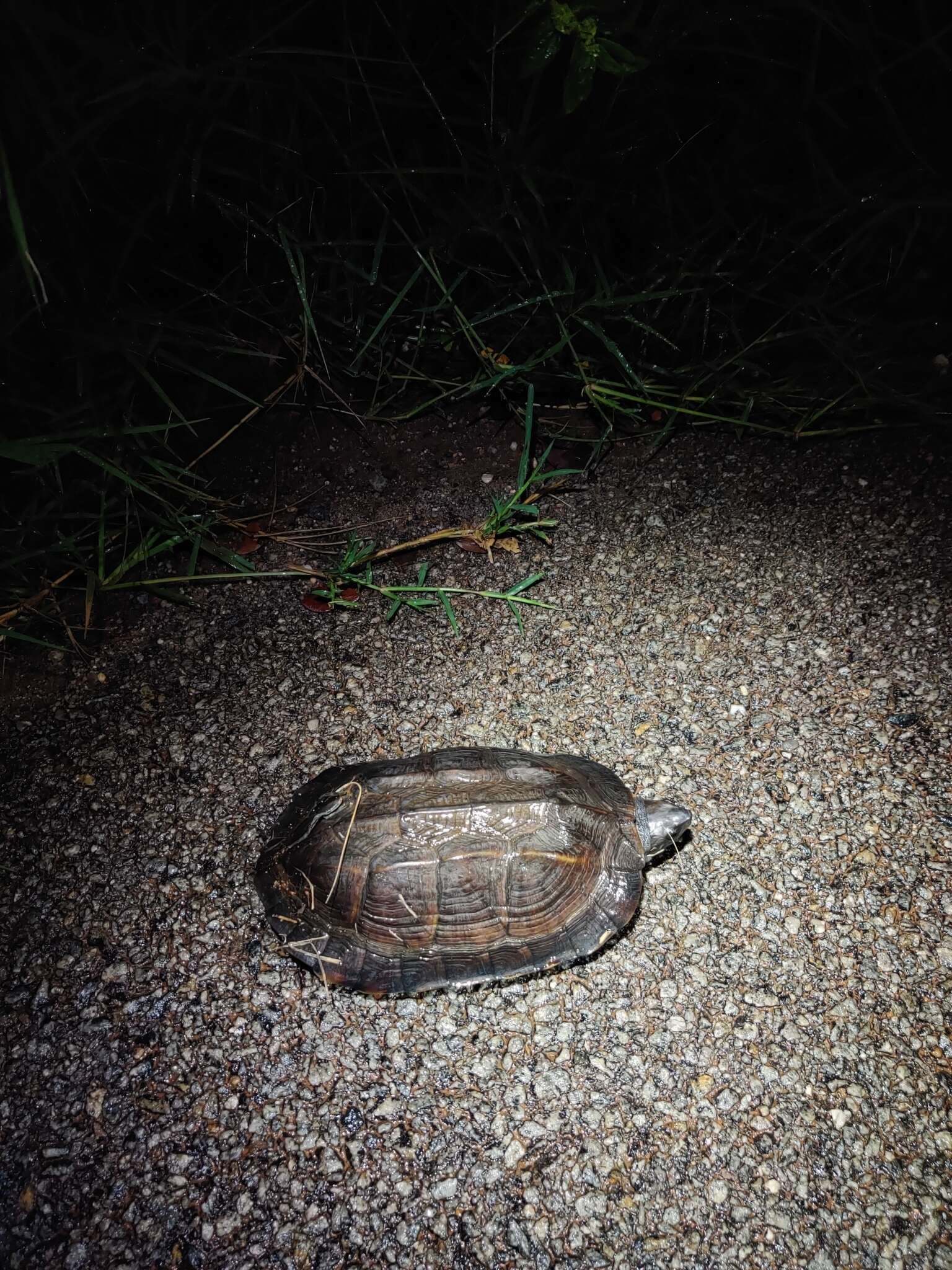
Melanochelys
Melanochelys is a genus of turtles in the family Geoemydidae. Members are found in India, Myanmar, Bangladesh, Sri Lanka and Nepal.

Elseya
Elseya is a genus of large side-necked turtles, commonly known as Australian snapping turtles, in the family Chelidae. Species in the genus Elseya are found in river systems in northern and northeastern Australia and throughout the river systems of New Guinea. They are identified by the presence of alveolar ridges on the triturating surfaces of the mouth and the presence of a complex bridge strut.

Emydura
Emydura, also known commonly as the Australian short-necked turtles, is a genus of turtles in the family Chelidae. The genus was paraphyletic with Elseya. Consequently, it was split into two genera Myuchelys and Elseya by Thomson and Georges in 2009. Turtles of the genus Emydura can grow quite large, or more is not unusual, and have a life span of around 20–30 years. They generally do not hibernate as their warmer climate lets them remain active all year round; they also spend more time in the water than other turtles. They are considered omnivorous but rely on a constant supply of meat to rem
Morenia
Morenia is a genus of turtles in the family Geoemydidae found in India, Bangladesh, and Burma.
It contains only these species:

Macrochelys
Macrochelys is a genus of very large freshwater turtles in the family Chelydridae, native to the Southeastern and Midwestern United States. Only a single extant species was recognized until 2014, when a study divided it into two or possibly three species. These turtles are easily recognized by three distinct dorsal ridges with raised spikes.
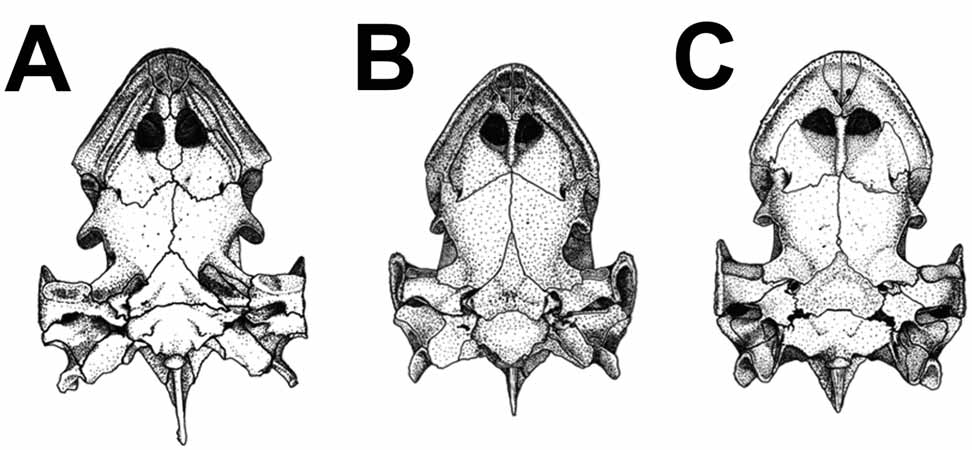
Myuchelys
The Myuchelys is a genus of turtles, the Australian saw-shelled turtles, in the family Chelidae and subfamily Chelodininae. They inhabit the headwaters and tributaries of rivers within their range and this led to the name Myuchelys, which is formed from the Aboriginal word myuna meaning clear water and the Greek chelys meaning turtle. They have a short neck and the intergular scute completely separates the gular scutes. They have no alveolar ridge separating them from the snapping turtles of the genus Elseya.
Trionyx
Trionyx is a genus of softshell turtles belonging to the family Trionychidae. In the past many species in the family were classified in this genus, but today T. triunguis, the African or Nile softshell turtle, is the only extant softshell still classified as Trionyx. The other species still assigned to this genus are only known from fossils. T. triunguis is a relatively large, aquatic piscivore.
Clemmys
Clemmys is a genus of turtles currently containing a single extant species, the spotted turtle (Clemmys guttata).

Centrochelys
Centrochelys is a genus of tortoise. It contains one living species, the African spurred tortoise (Centrochelys sulcata), native to the Sahel and adjacent areas. A number of fossil species have been attributed to this genus, but their placement in the genus is considered equivocal.
"Centrochelys" atlantica Sal Island, Cape Verde, Pleistocene
"Centrochelys" burchardi Tenerife, Canary Islands, Middle Pleistocene carapace length .
"Centrochelys" marocana Morocco, North Africa, latest Pliocene-earliest Pleistocene, c. 2.6 mya carapace length ~.
“Centrochelys” punica Tunisia, North Africa, Earl
Chrysemys
Chrysemys is a genus of turtles in the family Emydidae. They are found throughout most of North America.
The species in the genus include the painted and the southern painted turtles.
==Reproduction==
Chrysemys have temperature dependent sex determination. During egg incubation, lower temperatures produce males while higher temperatures produce females.
Actinemys
Actinemys is a small genus of turtles in the family Emydidae. The genus is endemic to the west coast of North America. The genus contains two species.