Category
page 1Units of force
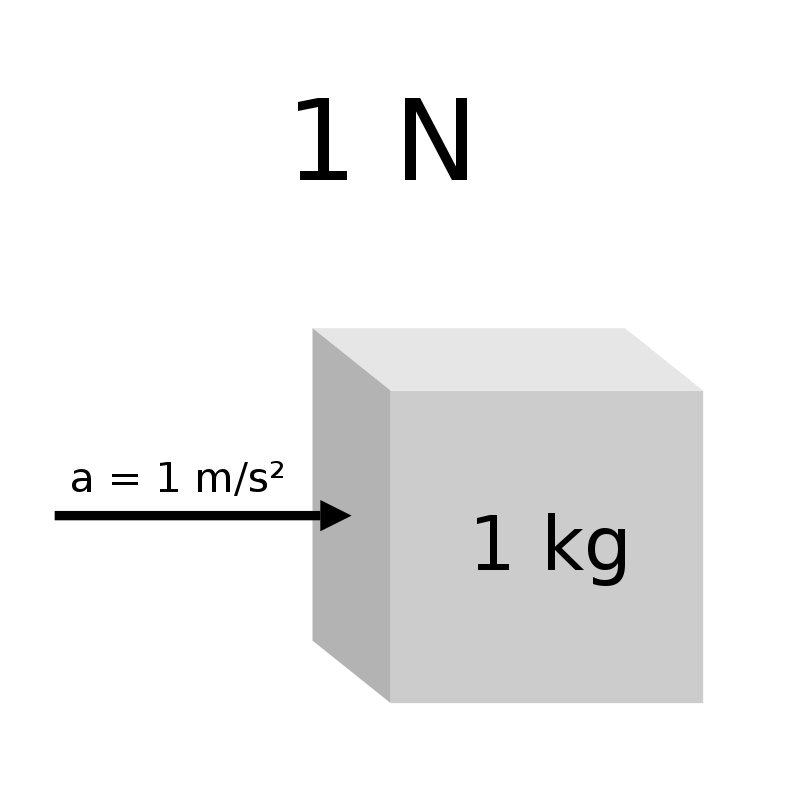
newton
SI unit of force

dyne
The dyne (symbol: dyn; ) is a derived unit of force specified in the centimetre–gram–second (CGS) system of units, a predecessor of the modern SI.
kilogram-force
The kilogram-force (kgf or kgF), or kilopond (kp, from ), is a non-standard gravitational metric unit of force. It is not accepted for use with the International System of Units (SI) and is deprecated for most uses. The kilogram-force is equal to the magnitude of the force exerted on one kilogram of mass in a gravitational field (standard gravity, a conventional value approximating the average magnitude of gravity on Earth). That is, it is the weight of a kilogram under standard gravity. One kilogram-force is defined as . Similarly, a gram-force is , and a milligram-force is .
pound-force
unit of force: the force exerted by one standard gravity on a one-pound mass
sthène
The sthène (; symbol sn), sometimes spelled (or misspelled) sthéne or sthene (from ), is an obsolete unit of force or thrust in the metre–tonne–second system of units (mts) introduced in France in 1919. When proposed by the British Association in 1876, it was called the funal, but the name was changed by 1914. The mts system was abandoned in favour of the mks system and has now been superseded by the International System of Units.
poundal
The poundal (symbol: pdl) is a unit of force, introduced in 1877, that is part of the Absolute English system of units, which itself is a coherent subsystem of the foot–pound–second system.