Category
page 1Upper Mesopotamia
%20is%20seen%20at%20the%20lower%20part.jpg)
Euphrates
The Euphrates ( ; see below) is the longest and one of the most historically important rivers of West Asia. Together with the Tigris, it is one of the two defining rivers of Mesopotamia (). Originating in Turkey, the Euphrates flows through Syria and Iraq to join the Tigris in the Shatt al-Arab in Iraq, which empties into the Persian Gulf.

Tigris
thumb|Mosul, on the bank of the Tigris, 1861

Diyarbakır
Diyarbakır is the largest Kurdish-majority city in Turkey. It is the administrative center of Diyarbakır Province. It is considered one of the oldest continually inhabited cities in the world, continually inhabited since c. 8000 BCE.

Zagros Mountains
mountain range in Western Asia

Diyarbakır Province
province in southeast Turkey
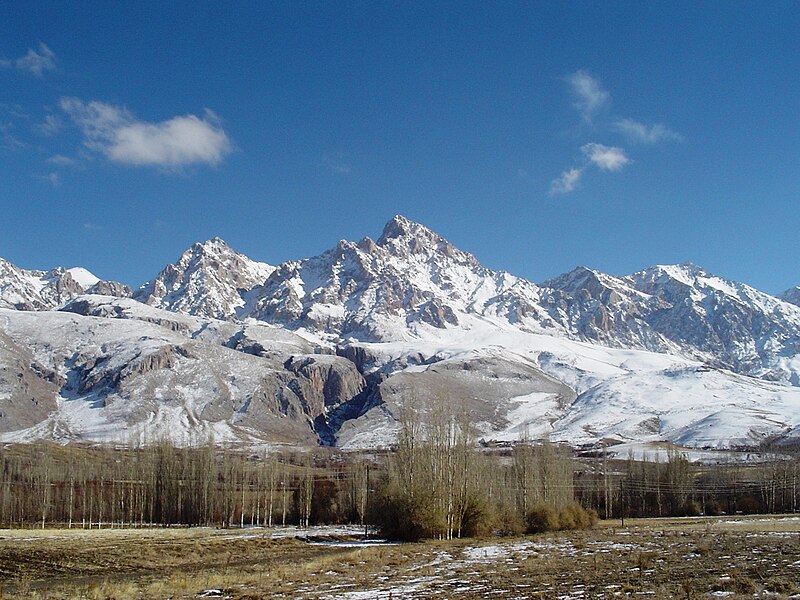
Taurus mountains
mountain range
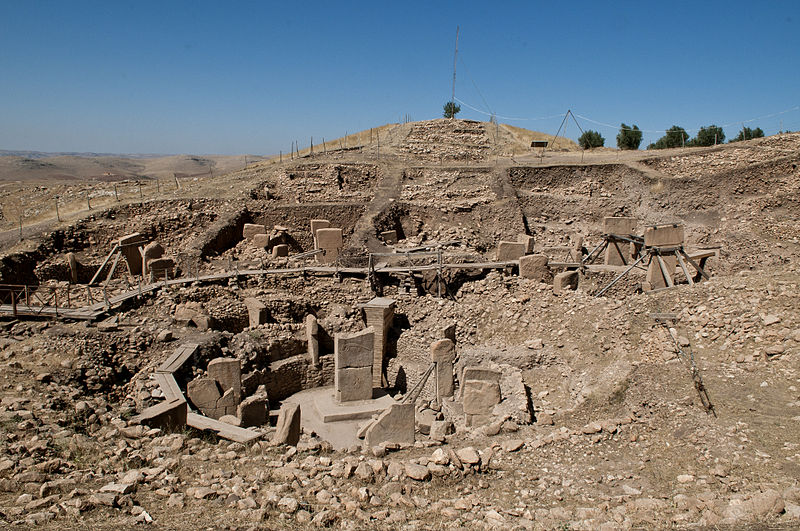
Şanlıurfa Province
province in southeast Turkey

Mardin Province
province in southeast Turkey

Democratic Autonomous Administration of North and East Syria
de facto autonomous region in Syria

Erbil Governorate
governorate in Iraq

Hasakah
Hasakah (; ; ) is a city in northeastern Syria and the capital of the Hasakah Governorate. With a 2023 estimated population of 422,445, Hasakah is populated by Arabs, Kurds, Assyrians and a smaller number of Armenians and Chechens. Hasakah is south of the city of Qamishli. The Khabur River, a tributary of the Euphrates River, flows west–east through the city. The Jaghjagh River flows into the Khabur from the north at Hasakah. The city (and the surrounding countryside) is controlled by the Democratic Autonomous Administration of North and East Syria (DAANES). After Ayn Issa came under the contr

Duhok Governorate
Duhok Governorate is part of Iraqi Kurdistan

Qamishli
Qamishli is a city in northeastern Syria on the Syria–Turkey border, adjoining the city of Nusaybin in Turkey. The Jaghjagh River flows through the city. With a 2004 census population of 184,231, it is the ninth most-populous city in Syria and the second-largest in Al-Hasakah Governorate after Al-Hasakah. Qamishli has traditionally been a Christian Assyrian majority city, but is now predominantly populated by Kurds with large numbers of Arabs and Assyrians and a smaller number of Armenians. It is northeast of Damascus.

Hasakah Governorate
governorate of Syria

Raqqa Governorate
governorate of Syria

Diyala Governorate
governorate of Iraq

Nineveh Governorate
governorate of Iraq

Deir ez-Zor Governorate
governorate of Syria
Turkish Kurdistan
Turkish part of Kurdistan
Upper Mesopotamia
northern portion of region between Tigris and Euphrates rivers, now part of Iraq, Syria and Turkey
Tur Abdin
name for a mountain range in southeastern Turkey
Nineveh plains
region in Iraq
Southeastern Anatolia Project
infrastructure project in southeastern Turkey launched in the 1970s
Syrian Kurdistan
Kurdish inhabited area of Syria

Tell Tamer
town in Syria
Iraqi Kurdistan
Kurdish-inhabited region in Iraq
Arab Belt
Ba'athist ethnic cleansing policy in Syrian Kurdistan
Hakkari
historical region of West Asia
Tyari
thumb|300x300px|An Assyrian house in the Tyari, from The Assyrians and their Rituals (1852), vol. I, p. 216
Tyari () is an Assyrian tribe and a historical district within Hakkari, Turkey. The area was traditionally divided into Upper Tyari (Tyari Letha) and Lower Tyari (Tyari Khtetha)–each consisting of several Assyrian villages. Both Upper and Lower Tyari are located on the western bank of the Zab river. Today, the district mostly sits in around the town of Çukurca. Historically, the largest village of the region was known as Ashitha. According to Hannibal Travis the Tyari Assyrians were know