Category
page 1User interface techniques

mobile app
software application designed to run on mobile devices

user interface
means by which a user interacts with and controls a machine

augmented reality
interactive experience of a real-world environment enhanced by computer-generated perceptual information spatially registered to the user's environment

cursor
part of a computer UI that indicates the position (textual or graphical) that operations will affect
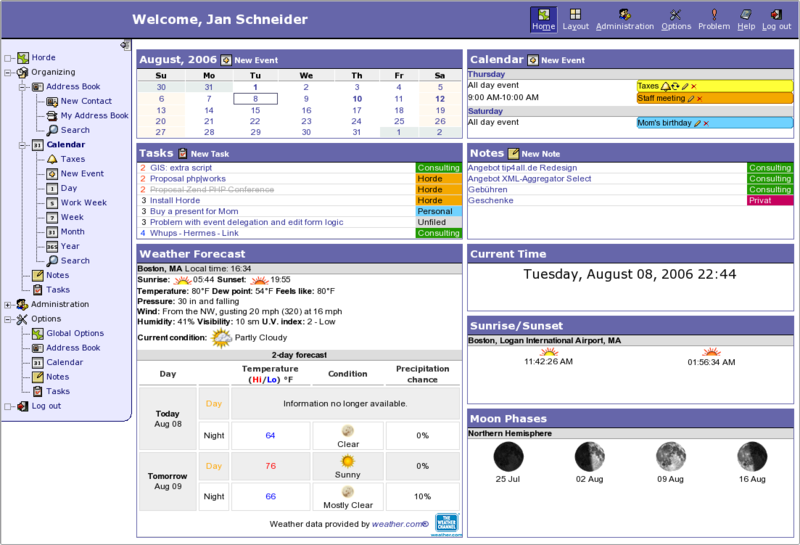
web application
application that uses a web browser as a client

command-line interface
type of computer interface based on entering text commands and viewing text output
speech recognition
automatic conversion of spoken language into text

brain–computer interface
connection between brain and computer

gamification
thumb|300px|Infographic explaining how to apply for and receive an Open Badge, a product of the Nordplus Adult project Open Badges for Adult Educators 2014-2016
drag and drop
action in computer graphic user interfaces
keyboard shortcut
special computer keystroke that triggers a command
web form
input fields on a web page
clipboard
data storage used to support copy and paste operations
syntax highlighting
tool of editors for programming, scripting and markup
cut, copy, and paste
user-interface method of transferring data between sites
breadcrumb navigation
navigational aid in user interfaces
desktop metaphor
computer interface conceptual model
stylus
pen-shaped instrument used in computing as a pointing device for drawing
scroll lock
computer key on IBM-compatible computer keyboards, originally used to make the arrow keys scroll the contents of a text window instead of moving the cursor
interactive voice response
voice or tone user interface for telephony

TouchWiz
TouchWiz is a discontinued user interface developed by Samsung Electronics with partners, featuring a full touch user interface. It is sometimes incorrectly referred to as an operating system. TouchWiz was used internally by Samsung for smartphones, feature phones, and tablet computers, and was not available for licensing by external parties. The Android version of TouchWiz also comes with the Samsung-made app store Galaxy Apps. It was replaced by Samsung Experience in 2017 with the release of Android 7.0 "Nougat".

tooltip
thumb|400px|A web browser tooltip displayed for hyperlink to HTML, showing what the abbreviation stands for.
personalization
Personalization (broadly known as customization) consists of tailoring a service or product to accommodate specific individuals. It is sometimes tied to groups or segments of individuals. Personalization involves collecting data on individuals, including web browsing history, web cookies, and location. Various organizations use personalization (along with the opposite mechanism of popularization) to improve customer satisfaction, digital sales conversion, marketing results, branding, and improved website metrics as well as for advertising. Personalization acts as a key element in social media
T9
predictive text input technology for mobile phones
input method
operating system component or program that allows any data, such as keyboard strokes or mouse movements, to be received as input
extended reality
term referring to all real-and-virtual combined environments

scrolling
thumb|Parallax scrolling
In computer displays, filmmaking, television production, video games and other kinetic displays, scrolling is sliding text, images or video across a monitor or display, vertically or horizontally. "Scrolling," as such, does not change the layout of the text or pictures but moves (pans or tilts) the user's view across what is apparently a larger image that is not wholly seen. A common television and movie special effect is to scroll credits, while leaving the background stationary. Scrolling may take place completely without user intervention (as in film credits) or, on
read–eval–print loop
interactive software environment executing single user inputs in a given programming language
trash
temporary storage for files that have been deleted
gesture recognition
topic in language and computer science
point and click
computer technique
voice user interface
makes spoken human interaction with computers possible, using speech recognition to understand spoken commands and answer questions
wizard
type of computer interface that guides a user through a series of steps
gesture
computer input method
zooming user interface
graphical interface allowing for image scaling
modifier key
kind of key on a computer keyboard that changes the semantics of other keys
capacitive sensing
technology
multiple document interface
type of software application interface
virtual desktop
method of having multiple desktops in a graphical user interface that the user can switch between
WIMP
style of human–computer interaction
SwiftKey
company and input method
table of keyboard shortcuts
Wikimedia list article
tiling window manager
window manager with an organization of the screen into mutually non-overlapping frames

double-click
A double-click is the act of pressing a computer mouse button twice quickly without moving the mouse. Double-clicking allows two different actions to be associated with the same mouse button. It was developed by Tim Mott of Xerox Palo Alto Research Center. Often, single-clicking selects (or highlights) an object (e.g. the space between two characters) while a double-click selects the next object up in the selection hierarchy (e.g. a word), or executes the function associated with that object (e.g. open a file folder). Following a link in a modern web browser is accomplished with only a single

lock screen
computer user interface element used by various operating systems
Mission Control
window management utility on the macOS operating system
call to action
marketing term for any device designed to prompt an immediate response or encourage an immediate sale
Dasher
computer accessibility tool
scroll wheel
component of a computer mouse used to scroll up and down
Timed Text
presentation of text media in synchrony with other media, such as audio and video
treemap
thumb|Treemap of Singapore's exports by product category, 2012. The Product Exports Treemaps are one of the most recent applications of these kind of visualizations, developed by the Harvard-MIT Observatory of Economic Complexity.
split screen
computer display technique
Graffiti
shorthand handwriting recognition system for Palm OS
Computer-mediated reality
StickyKeys
Microsoft Windows accessibility feature
pen computing
any computer user-interface using a pen or stylus and tablet
Tangible user interface
user interface in which a person interacts with digital information through the physical environment
Task View
task switcher and virtual desktop system

context awareness
capability to take into account the situation of entities (e.g. users or devices)
IBM Common User Access
user interface standard